Description
Cold Fire Juice 1G Cart: Product Information and Overview
Introduction
Cold Fire Juice 1G Cart is a cannabis vape cartridge presented in a compact 1
-gram format. The product name indicates a cartridge intended for use with a compatible vape battery
, while the “1G” designation generally refers to the stated amount of cannabis oil contained in the cartridge
.
Because cannabis products can vary considerably between batches, manufacturers, and jurisdictions, the exact cannabinoid profile, terpene composition, extraction method, hardware specifications, and ingredients should be confirmed through the product packaging and current laboratory documentation.
For consumers researching Cold Fire Juice 1G Cart, verified product information is especially important. Packaging can provide details such as THC concentration, CBD content, batch identification, production information, testing information, and recommended storage conditions. In addition, local regulations may determine how cannabis vape products can be sold, possessed, or used.
Cold Fire Juice 1G Cart Overview
The Cold Fire Juice 1G Cart is identified by its cartridge format and stated 1-gram capacity. A cartridge typically contains cannabis oil within a small reservoir connected to a heating element. When used with an appropriate compatible battery, the heating element warms the oil so that its compounds can be inhaled as vapor.
The 1-gram designation describes the stated quantity of oil rather than guaranteeing a particular number of inhalations. Actual consumption can differ depending on the hardware, individual inhalation patterns, oil viscosity, temperature, and other factors.
Product specifications should therefore be checked against the packaging rather than assumed from the product name alone.
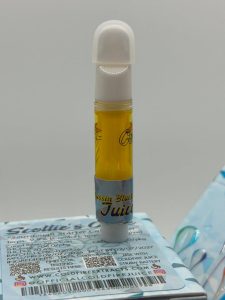
Product Format
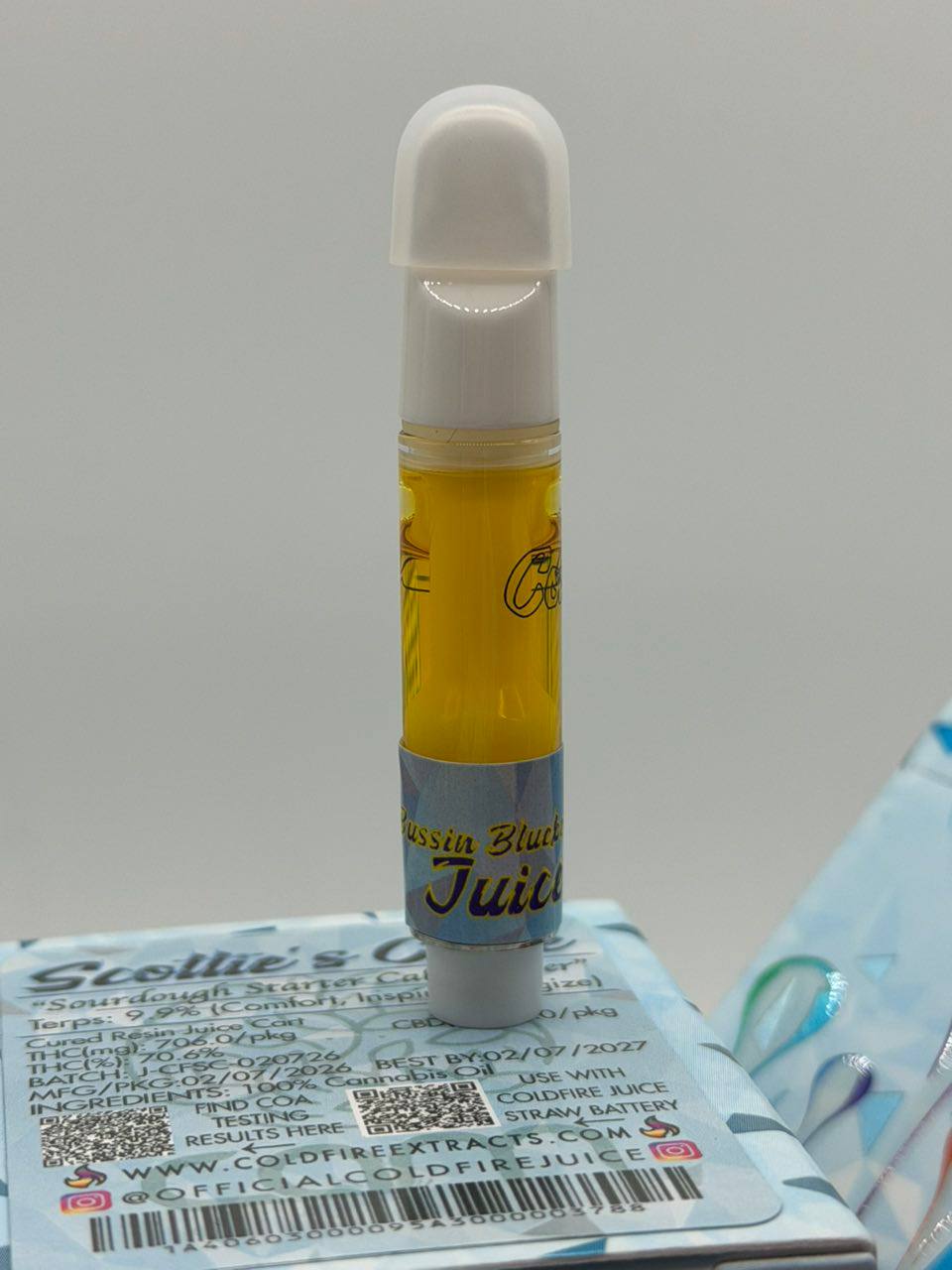
A 1G cartridge generally consists of several main components. These may include an oil reservoir, heating element, mouthpiece, and connection point for a compatible battery.
The precise construction of Cold Fire Juice 1G Cart can depend on the specific manufacturer and production batch. Consequently, consumers should verify compatibility before using a cartridge with a battery.
Hardware quality can influence the overall operation of a cartridge. Factors such as airflow, heating consistency, oil viscosity, and connection quality may affect how the cartridge performs.
Cannabis Oil Composition
Cannabis vape oil may contain cannabinoids and naturally occurring or added aromatic compounds. The exact composition of a particular Cold Fire Juice 1G Cart should be determined from its current product label and certificate of analysis rather than inferred from the product name.
THC is one of the primary cannabinoids commonly associated with intoxicating cannabis products. CBD is another well-known cannabinoid, although concentrations can vary significantly between formulations.
Terpenes can also contribute to the aroma and flavor characteristics associated with cannabis products. However, terpene composition should be confirmed through manufacturer information or laboratory testing.
Laboratory Testing
Independent laboratory testing is an important part of evaluating regulated cannabis products. A current certificate of analysis can provide information that is not apparent from packaging alone.
Depending on the jurisdiction and laboratory, testing may address cannabinoid concentrations, microbial contamination, pesticides, heavy metals, residual solvents, and other contaminants.
For Cold Fire Juice 1G Cart, laboratory documentation should correspond to the specific batch being examined. A product name alone does not establish the contents or safety profile of a particular cartridge.
THC and Cannabinoid Information
Cannabinoid concentrations can differ between cannabis cartridges. Therefore, the THC percentage or milligram quantity should be taken directly from the package or laboratory report associated with the product.
The amount of THC in cannabis oil is not necessarily equivalent to the amount absorbed by an individual. Inhalation patterns, device temperature, biological differences, and other factors can affect exposure.
Cannabis can also affect people differently. Some individuals may experience changes in perception, coordination, attention, memory, or reaction time.
Flavor and Aroma Information
The flavor and aroma associated with a cannabis cartridge can be influenced by its terpene profile and the characteristics of its cannabis oil. However, specific flavor descriptions should not be assumed without verified product information.
If Cold Fire Juice 1G Cart is offered in multiple varieties, each version may have a different formulation. Product packaging and laboratory documentation can therefore provide more reliable information than generalized descriptions found online.
Cartridge Compatibility
A cartridge is normally designed to connect with a compatible vape battery. Compatibility can depend on the connection type, voltage range, and hardware design.
The manufacturer's compatibility information should be checked before use. Improper hardware pairing can potentially affect cartridge performance or damage the device.
Different batteries may also operate at different power levels. Excessive heat can affect the oil and hardware, while insufficient heat may result in inconsistent vapor production.
Storage Considerations
Cannabis cartridges can be affected by environmental conditions. Excessive heat, direct sunlight, and improper storage may influence oil consistency and hardware performance.
A cartridge is generally best kept according to the manufacturer's stated storage recommendations. The product should remain in its original packaging where appropriate, particularly when labeling contains important batch and regulatory information.
Storage conditions can also matter during transportation. Extreme temperatures may alter oil viscosity, which can affect cartridge performance.
Packaging and Authenticity
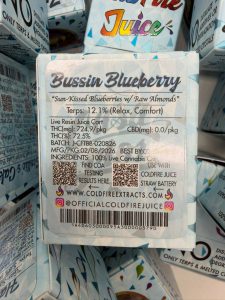
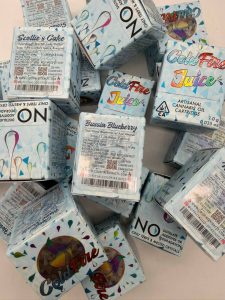
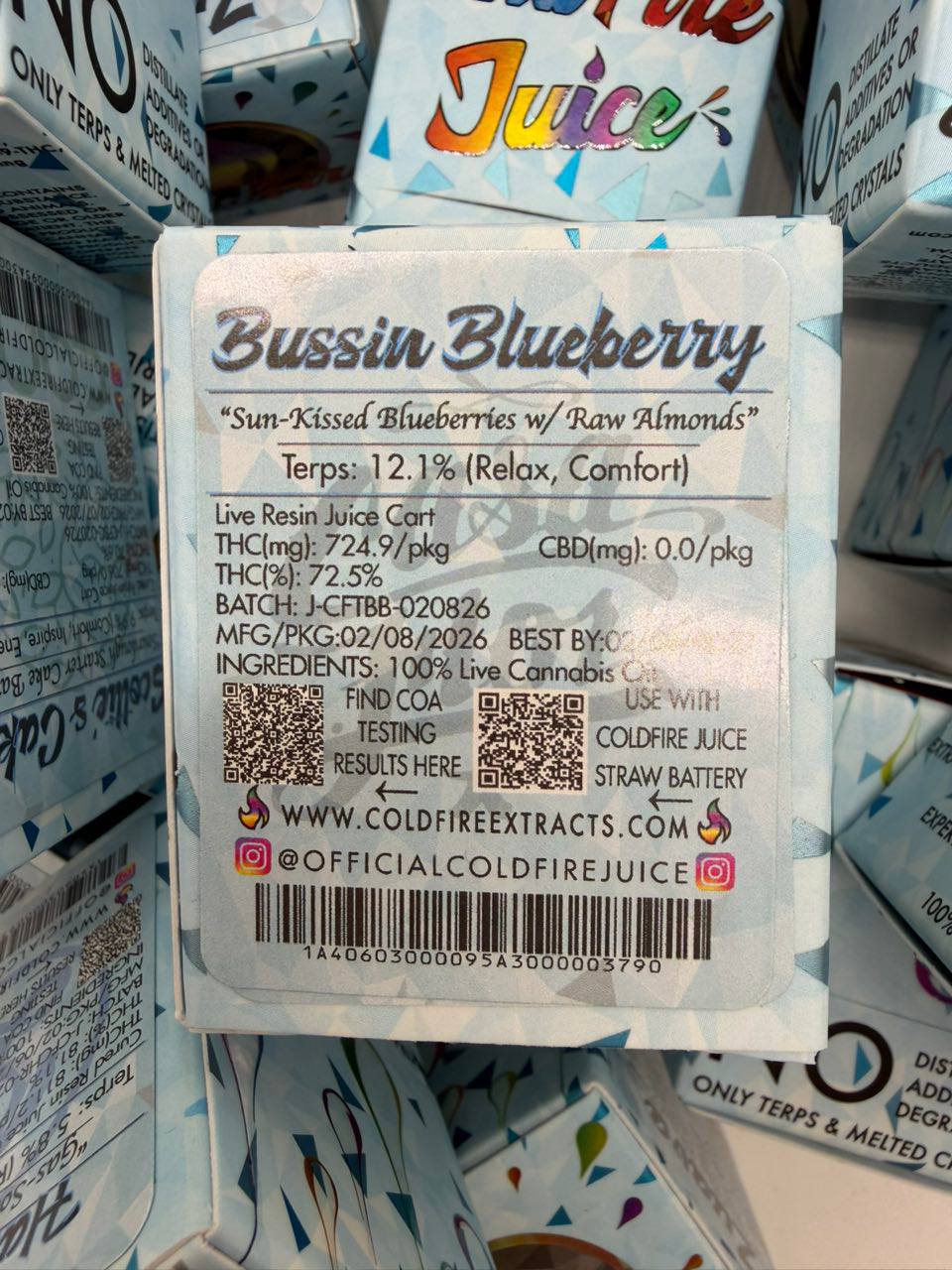
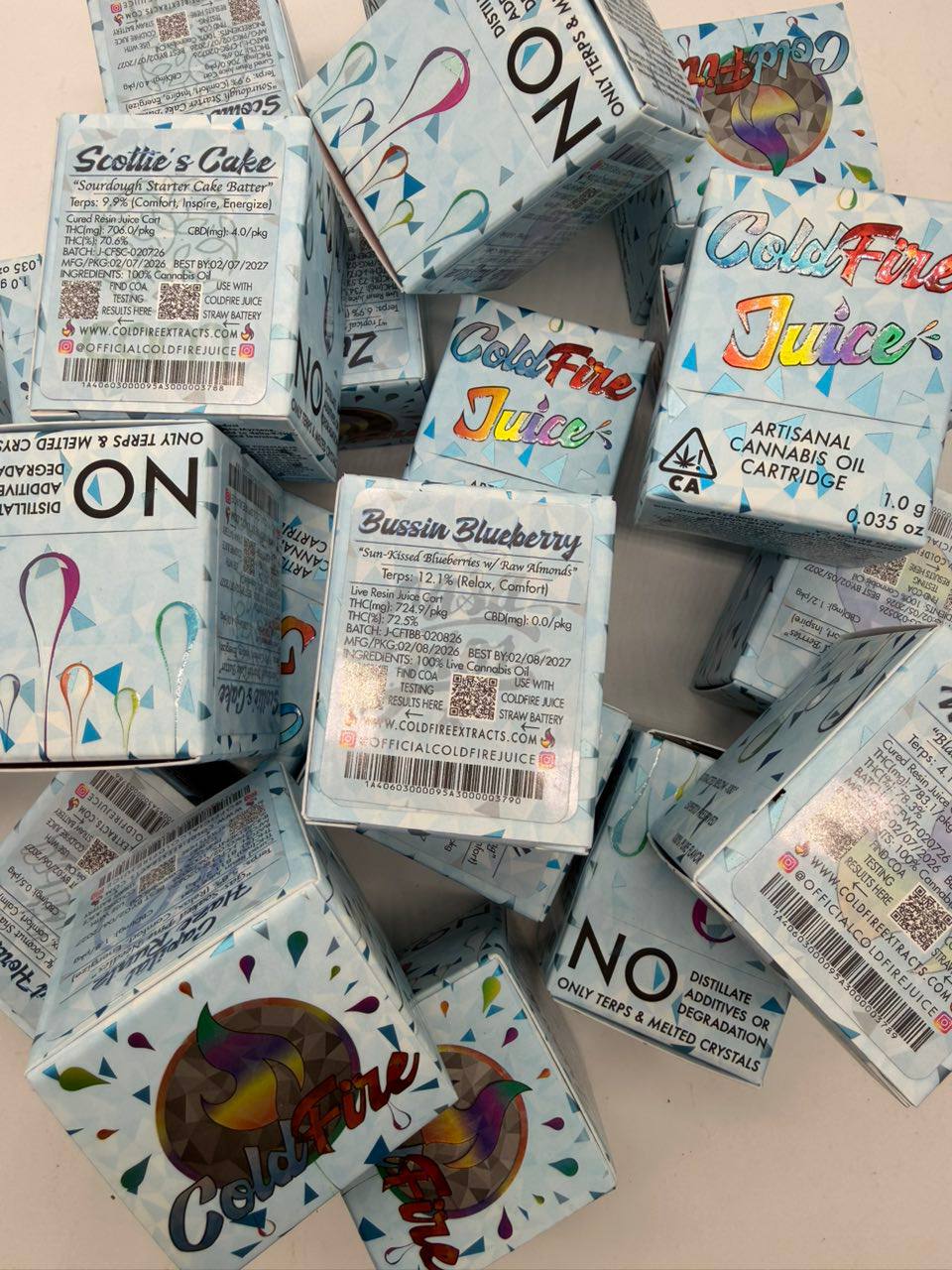
Packaging can provide several useful indicators when researching a cannabis cartridge. Important details may include the manufacturer or licensed producer, batch number, cannabinoid information, production date, testing information, ingredients, and regulatory symbols.
Authenticity should be verified through legitimate sources whenever possible. Unverified cartridges can have uncertain contents, and online product names alone cannot establish whether a particular item is genuine.
Consumers should be cautious when product information is incomplete, inconsistent, or unsupported by appropriate laboratory documentation.
Responsible Cannabis Information
Cannabis products containing THC can produce intoxicating effects. Those effects can vary according to cannabinoid concentration, individual tolerance, frequency of use, metabolism, and other factors.
A person who experiences impairment should avoid driving, operating machinery, or performing activities that require full attention and coordination.
Cannabis laws also vary by jurisdiction. Age requirements, possession limits, purchase rules, transportation restrictions, and consumption regulations should therefore be checked locally.
Product Research and SEO Keywords
For informational search purposes, relevant terms associated with this product may include Cold Fire Juice 1G Cart, Cold Fire Juice cartridge, 1G cannabis cartridge, cannabis vape cartridge, THC cartridge information, cannabis cartridge laboratory testing, and Cold Fire Juice product information.
Search descriptions should accurately reflect verified product details. Claims about potency, ingredients, effects, testing, or manufacturing should not be presented as facts unless they are supported by reliable documentation.
Frequently Asked Questions
What is Cold Fire Juice 1G Cart?
Cold Fire Juice 1G Cart is identified as a 1-gram cannabis vape cartridge. Its precise formulation and specifications should be verified through current packaging and laboratory documentation.
What does 1G mean?
The “1G” designation generally refers to the stated quantity of cannabis oil in the cartridge. It does not indicate a fixed number of inhalations or a guaranteed duration.
Does the cartridge contain THC?
The cannabinoid content depends on the specific formulation. The package label and corresponding certificate of analysis should be consulted to verify THC and other cannabinoid concentrations.
Is a battery required?
A cartridge generally requires a compatible vape battery unless it is specifically designed as a disposable device. Hardware compatibility should be confirmed before use.
Where can laboratory information be found?
Depending on the manufacturer and jurisdiction, testing information may appear on the packaging or through a certificate of analysis associated with the product's batch number.
Can cannabis cartridges expire?
Cannabis products can change over time, particularly when exposed to heat, light, or unsuitable storage conditions. The manufacturer's expiration or recommended-use information should be followed when available.
Does every Cold Fire Juice cartridge have the same formulation?
Not necessarily. Formulations, cannabinoid concentrations, terpene profiles, and hardware can vary between products or batches. Current product documentation provides the most reliable information.
Cold Fire Juice 1G Cart is a cartridge-format cannabis product identified by a stated 1-gram oil capacity. Information about its cannabinoids, terpenes, ingredients, hardware, and testing should be confirmed through legitimate packaging and batch-specific laboratory documentation.
For anyone researching this product, accurate specifications are more useful than assumptions based solely on the product name. In addition, responsible storage, compatible hardware, applicable cannabis regulations, and awareness of potential impairment are important considerations when evaluating cannabis vape cartridges.
Because formulations and regulations can change, current manufacturer and laboratory information should remain the primary reference for product-specific details.
Cold Fire Juice 1G Cart: Additional Product Information
Understanding the 1G Cartridge Format
The 1-gram cartridge format is commonly used across cannabis vape products because it provides a compact container for cannabis oil. In this format, the oil is stored inside a reservoir that connects to an internal heating component. When the compatible device is activated, heat is transferred to the oil, producing an inhalable aerosol.
Although the cartridge is labeled as 1G, that measurement should not be interpreted as a precise indication of how long the cartridge will last. Individual consumption patterns differ considerably. Hardware settings, oil viscosity, inhalation length, frequency of use, and other factors can all influence the amount of oil consumed.
For that reason, the stated capacity is best understood as a product specification rather than a prediction of usage duration.
Cartridge Hardware and Construction
The hardware used in a cannabis cartridge can influence its overall operation. A typical cartridge contains a reservoir, heating element, mouthpiece, and connection mechanism. Each component has a particular role in transferring cannabis oil into vapor.
The reservoir holds the oil before it reaches the heating element. Meanwhile, the heating element provides the thermal energy needed to create vapor. The mouthpiece provides the point through which the resulting aerosol is inhaled, while the connection mechanism attaches the cartridge to a compatible battery.
Construction can differ between manufacturers and product versions. Therefore, assumptions about hardware should be avoided unless they are supported by official specifications.
Oil Viscosity and Cartridge Performance
Cannabis oil can have different levels of viscosity depending on its formulation and storage conditions. Temperature can also influence how easily the oil moves through the cartridge.
When oil becomes more viscous, its movement through the cartridge may change. Conversely, excessive heat can affect oil consistency and potentially influence hardware performance.
These characteristics explain why storage conditions can be relevant to cartridge quality. Direct sunlight, high temperatures, and significant temperature changes may have an impact on cannabis oil over time.
Terpene Profile and Product Character
Terpenes are aromatic compounds found naturally in cannabis and many other plants. They contribute to the aroma and flavor associated with different cannabis varieties.
A cartridge's terpene profile can therefore play an important role in its sensory characteristics. However, the presence and concentration of specific terpenes should be confirmed through laboratory documentation rather than assumed from a product name.
Common cannabis-associated terpenes include myrcene, limonene, pinene, linalool, and caryophyllene. Their relative concentrations can differ substantially between formulations.
For Cold Fire Juice 1G Cart, the exact terpene composition should be checked against the current batch-specific certificate of analysis when available.
Cannabinoid Testing and Transparency
Cannabinoid testing provides valuable information about the chemical composition of cannabis oil. A laboratory report may list THC, CBD, CBG, CBC, CBN, and other cannabinoids depending on the product and testing method.
The reported concentration can be expressed as a percentage or as an amount per package. Both measurements provide useful information, although they represent the product in different ways.
For example, a percentage describes the relative concentration of a cannabinoid within the tested material, while a milligram measurement describes the quantity contained within a specified amount of product.
Consumers researching Cold Fire Juice 1G Cart should compare the product label with the laboratory report when possible. This approach provides a clearer picture of what is actually contained in the cartridge.
Contaminant Testing
Cannabis oil can also be evaluated for contaminants. Depending on local regulations, laboratory screening may include pesticides, heavy metals, microbial organisms, residual solvents, and other substances.
This testing is particularly relevant for vape products because inhalation creates a different exposure pathway from other forms of cannabis consumption.
A current certificate of analysis can therefore offer useful information about the batch being examined. However, laboratory reports should correspond to the exact product and batch rather than a similarly named item.
Ingredient Information
Ingredient lists should always be reviewed before using a cannabis cartridge. Cannabis oil formulations can vary, and additional ingredients may be present depending on the manufacturing process.
Possible components can include cannabis-derived compounds, terpenes, and other ingredients permitted by the applicable regulatory framework.
An ingredient list should not be reconstructed from assumptions or from descriptions of unrelated cartridges. If the packaging does not clearly identify the ingredients, official manufacturer documentation should be consulted where available.
Product Storage
Proper storage can help maintain the condition of a cannabis cartridge. Temperature, light, humidity, and physical handling can all influence the condition of cannabis products.
A cool, dry environment away from direct sunlight is commonly recommended for cannabis products, although the manufacturer's own storage guidance should take priority.
The cartridge should also be protected from unnecessary physical stress. Excessive pressure, dropping, or rough handling can affect hardware components.
Keeping the original packaging can also be useful because it preserves important product information, including batch details and laboratory references.
Transportation Considerations
Transportation requirements for cannabis products differ by location. Some jurisdictions impose restrictions on where cannabis may be transported, how it must be packaged, and whether it can cross regional or national borders.
A cannabis cartridge should therefore remain within the legal framework applicable to its location. Regulations can be particularly strict when crossing state, provincial, or international borders.
Before transporting a product, current local regulations should be checked rather than relying on rules from another jurisdiction.
Understanding Cannabis-Related Impairment
THC-containing cannabis products can cause intoxication and impairment. The intensity and duration of effects can vary from one individual to another.
Factors that may influence the experience include THC concentration, individual tolerance, frequency of cannabis exposure, metabolism, body chemistry, and other circumstances.
Potential effects can include changes in perception, attention, memory, coordination, reaction time, and judgment.
Because impairment can affect activities requiring concentration and coordination, driving or operating machinery after cannabis use can create serious safety concerns.
Differences Between Cartridges and Other Cannabis Formats
Cannabis is available in several formats, including flower, concentrates, edibles, tinctures, and vape cartridges. Each format has different characteristics.
A cartridge contains cannabis oil rather than dried flower. Its hardware also distinguishes it from traditional cannabis products.
Edibles differ because cannabinoids are consumed orally and processed through the digestive system. Flower, by comparison, contains the plant material itself.
These differences can affect onset, duration, dosing considerations, and the overall experience. Consequently, product categories should not be treated as interchangeable.
Cartridge Versus Disposable Vape
A cartridge and a disposable vape are not necessarily the same type of product.
A cartridge is generally a separate component that requires a compatible battery. A disposable vape typically combines the oil reservoir, heating element, battery, and related components into a single device.
The product name and packaging should clarify which format is being offered. This distinction is important because a cartridge may not function without appropriate compatible hardware.
Quality Indicators to Consider
When evaluating a cannabis cartridge for informational purposes, several details can provide useful context.
Clear Product Labeling
Clear labeling allows the contents and specifications to be identified more easily. A complete label may provide cannabinoid information, ingredients, batch identification, and testing references.
Batch-Specific Testing
Testing associated with the actual batch provides more relevant information than generic claims about a product line.
Manufacturer Information
A clearly identified manufacturer or licensed producer can make it easier to verify product documentation.
Consistent Packaging
Packaging that contains consistent product information can help distinguish legitimate products from unidentified or questionable items.
Regulatory Compliance
Products sold through regulated markets are generally subject to requirements established by the relevant jurisdiction. Those requirements can vary considerably.
Why Product Verification Matters
Cannabis products can have similar names while differing substantially in composition. A product's appearance or branding does not independently establish its cannabinoid concentration, ingredients, or testing status.
For that reason, product verification is an important part of responsible research.
The most useful information usually comes from several sources working together: the physical label, manufacturer information, laboratory documentation, and applicable regulatory records.
Frequently Asked Questions About Cold Fire Juice 1G Cart
How much oil is in a 1G cartridge?
A 1G cartridge is generally labeled as containing one gram of cannabis oil. The exact net contents should be confirmed on the package.
Does 1G mean the cartridge contains one gram of THC?
No. The 1G designation generally refers to the total stated quantity of oil, not the amount of THC. The THC concentration is a separate specification.
Can the THC percentage vary?
Yes. Cannabis products can have different cannabinoid concentrations, and formulations may vary between products or batches. Current laboratory documentation is the best reference for a specific cartridge.
Are all cannabis cartridges compatible with every battery?
No. Compatibility depends on the cartridge and battery specifications. The manufacturer's hardware information should be checked before pairing the two.
What affects cartridge performance?
Several factors can influence performance, including hardware construction, battery compatibility, temperature, oil viscosity, storage conditions, and the condition of the cartridge.
Why is laboratory testing important?
Laboratory testing can provide information about cannabinoid concentrations and, depending on the jurisdiction, the presence or absence of certain contaminants.
Can the product's flavor be determined from its name?
Not reliably. A product name may suggest a particular variety or profile, but the actual flavor and aroma characteristics should be verified through official product information.
What information should appear on the package?
Depending on local regulations, packaging may include the product name, net contents, cannabinoid information, ingredients, batch number, manufacturer details, testing information, and regulatory warnings.
Can storage affect cannabis oil?
Yes. Environmental conditions can influence oil consistency and product condition. Heat and direct light are particularly relevant considerations.
Does the cartridge have a fixed number of uses?
No. A 1G cartridge does not provide a guaranteed number of inhalations. Usage varies according to individual and hardware-related factors.
Final Product Notes
Cold Fire Juice 1G Cart represents a 1-gram cartridge format within the broader category of cannabis vape products. Its specific characteristics should be evaluated through verified documentation rather than assumptions based on branding alone.
The most useful product information includes cannabinoid concentration, ingredient details, terpene composition, batch identification, hardware specifications, and laboratory testing. Together, these details provide a more complete picture of the cartridge.
Furthermore, responsible product research involves understanding local cannabis laws, recognizing potential THC-related impairment, and considering appropriate storage and hardware compatibility.
Since cannabis formulations and regulations can change, current packaging and batch-specific laboratory documentation remain the most dependable sources for exact product details.
Reviews
There are no reviews yet.