Description
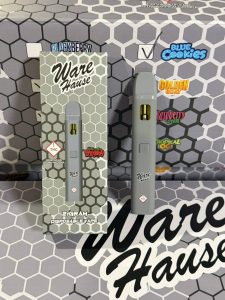
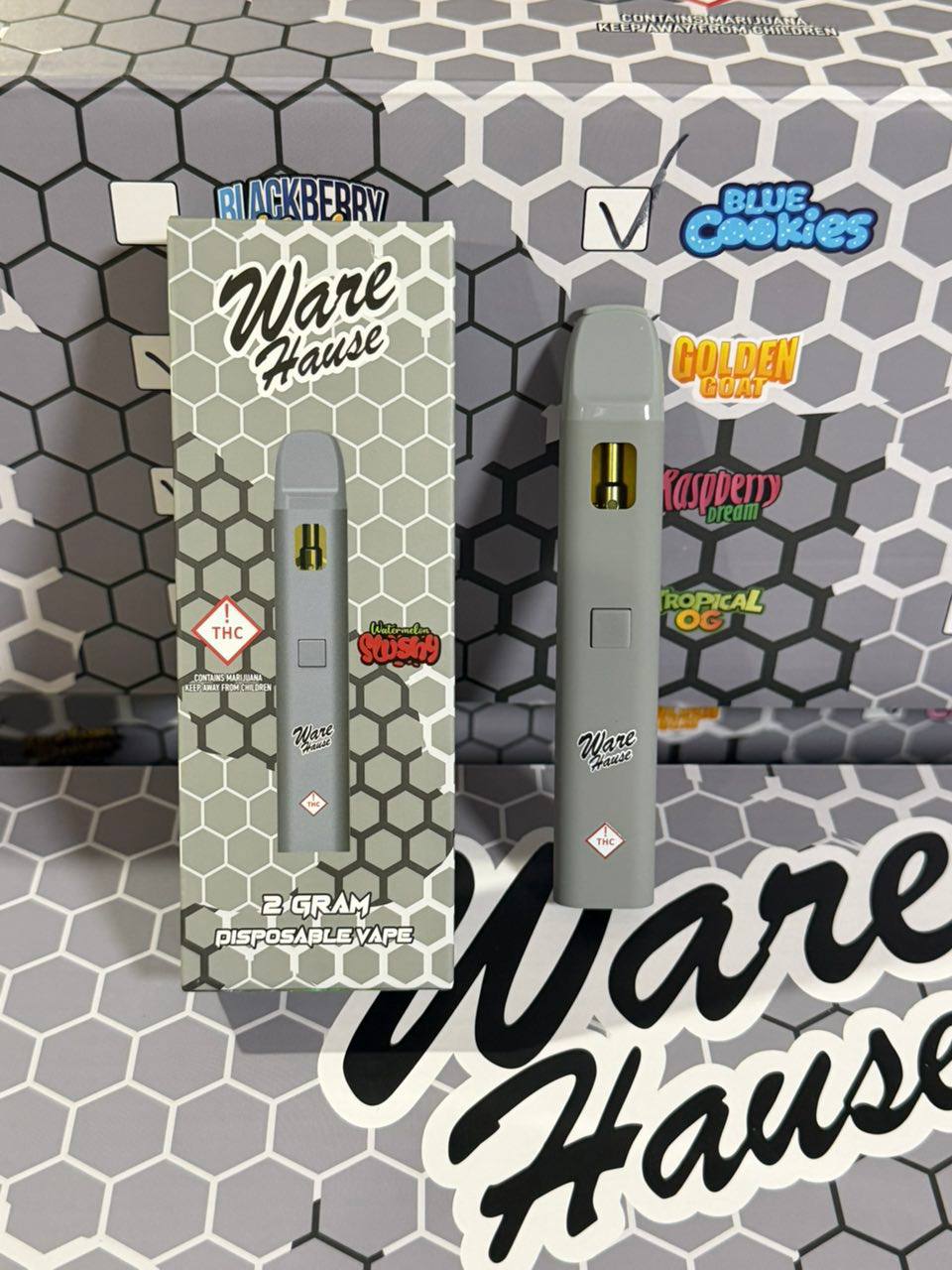
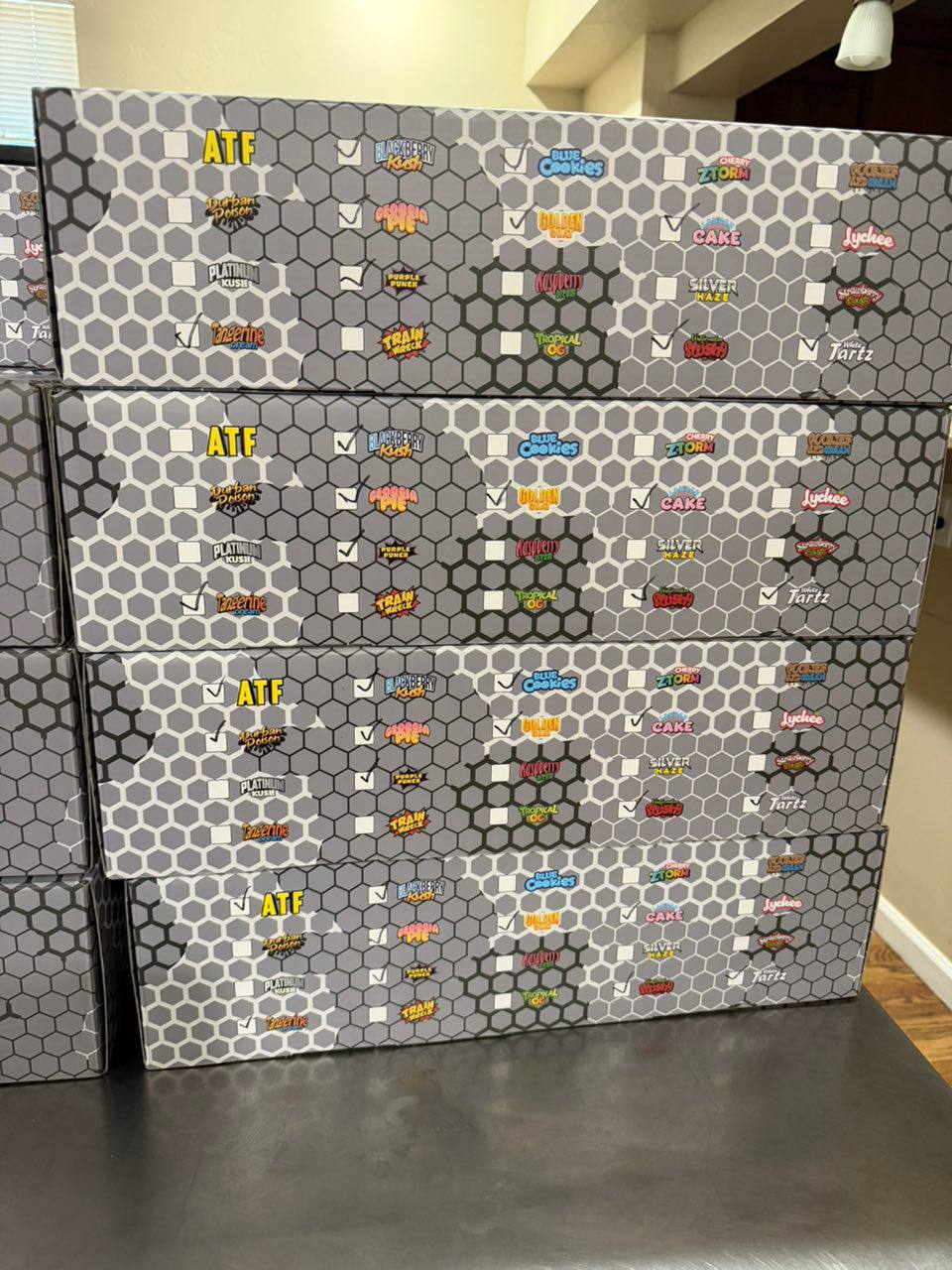
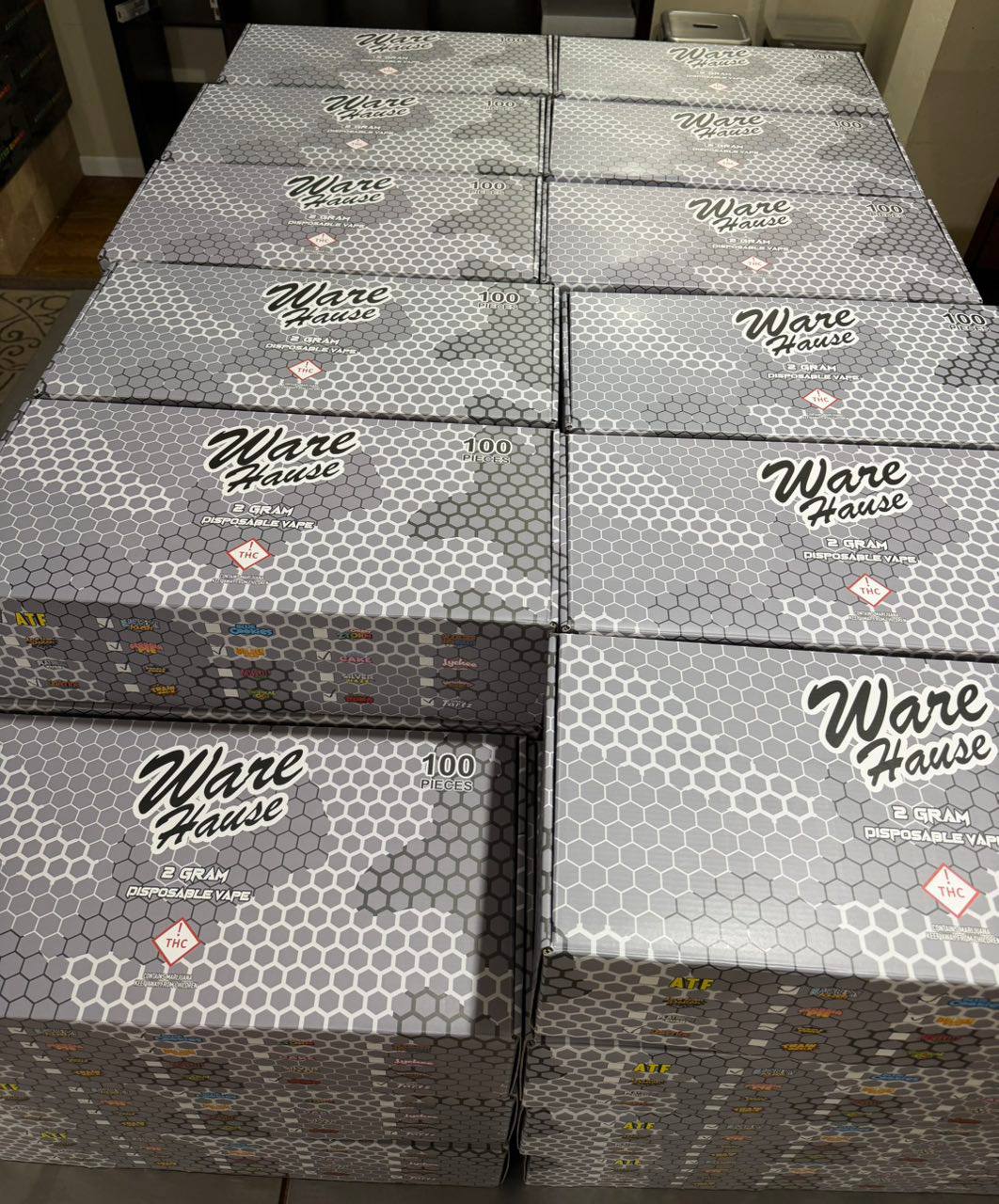
Warehouse 2G Disposable: Product Overview
Introduction
The
Warehouse 2G Disposable is a compact
, pre-filled vaporizer designed around convenience
, portability, and a straightforward disposable format. Its all-in-one construction brings the battery and pre-filled oil chamber together in a single device, so there is no separate hardware setup involved
.
With a 2-gram capacity, the device is positioned around a larger oil volume than many smaller disposable formats. The overall design focuses on portability while keeping the essential components contained within one unit.
Product details can vary depending on the specific batch, market, formulation, and manufacturer. Because of that, information printed on the packaging remains the most reliable source for details such as cannabinoid content, ingredients, laboratory testing, manufacturing information, and applicable warnings.
Design and Format
The disposable format is built around simplicity. Unlike reusable vaporizer systems, an all-in-one device generally does not require a separate cartridge, external battery, or refill container. The components are housed together, which gives the product a compact overall profile.
The 2-gram capacity refers to the amount of oil contained in the device. However, the actual usable amount can depend on the formulation and hardware design. Therefore, the stated capacity should be understood as the labeled product amount rather than a guarantee of a specific number of uses.
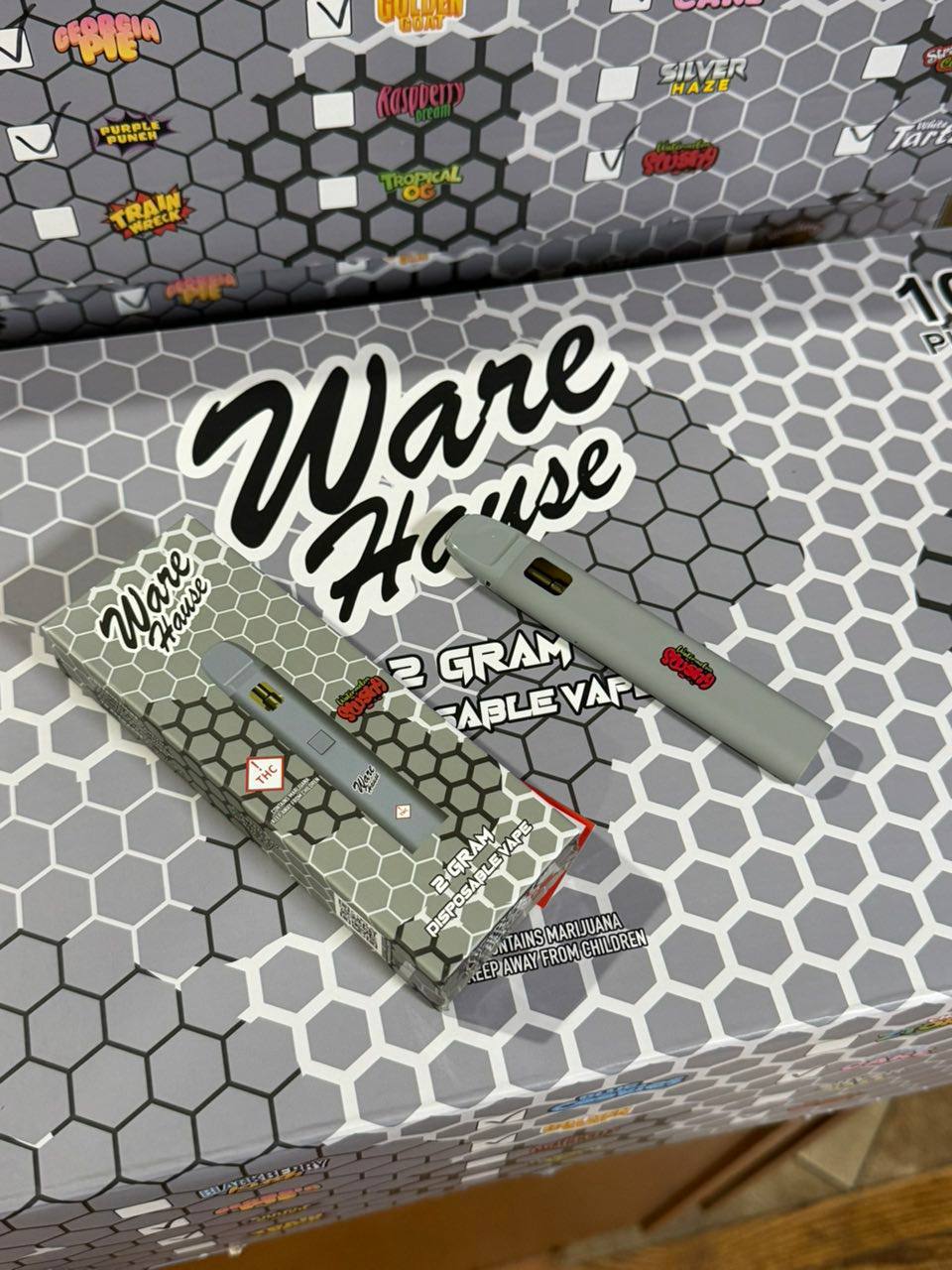
The exterior design can vary between releases. Packaging and hardware may also change over time, particularly when manufacturers introduce updated versions or different editions. Consequently, the exact appearance should be checked against the current packaging.
Oil Capacity
A 2-gram oil capacity provides a larger reservoir than many lower-capacity disposable formats. This distinction is one of the main characteristics associated with this type of product.
The oil is stored inside the integrated chamber and is delivered through the device's heating system. As the device is used, the available oil gradually decreases. Performance can also change as the remaining oil level becomes lower.
Storage conditions may influence the condition of the oil. Excessive heat, direct sunlight, or unsuitable storage environments can affect the consistency and overall condition of vaporizer oil. For that reason, the manufacturer's storage guidance and packaging information should be followed.
Integrated Hardware
An all-in-one disposable combines several components into one device. These commonly include a battery, heating element, oil chamber, mouthpiece, and exterior housing.
The integrated design reduces the number of separate pieces associated with the product. As a result, the device can be carried as one unit rather than as a combination of a battery and cartridge.
Hardware specifications are not necessarily identical across every production run. Battery capacity, airflow design, heating technology, and activation method may differ between versions. Therefore, the physical device should be checked for its specific operating information.
Battery System
The battery supplies power to the heating element contained inside the device. Depending on the particular version, activation may be controlled by an automatic draw system or another manufacturer-specific mechanism.
Battery performance depends on several factors, including battery capacity, storage conditions, usage patterns, and the characteristics of the heating system. In addition, a device that has been stored for an extended period may behave differently from a recently manufactured unit.
Disposable devices are generally intended to remain together as a single product rather than being separated into individual components. The battery should not be modified, punctured, opened, or exposed to unsuitable conditions.
Heating Technology
The heating element is responsible for converting the oil into an inhalable aerosol. When the device is activated, the heating system warms the material within the chamber.
The resulting aerosol can vary in density and characteristics according to the formulation, hardware, temperature, airflow, and other factors. Moreover, different production batches may produce somewhat different experiences even when the exterior design remains similar.
Because heating hardware can become warm during operation, the device should be handled according to the manufacturer's safety information. Unusual heat, damage, leakage, or other unexpected behavior can indicate that the device should no longer be used.
Flavor and Aroma Characteristics
Flavor characteristics depend primarily on the formulation contained inside the device. Depending on the specific product version, the oil may contain different cannabinoid profiles and terpene compositions.
Terpenes are aromatic compounds found naturally in many plants. In cannabis-derived products, they can contribute to the aroma and flavor profile of the formulation.
The final sensory characteristics can also be influenced by the hardware. Heating temperature, airflow, and oil consistency may affect how individual aromatic compounds are perceived.
For accurate information, the ingredient panel and product labeling should be consulted rather than relying solely on product names or descriptions.
Cannabinoid Information
Cannabinoid content can differ between products, batches, and jurisdictions. A product name alone does not establish the exact cannabinoid concentration.
Relevant information may include THC, CBD, minor cannabinoids, total cannabinoid concentration, or other laboratory measurements. Where laboratory testing is available, the certificate of analysis can provide additional information about the tested batch.
The labeled concentration should therefore be treated as the primary reference. Additionally, local regulations may determine which cannabinoid information must appear on the packaging.
Laboratory Testing
Laboratory testing can provide useful information about the composition and quality characteristics of a cannabis-derived product. Depending on the jurisdiction and testing program, analysis may cover cannabinoids, residual solvents, pesticides, heavy metals, microbial contaminants, and other substances.
Testing requirements differ by location. Therefore, a product that is sold in one market may have different labeling or documentation requirements in another.
A current certificate of analysis, when available, should correspond to the relevant batch or lot number. Packaging information can help establish whether the laboratory documentation relates to the specific product.
Packaging Information
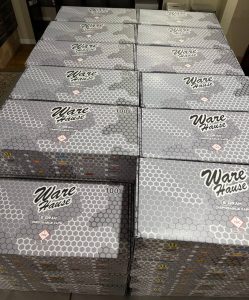
Packaging normally provides the most important product-specific information. This may include the product name, batch or lot number, cannabinoid content, net contents, manufacturer information, warnings, and regulatory details.
Some packaging may also contain a QR code or another method for accessing laboratory documentation. However, the availability and format of such information vary by manufacturer and jurisdiction.
Packaging can change as regulations or product lines are updated. Therefore, older photographs or descriptions may not accurately represent a current package.
Portability
The compact construction makes the disposable format relatively straightforward to transport compared with systems that require several separate components. Since the battery and oil chamber are contained within one device, fewer loose accessories are involved.
Portability does not eliminate the need for appropriate storage. Extreme temperatures can affect batteries and oil-based formulations. Furthermore, physical impact can damage the housing, mouthpiece, or internal components.
A protective storage environment can help reduce unnecessary exposure to heat, moisture, and mechanical damage.
Storage Considerations
Storage conditions can influence both the hardware and the oil. Excessive heat may affect the consistency of the oil, while very cold conditions can change its viscosity.
Direct sunlight should generally be avoided. Likewise, the device should be kept away from water and other sources of moisture.
The manufacturer's storage instructions take priority because different formulations and hardware systems can have different requirements.
Product Condition
A new disposable should normally be inspected for visible damage before use. Packaging should be intact, and the device should not show obvious cracks, leaks, severe deformation, or other unusual physical conditions.
If the device appears damaged, leaking, unusually hot, or otherwise defective, it should not be used. Instead, the packaging and manufacturer information can be consulted for appropriate handling or replacement procedures.
These precautions are particularly relevant because a disposable contains both a battery and a liquid formulation within a relatively small housing.
User Experience Factors
The experience associated with a disposable can vary considerably from person to person. Individual sensitivity, product composition, cannabinoid concentration, and previous exposure can all affect perceived effects.
Additionally, the same formulation may feel different when consumed by different individuals. Consequently, product descriptions should not be interpreted as guarantees of specific physical or psychological effects.
Cannabis products containing intoxicating cannabinoids can impair attention, coordination, reaction time, and judgment. These effects may persist longer than expected for some individuals.
Responsible Product Information
Clear labeling is important because consumers need accurate information about what a product contains. Product descriptions are most useful when they complement, rather than replace, official packaging and laboratory documentation.
For that reason, details such as cannabinoid concentration, ingredients, batch information, and regulatory status should be verified through the product's official documentation.
Descriptions should also avoid presenting subjective effects as guaranteed outcomes. Individual responses can differ, and no product description can accurately predict how a particular person will respond.
Safety Considerations
Cannabis vaporizer products should be kept away from children and animals. The device should also remain in its original packaging when appropriate, particularly when the packaging provides important labeling or safety information.
Battery-powered devices should not be deliberately damaged or modified. Opening the housing can expose internal electrical components and create unnecessary safety risks.
Likewise, leaking oil should not be handled casually. If a device develops a leak or physical defect, the manufacturer's instructions should be consulted.
Cannabis products containing THC can cause intoxication. Driving, operating machinery, or performing activities that require full attention can become unsafe when a person is impaired.
Local laws should also be considered because cannabis possession, use, and product distribution are regulated differently across jurisdictions.
Quality and Consistency
Consistency depends on several parts of the production process. These include the source material, extraction or formulation process, purification, filling procedures, hardware, storage, and quality-control systems.
Even when products carry similar names, formulations can change between releases. Batch numbers and laboratory documentation can therefore be more useful than product names when verifying specific characteristics.
A well-labeled package gives consumers a clearer basis for understanding what is contained inside the device.
Disposable Versus Reusable Formats
Disposable vaporizers differ from reusable systems in several ways. A disposable generally combines the battery, heating system, and oil reservoir into one unit. Reusable systems typically separate the battery from the cartridge or tank.
This distinction affects convenience, maintenance, and waste. A disposable does not require cartridge replacement during its intended product life, while a reusable system can allow the battery to remain in service across multiple cartridges.
On the other hand, disposable hardware is designed around a limited product life. Once the oil or battery is depleted, the entire device may require appropriate disposal according to local waste regulations.
Environmental Considerations
Disposable electronics contain components that should not automatically be treated as ordinary household waste. Batteries and electronic materials may require specialized recycling or disposal systems.
Environmental requirements vary between locations. Therefore, local waste-management guidance should be checked before disposing of a depleted device.
Responsible disposal helps reduce unnecessary electronic waste and keeps batteries and other components out of inappropriate waste streams.
Authenticity and Verification
Product authenticity can be an important consideration when purchasing regulated consumer products. Packaging details, batch numbers, manufacturer information, security features, and laboratory documentation can help establish whether a product corresponds to its stated specifications.
However, packaging alone may not always provide complete verification. Official manufacturer information and applicable regulatory databases can offer additional context where available.
A product description should not be treated as proof of authenticity. Instead, verification should rely on current and traceable documentation.
Who May Purchase the Product
Eligibility requirements depend on local laws. Cannabis products containing THC are age-restricted in many jurisdictions, and some locations impose additional requirements regarding possession or purchase.
Because regulations differ considerably, consumers should check the laws applicable to their location. A product that is legally available in one jurisdiction may not be permitted in another.
The legal status of cannabis products can also change over time. Current local regulations therefore remain the most reliable source for determining eligibility.
The Warehouse 2G Disposable is an all-in-one vaporizer format centered on a larger 2-gram oil capacity and integrated hardware. Its design combines the oil reservoir, battery, heating system, and mouthpiece within one compact device.
The exact formulation, cannabinoid profile, hardware specifications, flavor characteristics, and testing information depend on the particular version and production batch. Consequently, current packaging and laboratory documentation provide the most accurate product-specific information.
From a product-information perspective, the main characteristics are its disposable construction, integrated battery system, oil reservoir, compact format, and stated 2-gram capacity. Meanwhile, responsible storage, careful handling, legal compliance, and appropriate disposal remain important considerations.
Consumers should evaluate the official label, batch information, testing documentation, and applicable regulations when determining whether a particular product meets their needs. Individual responses to cannabinoid products can vary, so descriptions of flavor, aroma, or potential effects should not be interpreted as guaranteed results.

Additional Product Details
Construction and Physical Profile
The physical construction of a disposable vaporizer is designed around a relatively small number of integrated components. The outer housing protects the internal battery, oil chamber, heating element, and electrical connections. Because these parts are combined into one enclosure, the overall structure remains compact.
The mouthpiece forms the point where the aerosol exits the device. Its shape and opening can influence airflow, while the internal pathway helps direct the aerosol toward the user. Small differences in mouthpiece design may therefore affect the overall experience.
The oil chamber represents another important part of the structure. It stores the formulation until the heating system is activated. As the oil level decreases, the behavior of the device can change, particularly when the remaining material becomes concentrated around the lower portion of the chamber.
Airflow and Vapor Production
Airflow plays an important role in the operation of a vaporizer. When air passes through the device, the heating system interacts with the oil and produces an aerosol that travels through the internal pathway.
Different hardware designs can produce different airflow characteristics. Some devices provide a more restricted draw, whereas others allow greater airflow. These differences can influence vapor density, temperature, and the way flavors are perceived.
The condition of the device can also affect airflow. A blocked mouthpiece, accumulated residue, damaged housing, or internal manufacturing issue may interfere with normal operation. Consequently, unusual airflow should not automatically be interpreted as a difference in formulation.
Oil Consistency
Oil consistency can vary according to the formulation and storage environment. Temperature is particularly relevant because many oil-based formulations become more viscous when exposed to cooler conditions and less viscous when exposed to warmer conditions.
Changes in consistency do not necessarily indicate a problem. However, unusual separation, leakage, contamination, or significant changes in appearance may warrant additional attention.
The manufacturer's information remains the best reference for determining the expected appearance and handling characteristics of a particular formulation.
Batch Information
Batch identification can be particularly useful when reviewing laboratory documentation. A batch or lot number connects the physical product with a specific production run.
Laboratory results can change between batches because agricultural material, processing conditions, formulation, and manufacturing variables may differ. For this reason, testing from an unrelated batch should not automatically be assumed to represent the product in hand.
A matching batch identifier provides stronger traceability and allows product information to be evaluated more accurately.
Laboratory Documentation
Laboratory analysis can provide a more detailed picture of a formulation than packaging alone. Depending on regulatory requirements, testing may examine cannabinoid concentrations and potential contaminants.
Some testing programs also evaluate residual solvents, pesticides, heavy metals, microbial contamination, or other quality indicators.
The significance of a laboratory result depends on the testing method, laboratory credentials, sample identification, and applicable regulatory standards. Therefore, a laboratory report should be interpreted within its appropriate context.
Cannabinoid Profile
Cannabinoids are naturally occurring compounds found in cannabis. THC and CBD are among the best-known examples, although cannabis contains numerous other cannabinoids.
The concentration of these compounds can vary considerably between formulations. As a result, two products with similar physical designs may have substantially different cannabinoid profiles.
The cannabinoid information printed on current packaging should therefore be reviewed before evaluating a specific product. Where available, corresponding laboratory documentation can provide additional verification.
Terpene Profile
Terpenes contribute to the aromatic characteristics associated with cannabis. Different terpene combinations can produce distinct sensory profiles, ranging from sweet and fruity notes to earthy, citrus, herbal, or spicy characteristics.
The perceived aroma is influenced by more than the terpene composition alone. Heating conditions, hardware, storage, and individual perception can all contribute to the final sensory experience.
Furthermore, terpene information can vary by formulation and batch. A product name should therefore not be treated as a complete description of its aromatic composition.
Product Longevity
The usable life of a disposable depends on several factors. Oil capacity is one consideration, while battery capacity, hardware efficiency, storage conditions, and usage patterns also play a role.
A stated capacity does not provide a fixed number of uses because inhalation patterns differ between individuals. Similarly, battery performance can vary according to the hardware configuration.
As the device approaches depletion, changes in vapor production or airflow may occur. A depleted device should be handled and disposed of according to applicable manufacturer and local waste guidance.
Storage Environment
A suitable storage environment can help preserve the condition of both the formulation and the hardware. Excessive heat can affect oil consistency and may place additional stress on the battery.
Direct sunlight can also create unnecessary heat exposure. Conversely, extremely cold conditions may change the viscosity of the oil and temporarily affect its movement through the internal system.
A stable environment away from excessive heat, moisture, and direct sunlight is generally preferable. Manufacturer-specific storage instructions should take precedence when they provide more precise requirements.
Transportation Considerations
Transportation exposes a small electronic device to movement, temperature changes, and potential physical impact. A damaged housing or mouthpiece can affect the integrity of the product.
The device should remain protected from crushing or other mechanical pressure. It should also be kept away from environments where temperatures can become excessively high.
Because the product contains a battery, appropriate handling is especially important. Damaged lithium-based batteries can present safety concerns, so visible damage should not be ignored.
Device Integrity
A disposable should retain its physical integrity throughout its intended use. Cracks, severe dents, leaking oil, damaged connectors, or unusual battery behavior can indicate a problem.
A device showing these characteristics should not be treated as normal simply because it continues to produce vapor. Physical damage can affect internal components that are not visible from the outside.
When an issue occurs, manufacturer support information and the original packaging can provide the appropriate next steps.
User Perception
The subjective experience associated with cannabinoid products varies significantly. Individual tolerance, body chemistry, previous exposure, product composition, and environmental factors can all influence perception.
Consequently, descriptions of potential effects should remain general rather than presenting a particular response as guaranteed.
Some people may experience noticeable intoxication from THC-containing products, while others may respond differently. Impairment can affect coordination, reaction time, attention, and judgment.
These considerations are particularly important when activities require concentration or physical coordination.
Legal Considerations
Cannabis regulations differ substantially between countries, states, provinces, and municipalities. Legal requirements can cover possession, purchase, transportation, consumption, advertising, and disposal.
Age restrictions may also apply. In addition, some jurisdictions distinguish between medical and adult-use cannabis products.
Because laws can change, current local regulations should be consulted before purchasing, possessing, transporting, or using a regulated cannabis product.
Responsible Information
Accurate product information should distinguish between verified specifications and subjective descriptions. Capacity, cannabinoid concentration, ingredients, and laboratory results can generally be tied to documentation.
In contrast, statements about taste, aroma, or personal experience are more subjective. Individual responses can differ, so such descriptions should be understood as general observations rather than promises.
This distinction helps keep product information useful while avoiding unsupported claims.
Disposable Hardware and Waste
The disposable format provides an integrated solution, but it also creates electronic waste when the device reaches the end of its usable life.
A depleted unit can contain a battery and electronic components. For that reason, it may require a specialized disposal or recycling process rather than ordinary household waste.
Local waste-management services can provide information about electronic and battery recycling. Appropriate disposal reduces the possibility of batteries entering unsuitable waste streams.
Comparison With Smaller Capacities
A 2-gram format differs primarily in reservoir capacity from smaller disposable options. A larger stated capacity means more oil is contained within the device, although it does not automatically indicate stronger effects or better quality.
Smaller devices may have different physical dimensions, battery specifications, and oil capacities. Hardware design can also influence how efficiently the formulation is delivered.
Therefore, capacity represents only one product characteristic. Formulation, testing, hardware quality, and regulatory compliance remain relevant when evaluating the overall product.
Comparison With Cartridge Systems
Cartridge systems separate the oil-containing cartridge from the battery. Disposable devices generally combine those components into one housing.
This difference affects maintenance and product life. A cartridge system may allow a reusable battery to remain in service while cartridges are replaced. A disposable, by contrast, is designed as an integrated product.
Neither format automatically establishes product quality. The formulation and manufacturing standards remain important regardless of hardware type.
Information for New Consumers
People unfamiliar with vaporizer products may benefit from paying attention to the information supplied with the device. Packaging can explain the formulation, warnings, manufacturer details, and applicable restrictions.
Cannabis products can produce intoxicating effects, particularly when THC is present. Individual sensitivity can vary, and impairment may last longer than expected.
For that reason, product information should be considered alongside personal circumstances, local laws, and the manufacturer's safety guidance.
Authenticity Checks
Authenticity can be assessed through several pieces of information rather than a single visual feature. Packaging quality, batch identification, manufacturer details, laboratory documentation, and regulatory information can all contribute to verification.
A product name alone is insufficient to establish authenticity. Similarly, packaging that resembles a legitimate product does not necessarily prove that the contents originated from the stated manufacturer.
Where official verification systems are provided, they can offer additional information about the product's provenance.
Overall Product Characteristics
The main characteristics of this format can be summarized through its integrated construction, stated 2-gram capacity, compact housing, internal battery, oil chamber, and dedicated heating system.
The exact formulation remains dependent on the particular product version and batch. Therefore, current packaging should be treated as the primary source for specific cannabinoid, ingredient, and regulatory information.
At the same time, laboratory documentation can provide additional insight where it is available and corresponds with the relevant batch.
Final Perspective
A disposable vaporizer represents a compact approach to cannabis vaporization, with multiple components incorporated into a single device. The 2-gram capacity distinguishes this format from products with smaller reservoirs, while the integrated hardware eliminates the need for a separate cartridge and battery.
However, capacity alone does not describe the complete product. Formulation, cannabinoid concentration, terpene composition, manufacturing practices, testing, hardware quality, storage, and regulatory compliance all contribute to the overall product profile.
Because specifications can change between batches and editions, current packaging and traceable laboratory information remain important references. Additionally, responsible handling, appropriate storage, legal compliance, and proper electronic-waste disposal should remain part of the product discussion.
Taken together, these details provide a clearer and more balanced understanding of the product without relying on unsupported claims or guaranteed effects.

Reviews
There are no reviews yet.