Description
Warehouse 4G Disposable: Product Overview
Introduction
The
Warehouse 4G Disposable is a compact, pre-filled disposable vaping device designed around convenience and portability
. Its all-in-one format combines the battery
, heating system, and pre-filled chamber within a single device. As a result, there is no separate cartridge or external battery required.
The 4G format also provides a larger capacity than many smaller disposable devices. Therefore, the product is positioned around extended use within a compact form factor. Its straightforward construction keeps the overall design simple, while the disposable format eliminates the need for routine component replacement.
Compact and Portable Design
A major feature of the Warehouse 4G Disposable is its portable construction. The device is designed to fit easily into everyday carrying spaces, making its physical format relatively convenient for storage and transportation.
The exterior typically features a streamlined shape that keeps unnecessary components to a minimum. Meanwhile, the integrated construction creates a single-piece product rather than a collection of separate parts.
Because the battery and vaporization system are contained within the same body, the device maintains a clean and uncomplicated appearance. In addition, the compact structure can make the product easier to handle compared with larger vaping systems.
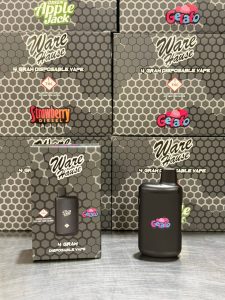
4G Capacity
The 4G designation refers to the stated product capacity. Compared with smaller disposable formats, this capacity provides a larger amount of material within the device.
However, actual usage duration can vary considerably. Factors such as individual usage patterns, inhalation length, frequency, storage conditions, and device performance can all affect how long a disposable lasts.
Therefore, the capacity should be viewed as a product specification rather than a guaranteed number of sessions or days of use.
Integrated Construction
The Warehouse 4G Disposable uses an integrated design in which the primary components are housed inside one device. The battery powers the heating element, while the internal chamber contains the pre-filled material.
This construction reduces the number of separate pieces associated with traditional cartridge-based systems. Consequently, the overall setup remains relatively simple.
The disposable format also means that the device is intended to be replaced once its usable contents or battery capacity have been exhausted. Unlike reusable systems, it is not designed around repeated cartridge changes or long-term hardware maintenance.
Heating System
The internal heating system is responsible for converting the contents into an inhalable aerosol. When the device is activated, the heating element reaches its operating temperature and vaporization takes place.
Performance can depend on several factors, including battery condition, internal hardware, airflow, storage, and frequency of use. Because these factors differ between individual devices and users, the experience may not remain identical throughout the entire lifespan of a disposable.
A properly manufactured device should have its operating specifications established by the manufacturer. Product packaging and official documentation therefore remain the most appropriate sources for exact technical information.
Flavor and Aroma Considerations
Flavor and aroma characteristics depend on the specific formulation used inside a particular Warehouse 4G Disposable. Different versions may contain different profiles, ingredients, or formulations.
For that reason, descriptions of individual flavors should correspond with the information supplied for the exact product variant. Generic flavor claims should not be treated as specifications for every version.
Additionally, aroma perception can vary from person to person. Personal sensitivity, environmental conditions, and storage can influence how noticeable particular characteristics appear.
User Experience
The disposable format places simplicity at the center of the product experience. There is no separate cartridge body to attach, and the device arrives as a single integrated unit.
This straightforward structure can make the product visually less complicated than multi-component systems. At the same time, the larger stated capacity distinguishes the 4G format from smaller disposable options.
Usage characteristics can still vary. Battery performance, airflow, heating consistency, and individual patterns of use may influence the experience over time. Therefore, product specifications should be considered alongside the manufacturer's instructions and labeling.
Build and Handling
The physical construction of a disposable plays an important role in everyday handling. A compact body can make the device relatively easy to hold and store, while an integrated design keeps the exterior uncluttered.
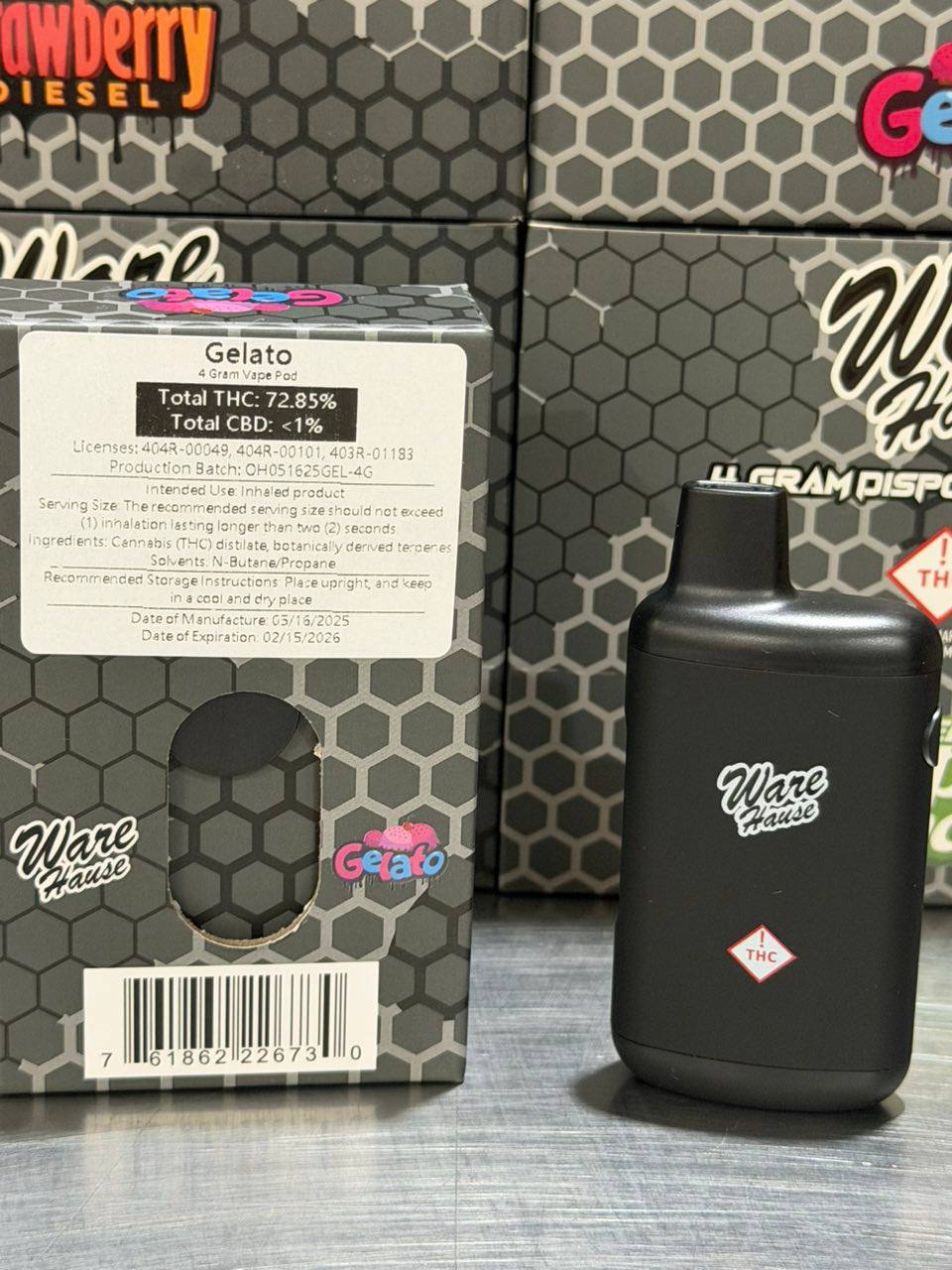
Packaging also contributes to product presentation. Labels generally identify the product name, variant, stated capacity, and other information required by applicable regulations.
Because packaging requirements vary by market, the information printed on an individual package may differ depending on where the product is sold. Consequently, the package associated with the specific unit remains the most reliable source for identification details.
Packaging Information
Product packaging can provide useful information about the particular Warehouse 4G Disposable being purchased. Depending on the market and manufacturer, this information may include ingredients, batch details, warnings, capacity, manufacturing information, and compliance information.
Authenticity information may also be included where applicable. Such details can help distinguish an officially manufactured product from an unidentified or improperly labeled item.
The exact packaging design should not be assumed across every version. Manufacturers can update artwork, labels, colors, and other visual elements over time. Therefore, differences between packages do not necessarily indicate differences in the underlying product.
Storage Considerations
Storage conditions can influence the condition of many disposable vaping products. Excessive heat, direct sunlight, moisture, and extreme temperatures can affect batteries, packaging, and internal materials.
A cool, dry storage environment is generally preferable for preserving packaged products. In addition, keeping the device in its original packaging can help protect it from unnecessary environmental exposure.
The manufacturer's storage recommendations should take priority whenever specific instructions are provided.
Battery Design
The integrated battery supplies power to the heating system. Because it is built into the disposable unit, there is no separate battery component intended for routine replacement.
Battery performance can change depending on storage conditions, age, and usage patterns. As a result, the amount of usable power available from one device may differ from another.
The device should also be handled according to the safety information provided by the manufacturer. Physical damage, unusual heat, leakage, or other abnormal conditions warrant appropriate caution.
Disposable Format
The disposable format distinguishes this device from reusable vaping hardware. A reusable system typically involves separate components that can be cleaned, charged, or replaced. By contrast, a disposable combines its primary components into one unit.
This approach creates a simpler product structure. However, it also means that the device is not designed to provide the same long-term hardware reuse associated with refillable systems.
Once the product reaches the end of its intended service life, appropriate disposal becomes important. Local regulations should be followed because electronic devices and batteries may require specific disposal methods.
Product Consistency
Manufacturing consistency is important for any pre-filled vaping device. Factors such as filling accuracy, heating components, battery quality, airflow, and sealing can influence individual units.
Nevertheless, no product should be assumed to perform identically in every circumstance. Manufacturing batches can differ, and individual devices can experience variations.
For this reason, product claims should remain connected to verifiable manufacturer information rather than assumptions based solely on the product name or capacity.
Quality and Identification
Identifying the exact product version is useful when checking specifications. The name, capacity, flavor or formulation, batch information, and packaging details can all help establish which version is being considered.
Furthermore, official labeling provides a more dependable reference than third-party descriptions that may contain outdated information.
Consumers should pay attention to applicable age restrictions, product warnings, and local regulations. Requirements can vary significantly between jurisdictions.
Appearance
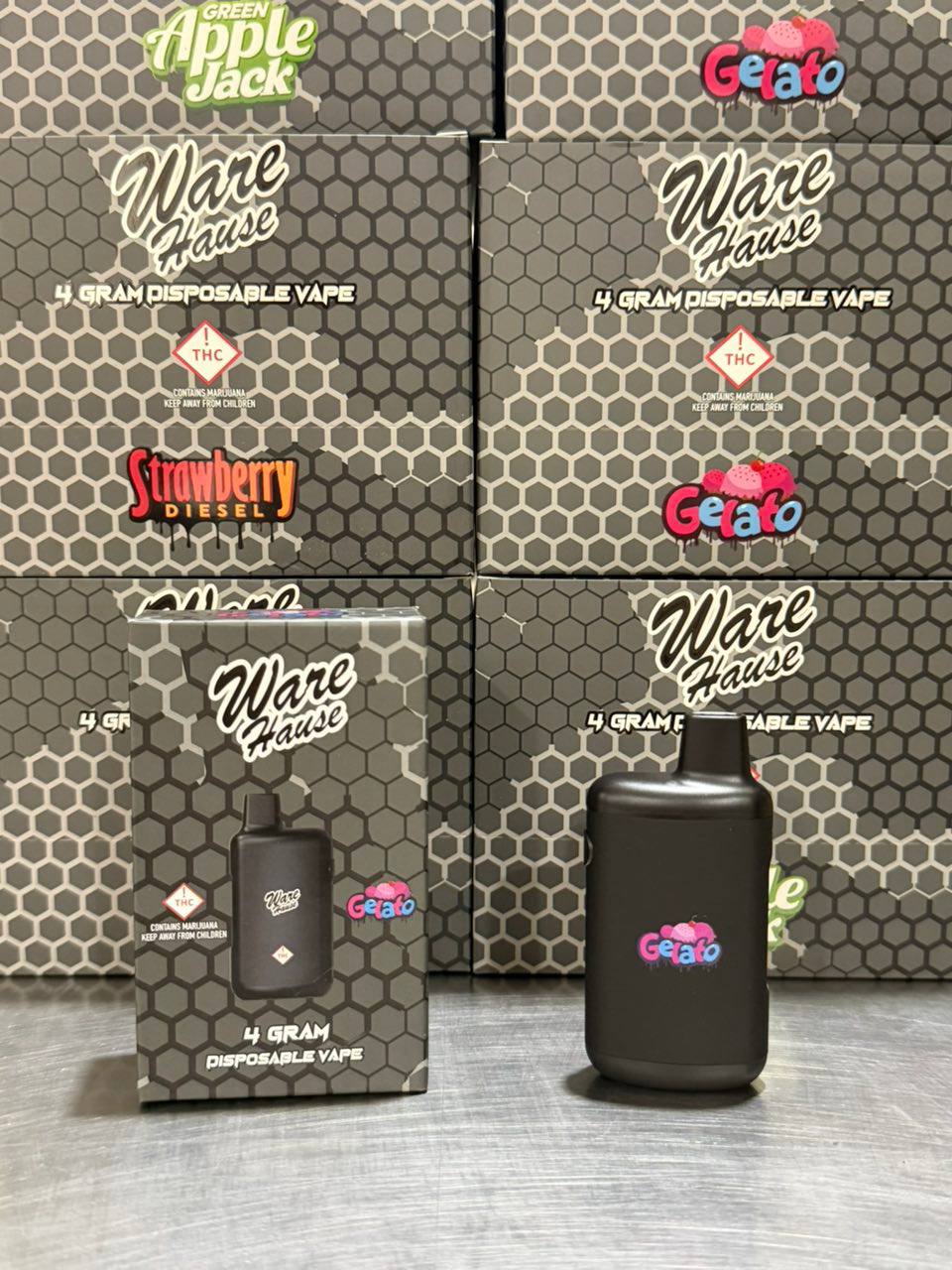
The appearance of the Warehouse 4G Disposable can vary by product edition. Manufacturers may use different colors, graphics, labels, and packaging depending on the specific release.
The body generally follows the compact proportions associated with disposable vaping devices. Its integrated structure keeps the exterior relatively simple while accommodating the internal battery and heating components.
Visual design, however, should not be interpreted as evidence of performance or formulation. Those characteristics should instead be confirmed through the product's labeling and official documentation.
Capacity Compared With Smaller Formats
The 4G capacity represents a larger format than many commonly available disposable products. This difference may appeal to consumers comparing devices according to stated capacity.
However, capacity alone does not determine the exact lifespan of a device. Individual usage patterns have a direct effect on consumption, while hardware characteristics can also influence performance.
Therefore, comparisons based only on the number printed in the product name may provide an incomplete picture. Capacity is best understood as one specification among several.
Responsible Product Information
Clear product information is particularly important for age-restricted products. Details concerning ingredients, warnings, legal restrictions, and manufacturer information should remain visible and accurate.
Likewise, descriptions should avoid unsupported claims about health effects, therapeutic benefits, or guaranteed experiences. Product specifications provide a more reliable basis for understanding what a device contains and how it is constructed.
The Warehouse 4G Disposable can therefore be described primarily through its physical format, stated capacity, integrated hardware, packaging, and manufacturer-provided specifications.
The Warehouse 4G Disposable combines a larger stated capacity with an integrated disposable structure. Its compact body contains the primary components needed for operation, including the battery, heating system, and pre-filled chamber.
The design emphasizes simplicity rather than a multi-part setup. At the same time, the 4G format provides a larger stated capacity than many smaller disposable options.
Actual performance and longevity can vary depending on the individual device and usage conditions. For that reason, manufacturer specifications and product labeling remain important when evaluating a particular version.
Overall, the product can be understood as a capacity-focused disposable device built around an all-in-one format. Its characteristics are defined primarily by its 4G stated capacity, integrated construction, portable form, and disposable design.
Design Details and Everyday Convenience
The overall design of the Warehouse 4G Disposable focuses on keeping the essential components together in one compact body. This integrated approach creates a straightforward product profile without the extra hardware associated with many reusable systems.
Because the battery, heating mechanism, and internal chamber are contained within the same device, the exterior remains relatively uncomplicated. In addition, the absence of separate cartridges contributes to a simple physical layout.
The compact construction also supports convenient storage. A smaller device can fit into a variety of everyday storage spaces, although appropriate storage conditions remain important for preserving the product.
Airflow and Vapor Production
Airflow plays an important role in the overall operation of a disposable vaping device. The internal airflow pathway works alongside the heating element to create the intended inhalation experience.
Variations in airflow can influence how a device feels during use. Likewise, battery output and heating consistency can affect vapor production throughout the product's usable lifespan.
Not every device will perform identically. Manufacturing tolerances, storage conditions, and individual usage patterns can all contribute to differences between units.
For that reason, airflow and vapor characteristics are best considered general aspects of the device rather than guaranteed performance measurements.
Internal Components
Several primary components work together inside the device. The battery provides electrical power, while the heating element converts that energy into heat. Meanwhile, the internal chamber holds the pre-filled material.
These components are enclosed within the exterior housing. As a result, users do not need to interact directly with the internal hardware during normal operation.
The integrated structure also reduces the number of loose components that can become separated or misplaced. However, the device is still an electronic product and should be handled carefully.
Capacity and Longevity
The stated 4G capacity is one of the defining specifications of this product format. A larger capacity can provide more material than smaller versions, although the actual period of use depends heavily on individual consumption patterns.
Someone using a device frequently may reach the end of its usable contents sooner than someone using it less often. Similarly, longer inhalations generally consume more material than shorter ones.
Battery performance can also influence longevity. Therefore, the stated capacity should not be interpreted as a fixed number of sessions or a guaranteed duration.
Product Variations
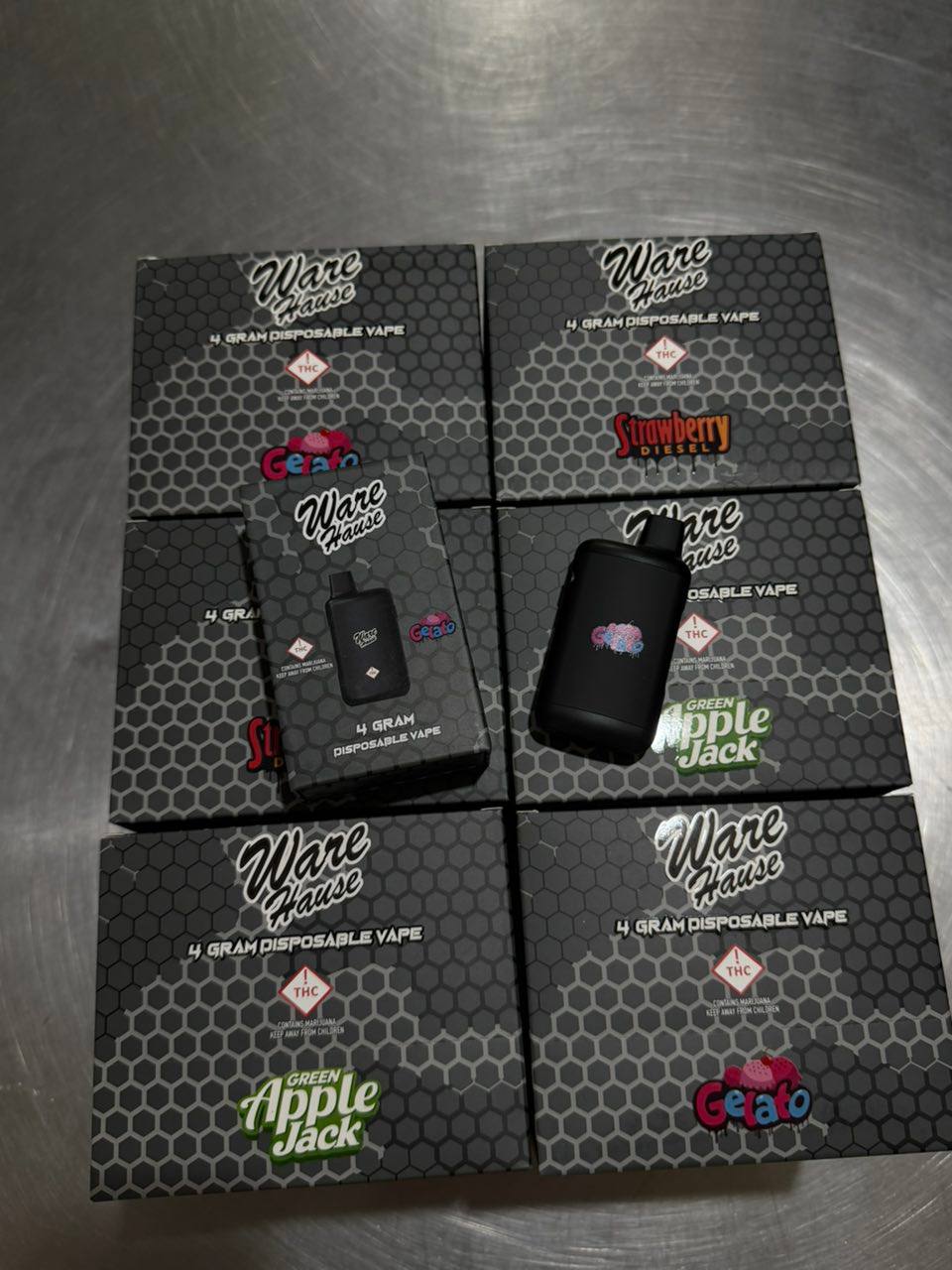
Different versions may be released under the same general product family. Variations can involve flavor profiles, packaging designs, formulations, colors, or other product identifiers.
Because of this, details should always correspond to the exact version being described. A characteristic associated with one edition should not automatically be attributed to another.
Packaging provides an important reference point when identifying a specific variation. Batch information and other labeling details may also help establish the product's origin and specifications.
Visual Presentation
The visual presentation of a disposable contributes to its overall product identity. Packaging may feature distinctive graphics, typography, colors, and product information designed to identify the particular edition.
Meanwhile, the device itself generally maintains a compact appearance. The exterior can vary according to the product version, so visual details should be confirmed from the actual packaging.
Aesthetic elements do not necessarily indicate differences in technical performance. Instead, they primarily help distinguish one version from another.
Materials and Construction
The exterior housing protects the internal electronic and vaporization components. Its construction is intended to keep the device together during ordinary handling and storage.
Inside, the battery and heating components are positioned to work as an integrated system. The internal chamber is likewise enclosed within the body.
As with other electronic products, physical damage can affect operation. Cracks, punctures, leakage, unusual heating, or other visible problems should therefore be treated seriously.
Ease of Use
One reason disposable devices are widely recognized is their relatively simple format. The integrated design eliminates many of the separate steps associated with refillable systems.
There is no need for a separate cartridge body or an external battery in the standard disposable configuration. Instead, the major operating components are already contained within the device.
This simplicity does not remove the importance of reading product information. Warnings, age restrictions, storage guidance, and manufacturer instructions remain relevant.
Packaging and Product Protection
Packaging serves more than a visual purpose. It also helps protect the product before it reaches the consumer.
Sealed packaging can reduce exposure to environmental conditions during transportation and storage. Furthermore, printed information can provide important details about the specific unit.
Packaging may include manufacturer information, product specifications, warnings, batch identifiers, and other regulatory details. The exact information varies according to the market and product edition.
Authenticity Considerations
Product identification is especially important when multiple versions or imitations appear in circulation. Official packaging, manufacturer information, batch details, and other identifying features can help establish whether a particular unit corresponds to the expected product.
However, visual inspection alone may not always provide a definitive answer. Where an official verification system exists, that system provides a more appropriate reference.
Consumers should also be cautious when product information appears incomplete, inconsistent, or unusually different from established labeling.
Storage and Environmental Conditions
Environmental conditions can affect electronic disposable products. High temperatures may place additional stress on batteries, while excessive moisture can create problems for electronic components and packaging.
Direct sunlight can also increase temperatures inside packaging. Therefore, a stable and dry environment is generally more suitable for storage.
Products should remain away from sources of excessive heat and physical damage. In addition, the manufacturer's storage recommendations should be followed whenever they are available.
End-of-Life Considerations
A disposable device eventually reaches the end of its intended service life. This can happen when the internal material has been depleted, when the battery no longer provides sufficient power, or when the device develops a fault.
Because the product contains electronic components and a battery, ordinary household disposal may not always be appropriate. Local waste-management requirements should be checked for the correct disposal process.
Electronic waste programs can provide suitable collection options in areas where such services are available.
Safety Information
The Warehouse 4G Disposable is an electronic product containing a battery and heating components. Consequently, basic product safety information remains important.
The device should not be intentionally damaged, opened, punctured, or modified. Likewise, signs of leakage, swelling, severe overheating, or physical damage should not be ignored.
Age restrictions and other legal requirements also vary by location. Product use should remain consistent with applicable local laws and the information supplied by the manufacturer.
Product Information Versus Marketing Claims
A clear product description benefits from separating specifications from promotional language. Capacity, construction, battery configuration, packaging information, and stated formulation are measurable or identifiable characteristics.
By contrast, broad claims about guaranteed experiences, effects, or performance may not apply equally to every user or device.
Therefore, a factual product profile provides a more dependable overview. It allows readers to understand the physical characteristics without relying on exaggerated claims.
Why Capacity Matters
Capacity is an important consideration when comparing disposable formats. The 4G designation indicates a larger stated quantity than many lower-capacity alternatives.
Nevertheless, capacity does not tell the entire story. Hardware efficiency, usage frequency, inhalation duration, storage conditions, and battery performance can all influence the practical lifespan.
Consequently, a capacity comparison works best when combined with other product specifications.
Product Experience Over Time
The experience provided by a disposable can change as the device approaches the end of its usable lifespan. Battery output may decline, airflow characteristics can change, and the available material gradually decreases.
These changes are not necessarily identical across all units. Manufacturing differences and individual usage patterns can influence how quickly they appear.
As a result, the product should be viewed as a complete system rather than judged by capacity alone.
A Simple Product Profile
The Warehouse 4G Disposable can be summarized through several core characteristics:
- Integrated disposable construction
- Stated 4G capacity
- Built-in battery
- Internal heating system
- Pre-filled format
- Compact exterior
- Single-device configuration
- Product-specific packaging
- Manufacturer and batch identification
- End-of-life electronic waste considerations
Together, these characteristics create a product format centered on portability and integrated construction.

Final Overview
The Warehouse 4G Disposable represents a larger-capacity approach to the disposable device category. Its 4G specification, integrated battery, internal heating system, and pre-filled structure are combined into one compact product.
Its simple construction distinguishes it from reusable systems that require separate cartridges, batteries, or other components. At the same time, the larger stated capacity does not guarantee a specific duration because individual usage patterns and device conditions can vary.
Packaging remains an important source of product information. Details such as formulation, batch identification, warnings, manufacturer information, and capacity should be checked against the specific unit rather than assumed from a general product name.
Ultimately, the most useful way to evaluate the product is through its verified specifications and physical characteristics. The combination of capacity, integrated construction, portable design, and disposable format provides a clear picture of what the product is designed to offer without relying on unsupported performance claims.

Reviews
There are no reviews yet.