Description
Bakery Box Premium Badder: Product Overview
Introduction
Bakery Box Premium Badder is a cannabis concentrate presented in a soft, malleable badder-style texture. Concentrates in this category are generally known for their thick consistency, concentrated cannabinoid content, and terpene-focused profiles. The product name suggests a presentation centered around bakery-inspired characteristics, although the exact flavor, aroma, cannabinoid percentage, ingredients, and formulation depend on the specific batch and manufacturer information. Unlike dried cannabis flower, a concentrate is produced by extracting compounds from cannabis plant material and concentrating them into a more compact form. As a result, the composition can differ considerably from traditional flower. The final texture may also vary according to extraction methods, processing conditions, storage, and temperature. For that reason, product information should be based on the packaging and applicable laboratory results rather than assumptions based solely on the product name.Texture and Appearance
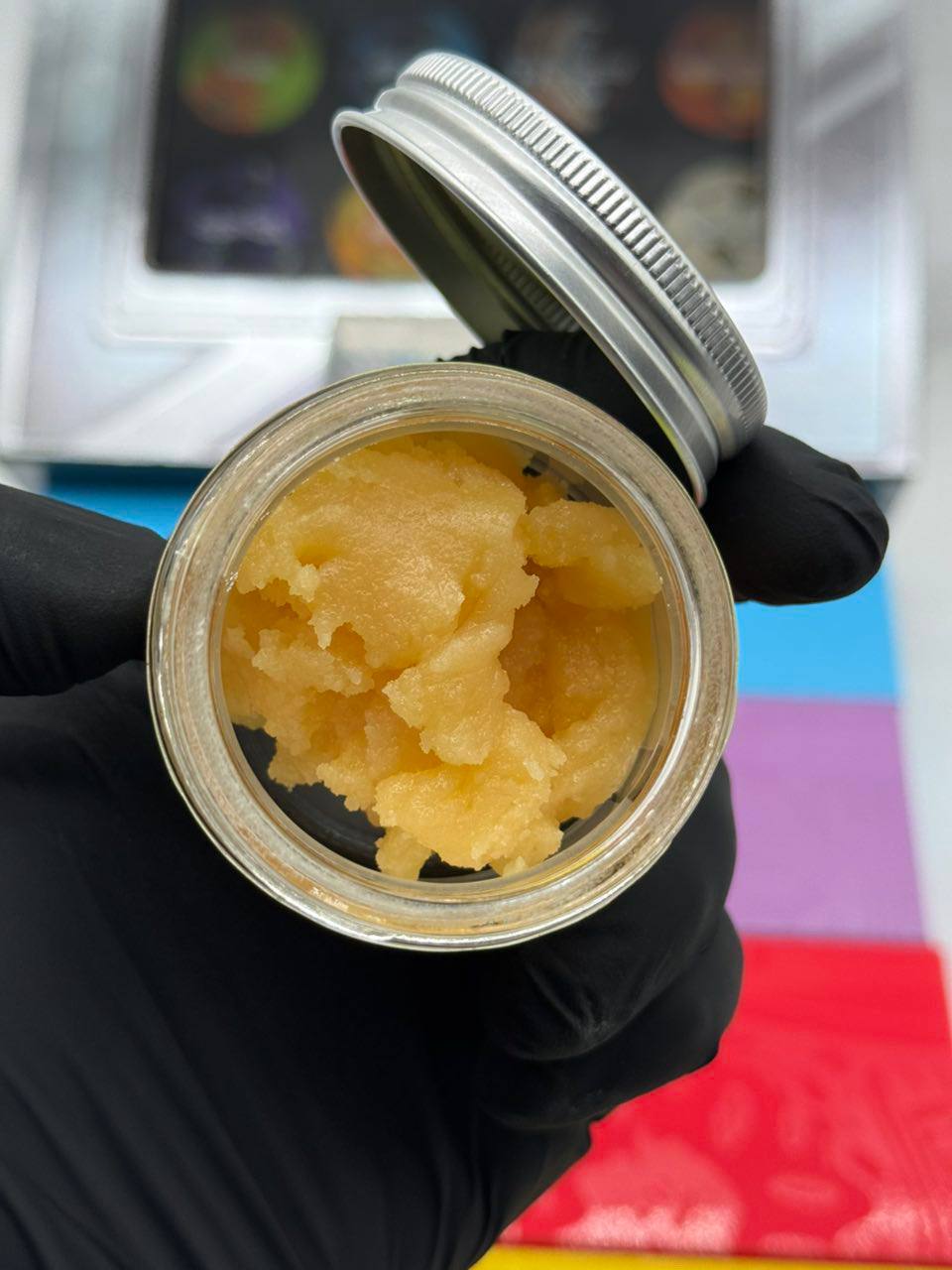
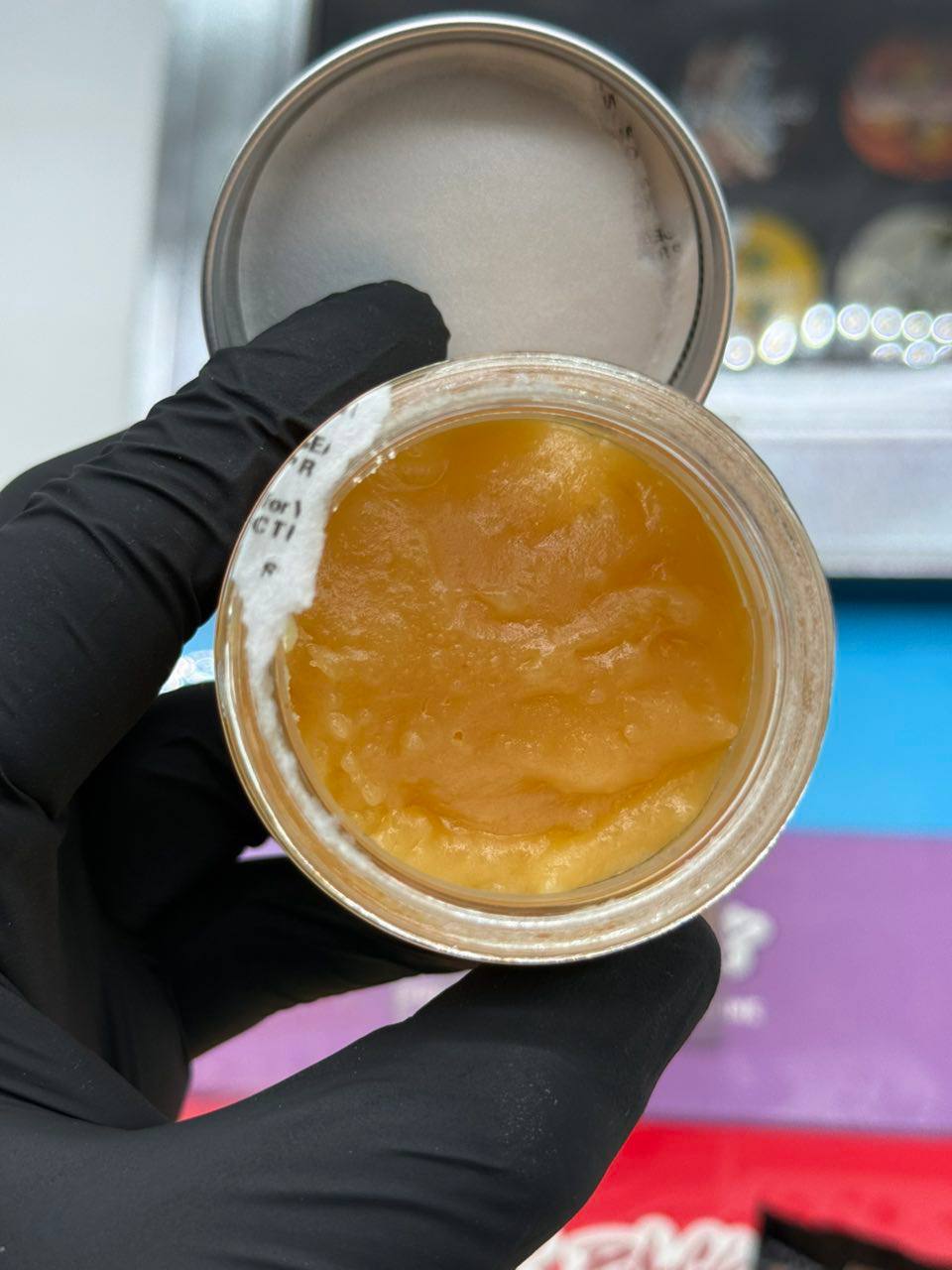
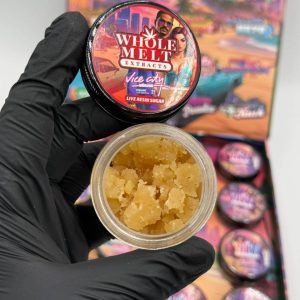
Badder is generally identified by its soft, whipped, or creamy consistency. Compared with harder concentrates, it can have a more pliable appearance that changes with temperature and handling. Bakery Box Premium Badder may display a dense yet workable texture, although the exact appearance can differ between batches. Some concentrates appear lighter in color, while others may have deeper golden, amber, or brown tones. Natural variation can occur because cannabis extracts contain different combinations of cannabinoids, terpenes, pigments, and other plant compounds. Temperature also plays an important role. A concentrate may become firmer when kept in a cooler environment and softer when exposed to warmer conditions. Therefore, visual texture alone does not establish potency, freshness, purity, or quality.Cannabinoid Profile
Cannabinoids are naturally occurring compounds found in cannabis. THC and CBD are among the best-known examples, although cannabis extracts can contain a wider range of cannabinoids depending on the source material and extraction process. The cannabinoid profile of a particular Bakery Box Premium Badder product should be determined from its laboratory report or package label. Potency can vary between products and production batches, so a general percentage should not be assumed from the product name. Laboratory testing may provide information about total THC, THCA, CBD, CBDA, and other cannabinoids. It can also provide information about contaminants and manufacturing-related factors where applicable. Because concentrates can contain substantially more cannabinoids by weight than flower, the difference between product categories can be significant. Accurate labeling therefore becomes especially important when evaluating a concentrate.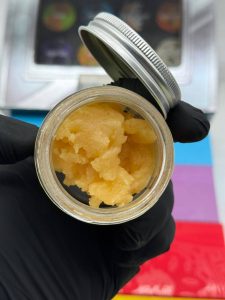
Terpene Characteristics
Terpenes are aromatic compounds found naturally in cannabis and many other plants. They contribute to the scent and flavor characteristics associated with different cannabis varieties. A bakery-themed product name may indicate an intended aromatic direction, but the name itself does not confirm a particular terpene composition. Actual terpene information should come from the product label or laboratory documentation. Common cannabis terpenes include myrcene, limonene, caryophyllene, pinene, and linalool. Each has its own chemical characteristics, and concentrations can differ significantly from one batch to another. Consequently, two concentrates carrying similar product names may have noticeably different aromatic profiles. Cultivation conditions, genetics, extraction practices, storage, and processing can all contribute to those differences.Extraction and Processing
Cannabis concentrates are created through extraction and processing techniques that separate desirable compounds from plant material. The exact process depends on the manufacturer and product formulation. Badder-style concentrates receive additional attention during processing because their characteristic consistency is part of their presentation. The finished material can be influenced by temperature, agitation, moisture, cannabinoid concentration, terpene content, and post-extraction handling. However, the appearance of a concentrate cannot independently establish which extraction method was used. Specific manufacturing claims should therefore be supported by information supplied by the producer. Batch information can provide useful context when available. A lot number, production date, laboratory report, and ingredient or cannabinoid information can make it easier to understand the particular product being evaluated.Product Consistency
Consistency is one of the most noticeable characteristics of badder-style concentrates. The material is typically softer than solid concentrates and may have a creamy or whipped appearance. Changes in temperature can affect that consistency. Cooler conditions may cause the concentrate to become firmer, while warmer conditions may make it softer. Repeated temperature changes can also influence the appearance and texture over time. For that reason, differences in consistency do not necessarily indicate that two products are made differently. Storage history and environmental conditions can contribute to noticeable changes. A product description is most accurate when texture is treated as a physical characteristic rather than as proof of potency, freshness, or effectiveness.Packaging and Label Information
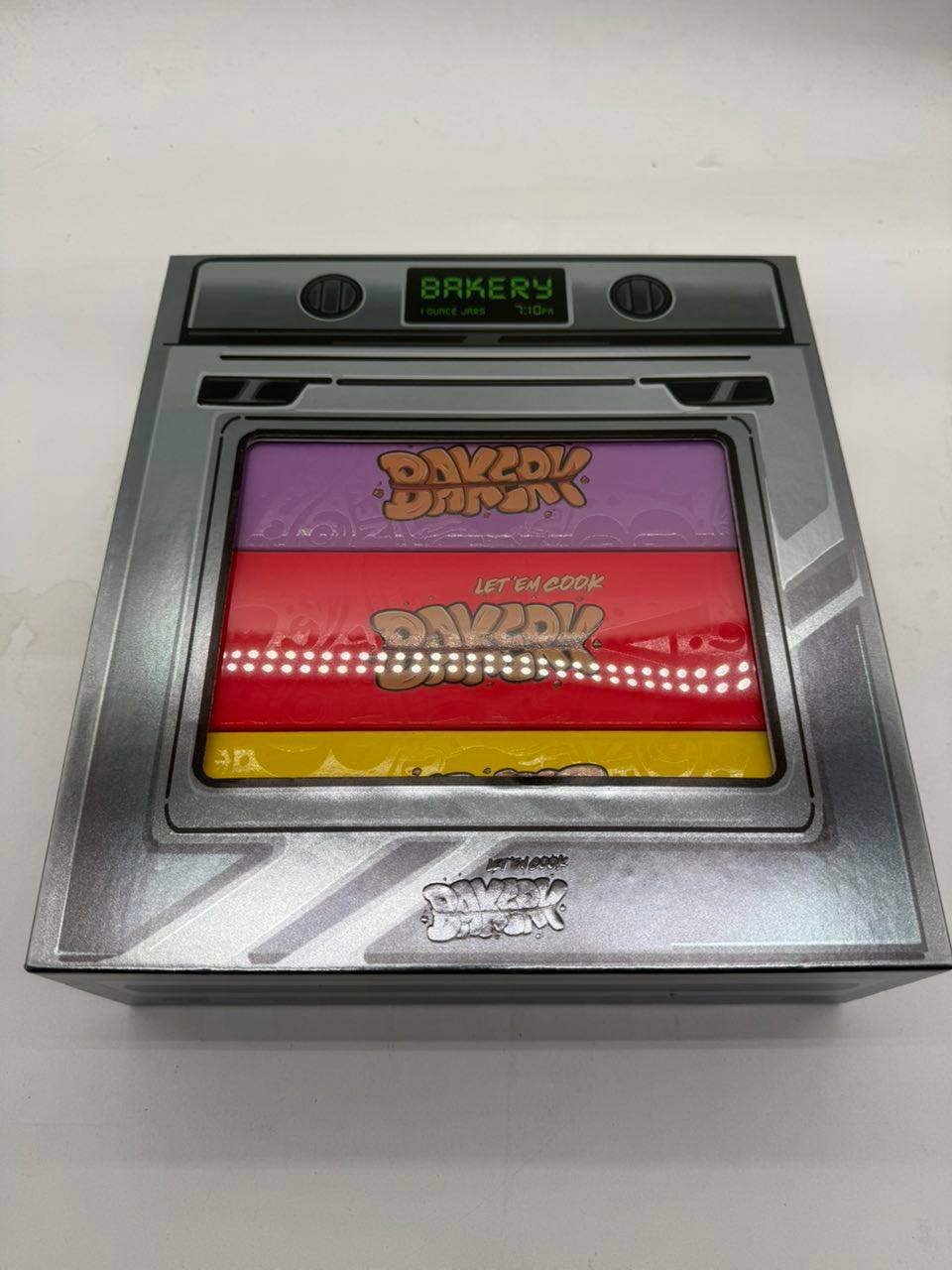
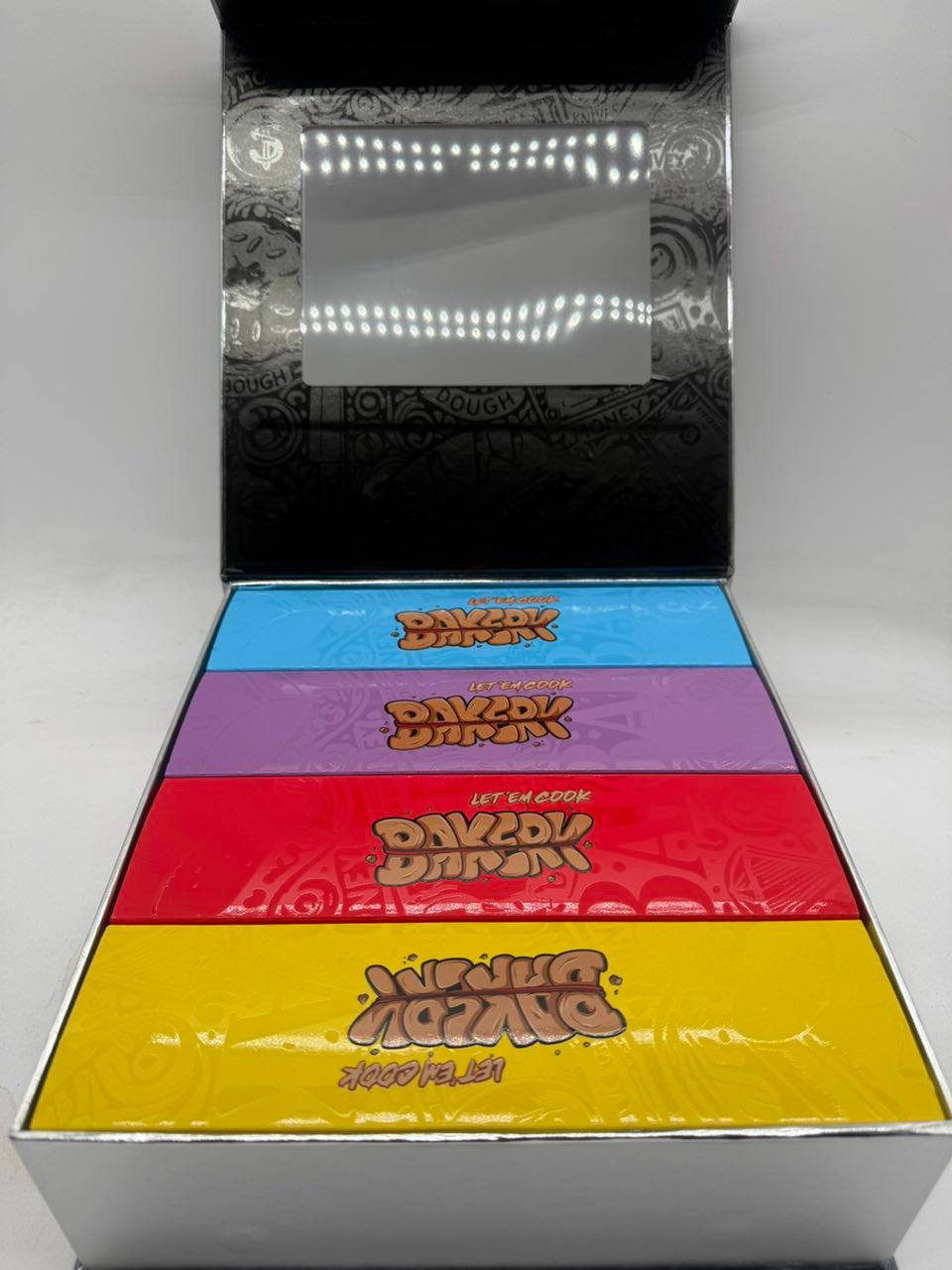
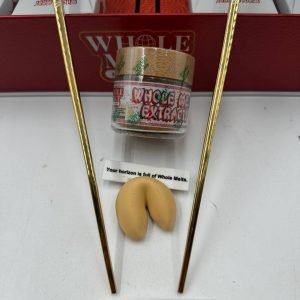
Packaging provides important information about a cannabis concentrate. Depending on the applicable regulations, a package may include the product name, batch or lot number, cannabinoid content, net weight, manufacturer information, testing information, and required warnings. The label can also help distinguish one production batch from another. This matters because cannabinoid and terpene profiles may change between batches. Laboratory results are particularly useful when available. They may provide a more detailed picture of the product's chemical composition than a short product title can provide. For Bakery Box Premium Badder, the package and accompanying laboratory documentation remain the most reliable sources for exact specifications.Batch Variation
Cannabis products can experience natural variation between batches. Differences may occur in cannabinoid percentages, terpene concentrations, color, aroma, and texture. Even when the same product name is used, the underlying plant material or production batch may differ. Therefore, a description that refers to general characteristics should not be interpreted as a guarantee that every container will look or smell identical. This is especially relevant for concentrate products because small changes in processing conditions can influence the finished texture and appearance. A batch-specific laboratory report provides a clearer reference point than generalized product information.Aroma and Flavor Profile
The aroma and flavor of a cannabis concentrate are influenced primarily by its terpene composition and other volatile compounds. Bakery-inspired naming may be associated with sweet, creamy, dessert-like, or pastry-style descriptions, but those characteristics should only be attributed to a specific product when supported by manufacturer information or sensory testing. Terpenes can produce citrus, floral, earthy, pine-like, herbal, spicy, or sweet aromatic impressions. A concentrate containing several dominant terpenes may therefore have a layered profile rather than a single identifiable scent. Storage conditions can influence aromatic intensity as well. Exposure to heat, air, and light may gradually alter volatile compounds. As a result, the aroma experienced from a particular container can differ from descriptions associated with another batch.Concentrate Versus Flower
One of the primary differences between concentrates and flower is their physical form and cannabinoid concentration. Flower consists of dried cannabis plant material containing cannabinoids, terpenes, and other naturally occurring compounds. A concentrate, by comparison, contains extracted cannabis compounds in a more concentrated form. Because of this difference, concentrates should not be evaluated using the same assumptions applied to flower. Potency, serving considerations, physical characteristics, and product handling can all differ. The exact cannabinoid concentration of Bakery Box Premium Badder should therefore be determined from its current package label or laboratory report.Quality Information
Quality assessment involves more than appearance. A complete evaluation may consider laboratory testing, packaging integrity, labeling accuracy, cannabinoid content, terpene information, and manufacturing documentation. A clean-looking concentrate does not automatically establish its chemical composition. Likewise, color or consistency alone cannot confirm potency. Independent laboratory testing can provide useful information about cannabinoid levels and, depending on the jurisdiction and testing panel, contaminants or other quality indicators. For that reason, laboratory documentation remains an important part of understanding a concentrate product.Storage Considerations
Cannabis concentrates can be affected by environmental conditions. Heat, light, air exposure, and repeated temperature changes may influence texture and aromatic compounds. Appropriate storage conditions depend on the manufacturer's instructions and applicable regulations. The original packaging can provide the most relevant information for a specific product. A container that remains properly sealed can help limit unnecessary exposure to environmental factors. Packaging should also remain intact and clearly labeled so that the product can be identified throughout its storage period.Safety and Responsible Use
Cannabis concentrates can contain high levels of cannabinoids, particularly THC. Their effects can therefore differ substantially from those associated with lower-potency cannabis products. Individual responses can vary based on factors such as tolerance, personal sensitivity, cannabinoid concentration, and other circumstances. The safest product information relies on the labeled potency rather than assumptions based on appearance or brand naming. Cannabis products should be handled according to applicable local laws and the manufacturer's labeling. They should also be kept away from children and animals. Driving or operating machinery after using intoxicating cannabis products can create significant safety risks. Applicable laws and health guidance should always be considered.Legal and Regulatory Considerations
Cannabis regulations differ considerably between countries, states, provinces, and other jurisdictions. Requirements can cover manufacturing, testing, packaging, labeling, possession, distribution, and minimum age. A product description should therefore avoid making broad legal claims that may not apply everywhere. The regulatory status of Bakery Box Premium Badder depends on the jurisdiction in which the product is manufactured, distributed, possessed, or sold. Official regulatory sources and product labeling provide the most appropriate references for jurisdiction-specific requirements.Laboratory Testing
Laboratory testing can provide information that cannot be determined through appearance alone. Depending on the testing program, a report may identify cannabinoid concentrations, terpene levels, residual solvents, pesticides, heavy metals, microbial contamination, and other parameters. The exact testing panel varies according to jurisdiction and laboratory. For consumers and retailers evaluating a cannabis concentrate, batch-specific laboratory documentation can therefore be more informative than generalized marketing language.Overall Product Description
Bakery Box Premium Badder is a concentrate presented in a soft badder-style format, with its exact cannabinoid and terpene profile determined by the individual production batch. Its physical characteristics may include a creamy or malleable consistency, while color and aroma can vary according to the source material and processing conditions. The bakery-inspired product name may suggest a dessert-oriented identity, although specific flavor or aroma characteristics should be confirmed through the manufacturer's information rather than assumed. As with other cannabis concentrates, laboratory results and package labeling provide the clearest information about potency, composition, and batch-specific characteristics. Bakery Box Premium Badder represents a concentrate format distinguished primarily by its soft badder-style consistency and concentrated cannabis composition. Its appearance, aroma, cannabinoid profile, and texture can vary depending on genetics, extraction, processing, storage, and batch conditions. The most reliable product information comes from the packaging, laboratory documentation, and manufacturer-provided specifications. Those sources can clarify the exact cannabinoid percentages, terpene composition, net weight, batch details, and applicable safety information. Because concentrate products can differ significantly from cannabis flower in potency and physical form, accurate product labeling remains particularly important. A clear understanding of the batch-specific information allows the product to be described more accurately without relying on unsupported claims. Overall, Bakery Box Premium Badder can be characterized as a badder-style cannabis concentrate whose specific properties depend on the formulation and production batch. Its product identity is best understood through verified laboratory information, packaging details, and manufacturer documentation rather than assumptions based solely on its name or appearance.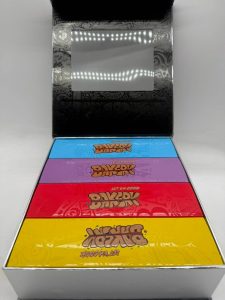
Bakery Box Premium Badder Product Information
Understanding the Badder Format
The term “badder” refers primarily to the physical form of a cannabis concentrate. Unlike a rigid extract, badder generally has a softer consistency that can resemble whipped material, thick cream, or a dense paste. This texture develops through processing and handling rather than from a single ingredient. Because the physical structure is influenced by temperature and processing conditions, the same concentrate may look slightly different at different times. A container that appears firm in a cool environment can become softer in a warmer setting. Likewise, movement during transportation may alter the way the material sits inside its container. These changes are not necessarily signs of a different formulation. Instead, they can reflect the physical nature of concentrated cannabis extracts.Visual Characteristics
Appearance can provide general information about a concentrate, although it should not be treated as a laboratory test. Badder-style extracts commonly display a smooth, dense, or creamy appearance. Depending on the starting material and production process, colors may range from pale gold to deeper amber shades. Some batches can appear more uniform, while others may show subtle variations in texture or color. Natural cannabis compounds contribute to these differences, and processing can further influence the finished appearance. Therefore, visual consistency should be considered alongside batch information rather than evaluated independently. A product with a slightly different shade from another container does not automatically indicate a difference in quality. Production batches can naturally vary, especially when botanical ingredients are involved.Cannabinoid Concentration
Cannabinoid concentration is one of the most important specifications associated with cannabis concentrates. Since extraction reduces the amount of non-active plant material relative to cannabinoids, concentrates can contain considerably higher cannabinoid percentages than traditional flower. The actual concentration associated with Bakery Box Premium Badder depends on the specific batch. THC, THCA, CBD, and other cannabinoids may be listed separately or combined according to the testing standards used in the relevant market. For accuracy, the laboratory report should be considered the primary reference. Cannabinoid percentages can also be presented differently depending on local labeling requirements. Some labels emphasize total THC, while others provide separate values for THC and THCA. Consequently, comparing two products requires attention to the way their laboratory results are reported.The Role of THCA
THCA is a naturally occurring cannabinoid acid found in raw cannabis. It differs chemically from THC and is commonly present in cannabis flower and extracts before exposure to sufficient heat. Laboratory reports may list THCA separately from THC. This distinction is important because the two compounds are not identical in their raw chemical forms. When cannabis material undergoes heating, chemical conversion can occur. The precise relationship between THCA and THC is therefore relevant when interpreting laboratory information. A product label or certificate of analysis can provide the clearest explanation of the cannabinoid composition for a specific batch.Terpenes and Product Identity
Terpenes contribute significantly to the sensory identity of cannabis products. They occur naturally in cannabis and can also be found in fruits, herbs, flowers, and other plants. Different terpene combinations can create different aromatic impressions. For example, limonene is commonly associated with citrus-like aromas, while pinene can contribute pine-like characteristics. Caryophyllene is often associated with spicy or peppery notes, and linalool can contribute floral impressions. However, the presence and concentration of these compounds vary from product to product. For Bakery Box Premium Badder, the actual terpene profile should be confirmed through batch-specific information. A product name alone cannot establish the precise chemical composition.Bakery-Inspired Naming
The bakery theme associated with the product name creates an identity that may be connected with dessert-style imagery. Such naming is common in cannabis product branding, where names can reference pastries, sweets, fruit, beverages, or other familiar sensory categories. Still, a product name should not be interpreted as a complete description of its chemical or sensory profile. A bakery-inspired name may communicate the intended character of a product, but the actual aroma and flavor depend on the compounds present in the extract. This distinction is useful when writing accurate product information. Descriptions can discuss the product's theme without presenting unverified flavor claims as established facts.Manufacturing Differences
Cannabis concentrates can be produced using different extraction and refinement processes. Each method can influence the resulting cannabinoid concentration, terpene preservation, consistency, color, and overall composition. Post-extraction handling also matters. Temperature, agitation, storage conditions, and exposure to air can influence the final physical characteristics. Because manufacturers may use different processes, two concentrates that share a similar product category can still have noticeably different characteristics. For this reason, specific claims about extraction techniques should be made only when they are supported by the producer or laboratory documentation.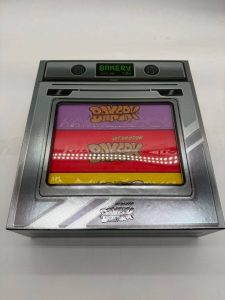
Batch Numbers and Traceability
Batch numbers are valuable for identifying a specific production run. They can connect a finished package with laboratory testing and manufacturing records. Traceability becomes especially useful when several versions of the same product exist. A package number can distinguish one batch from another even when the branding and product name remain unchanged. Information such as the batch number, production date, testing date, and laboratory identification may appear on the package or accompanying documentation. These details can help establish which laboratory results apply to a particular container.Packaging Integrity
The condition of packaging is another relevant aspect of product information. Properly labeled packaging helps preserve product identification and provides consumers with access to important information. A complete package may contain the product name, net quantity, cannabinoid information, batch details, manufacturer information, warnings, and regulatory symbols where required. Packaging can also reduce unnecessary environmental exposure. Depending on the design, it may help limit contact with light, air, or other external conditions. Any damaged, missing, or unclear labeling can make it more difficult to establish accurate product information. Therefore, packaging integrity remains an important part of product traceability.Net Weight
Net weight indicates the amount of concentrate contained within the package. This measurement should be distinguished from the total weight of the container and packaging materials. Concentrate products are commonly sold in relatively small quantities because of their concentrated nature. The exact quantity associated with Bakery Box Premium Badder should be taken directly from its current package label. Net weight is particularly important when comparing products because package size and cannabinoid concentration are separate measurements. A larger container does not necessarily indicate higher potency, just as a smaller container does not necessarily indicate lower cannabinoid concentration.Storage Stability
Storage conditions can influence the physical and aromatic characteristics of cannabis concentrates. Heat may soften the material, while colder temperatures can make it firmer. Light and oxygen can also affect certain cannabis compounds over time. For that reason, packaging and storage recommendations are important components of product information. The manufacturer's storage guidance should take priority because packaging materials and formulations can differ. Changes in texture should also be interpreted carefully. A softer or firmer appearance can result from environmental conditions rather than from a change in the underlying product.Product Freshness
Freshness in a concentrate is not determined solely by appearance. Production date, packaging date, storage history, and laboratory information can all provide useful context. Terpenes and other volatile compounds can gradually change when exposed to environmental conditions. As a result, an older product may have a different aromatic character from a freshly produced batch. However, visual appearance alone cannot establish the age or freshness of a concentrate. Batch and packaging information therefore provide a more dependable reference.Comparing Concentrate Categories
Cannabis concentrates exist in several physical forms, including badder, wax, shatter, crumble, sauce, resin, and other preparations. These categories can differ in texture, appearance, processing, and terpene retention. Badder is generally associated with a soft and pliable structure. Shatter is typically harder and more glass-like, while crumble tends to have a drier and more fragile texture. These descriptions refer primarily to physical characteristics. They do not automatically establish differences in potency or overall quality. A particular badder can contain more or less THC than a particular shatter, depending on the individual products and laboratory results.Why Laboratory Results Matter
Laboratory results offer information that cannot be reliably determined through visual inspection. A concentrate may look appealing or have a particular aroma, yet neither characteristic can establish its cannabinoid concentration. A certificate of analysis may include several categories of information. Depending on local regulations, these can include:- Cannabinoid percentages
- Terpene concentrations
- Residual solvent testing
- Pesticide screening
- Heavy metal screening
- Microbial testing
- Other contaminant information
Reviews
There are no reviews yet.