Description
Product Overview
The
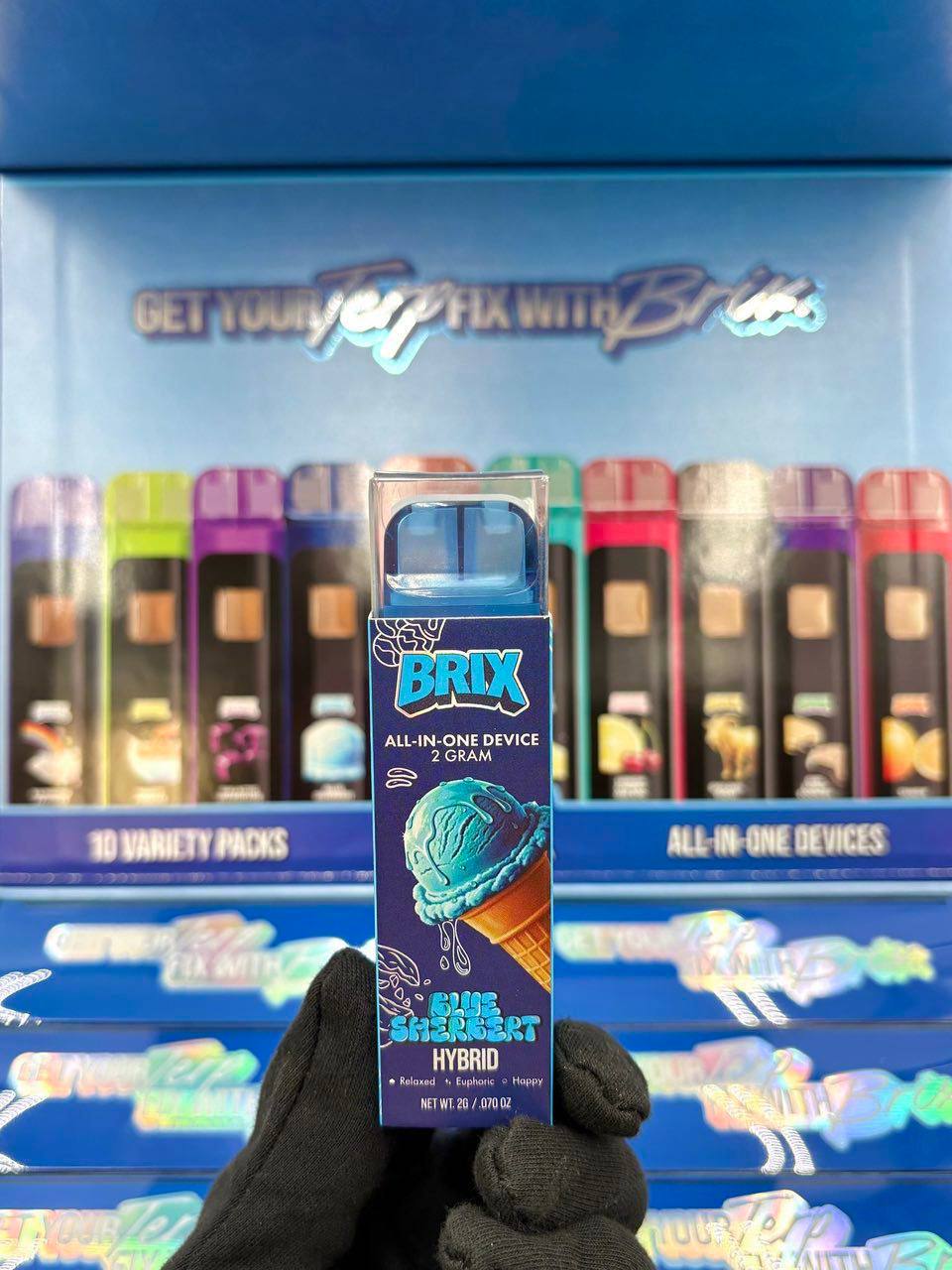
Brix 2G disposable is designed around a compact
, convenient format that brings a modern disposable experience into a simple
, self-contained device
. Its 2-gram capacity gives the product a larger format than many traditional single-gram disposables, while the streamlined design keeps the overall presentation familiar and easy to recognize.
The device combines portability with a straightforward appearance. Rather than relying on a complicated setup, the disposable format is built as a single unit, so there is no separate battery or cartridge included as part of the basic design. This makes the product visually clean and practical for people who prefer compact hardware.
At the same time, the Brix name gives the product its own identity within a crowded disposable market. Packaging, artwork, flavor labeling, and overall presentation can vary depending on the specific release or market version. Because of that, individual batches may have different visual details even when they belong to the same product family.
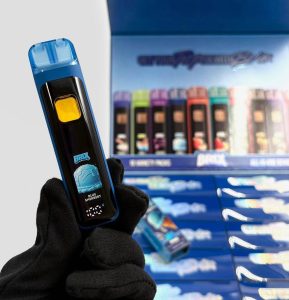
A Compact 2-Gram Format
One of the defining characteristics of this product is its stated 2-gram capacity. The larger capacity creates a different proposition compared with smaller disposable formats, particularly for consumers who are familiar with one-gram devices.
The compact construction keeps the hardware relatively simple despite the increased capacity. A disposable format also means that the battery and oil chamber are incorporated into the same device. Consequently, the product does not have the modular appearance associated with rechargeable batteries and separate cartridges.
The 2-gram format can also influence the overall proportions of the device. While exact dimensions depend on the production version, the design generally aims to balance capacity with portability. Therefore, the product maintains the recognizable shape associated with modern disposable hardware without becoming unnecessarily complicated.
Another important aspect is the relationship between capacity and packaging. A clearly labeled package can provide information about the stated quantity, product identity, batch details, and other relevant information. Those details are especially important because product specifications can differ between releases.
Design and Presentation
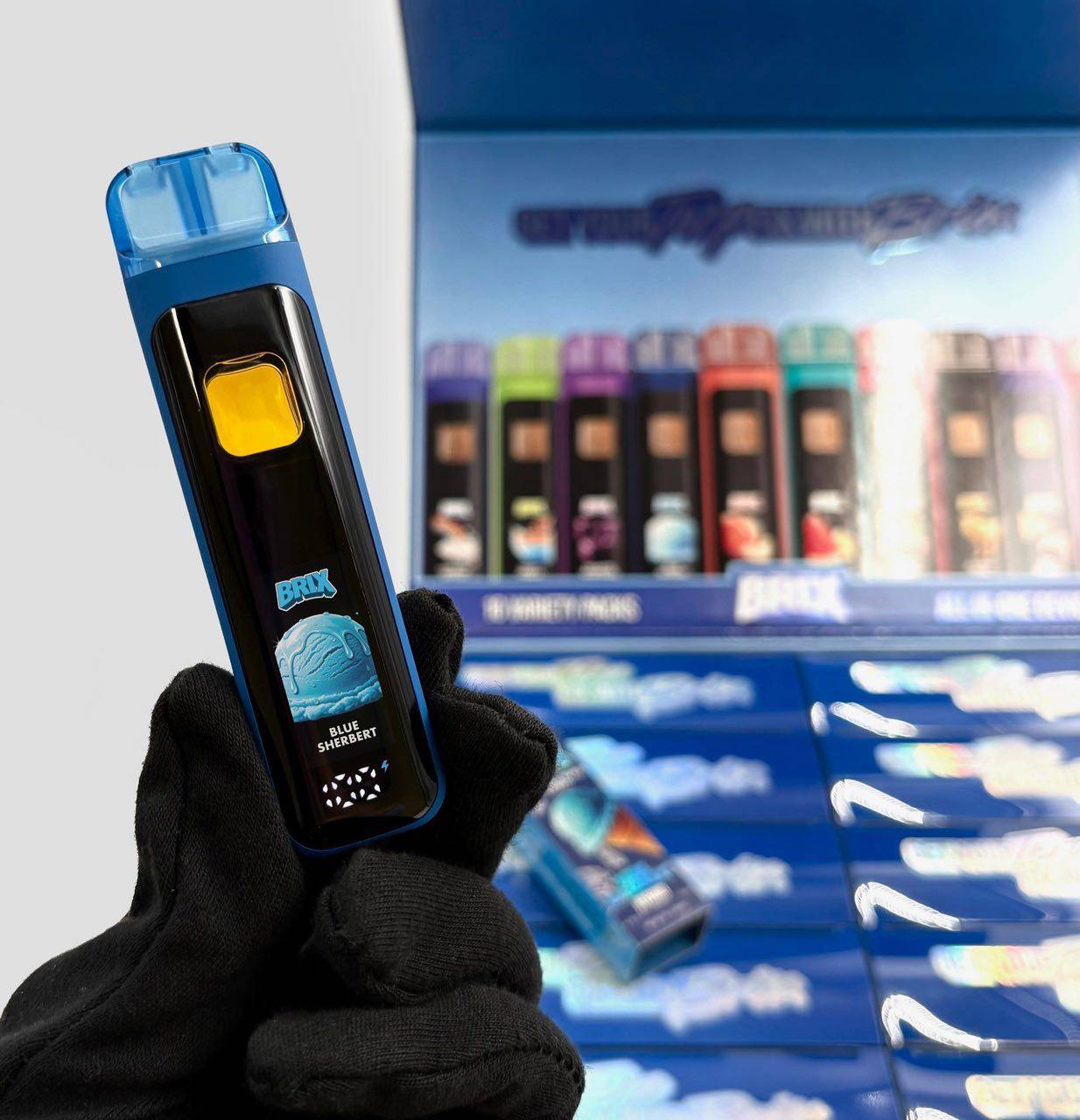
The physical presentation of a disposable plays an important role in how a product is perceived. The Brix 2G disposable uses the familiar all-in-one concept, combining the internal chamber, heating hardware, and battery into a single piece.
Its design is centered on simplicity. Instead of presenting multiple separate components, the device has one cohesive body. As a result, the overall appearance remains uncluttered and portable.
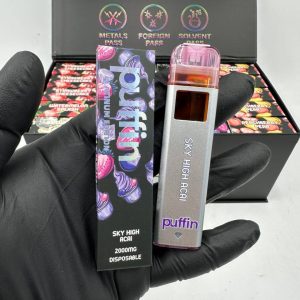
The exterior may feature branding and graphics associated with the particular Brix release. Color combinations, printed elements, and labeling can vary, particularly across different flavors or editions. This variation gives individual versions their own visual identity while maintaining the broader product name.
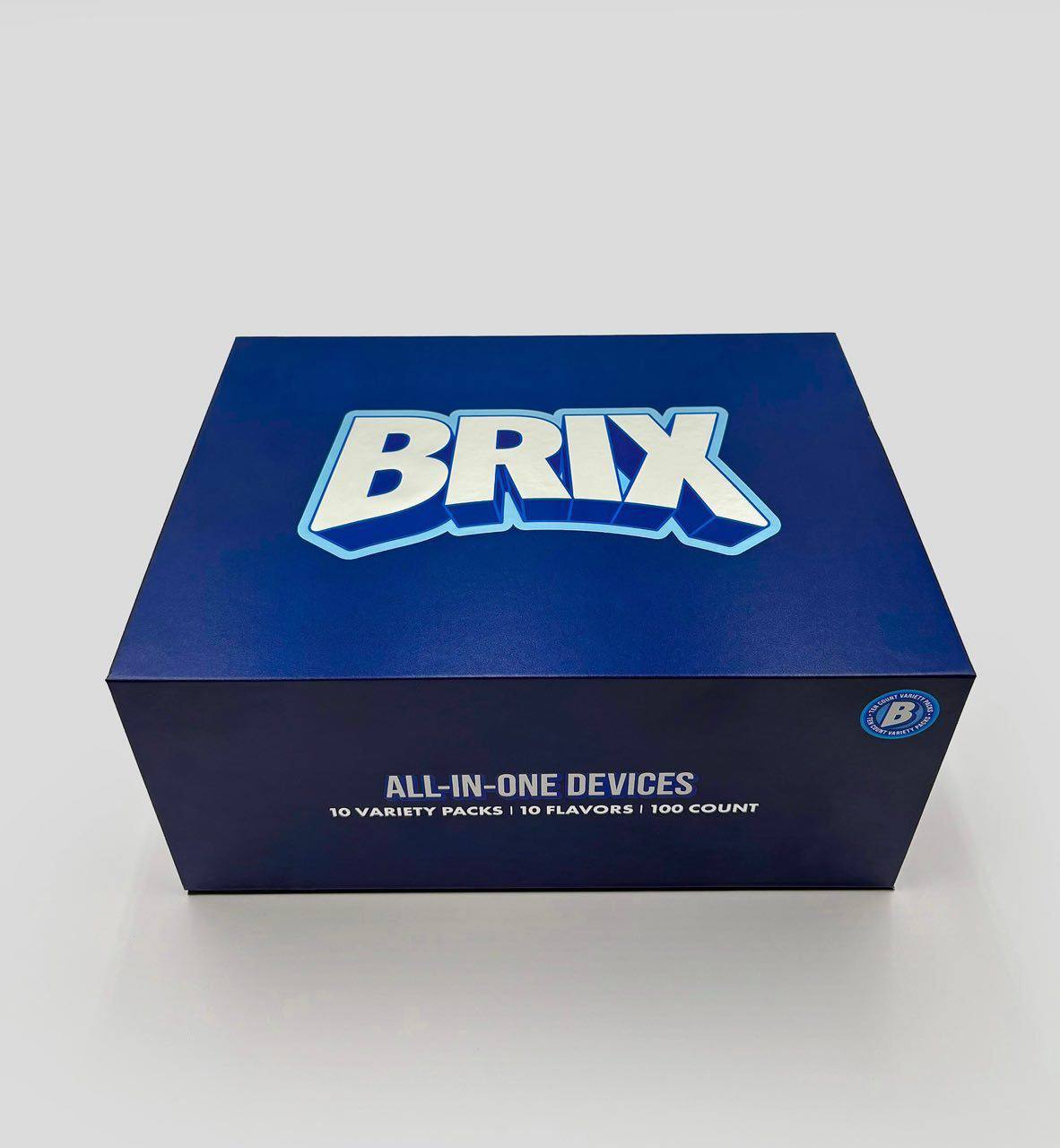
Packaging is another part of the presentation. Product information is typically displayed externally so that important details can be identified without relying solely on the appearance of the device. Depending on the market and product version, packaging can contain information relating to contents, manufacturing, batch identification, and compliance.
Because packaging can change over time, the exact appearance of a current release may differ from older examples. Therefore, visual differences do not necessarily indicate a completely different product, although verification of authenticity and labeling remains important.
Hardware Format
The hardware follows the disposable vape format, where several components are contained inside one compact body. The internal system generally includes a battery, reservoir, heating element, airflow pathway, and mouthpiece.
These components work together as a single system. The battery provides the electrical power, while the heating element converts that power into the heat required to aerosolize the material contained within the reservoir.
Airflow is another important part of the hardware design. A properly designed airflow pathway contributes to the overall draw characteristics of a disposable. Meanwhile, the mouthpiece provides the final connection between the internal system and the user.
Although these components are familiar within the category, their exact construction can differ between manufacturers and production runs. Consequently, technical details should be confirmed through the packaging or manufacturer information for the specific unit.
The disposable structure also reduces the number of external parts. Instead of handling a separate battery and cartridge, the components remain enclosed within the same body. This creates a cleaner overall form and contributes to the portable nature of the product.
Capacity and Product Format
The 2-gram specification is one of the most noticeable characteristics associated with this product. Capacity refers to the amount of material contained within the device, although the actual usable experience can vary depending on hardware performance, formulation, and other factors.
A larger reservoir does not automatically mean identical performance from one unit to another. Battery output, heating technology, airflow, viscosity, and formulation can all influence how a device performs over its lifespan.
For that reason, the capacity figure is best understood as one part of the product specification rather than a complete description of performance.
The disposable format also means that the battery is intended to correspond with the included reservoir. Once the internal components reach the end of their intended service life, the entire disposable is generally treated as one unit rather than separated into independently reusable components.
Flavor and Variety
Flavor selection can be an important part of the Brix product range. Different versions may be identified through distinct flavor names, packaging designs, or other product labels.
Flavor descriptions are often used to communicate the intended aromatic or taste profile of a formulation. However, individual perceptions can differ significantly. What one person experiences as sweet or fruity, for example, may be interpreted differently by someone else.
Product descriptions should therefore be treated as general representations rather than guarantees of a particular sensory experience.
The formulation may also influence the overall character of each version. Terpenes, extracts, and other ingredients can contribute to aroma and flavor, depending on the specific product. Since formulations can change between releases, the ingredient and laboratory information associated with a particular package provides the most reliable reference.
The Importance of Product Information
Clear product information matters when evaluating any disposable. Labels can provide details that are not obvious from the device itself.
Information such as the stated quantity, cannabinoid content, ingredient information, batch identification, manufacturing details, and testing information can help distinguish one product from another.
For regulated products, laboratory testing and compliance documentation are particularly important. Where testing information is available, it can provide a more objective picture of the contents than branding or marketing language alone.
Packaging should therefore be considered part of the product experience rather than simply an outer covering. It provides a connection between the physical device and the information associated with that particular production batch.
Portable Construction
Portability is one of the major reasons disposable formats remain popular. The Brix 2G disposable is built around this concept, with a compact body designed to keep the complete system together.
There is no need for a separate external battery within the basic disposable configuration. Instead, the internal battery and reservoir are housed together. This creates a simple physical format that can fit easily into many everyday carrying situations.
The lightweight structure also contributes to the product's minimalist appearance. Rather than featuring a large collection of external controls or removable parts, the device generally presents itself as a single compact object.
However, portability does not eliminate the importance of responsible storage. Heat, moisture, impact, and improper storage conditions can affect electronic hardware and product integrity. Packaging information remains the appropriate reference for storage and handling details.
Overall User Experience
The overall experience of a disposable depends on several components working together. Hardware construction, airflow, formulation, battery performance, and consistency all play a role.
A device can have an attractive exterior while still depending heavily on the quality of its internal components. Likewise, a larger capacity does not necessarily determine how smooth, flavorful, or consistent the experience will be.
The Brix 2G disposable therefore represents more than its capacity alone. Its appeal is connected to the combination of a compact form, integrated hardware, recognizable branding, and a larger reservoir format.
Consistency is particularly important for disposable products. A well-integrated system should maintain a reasonably consistent relationship between the battery, heating element, and reservoir throughout its intended lifespan. Differences between individual units can occur, however, especially when production batches or formulations change.
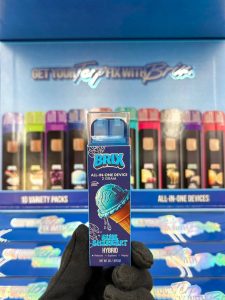
Packaging Details
Packaging provides useful context for understanding a specific version. The product name, stated quantity, flavor or variant, and other identifying information can typically be found on the exterior.
Depending on where the product is distributed, additional regulatory information may also appear. Such information can include warnings, laboratory references, manufacturer details, batch numbers, and required labeling.
The exact package design can change as new versions are introduced. Therefore, older photographs found online may not accurately represent a current package.
This is particularly relevant when comparing products purchased at different times. Branding can remain recognizable while smaller details change. As a result, package information should take priority over assumptions based on photographs.
Authenticity Considerations
Authenticity is an important consideration in any branded disposable category. Popular products can sometimes be copied or represented inaccurately, making product verification valuable.
Packaging details can provide useful indicators. Consistent branding, clear labeling, batch information, and appropriate compliance information can help establish whether a product appears legitimate.
However, packaging alone should not be treated as absolute proof of authenticity. Verification methods supplied by the manufacturer or authorized distributor provide stronger evidence when available.
Differences in artwork are not automatically evidence of counterfeit production because legitimate products can receive packaging updates. Even so, unusually poor printing, missing information, inconsistent labeling, or unclear product specifications can warrant additional attention.
Build and Everyday Appearance
The visual design of a disposable contributes to its identity. The Brix 2G format keeps the appearance centered on a compact body rather than a collection of separate accessories.
The exterior provides space for branding while also maintaining the functional structure required for the internal components. Consequently, the device can remain relatively understated despite carrying a larger capacity.
Different releases may introduce new graphics or visual themes. This approach allows the product family to maintain a recognizable identity while giving individual variants their own appearance.
The mouthpiece, body, and airflow areas also form part of the physical design. Small differences in these elements can influence how a device feels when held and how the airflow behaves.
Battery and Internal Components
The integrated battery is an essential component of any disposable device. It supplies the electrical energy required by the heating system and is designed to work alongside the reservoir contained within the same unit.
Battery behavior can vary according to several factors, including battery capacity, heating element resistance, formulation, and the electrical design of the device.
The relationship between these components is important because the device needs enough power to operate its heating system without creating unnecessary stress on the internal electronics.
Since the hardware is integrated, the battery is not simply an interchangeable accessory. The complete device is designed around the relationship between its internal components.
Heating Technology
Heating technology determines how the contents of a disposable are converted into an inhalable aerosol. The heating element receives power from the internal battery and produces the necessary heat.
Different hardware designs can produce different results. The temperature profile, coil structure, airflow, and formulation all influence the resulting aerosol.
Consistency is particularly important. Excessive heat can alter the character of an aerosol, while insufficient heat may affect vapor production. Consequently, manufacturers need to balance electrical output with the characteristics of the material inside the reservoir.
Technical specifications for the exact Brix version should be verified against its packaging or manufacturer documentation because internal hardware can change between releases.
Why the 2G Format Stands Out
The 2-gram capacity distinguishes this format from many smaller disposable products. It provides a larger stated quantity within one integrated device, which changes the overall product proposition.
The larger reservoir also makes hardware consistency more significant. Battery performance and heating characteristics need to remain compatible with the greater amount of material contained within the device.
At the same time, the familiar disposable structure keeps the design relatively straightforward. The product does not depend on an external battery-and-cartridge combination, which gives it a distinct place within the broader category.
Product Quality and Consistency
Quality involves more than appearance. Material selection, manufacturing standards, hardware construction, formulation consistency, and testing can all contribute to the quality of a disposable.
A polished exterior may attract attention, but internal consistency remains equally important. The reservoir, heating system, battery, and airflow pathway all need to function as a coordinated system.
Testing information can provide additional insight into the contents of a particular batch. Where applicable, laboratory results can help identify cannabinoid concentrations, contaminants, and other relevant characteristics.
Because products can vary between batches, information from the specific unit is more useful than generalized claims found in older listings or unrelated reviews.
Responsible Product Awareness
Products containing cannabinoids can have intoxicating effects and may not be appropriate for everyone. Effects can vary according to the formulation, concentration, individual sensitivity, and other factors.
Legal requirements also differ significantly between locations. Age restrictions, possession rules, product limits, testing requirements, and retail regulations can all depend on local law.
For that reason, product information should be considered alongside the regulations that apply in the relevant jurisdiction. Clear labeling and verified testing information can also provide important context.
The Brix 2G disposable is therefore best understood through its actual specifications rather than exaggerated performance claims. Capacity, formulation, hardware, labeling, and testing information provide a more reliable basis for evaluating the product.
Storage and Product Integrity
Storage conditions can influence both electronic hardware and the material contained inside a disposable. Excessive heat, moisture, direct sunlight, and physical damage can potentially affect product integrity.
Packaging information can provide the most appropriate guidance for the specific product version. A cool, controlled environment is generally more suitable for preserving the condition of many electronic products than extreme temperatures.
Physical damage is another consideration because the device contains electronic components and a battery. A damaged unit may not perform as intended, and visible damage can be a reason to avoid using the product.
Product integrity also depends on packaging condition. Seals, labels, and other packaging elements can provide useful information about whether the product appears to have remained in its intended state.
Environmental Considerations
Disposable hardware also raises environmental considerations because the device contains electronic components and a battery. Unlike reusable systems, the complete unit eventually reaches the end of its intended service life.
Electronic waste requires appropriate handling because batteries and electronic components should not simply be treated like ordinary household waste in every jurisdiction.
Local disposal programs may provide specific options for electronic products and batteries. Consequently, disposal requirements can vary depending on location.
This aspect of the product category is worth considering alongside convenience and portability. A compact disposable may be convenient, while its integrated construction creates different end-of-life considerations compared with reusable hardware.
Product Identity
Brand identity plays a significant role in the presentation of modern disposable products. The Brix name provides a recognizable identity, while individual variants can distinguish themselves through packaging, flavor names, and visual themes.
That structure allows consumers to identify the broader product family while still recognizing differences between versions.
However, branding should not replace product verification. The actual package information, batch details, and applicable laboratory documentation remain more useful for understanding what a specific unit contains.
This distinction becomes especially important when products have multiple releases or when older versions remain visible online.
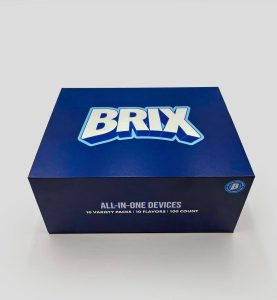
A Modern Disposable Format
The Brix 2G disposable reflects the broader evolution of disposable hardware toward larger capacities and more integrated designs. Instead of combining several separate components, the format places the battery, reservoir, heating system, airflow pathway, and mouthpiece into one compact body.
That approach simplifies the physical structure while preserving the core characteristics expected from a modern disposable.
The larger capacity also demonstrates how the category has expanded beyond traditional small-format devices. As hardware technology develops, manufacturers continue to experiment with different capacities, form factors, heating systems, and presentation styles.
Even so, the fundamental principles remain similar. A disposable must combine its internal components in a way that supports reliable operation throughout its intended lifespan.
Final Product Perspective
The Brix 2G disposable is defined primarily by its integrated design, 2-gram stated capacity, compact construction, and branded presentation. Its format combines several internal components into one self-contained device, creating a streamlined alternative to separate battery-and-cartridge systems.
Its product identity can vary according to flavor, edition, packaging, and production batch. Therefore, exact specifications should always be connected to the particular unit being evaluated.
The 2-gram capacity is a notable feature, but capacity represents only one part of the overall product. Hardware quality, formulation, battery performance, airflow, manufacturing consistency, packaging, and testing information all contribute to a more complete understanding.
For consumers and retailers alike, accurate labeling remains essential. Clear product information provides a stronger basis for evaluating the contents and specifications than exaggerated marketing claims or generic descriptions.
Overall, this disposable format represents a straightforward approach to modern integrated hardware. Its compact structure, larger stated capacity, and recognizable presentation place it within the contemporary disposable category, while its exact characteristics depend on the specific version and production batch.
As with any cannabinoid-containing product, local regulations, age requirements, labeling standards, and testing information remain important considerations. The most reliable product description is therefore one that focuses on verifiable characteristics rather than unsupported claims about effects, potency, or performance.
Reviews
There are no reviews yet.