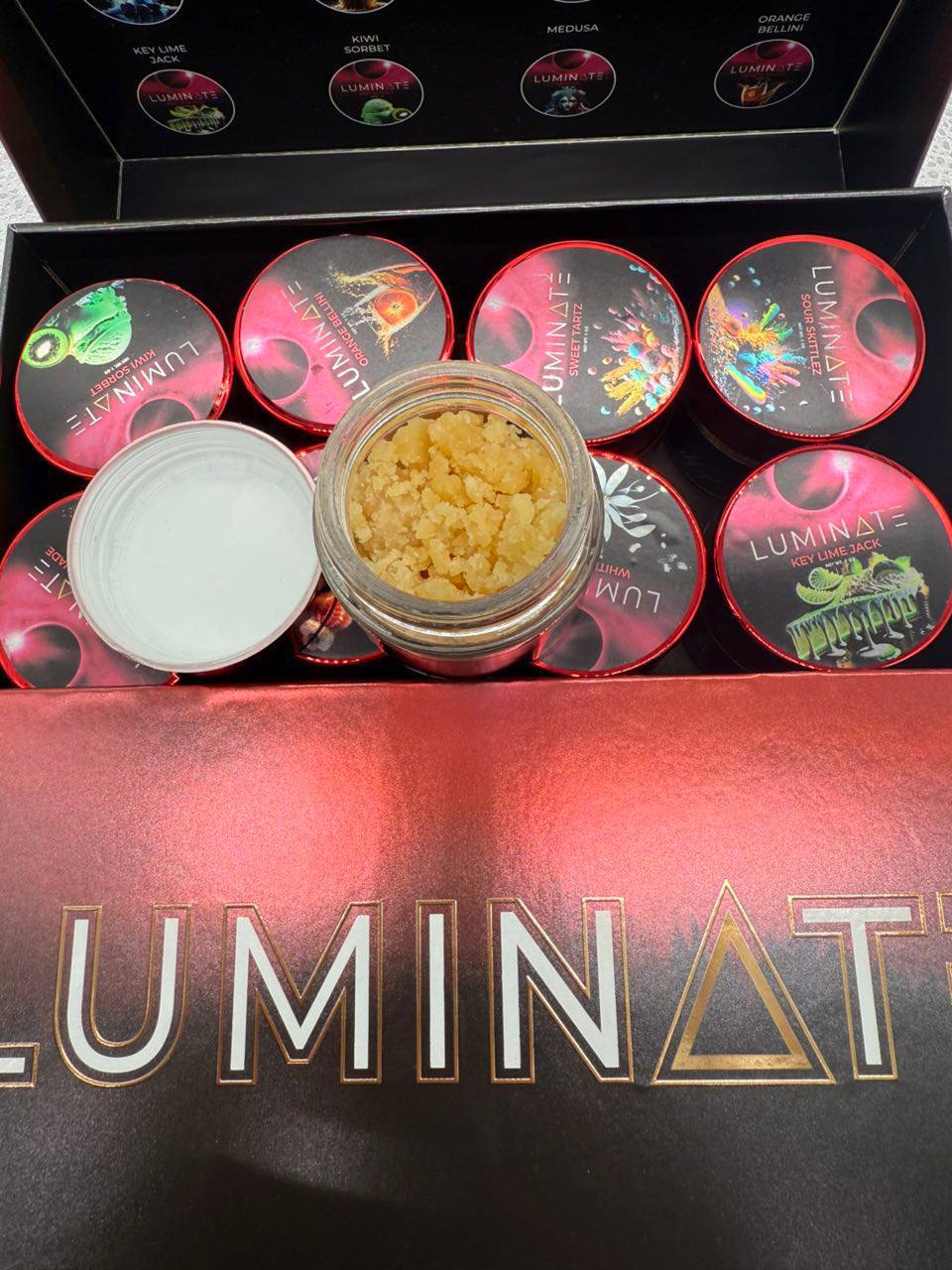
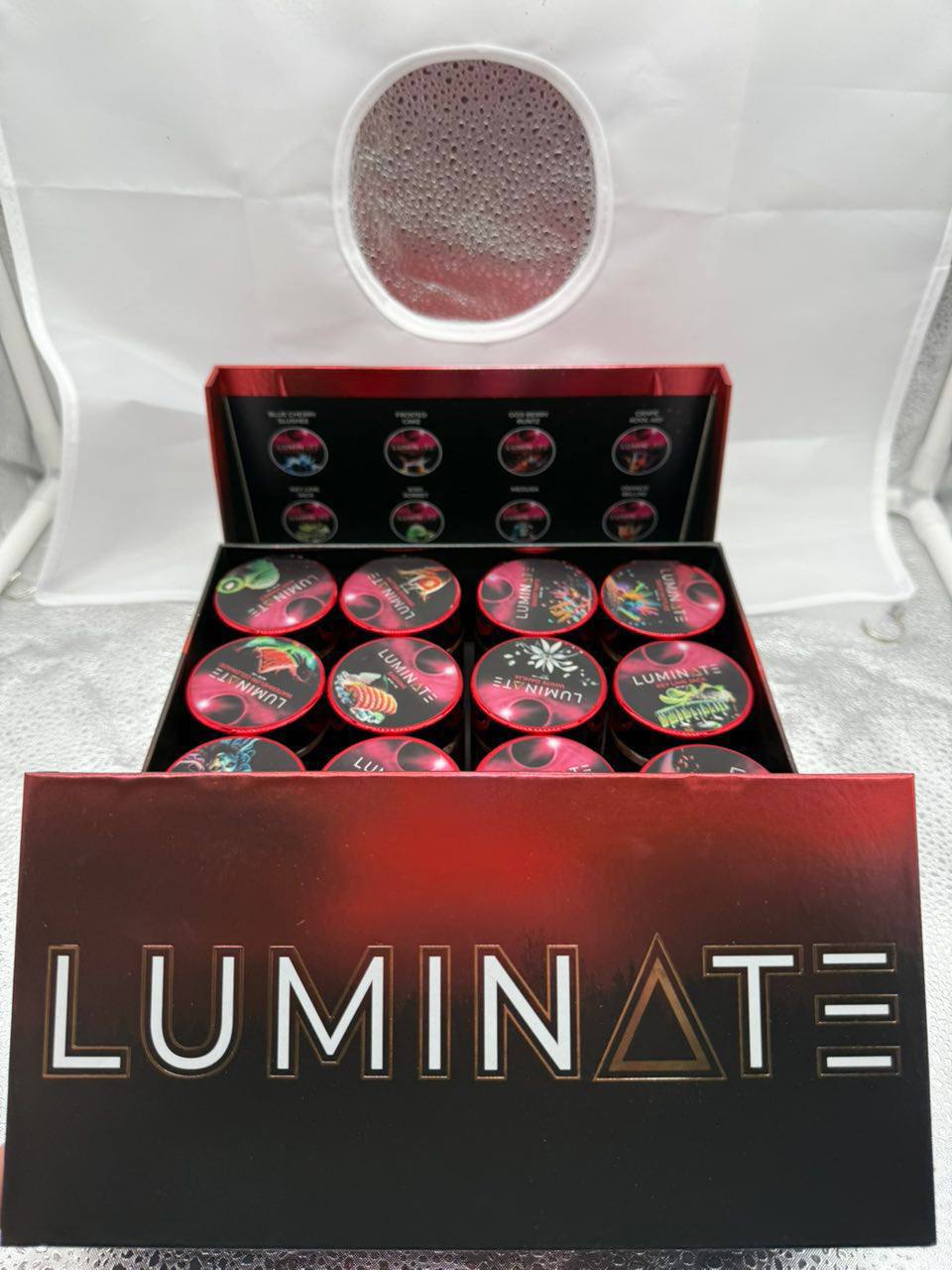
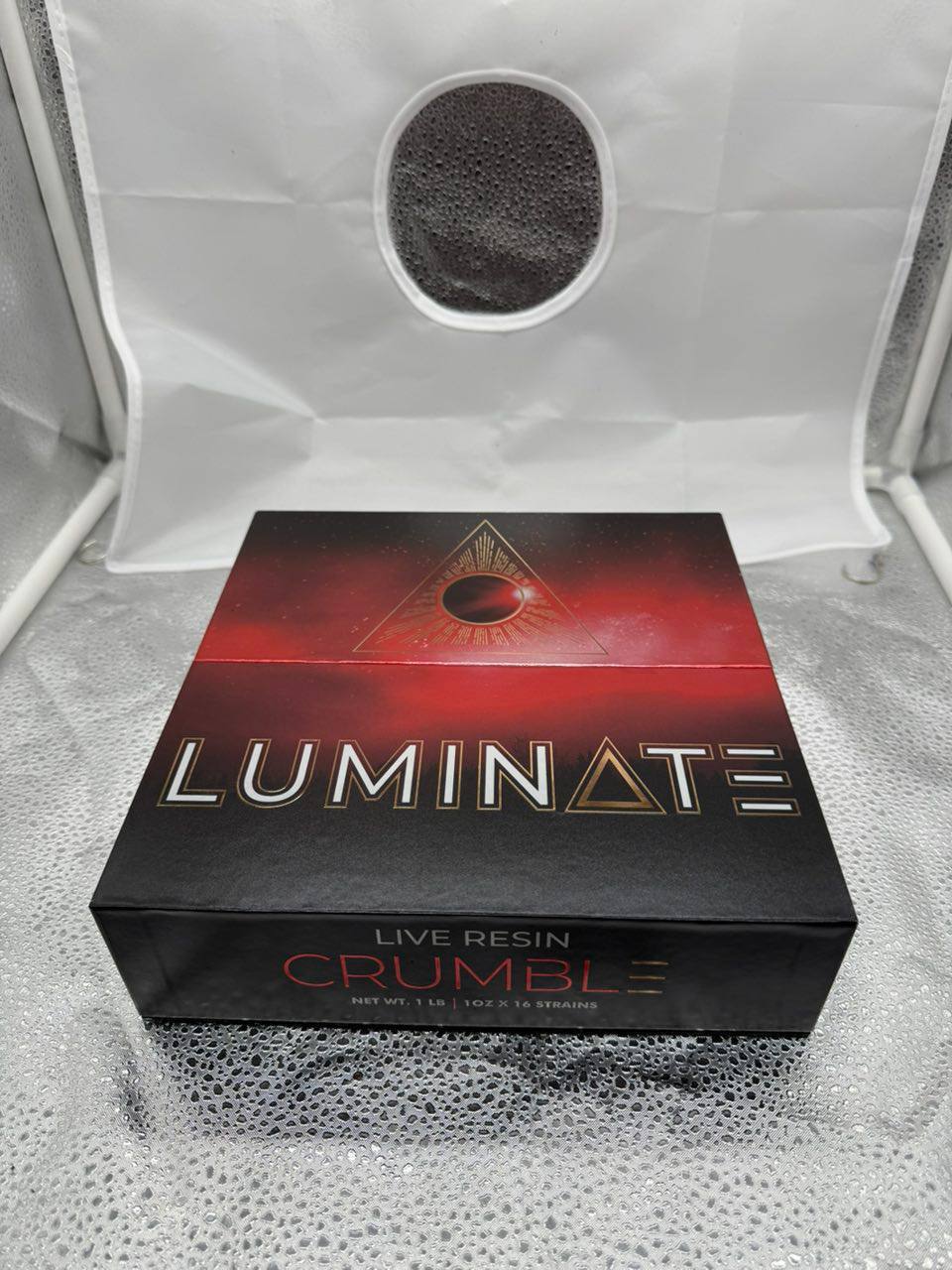
Description
Luminate Live Resin Crumble: Product Overview
Introduction
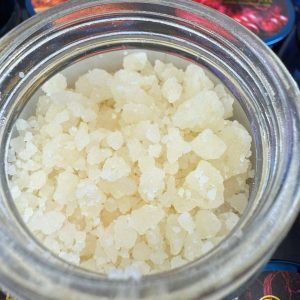
Luminate Live Resin Crumble is a cannabis concentrate known for its soft, crumbly texture and concentrated aroma. Unlike traditional dried flower, concentrates are produced through extraction and refinement, creating a product with a much higher concentration of cannabinoids and aromatic compounds. The name “crumble” describes the physical consistency of the concentrate. Instead of remaining completely fluid, this type of extract generally has a dry, delicate structure that can break apart easily. Its appearance may range from pale gold to deeper amber, depending on the starting material, extraction process, and handling conditions. At the same time, live resin refers to an extraction approach that begins with freshly harvested cannabis rather than conventionally dried and cured flower. Fresh plant material is typically preserved at very low temperatures soon after harvesting. This process is intended to retain a broader selection of naturally occurring aromatic compounds before extraction. As a result, live resin products are often recognized for their pronounced aroma and complex flavor profile. The final character can vary considerably according to the cultivar, terpene composition, extraction technique, and production standards used for a particular batch.
What Makes Live Resin Different?
The main distinction between live resin and many traditional concentrates begins with the condition of the plant material used during production. Freshly harvested cannabis contains a range of volatile compounds that can change during drying and curing. Terpenes are particularly sensitive to environmental conditions, including heat, oxygen, and prolonged exposure to air. Therefore, preserving the plant material shortly after harvest can help maintain more of its original aromatic profile. Live resin production generally focuses on preserving this fresh character. The plant material is handled under controlled conditions before extraction, allowing cannabinoids and aromatic compounds to be collected from material that has not undergone the same conventional drying process as standard flower. Consequently, the finished concentrate may have a noticeably different aroma from products made from dried cannabis. Some batches can feature strong fruit, citrus, herbal, floral, earthy, or sweet notes, while others may have more pronounced gas, spice, or resin-like characteristics. The exact experience, however, depends heavily on the specific batch. No single aroma profile should be assumed from the product category alone.Understanding the Crumble Texture
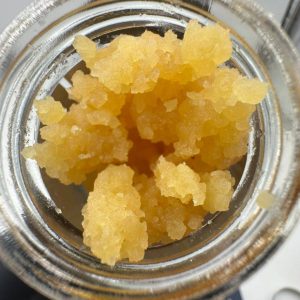
Texture is one of the most recognizable features of this style of concentrate. Crumble generally has a lighter and more fragile consistency than wax, shatter, or certain forms of badder. Instead of forming a firm sheet, it can have a porous or broken structure that separates into small pieces with relatively little pressure. This texture is influenced by several factors, including extraction conditions, purification, temperature, moisture, and post-extraction handling. Even products made from similar starting material may develop different textures because of variations in processing. Fresh batches may appear softer, while other batches can become drier or more brittle over time. Exposure to heat and air can also affect consistency. Therefore, appearance alone does not provide a complete indication of quality. Color can vary as well. Light golden shades are common, although deeper amber or slightly darker tones may occur naturally. Differences in color do not automatically indicate that one batch is better or worse than another.Aroma and Flavor Characteristics
One of the defining characteristics associated with live resin is its aromatic intensity. The terpene profile of the starting cultivar contributes significantly to the finished product. Terpenes are naturally occurring aromatic compounds found in cannabis and many other plants. They are responsible for much of the recognizable scent associated with different cultivars. Depending on the batch, the aroma may include combinations of fruit, citrus, berries, tropical notes, herbs, flowers, pine, earth, spice, or fuel-like characteristics. For example, a fruit-forward profile may create sweet or tropical impressions, while a terpene composition dominated by earthy or herbal compounds may produce a deeper and more botanical aroma. Some varieties can combine several characteristics, resulting in a more layered profile. Flavor can also differ from aroma. Certain aromatic compounds may become more noticeable during consumption, while others may remain subtle. Furthermore, storage conditions can influence the freshness and intensity of these characteristics. For that reason, the most accurate description should come from the specific batch information provided by the manufacturer or testing laboratory.Cannabinoid Concentration
Concentrates are generally more cannabinoid-dense than conventional cannabis flower. However, the exact concentration varies between batches and products. A laboratory certificate of analysis is the most reliable source for information about cannabinoid content. Depending on the product and jurisdiction, testing may report compounds such as THC, THCA, CBD, CBDA, CBG, or other cannabinoids. The distinction between THC and THCA is particularly relevant when reading laboratory results. THCA is a non-intoxicating cannabinoid that can convert into THC through heat. The amount of THC available after this conversion depends on several factors, including the product's chemical composition and the conditions under which it is heated. Therefore, packaging information should always be reviewed carefully rather than relying on a general assumption about potency.Terpenes and the Overall Profile
Cannabinoids are only one part of the chemical profile of a cannabis concentrate. Terpenes contribute substantially to aroma and flavor, and their presence can help distinguish one batch from another. Common cannabis terpenes include myrcene, limonene, caryophyllene, pinene, linalool, and several others. A laboratory report may provide a terpene breakdown alongside cannabinoid results. Such information can offer a more detailed picture of the product than appearance alone. The terpene profile can also change with storage. Excessive heat, direct sunlight, oxygen exposure, and prolonged storage may gradually reduce aromatic intensity. Accordingly, appropriate packaging and controlled storage play an important role in maintaining the intended characteristics of a concentrate.Appearance and Consistency
A typical crumble-style concentrate has a loose, broken appearance rather than a completely uniform surface. The material may appear flaky, porous, or slightly granular. Some batches can have a more cohesive texture, while others may separate easily into small pieces. Color may range from pale yellow and cream to golden amber. Small variations can occur naturally because cannabis plants differ in genetics, maturity, cultivation conditions, and chemical composition. Additionally, extraction and refinement methods influence the final appearance. Therefore, a visual inspection should not be treated as a substitute for laboratory testing. A product can look appealing while having an undesirable chemical profile, just as a visually darker concentrate is not automatically inferior. Laboratory documentation provides substantially more useful information about cannabinoid concentration, contaminants, and overall product compliance.Production and Fresh-Frozen Cannabis
The “live” element of live resin relates primarily to the starting material. Conventional cannabis flower normally passes through drying and curing after harvest. During those stages, the plant's chemical and aromatic profile can change. Live resin production instead uses freshly harvested material that is rapidly preserved under cold conditions. This approach is intended to reduce changes to volatile compounds before extraction. Once the plant material has been stabilized, specialized extraction equipment can separate desired compounds from the plant matter. The resulting extract may then undergo additional processing to achieve the desired consistency. For crumble-style products, those steps can influence the final texture and appearance. Because production methods differ between manufacturers, the phrase “live resin” should not be treated as a guarantee of identical composition across every product. Testing and batch documentation remain important.Why Batch Testing Matters
Cannabis concentrates can vary significantly from one production run to another. Even when the same product name is used, cannabinoid and terpene concentrations may change between batches. Independent laboratory testing helps identify the actual composition of a particular batch. Depending on local regulations, testing may include cannabinoids, terpenes, pesticides, residual solvents, heavy metals, microbial contamination, and other quality-control categories. This information can be particularly important for concentrated products because their cannabinoid levels are often substantially higher than those found in ordinary flower. A certificate of analysis can therefore provide useful information that cannot be determined from color, texture, aroma, or branding.Storage Considerations
Concentrates can be sensitive to environmental conditions. Heat may soften the texture and accelerate changes in aromatic compounds. Light and oxygen can also contribute to degradation over time. As a result, a concentrate that has been exposed to unsuitable conditions may gradually develop a different appearance, aroma, or consistency. Packaging should remain properly sealed when the product is not being handled. A clean, controlled storage environment can help reduce unnecessary exposure to heat, light, air, and moisture. Storage conditions can also influence the physical texture of crumble. A product that initially has a dry, airy consistency may become softer under warmer conditions. Conversely, colder conditions can make some concentrates more rigid or difficult to handle. These changes do not necessarily indicate a problem, but substantial alterations in appearance or smell warrant careful consideration.Product Quality and Transparency
A quality-focused cannabis product should be supported by clear information. Important details can include the production batch, cannabinoid profile, terpene content, testing date, ingredient information, and applicable compliance information. Packaging should also identify relevant warnings and restrictions required by local regulations. For consumers and retailers, transparency is particularly valuable with concentrated products. Since appearance alone cannot establish potency or purity, documented laboratory results provide a stronger basis for evaluating a batch. Additionally, reputable products should have packaging that clearly distinguishes them from ordinary food products and keeps them away from children and unauthorized users.A Closer Look at the Concentrate Category
Crumble belongs to a broad family of cannabis extracts that includes wax, shatter, badder, resin, rosin, and other specialized preparations. The differences between these categories can involve extraction method, starting material, processing, moisture content, texture, and consistency. Crumble is particularly recognizable because of its lightweight, broken structure. Wax may appear softer and more cohesive, while shatter typically forms a more solid sheet-like structure. Badder generally has a creamier or whipped appearance. These categories can overlap, however. Processing methods vary between producers, and terminology is not always standardized across markets. Therefore, product names should be interpreted alongside laboratory information and manufacturer documentation.Responsible Product Information
Concentrated cannabis products contain substantially concentrated cannabinoids, so product information should be presented carefully. The appropriate legal age, possession limits, labeling requirements, and other restrictions vary according to jurisdiction. Consumers should review applicable local laws and the information printed on the package. Products containing intoxicating cannabinoids should also be kept away from children and pets. They should remain in their original, appropriately labeled packaging whenever possible. Because individual responses to cannabinoids can vary, product descriptions should not promise a specific physical or psychological outcome. Effects can differ according to cannabinoid concentration, individual tolerance, metabolism, and other factors. For the same reason, laboratory results are more useful than generalized claims when assessing a particular batch. Luminate Live Resin Crumble represents a concentrate format built around two defining characteristics: live-resin extraction and a distinctive crumble texture. The live-resin process begins with freshly harvested cannabis that is preserved under cold conditions before extraction. This approach is intended to retain more of the plant's original aromatic character. Meanwhile, the crumble format produces a lightweight, fragile consistency that separates it visually and physically from many other concentrate types. Its aroma, flavor, cannabinoid concentration, terpene profile, color, and texture can vary according to the cultivar and production batch. Consequently, product-specific laboratory testing remains the strongest source of information about its actual composition. From a product-information perspective, the most useful details are therefore the batch number, laboratory results, cannabinoid profile, terpene information, testing date, ingredients, and applicable regulatory information. Overall, the product is best understood through its documented batch characteristics rather than broad assumptions about live resin or crumble concentrates. Clear labeling, laboratory transparency, appropriate storage, and responsible handling all contribute to a more complete understanding of the finished product.Cultivar and Batch Differences
The characteristics of a concentrate are closely connected to the cannabis cultivar used during production. Each cultivar can contain a different combination of cannabinoids, terpenes, and other naturally occurring compounds. Because of this, two batches made using different plant genetics may have noticeably different aromas, colors, and laboratory results. The starting material also matters. Plants grown under different conditions can develop variations in chemical composition. Factors such as genetics, maturity, cultivation environment, and harvesting time may influence the final profile. For that reason, a product name alone cannot fully describe what is contained in every batch. Laboratory testing provides a more accurate picture of the actual cannabinoid and terpene composition. This variation is particularly relevant for concentrates because the extraction process creates a more concentrated form of the compounds naturally present in the plant. Even relatively small differences in the starting material can therefore become more noticeable in the finished extract.The Role of Terpene Preservation
Terpene preservation is an important part of the live-resin concept. Terpenes are volatile compounds, meaning they can change or evaporate under certain environmental conditions. Heat, oxygen, light, and extended exposure to the surrounding environment can affect their concentration. Fresh-frozen processing is designed to reduce some of the changes that can occur between harvesting and extraction. By preserving the plant material shortly after harvest, producers can work with material that retains more of its original chemical character. The result may be a more pronounced aroma compared with extracts produced from conventional dried material. However, the actual terpene profile depends on the cultivar and production process. Some batches may feature bright citrus notes, while others may lean toward berries, tropical fruit, herbs, pine, flowers, or earthy characteristics. Certain profiles can also combine sweet and savory elements, creating a more complex aromatic impression. These differences are normal and can make individual batches distinct from one another.Color, Clarity, and Visual Appearance
Visual appearance can provide useful information about physical characteristics, although it should never replace laboratory analysis. Concentrates within this category can display shades ranging from pale yellow to golden or amber tones. Some products may have a relatively uniform appearance, whereas others can show natural variations throughout the material. The texture is generally more important to the identity of crumble than perfect color consistency. A lightweight and easily separated structure is commonly associated with the category. However, environmental exposure can change that structure. Warmer temperatures may make the material softer or more cohesive. Cooler conditions may produce a firmer consistency. Over time, oxygen and light can also affect the appearance and aroma. Consequently, a concentrate may not look exactly the same several weeks or months after production. Packaging, storage conditions, and handling practices all contribute to these changes.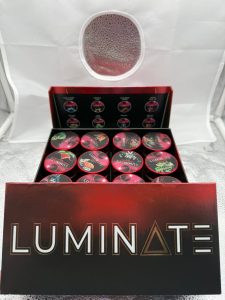
Understanding Concentrate Potency
Potency is one of the most important pieces of information associated with a concentrated cannabis product. Unlike many ordinary cannabis products, concentrates can contain substantially higher levels of cannabinoids by weight. This difference makes accurate labeling especially important. A laboratory report may list total THC, THCA, CBD, CBDA, CBG, or additional cannabinoids. Depending on the jurisdiction and testing system, the information may also include total cannabinoid content or calculated potential THC. The numbers should always be interpreted according to the testing method and labeling requirements applicable to the product. It is also important to distinguish between concentration and personal response. A laboratory percentage describes the chemical composition of the product; it does not guarantee that every individual will experience the same effects. Individual factors can influence responses considerably. These may include tolerance, metabolism, previous exposure to cannabinoids, and the specific chemical profile of the product. Therefore, responsible product information should describe laboratory characteristics without making promises about a particular experience.Laboratory Certificates of Analysis
A certificate of analysis, commonly referred to as a COA, can provide valuable information about a specific production batch. Rather than relying only on branding or appearance, a COA allows the chemical composition to be examined through documented laboratory results. Depending on local testing requirements, the report may contain:- Cannabinoid concentrations
- Terpene percentages
- Residual solvent results
- Pesticide screening
- Heavy-metal testing
- Microbial testing
- Sample identification
- Laboratory information
- Testing dates
- Batch or lot numbers
Packaging and Label Information
Proper packaging plays an important role in product identification and safety. A properly labeled package should provide enough information for the contents to be identified without relying on appearance alone. Depending on the applicable regulations, this may include the product name, net weight, cannabinoid information, batch number, testing details, manufacturer information, warnings, and legal restrictions. Packaging may also be designed to reduce unnecessary exposure to air, light, and environmental contaminants. Concentrates should remain in suitable packaging whenever possible. Unlabeled containers can make identification difficult and may create unnecessary risks, particularly when multiple products are present in the same location. Child-resistant packaging may also be required in regulated markets. These details are more than simple presentation features. Clear labeling helps connect the physical product to its laboratory documentation and regulatory information.Freshness and Product Condition
Freshness can influence the sensory characteristics of a concentrate. A recently produced batch may have a more pronounced aroma and a texture that closely reflects the producer's intended formulation. With extended storage, those characteristics can gradually change. Terpenes may become less prominent, while the consistency can become either softer or drier depending on environmental conditions. Excessive heat can accelerate these changes. A strong change in smell, visible contamination, unexpected moisture, or significant deterioration should not be ignored. Product condition should always be evaluated alongside packaging integrity and available testing information. Storage is therefore an important part of maintaining the original characteristics of the concentrate.Why Storage Environment Matters
Environmental conditions can affect both texture and aromatic quality. Heat can cause a concentrate to soften, while repeated temperature changes may contribute to changes in consistency. Light exposure can also affect some naturally occurring compounds. Air exposure is another consideration. Once packaging is opened repeatedly, oxygen can interact with the contents over time. A stable, controlled environment is generally more suitable than a location exposed to substantial heat, direct sunlight, or unnecessary moisture. The package should remain properly closed when the product is not being handled. This helps limit exposure to environmental factors that may gradually change the product. Storage practices are especially relevant for concentrates because their concentrated composition and relatively small physical size can make changes easier to notice.Comparing Crumble With Other Extract Textures
The concentrate market includes several different textures, each with its own physical characteristics. Crumble is generally lightweight and fragile. Wax tends to have a softer and more cohesive consistency. Shatter is usually recognized by a more rigid, glass-like structure, while badder often has a creamy or whipped appearance. These descriptions are useful for understanding general differences, but terminology can vary between producers. Processing methods can also create products that fall somewhere between traditional categories. A concentrate may have characteristics associated with more than one texture depending on how it was processed and stored. Consequently, the product's actual consistency should be considered alongside its production description and laboratory documentation.Aroma as a Product Characteristic
Aroma can provide an immediate indication of the terpene character of a concentrate. The scent may be subtle or pronounced depending on the batch. Some profiles can feel sweet and fruity, while others may be more earthy, herbal, citrus-forward, floral, or pine-like. Aroma does not establish potency or purity, however. A strong scent does not automatically indicate a higher cannabinoid concentration, and a mild aroma does not necessarily indicate poor quality. Instead, aroma is best understood as one sensory characteristic among several. When combined with laboratory information, packaging details, and physical inspection, it can contribute to a broader understanding of the product.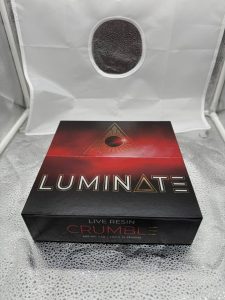
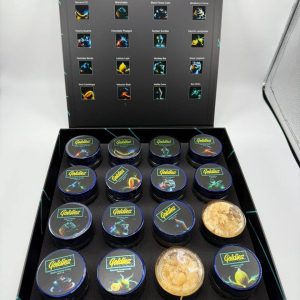
Reviews
There are no reviews yet.