Description
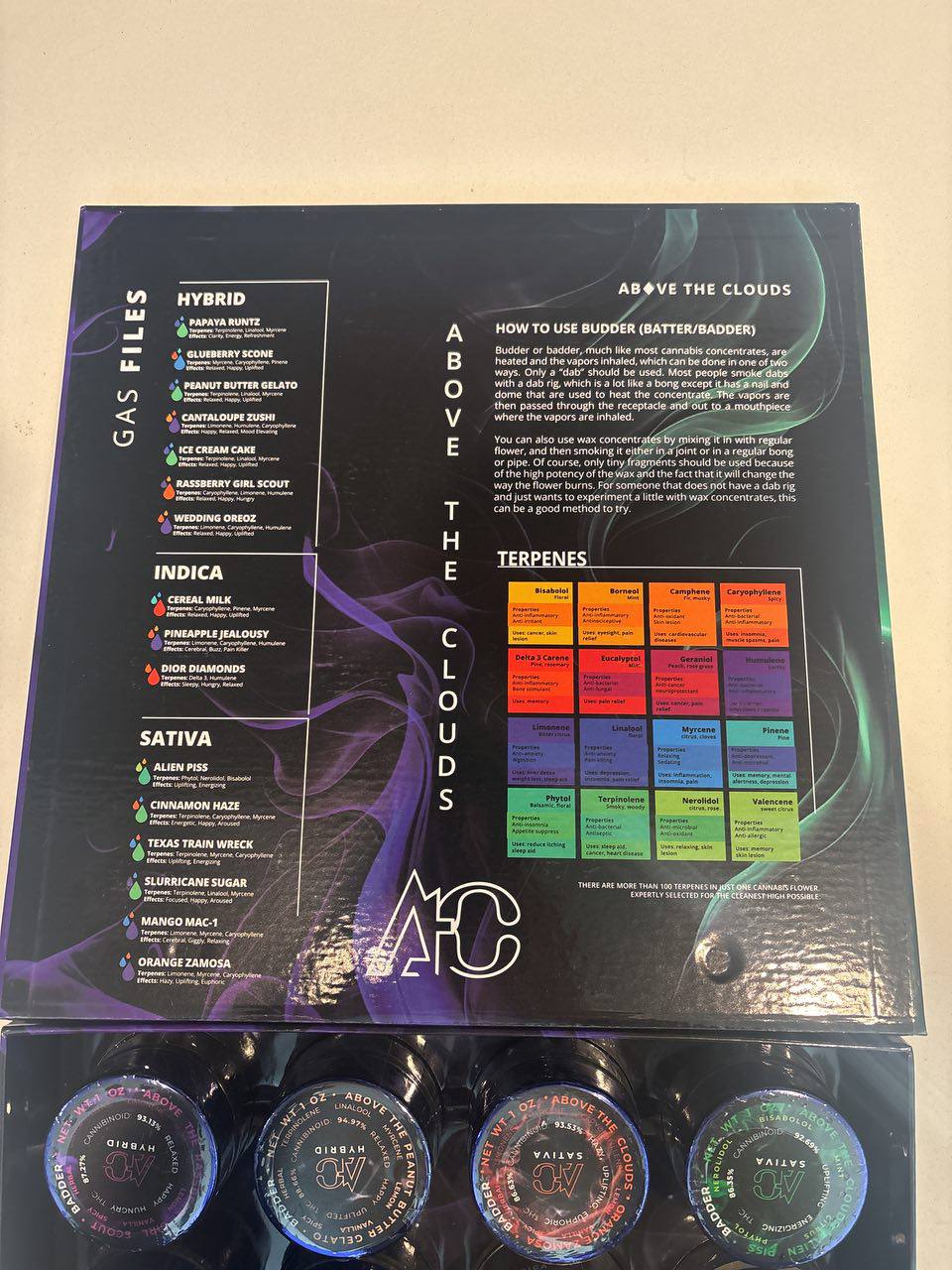
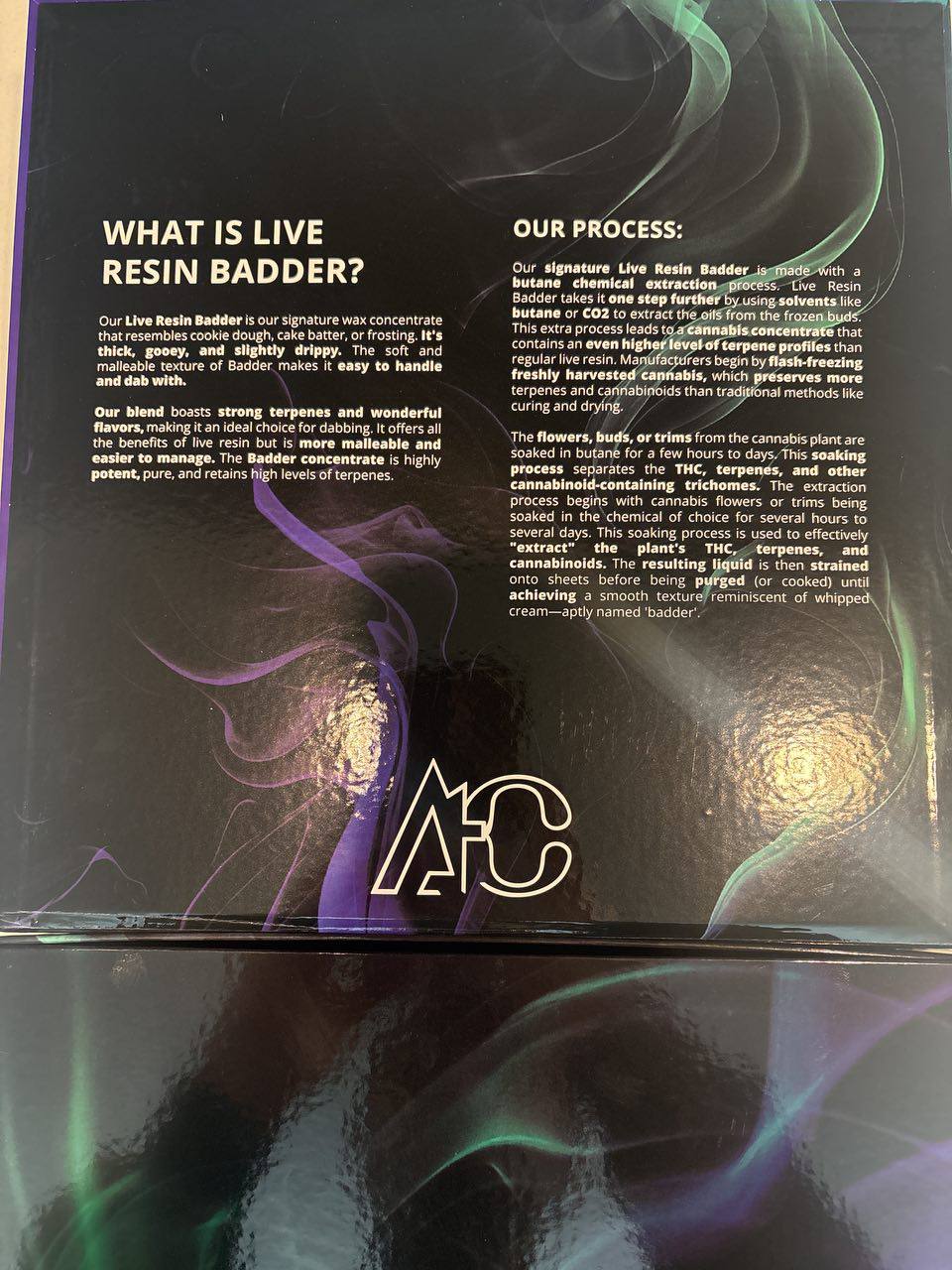
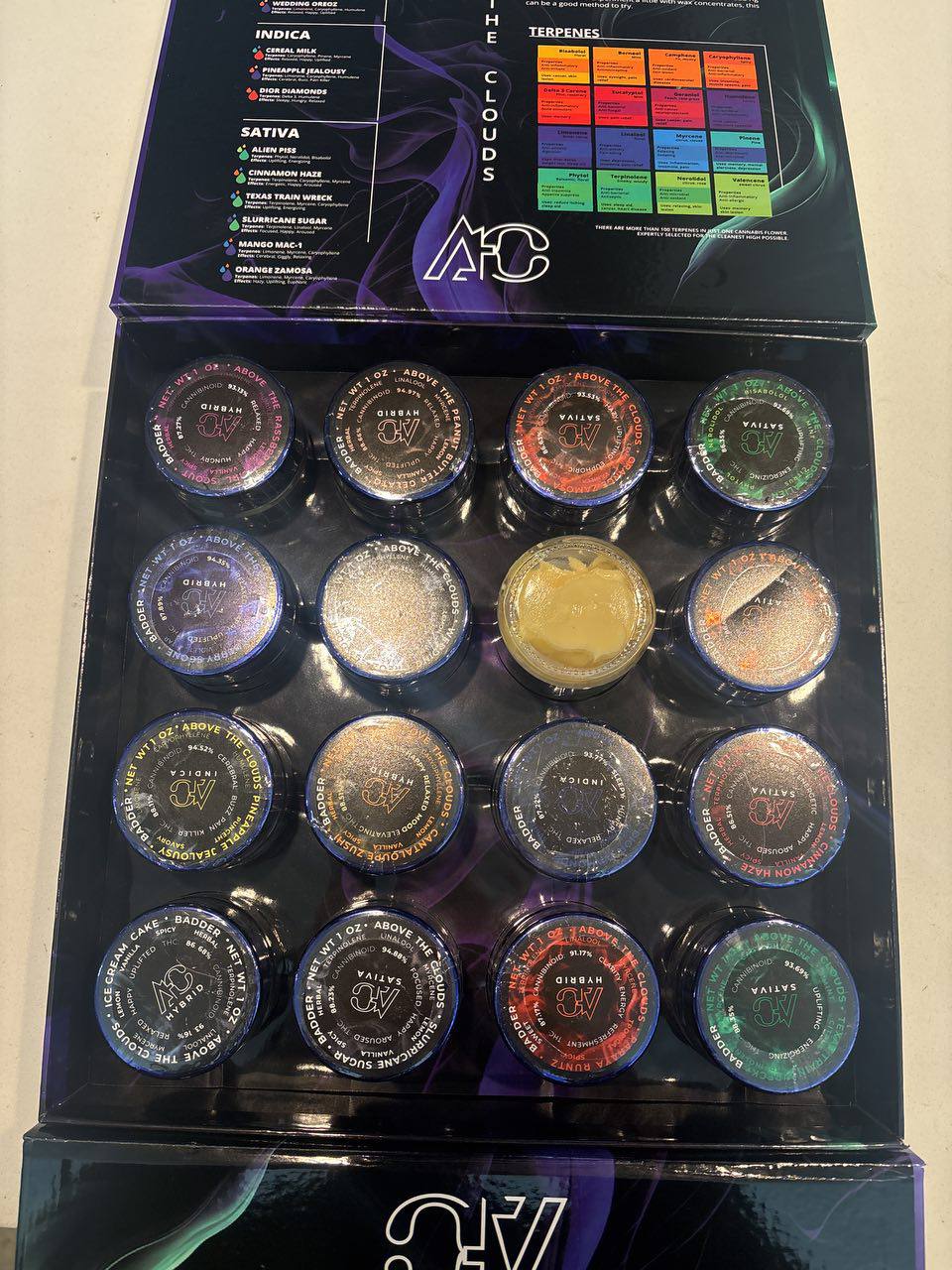
Above the Clouds Live Resin Badder
Product Overview
Above the Clouds Live Resin Badder is a cannabis concentrate known for its soft
, malleable texture and aromatic profile. The term “badder” describes the consistency of the concentrate, which typically has a whipped or creamy appearance rather than the firm texture associated with some other concentrate formats
.
Live resin is generally produced from cannabis that is harvested and preserved at very low temperatures before extraction. Because the plant material is handled differently from traditionally dried and cured cannabis, its resulting extract can retain a distinct combination of aromatic compounds.
As a result, concentrates in this category are often recognized for their pronounced aroma, flavor characteristics, and terpene expression. However, the exact characteristics of a particular batch can vary depending on the cannabis cultivar, extraction process, storage conditions, and formulation.
Texture and Appearance
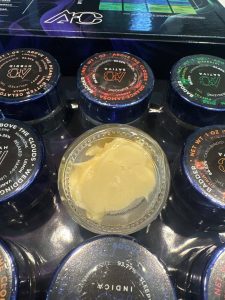
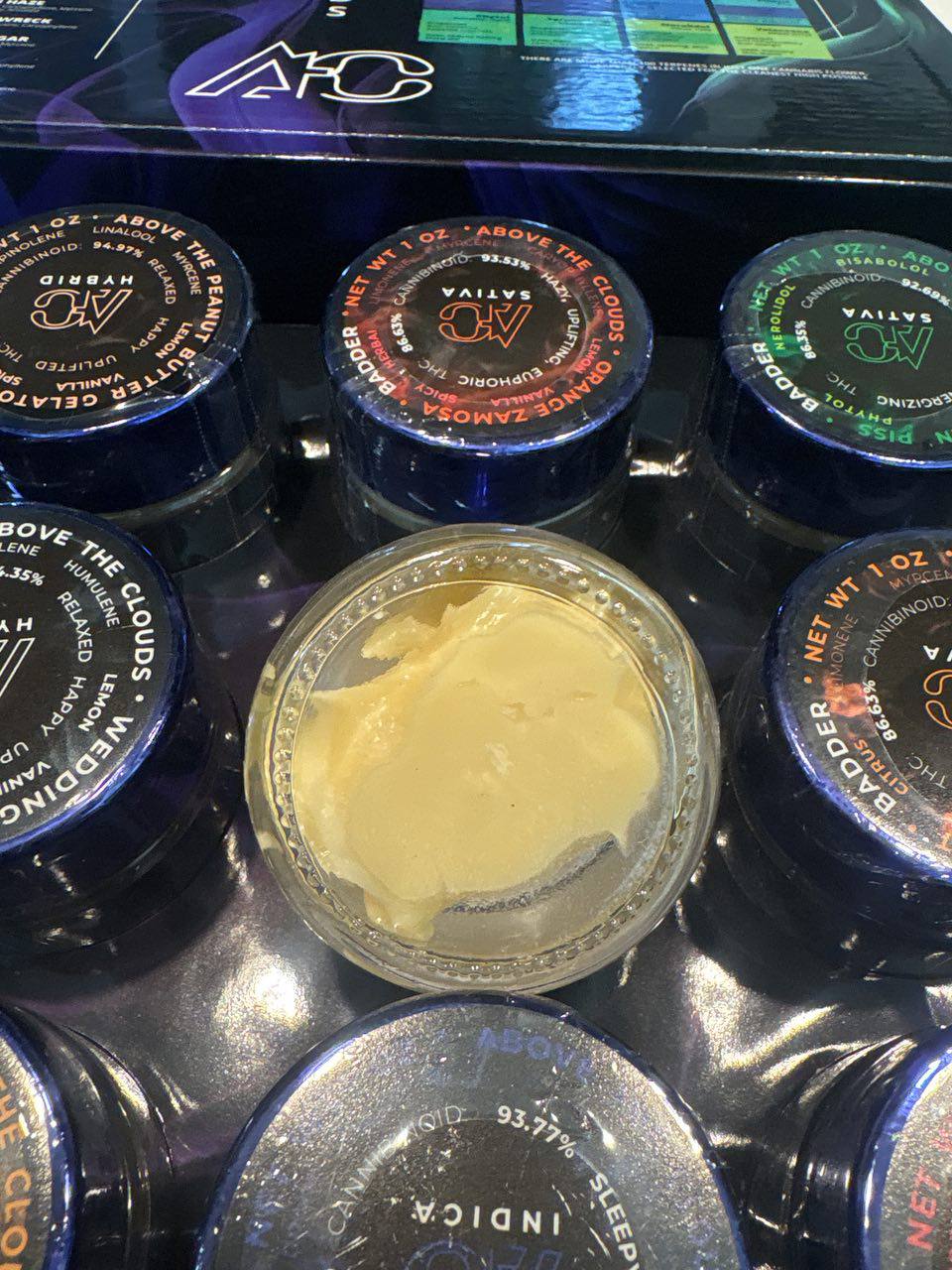
One of the most recognizable characteristics of badder-style concentrate is its texture. The material commonly has a soft, spreadable consistency that can resemble whipped butter or a thick cream.
This consistency distinguishes badder from harder concentrates such as shatter. In addition, its appearance may range from pale gold to deeper amber depending on the starting material and production process.
Texture can change over time as well. Temperature, exposure to air, handling, and storage conditions may all influence the consistency. Therefore, a concentrate that initially appears soft can become firmer when exposed to cooler conditions.
Live Resin Characteristics
Live resin is associated with extraction methods that begin with freshly harvested cannabis rather than cannabis that has gone through a conventional drying and curing process.
The plant material is typically preserved soon after harvest, which helps maintain volatile aromatic compounds that can otherwise change during drying and curing. Consequently, live resin can have a noticeably fresh and expressive aromatic profile.
The final concentrate still depends on several variables. Cultivar selection, harvesting conditions, extraction techniques, refinement, and storage can all affect the finished material.
For that reason, two live resin products can have noticeably different aromas, textures, colors, and cannabinoid profiles even when they belong to the same general category.
Aroma and Flavor Profile
Aromatic characteristics are an important part of the live resin experience. Depending on the batch, the profile may include combinations of earthy, fruity, herbal, citrus, floral, or sweet notes.
Terpenes contribute significantly to these characteristics. These naturally occurring compounds are found in cannabis as well as many other plants and are responsible for numerous recognizable aromas.
The specific terpene composition should be confirmed through the product’s laboratory information rather than assumed from the product name alone. Likewise, flavor descriptions can vary between batches because cannabis chemistry is influenced by genetics and production conditions.
Cannabinoid Content
The cannabinoid profile of a concentrate can vary considerably. THC is commonly present in cannabis concentrates at a substantially higher concentration than in many traditional cannabis flower products.
Because of that concentration, the amount of concentrate involved can represent a significant quantity of cannabinoids. Individual responses can also vary based on tolerance, metabolism, previous exposure, and other personal factors.
A product label or independent laboratory report provides the most reliable information about cannabinoid percentages and batch-specific content. When available, those results are more useful than general assumptions based solely on the product category.
Why Batch Information Matters
Cannabis concentrates are not necessarily identical from one production run to another. Even products carrying the same name can differ in cannabinoid percentages, terpene composition, appearance, and consistency.
Batch-specific testing can provide information about these differences. Laboratory reports may include cannabinoid concentrations, terpene information, and screening for certain contaminants.
Therefore, the packaging and laboratory documentation should be treated as the primary source for information about a particular batch.
Storage and Stability
Concentrates can be affected by environmental conditions. Heat, light, oxygen, and repeated handling may influence their appearance, aroma, texture, and chemical stability.
A cool, dark, and appropriately sealed environment is generally associated with better preservation of cannabis concentrates. Excessive heat can soften the material, while prolonged exposure to air may contribute to changes in aroma and consistency.
Storage conditions can therefore have an important effect on how a concentrate looks and smells over time.
Product Consistency
The badder format is characterized by a softer consistency than several other concentrate styles. This texture is often associated with the processing and handling of the extract.
Some batches may appear smooth and creamy, while others may have a more granular or dense appearance. These differences do not necessarily indicate that two concentrates belong to different categories.
Temperature is another important factor. A cooler environment can make the material firmer, whereas warmer conditions can make it softer.
Product Identification
When evaluating a cannabis concentrate, several details can help identify the specific product. These may include the product name, batch number, packaging information, cannabinoid content, terpene information, production date, and laboratory testing details.
Packaging requirements vary by jurisdiction. Accordingly, consumers should rely on legally required labeling and verified laboratory information when determining what a particular product contains.
This approach also makes it easier to distinguish between similarly named products and different production batches.
Laboratory Testing
Laboratory testing plays an important role in identifying the contents of cannabis products. Depending on local regulations, testing may evaluate cannabinoids, terpenes, residual solvents, pesticides, heavy metals, microbial contaminants, and other substances.
A current certificate of analysis can provide more detailed information than a general product description. In addition, the batch number on the report should correspond with the batch information on the packaging.
This connection is especially important because cannabis products can vary between production runs.
Understanding Concentrate Potency
Concentrates generally contain cannabinoids at higher concentrations than cannabis flower. Consequently, potency information deserves particular attention when evaluating a product.
THC percentages are commonly displayed on regulated cannabis packaging, although exact labeling requirements depend on location. Other cannabinoids may also be listed when they are present in measurable quantities.
Individual sensitivity differs significantly, so numerical potency should not automatically be interpreted as an identical experience for every person.
Responsible Product Information
Clear labeling helps consumers understand what they are purchasing. A complete product label can provide information about potency, weight, ingredients, batch identification, testing, and regulatory compliance.
Furthermore, accurate product information reduces confusion between different concentrate types. Terms such as live resin, badder, sauce, wax, and shatter describe different characteristics, although processing methods and terminology can vary among producers.
Understanding those terms provides useful context when comparing concentrates.
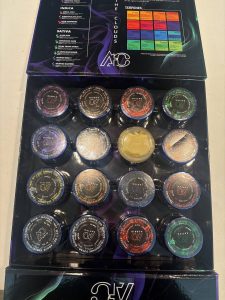
Above the Clouds Live Resin Badder falls within the live resin concentrate category and is associated with a soft badder-style consistency. Its characteristics can include a distinctive aroma, a pliable texture, and a concentrated cannabinoid profile.
The exact appearance and chemical composition depend on the individual batch. For that reason, laboratory testing and packaging information remain the most dependable references for determining the contents of a particular product.
Overall, the product can be understood through three main characteristics: its live-resin extraction approach, its badder-style consistency, and its batch-specific cannabinoid and terpene profile.
Understanding the Extraction Process
Fresh-Frozen Starting Material
A defining feature of live resin is the way the cannabis plant is handled after harvest. Instead of following the conventional drying and curing process immediately, fresh plant material is generally preserved at low temperatures.
This approach helps maintain volatile compounds that may otherwise change during drying. As a result, the extract can retain a profile that differs from concentrates made from fully dried cannabis.
The starting material has a significant influence on the finished extract. Genetics, cultivation methods, harvest timing, and plant maturity can all contribute to the final chemical composition.
Extraction and Refinement
Once the plant material has been preserved, extraction separates desirable compounds from the cannabis biomass. Modern extraction processes can isolate cannabinoids and aromatic compounds while producing a concentrated material.
The precise process varies between manufacturers. Equipment, extraction conditions, filtration, purification, and post-extraction handling can all influence the final product.
Therefore, the phrase “live resin” describes an important part of the production approach, but it does not guarantee that every product will have the same appearance or chemical profile.
Terpene Preservation
Terpenes are among the compounds that contribute to the recognizable aroma of cannabis. Some are naturally volatile, meaning they can evaporate or change when exposed to heat and air.
Fresh-frozen processing is intended to help preserve more of these naturally occurring aromatic compounds. Consequently, live resin can have a strong and complex aromatic character.
The actual terpene profile remains dependent on the plant genetics and production process. Laboratory results provide the clearest way to determine which terpenes are present in a specific batch.
Badder Versus Other Concentrate Textures
Badder
Badder generally has a soft and malleable consistency. Its appearance may resemble whipped butter, thick frosting, or a dense cream.
The texture can change depending on temperature and handling. A cooler environment may produce a firmer consistency, while warmer conditions can make the material noticeably softer.
Because of these characteristics, the physical appearance of badder may differ from one batch to another without necessarily indicating a difference in quality.
Shatter
Shatter is typically recognized by its firm, glass-like appearance. Compared with badder, it generally has less flexibility and can become brittle when handled.
Processing techniques influence whether an extract develops a shatter-like consistency. Storage temperature can also affect how easily it breaks or bends.
Wax
Wax is another broad term used for certain cannabis concentrates. It can describe materials with a softer, opaque, or wax-like appearance.
The distinction between wax and badder is not always perfectly standardized. Producers may use different terminology to describe similar textures, which makes laboratory information and manufacturer documentation particularly useful.
Sauce
Sauce generally has a more fluid consistency and can contain a higher concentration of terpene-rich material. Some products combine sauce-like components with crystalline cannabinoids, creating a noticeably different appearance from traditional badder.
These formats demonstrate how cannabis concentrates can vary significantly even when they originate from similar plant material.
Aroma, Terpenes, and Sensory Characteristics
Natural Aromatic Compounds
The aroma of cannabis comes from a complex mixture of naturally occurring compounds. Terpenes are especially important because they contribute many of the recognizable scent characteristics associated with different cultivars.
Common terpene families can contribute citrus, pine, floral, herbal, earthy, spicy, or fruity characteristics. However, the presence and concentration of these compounds differ between plants.
For this reason, a specific aroma should not be assumed without batch information.
Terpene Profiles
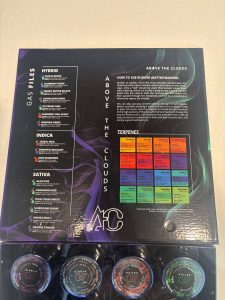
Laboratory testing may identify individual terpenes and their concentrations. Some commonly measured compounds include myrcene, limonene, beta-caryophyllene, pinene, linalool, and humulene.
Each compound has its own chemical characteristics. Their combined presence creates a more complicated aromatic profile than any single terpene could provide.
Furthermore, the dominant terpene can vary between batches. This explains why products carrying the same general name may sometimes have noticeable differences in aroma.
Flavor Considerations
Flavor is influenced by both cannabinoids and aromatic compounds. Terpenes can contribute significantly to the sensory character of a concentrate, although the perceived flavor can also depend on temperature, storage, and individual sensitivity.
A product's published flavor description should therefore be considered a general representation rather than a guarantee of an identical sensory experience for every person.
Appearance and Color
Color Variation
Cannabis concentrates can display a range of colors, including pale yellow, golden, amber, and darker shades.
Color alone does not provide a reliable measurement of potency, freshness, purity, or quality. Several factors can influence appearance, including the original plant material, extraction conditions, processing, oxidation, and storage.
Consequently, visual inspection should not replace laboratory testing.
Crystalline or Sugary Features
Some concentrates may develop small crystalline or granular structures during processing or storage. These features can result from changes in cannabinoid composition and physical conditions.
Likewise, a smooth appearance may change over time as temperature and environmental exposure affect the concentrate.
These physical changes illustrate why concentrates are chemically active materials rather than completely static products.
Packaging and Label Information
Product Weight
The stated net weight identifies how much concentrate is contained in the package. This information is separate from cannabinoid potency.
For example, two packages can contain the same amount of concentrate while having different cannabinoid concentrations. Reading both the weight and laboratory results provides a clearer understanding of the product.
Cannabinoid Percentage
Cannabinoid percentages describe the concentration of specific cannabinoids within the tested material. THC is commonly reported for cannabis concentrates, while CBD and other cannabinoids may also appear when present.
The exact values should always be taken from the packaging or corresponding laboratory report.
Batch Numbers
Batch numbers connect a physical product with its production and testing information. This detail becomes especially useful when laboratory reports are available online or through a regulated retailer.
Matching the batch number against the certificate of analysis helps establish that the reported test results correspond to the product being examined.
Storage Considerations
Temperature
Temperature can influence the consistency of badder considerably. Lower temperatures may make the concentrate firmer, whereas warmer conditions can soften it.
Repeated temperature changes may also affect the physical characteristics of the material. Therefore, stable storage conditions are generally preferable to frequent fluctuations.
Light Exposure
Light can contribute to chemical changes in cannabis products over time. Concentrates are therefore commonly kept away from direct sunlight and excessive illumination.
A dark storage environment can help reduce unnecessary exposure.
Air Exposure
Oxygen exposure may gradually affect aroma and chemical stability. Containers that remain properly sealed can reduce unnecessary contact with air.
This becomes particularly relevant when a product is stored for an extended period.
Batch-to-Batch Differences
No two cannabis batches are necessarily identical. Even when the same cultivar and production method are used, environmental conditions and plant chemistry can introduce differences.
Harvest timing can influence cannabinoid and terpene concentrations. Processing conditions can affect texture and appearance. Storage can then introduce additional changes.
As a result, laboratory information from one batch should not automatically be applied to another.
Product Quality and Verification
Laboratory Documentation
A certificate of analysis can provide useful information about a product's chemical composition and testing status. Depending on the jurisdiction and regulatory framework, the report may include cannabinoid concentrations, terpene data, and safety screening.
Independent testing is particularly valuable because appearance and aroma cannot reliably reveal the complete chemical profile of a concentrate.
Regulatory Compliance
Cannabis regulations differ considerably between jurisdictions. Legal products may therefore have specific packaging, labeling, testing, and distribution requirements.
Information such as manufacturing details, batch identification, warnings, potency, and testing results can form part of the required labeling.
Because regulations change between locations, local authorities and licensed sources remain the most appropriate references for current requirements.
Final Product Perspective
Above the Clouds Live Resin Badder can be described through its combination of live-resin processing and badder-style concentrate consistency. The live-resin approach focuses on preserving characteristics of freshly harvested cannabis, while the badder format describes the soft physical texture of the finished concentrate.
Its exact cannabinoid levels, terpene composition, color, aroma, and consistency depend on the individual batch. Consequently, product packaging and laboratory documentation offer more reliable information than generalized descriptions.
Understanding these factors makes it easier to distinguish extraction method, physical texture, chemical composition, and storage characteristics. Together, they provide a more complete picture of what a live resin badder product represents within the broader cannabis concentrate category.
Reviews
There are no reviews yet.