Description
Dope Department 3G Disposable: Product Overview
Introduction
The
Dope Department 3G Disposable is a compact
, pre
-filled disposable device designed around convenience and portability
. Its 3G designation refers to the stated product capacity, while the exact contents
, formulation
, and available options depend on the specific product version and applicable market
.
Designed in a disposable format, the device combines the cartridge and battery into a single unit. As a result, there is no separate battery assembly or reusable cartridge system involved. Once the product has reached the end of its usable life, the entire device is typically treated according to applicable disposal requirements.
Because product specifications can vary between batches, editions, and retailers, the package information remains the most reliable source for details such as ingredients, cannabinoid concentration, flavor, strain, manufacturing information, and testing documentation.
Product Format
The Dope Department 3G Disposable uses an all-in-one format. This type of design is generally associated with a simple product structure in which the reservoir and power source are integrated into one device.
The stated 3G capacity distinguishes this model from smaller disposable formats. However, capacity alone does not describe the strength, composition, or expected experience of the product. Those details depend on the formulation listed on the specific package.
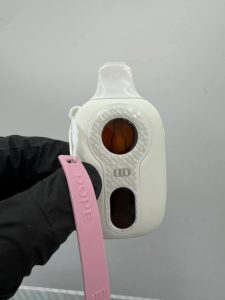
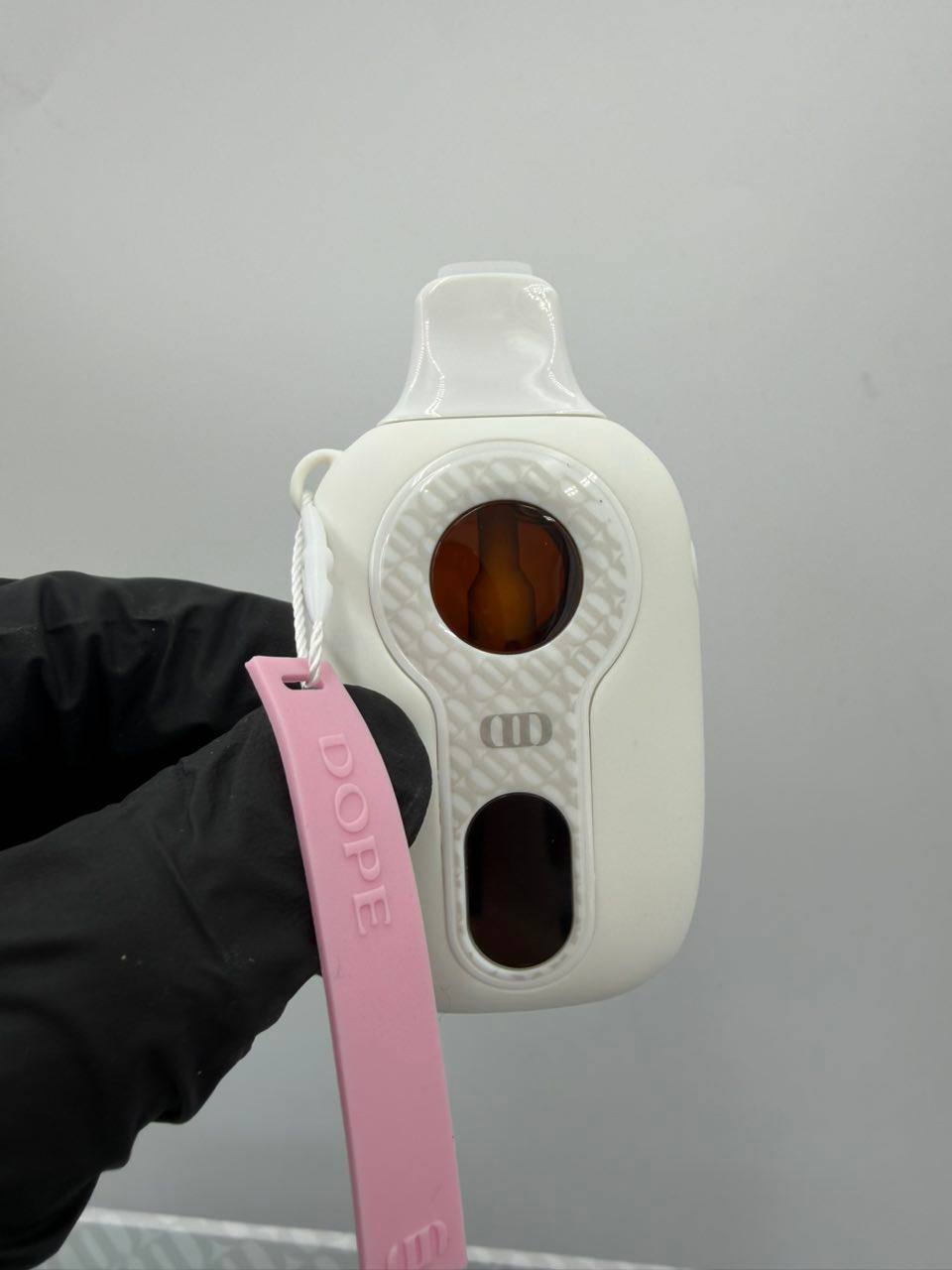
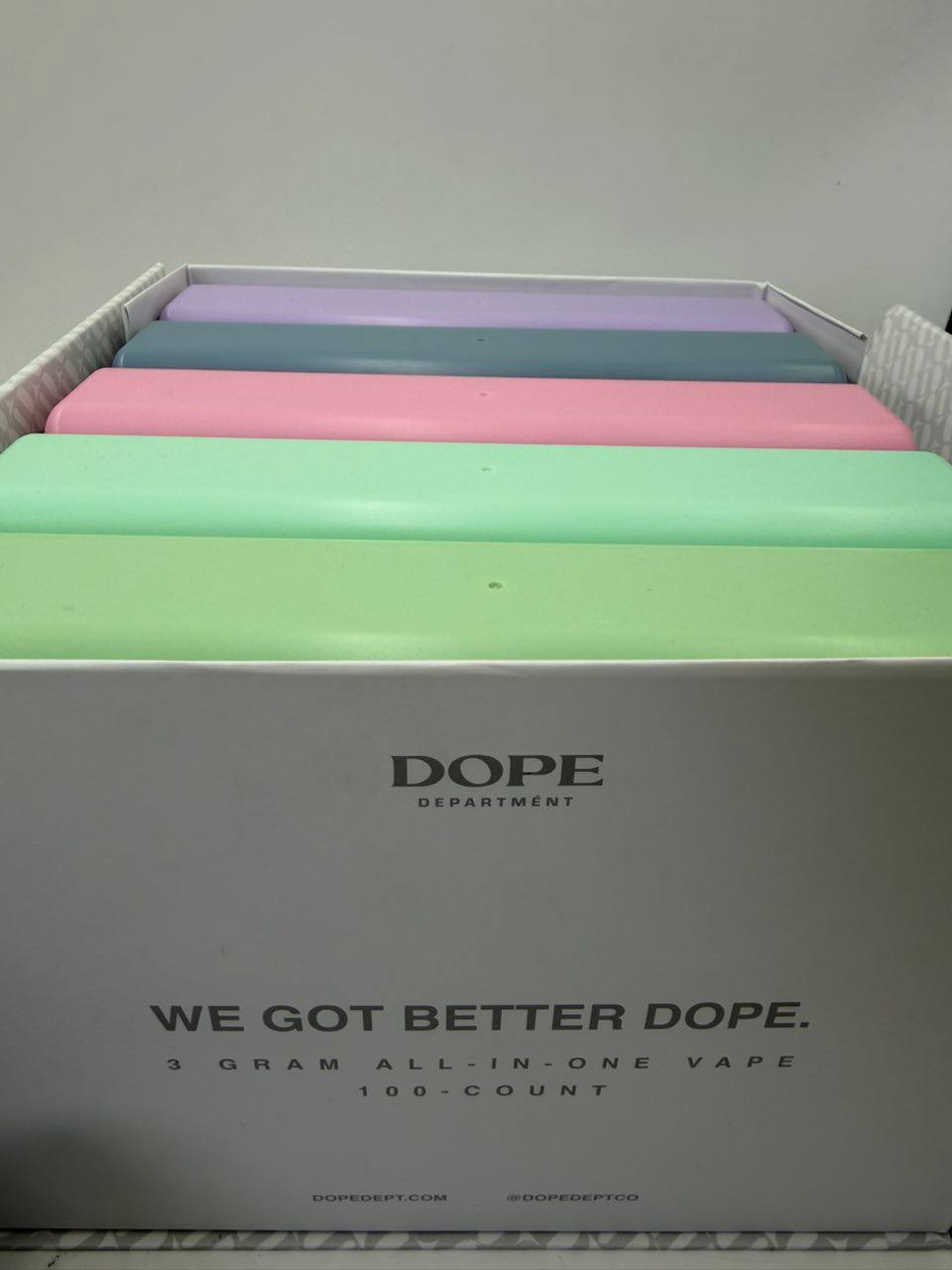
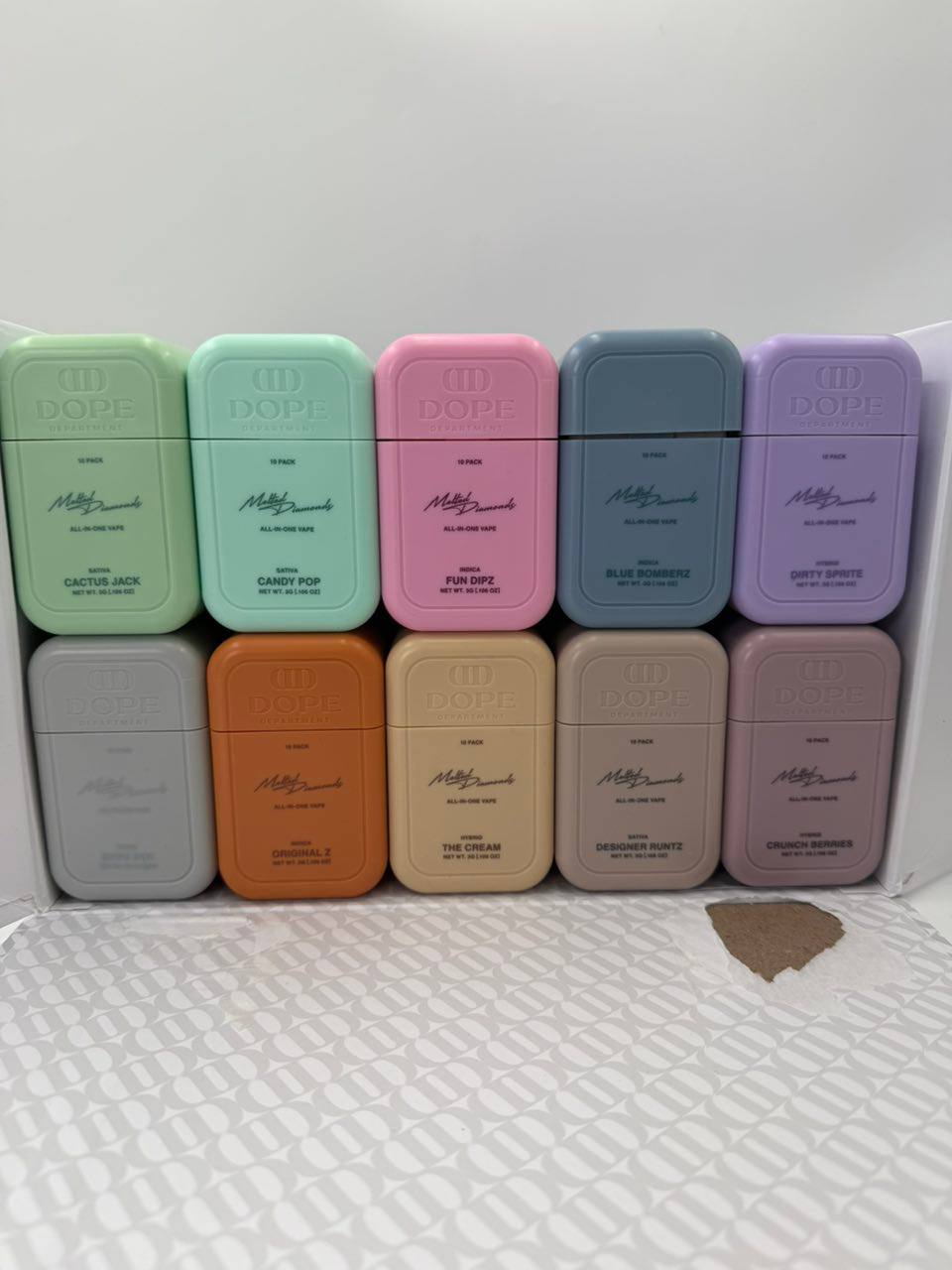
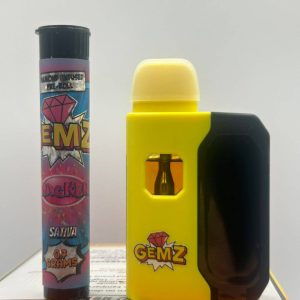
The device may also differ in appearance depending on the edition or production run. Packaging, labeling, hardware design, and available variants can change over time. Therefore, the physical appearance should be confirmed against the exact unit being offered.
Size and Portability
Disposable devices are commonly designed with portability in mind. The compact format allows the product to fit into many everyday storage spaces without requiring a separate charging case or external cartridge.
For consumers evaluating the Dope Department 3G Disposable, portability can be considered alongside the overall dimensions, mouthpiece design, battery configuration, and packaging information shown on the individual unit.
Since exact hardware measurements have not been provided here, specific dimensions should not be assumed. Product listings should rely on verified manufacturer or package information rather than estimated specifications.
Capacity Information
The 3G label indicates the stated capacity associated with this version of the disposable. Capacity is an important specification because it helps distinguish the product from devices sold in smaller or larger formats.
Nevertheless, capacity should not be confused with potency. A larger amount of material does not automatically mean a stronger formulation. Potency depends on the concentration and composition of the active ingredients identified on the product label.
Where testing information is supplied, consumers can use the listed results to understand the stated cannabinoid profile more accurately. In regulated markets, laboratory documentation may also provide additional information about contaminants, ingredients, or batch identification.
Formulation and Ingredients
The formulation of a disposable product may vary by edition. Depending on the exact product, the package may identify cannabinoids, terpenes, flavoring ingredients, botanical extracts, or other components.
The complete ingredient list should be reviewed before use, particularly by individuals who have known sensitivities or who need to avoid particular substances.
No specific ingredient profile should be inferred solely from the Dope Department name or the 3G capacity. The exact formulation should be taken from the label, certificate of analysis, or other reliable product documentation associated with the individual batch.
Flavor and Strain Information
Some disposable products are offered in multiple flavor or strain varieties. If a particular Dope Department 3G Disposable edition has a named flavor, strain, or terpene profile, that information should appear in the product title, package labeling, or batch documentation.
Flavor descriptions can be subjective, while strain names may describe a marketed product identity rather than a standardized chemical profile. Therefore, names alone do not provide a complete description of the product's composition.
Where terpene or cannabinoid information is available, those details provide a more useful reference for comparing different versions of the product.
Device Construction
An integrated disposable combines the internal battery, reservoir, heating system, and mouthpiece within a single unit. This construction reduces the number of separate components associated with the product.
The internal heating element is designed to warm the contents of the reservoir. The resulting vapor is then delivered through the mouthpiece. Exact hardware specifications, airflow systems, coil materials, and activation methods vary by manufacturer and model.
Because those specifications have not been independently verified for this product, they should not be presented as confirmed features without supporting documentation.
Packaging
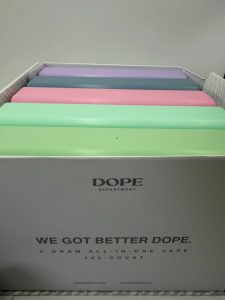
Packaging provides an important source of product information. Depending on the market and applicable regulations, the package may display the product name, capacity, ingredients, cannabinoid information, batch number, manufacturing details, testing information, warnings, and other required disclosures.
The packaging may also identify the particular edition or flavor. Differences between packages can therefore help distinguish one version from another.
For product identification purposes, the information printed on the original package is more reliable than descriptions copied between unrelated listings.
Laboratory and Batch Information
Where laboratory testing is available, batch-specific documentation can provide useful information about the contents of a product. A certificate of analysis may identify cannabinoid percentages or concentrations and may include testing categories established by the relevant laboratory or regulatory framework.
Testing results should always be connected to the correct batch. A laboratory report from a different production run does not necessarily describe the exact contents of another unit.
For that reason, batch numbers, package identifiers, and laboratory references should be checked carefully when documentation is available.
Storage Considerations
Product condition can be influenced by storage conditions. Excessive heat, prolonged sunlight, moisture, and other unsuitable environments may affect packaging or product components.
A stable, dry storage environment is generally preferable for packaged products. The exact storage requirements provided by the manufacturer should take precedence over generalized guidance.
The package should also remain protected from unauthorized access, particularly in households where children or other individuals may encounter the product.
Intended Product Category
The Dope Department 3G Disposable belongs to the disposable vapor-product category associated with cannabinoid products. The exact legal classification can vary by jurisdiction, formulation, and cannabinoid content.
Regulations surrounding cannabis-derived and hemp-derived products differ significantly between countries, states, provinces, and other jurisdictions. A product that is permitted in one location may be restricted or prohibited in another.
Accordingly, the applicable local laws and the product's verified labeling should be considered together.
Product Identification
A complete product listing benefits from accurate identification. The product name, stated capacity, edition, batch information, and formulation details can help distinguish the Dope Department 3G Disposable from similarly named products.
Clear identification is particularly important when multiple versions are available. A listing that combines information from different variants can create confusion about the actual product being described.
Descriptions should therefore separate confirmed specifications from optional or variable characteristics.
General Product Experience
The experience associated with a cannabinoid disposable can differ considerably between individuals. Factors such as formulation, cannabinoid concentration, tolerance, metabolism, and other personal variables may influence how a product is perceived.
For this reason, a general product description should avoid guaranteeing a particular effect. Terms such as relaxing, energizing, uplifting, or calming can describe subjective experiences, but they should not be presented as universal outcomes.
A factual description is better supported by verified information about the product's formulation and labeling.
Responsible Product Information
Product information is most useful when it remains accurate and transparent. Capacity, ingredients, cannabinoid content, testing documentation, manufacturing details, and applicable warnings should be presented only when they have been verified.
Unverified claims about medical benefits, guaranteed effects, purity, potency, or performance can create misleading expectations. Those claims are especially important to avoid when product information varies between batches.
Where information is unavailable, a clear statement that the specification has not been provided is preferable to an invented detail.
Comparing 3G Disposable Formats
A 3G disposable can be compared with other disposable formats by examining several verified specifications. Capacity is one factor, while cannabinoid profile, ingredients, hardware configuration, testing documentation, and packaging are others.
A higher stated capacity does not necessarily indicate better quality. Similarly, a familiar product name does not replace the need for batch-specific information.
Consumers evaluating different products can therefore compare measurable details rather than relying entirely on branding or marketing language.
Product Quality Considerations
Quality can involve multiple elements, including manufacturing consistency, packaging integrity, accurate labeling, testing documentation, and proper storage.
A product with clear batch identification and supporting laboratory information offers more verifiable information than a product with limited documentation.
Packaging condition also matters. Damaged, opened, leaking, or improperly stored products may raise concerns that should be addressed before the product is considered for use.
Authenticity and Verification
Brand-name disposable products can sometimes be difficult to distinguish from unauthorized or counterfeit versions based on appearance alone. Packaging details, batch information, authentication systems, and documentation can provide additional reference points where available.
Verification procedures depend on the manufacturer and product line. Therefore, any authenticity feature should be checked through an official source or the information supplied with the product.
A product description should not claim authenticity unless there is a reliable basis for that statement.
Legal and Regulatory Considerations
Cannabinoid products are subject to changing legal frameworks. The legal status of a disposable may depend on its ingredients, cannabinoid concentration, source material, labeling, and jurisdiction.
Age restrictions and purchasing requirements may also apply. Some jurisdictions impose additional rules concerning packaging, testing, transportation, advertising, or possession.
For that reason, the legal status of a Dope Department 3G Disposable cannot be determined from the product name alone.
Safety Information
Cannabinoid-containing products may not be appropriate for everyone. Individual reactions can vary, and certain people may need to avoid specific ingredients or cannabinoids because of health considerations, medication interactions, pregnancy, allergies, or other circumstances.
The package warnings and manufacturer information should be reviewed carefully. Professional medical advice may also be appropriate when there are questions about potential interactions or health conditions.
The product should be kept away from children and unauthorized users, and damaged or leaking units should be handled according to applicable safety and disposal guidance.
Disposal
Disposable devices contain electronic components and should not automatically be treated as ordinary household waste. Local disposal requirements may differ depending on the jurisdiction and the battery technology used in the device.
Where battery or electronic-waste collection programs are available, those channels may provide more appropriate disposal options.
The manufacturer's instructions and local waste regulations should be used as the primary reference.
Why Accurate Product Descriptions Matter
An accurate product description helps distinguish verified specifications from assumptions. This is particularly important for cannabinoid products, where formulations, regulations, and labeling requirements can vary.
A useful description identifies the product category, stated capacity, packaging information, available documentation, and important limitations without promising a particular outcome.
That approach also makes it easier to update a product page when a new edition or batch becomes available.
The Dope Department 3G Disposable is a disposable-format cannabinoid product identified by its stated 3G capacity. Its integrated design places the primary components within a single device, creating a compact product format.
Exact details such as cannabinoid concentration, ingredients, strain, flavor, battery specifications, testing results, and hardware features should be taken from the specific package and supporting documentation. These details may vary by edition or batch and should not be assumed from the product name alone.
For an accurate product listing, verified specifications remain the most important reference. Clear labeling, batch information, testing documentation, storage guidance, safety information, and local regulatory requirements all contribute to a more complete understanding of the product.
Overall, the Dope Department 3G Disposable can be described factually through its format, stated capacity, packaging information, formulation details, and verified documentation. A careful product page keeps those facts separate from subjective claims, helping readers understand exactly what is known about the specific unit being described.
Additional Information About the Dope Department 3G Disposable
Understanding the 3G Label
The 3G designation is one of the most visible specifications associated with the Dope Department 3G Disposable. It identifies the stated amount of material contained within the disposable format. However, this number should always be interpreted alongside the product's complete labeling.
Capacity and potency represent different specifications. A product can contain a larger amount of material without having a proportionally higher concentration of active cannabinoids. Therefore, the 3G designation should not be treated as a direct measurement of strength.
For accurate comparison, information such as total cannabinoid concentration, ingredient composition, and batch-specific testing provides additional context.
Product Variations
Different versions of a disposable may be released under the same product family. Variations can include flavor names, strain names, packaging designs, cannabinoid formulations, or other identifiers.
Because of these differences, a general description should not combine specifications from several versions. Doing so can make an individual product appear to contain ingredients or features that are not actually present.
The exact variant should therefore be identified before information is added to a product listing.
Appearance and Design
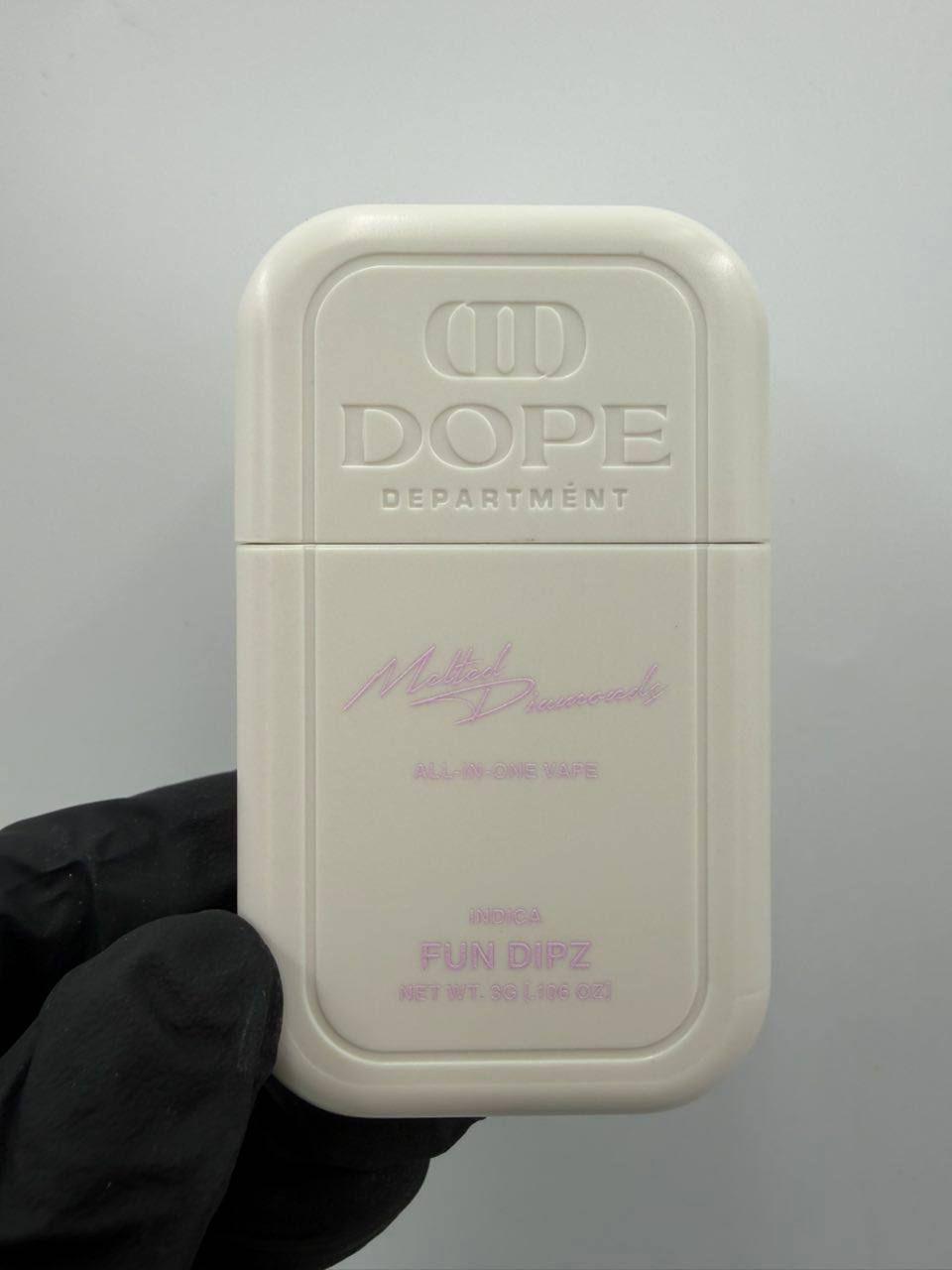
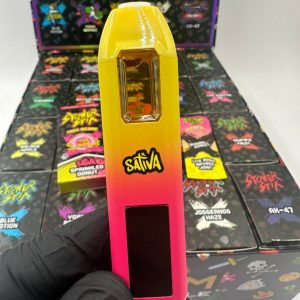
The external appearance of a disposable contributes to product identification, although appearance alone does not establish its contents. Colors, logos, labels, printed graphics, and device shapes can differ between product versions.
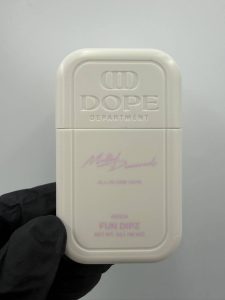
Packaging can also change as manufacturers update branding or meet different regulatory requirements. Consequently, images and written descriptions should correspond to the specific version represented in a listing.
A visually similar device should not automatically be assumed to have identical internal specifications.
Internal Components
A disposable device generally contains several integrated components. These can include a reservoir, heating element, battery, mouthpiece, airflow pathway, and external housing.
The internal design allows these components to function together as one product. Exact construction details, however, depend on the manufacturer and model.
Without manufacturer documentation, specific claims about coil materials, battery capacity, heating technology, or airflow engineering should remain unconfirmed.
Battery Considerations
The battery is an essential part of a disposable device because it provides the electrical power required by the heating system. Battery specifications can influence operating characteristics, although the precise relationship depends on the device design.
Not every disposable uses the same battery capacity or activation method. Some models may incorporate automatic activation, while others can use a different mechanism.
Because the exact Dope Department 3G hardware specifications have not been provided, these characteristics should be confirmed from the physical product or manufacturer documentation.
Mouthpiece Design
The mouthpiece is the component through which vapor exits the device. Its shape, size, and construction can differ across disposable products.
Although mouthpiece design can affect general physical handling, it does not by itself determine the formulation contained inside the reservoir.
For product identification, mouthpiece details are best treated as hardware specifications rather than indicators of potency, quality, or effects.
Packaging Information
The original package can contain important information that is not immediately visible on the device itself. Depending on local requirements, the package may identify the manufacturer, batch number, net contents, ingredients, warnings, cannabinoid information, and testing references.
Some packaging may also include a manufacturing date or other traceability information.
These details become especially useful when several versions of the same product are available. A complete listing can therefore be improved by matching the written description to the exact information shown on the package.
Batch Numbers
Batch identification supports product traceability. A specific batch number can connect a physical unit with manufacturing records or laboratory documentation where such records are available.
A batch number should not be confused with a product model number. The model identifies a broader product category, whereas a batch number can identify a particular production group.
For this reason, laboratory documentation should be checked against the batch information printed on the product or its packaging.
Certificate of Analysis
A certificate of analysis, commonly called a COA, may provide additional information about a cannabinoid product. Depending on the testing laboratory and applicable regulations, a COA can contain information concerning cannabinoid concentrations and selected testing categories.
The value of a COA depends on whether it can be connected to the specific product batch. A generic document without appropriate batch identification may not establish the composition of an individual device.
When available, testing information is therefore most useful when the product label and laboratory documentation correspond clearly.
Cannabinoid Information
Cannabinoid products can contain different combinations and concentrations of cannabinoids. The exact profile should be taken from verified labeling rather than inferred from branding.
A product name does not independently establish whether a disposable contains THC, CBD, CBG, or another cannabinoid. Likewise, a strain-inspired name does not provide a complete chemical profile.
This distinction matters because cannabinoid composition is one of the most important specifications for understanding a product.
Terpene Information
Terpenes are aromatic compounds found in many plants, including cannabis. When a product includes terpene information, the label may identify individual compounds or provide a broader profile.
Terpene information can contribute to a more detailed description of a formulation, although it should not be used as proof of a specific subjective effect.
Where terpene details are unavailable, the product page should simply state that no verified terpene information was supplied.
Flavor Descriptions
Flavor names are often used to differentiate product variants. However, the meaning of a flavor name can vary between manufacturers.
A flavor title may refer to a combination of natural or artificial flavoring compounds, terpene characteristics, or a branded concept. It should not automatically be interpreted as a complete ingredient description.
The exact ingredients listed on the packaging remain the more reliable reference.
Strain Names
Some cannabinoid products use strain names to identify particular variants. These names may be associated with traditional cannabis genetics, product branding, or a combination of both.
A strain name alone does not provide enough information to determine cannabinoid concentration or chemical composition. Laboratory data and package specifications offer a more precise reference.
Consequently, strain terminology can be included as a product identifier when verified, while broader claims about effects should remain separate.
Storage and Product Condition
The condition of a disposable can change when it is exposed to unsuitable environments. Temperature extremes, direct sunlight, moisture, and physical damage can all affect packaging or device components.
The manufacturer's specific storage instructions should take priority where they are available.
A product that shows signs of leakage, cracking, damaged packaging, or other physical problems should be treated carefully and evaluated according to the relevant safety information.
Transportation Considerations
Transportation requirements can vary according to local law and the type of battery or cannabinoid product involved. Rules may apply to carrying, shipping, or possessing these products.
Because transportation regulations are jurisdiction-specific, a product description should avoid claiming that a disposable can be transported without restrictions.
Applicable laws, carrier policies, and manufacturer instructions provide the appropriate reference for transportation questions.
Regulatory Differences
Cannabinoid regulations differ substantially across jurisdictions. The legality of a product can depend on cannabinoid type, concentration, source material, testing requirements, labeling, age restrictions, and other factors.
For that reason, a product that is legally available in one region may be restricted in another.
Product descriptions should therefore avoid universal legal claims unless they are supported by current regulations for the specific location concerned.
Age Restrictions
Many jurisdictions impose minimum-age requirements for cannabinoid products. Those requirements can differ depending on the jurisdiction and product category.
Age restrictions are separate from product specifications such as capacity or formulation. Therefore, the 3G designation does not determine who may legally possess or purchase the product.
Current local requirements should be reviewed before making any age-related statement in a product listing.
Responsible Product Information
A reliable product page should distinguish confirmed facts from descriptions that are subjective or unsupported. Capacity, ingredient information, cannabinoid content, and laboratory documentation are examples of specifications that can be verified.
In contrast, guaranteed outcomes, medical claims, or universal statements about effects cannot be established simply from the product name.
This distinction is particularly important when product information is shared online, where copied descriptions can quickly spread inaccurate specifications.
Product Listing Accuracy
A strong product listing begins with correct identification. The product title should correspond with the actual device, while the specifications should come from verified packaging or manufacturer documentation.
Images should also represent the appropriate product version. Mixing photographs from different editions can lead readers to expect features that are not included with the actual item.
Accurate descriptions are therefore useful for both consumers and retailers because they reduce confusion about what the product actually contains.
Comparing Different Disposable Products
When two disposable products are compared, several specifications can be considered together. Capacity, cannabinoid profile, ingredients, battery design, testing information, and packaging are all relevant.
A comparison based only on the number of grams can overlook important differences. Two devices with the same stated capacity may have very different formulations, hardware, or testing documentation.
Therefore, capacity is best treated as one specification within a broader product comparison.
General Handling Information
The disposable format combines several components into a compact housing, making careful physical handling important. Excessive force, exposure to extreme temperatures, or damage to the housing can affect the device.
The manufacturer's instructions should take precedence wherever detailed handling information is provided.
Packaging should also remain intact until the product is ready to be evaluated for its intended use, especially when traceability information is printed on the original container.
Authentic Product Documentation
Documentation can make product verification easier. Manufacturer information, batch references, laboratory reports, and clear labeling all contribute to traceability.
When these elements correspond with one another, the product's stated specifications can be evaluated with greater confidence.
By comparison, listings with incomplete photographs, unclear packaging, or missing batch information provide less evidence for verifying individual claims.
Updating a Product Description
Product information should be reviewed whenever a manufacturer introduces a new edition or changes packaging. A description that was accurate for one version may become outdated when specifications are revised.
Regularly checking the package and available manufacturer documentation helps keep product pages aligned with the actual item.
This approach also reduces the likelihood of accidentally combining information from older and newer versions.
Summary of Verified Product Characteristics
The Dope Department 3G Disposable is identified as a disposable-format product with a stated 3G capacity. Beyond that specification, additional characteristics depend on the exact version and supporting documentation.
Information concerning cannabinoids, ingredients, flavor, strain, battery configuration, testing results, and manufacturing details should be linked to the specific product or batch.
As a result, the most reliable description is one that clearly separates confirmed specifications from details that remain unverified.
Final Perspective
The Dope Department 3G Disposable can be documented through a combination of product labeling, packaging information, manufacturer specifications, and batch-specific testing where available.
Its 3G designation provides information about stated capacity, while other specifications explain the product in greater detail. These include formulation, cannabinoid composition, ingredients, hardware configuration, packaging, and applicable regulatory information.
At the same time, the exact characteristics of an individual unit should not be assumed from its name alone. Product versions can change, and different batches may have different documentation.
A clear, accurate description therefore remains centered on verifiable information. Rather than presenting unconfirmed claims as facts, it identifies what can be established from the available product documentation and leaves variable specifications tied to the exact version being described.
Reviews
There are no reviews yet.