Description
Fanta Twist 2G Disposable Product Information
Product Overview
The
Fanta Twist 2G Disposable is a compact, pre-filled vaporizer product presented in a portable disposable format. The device combines a small, self-contained body with a pre-filled chamber and an integrated heating system. Because the product is designed as a single-unit device, there is no separate cartridge and battery assembly to manage
.
The name “Fanta Twist” refers to the flavor identity associated with the product. However, the exact formulation, cannabinoid concentration, ingredients, and flavor profile can vary depending on the manufacturer, production batch, and market. Therefore, the packaging and accompanying laboratory documentation remain the most reliable sources for product-specific information.
The 2-gram designation generally refers to the stated amount of oil or concentrate contained in the device. Actual usable contents, cannabinoid percentages, and ingredient composition should always be verified from the product label rather than assumed from the product name alone.
Design and Format
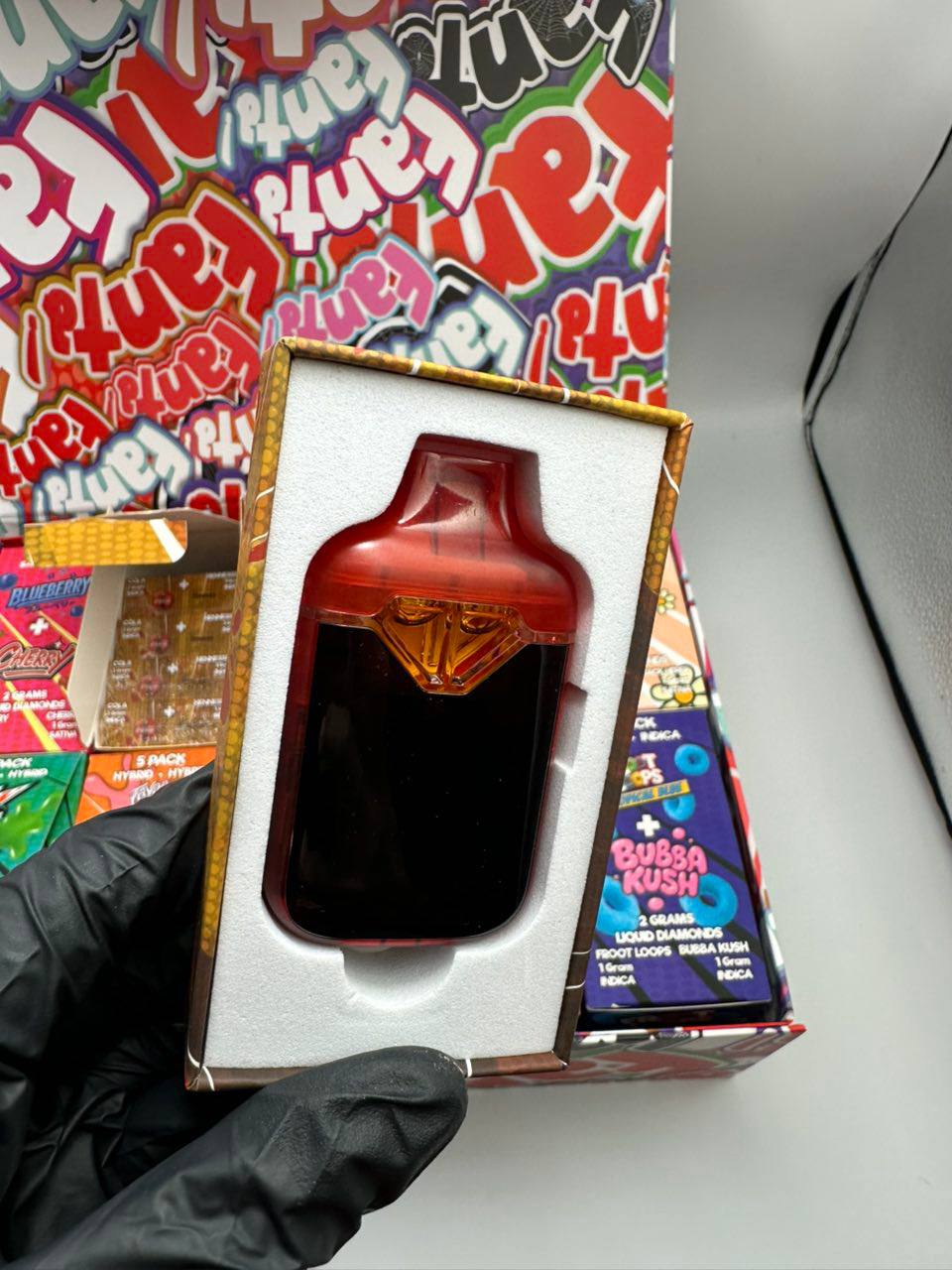
The disposable format gives the product a straightforward physical design. A typical unit contains the reservoir, heating element, airflow pathway, mouthpiece, and battery within one compact body. These components are generally assembled before the product reaches the consumer.
Unlike reusable vaporizer systems, a disposable unit does not require a separate battery or cartridge. Instead, the necessary hardware is incorporated into the device. Consequently, the product is intended to function as a single packaged unit rather than as a modular vaporizer system.
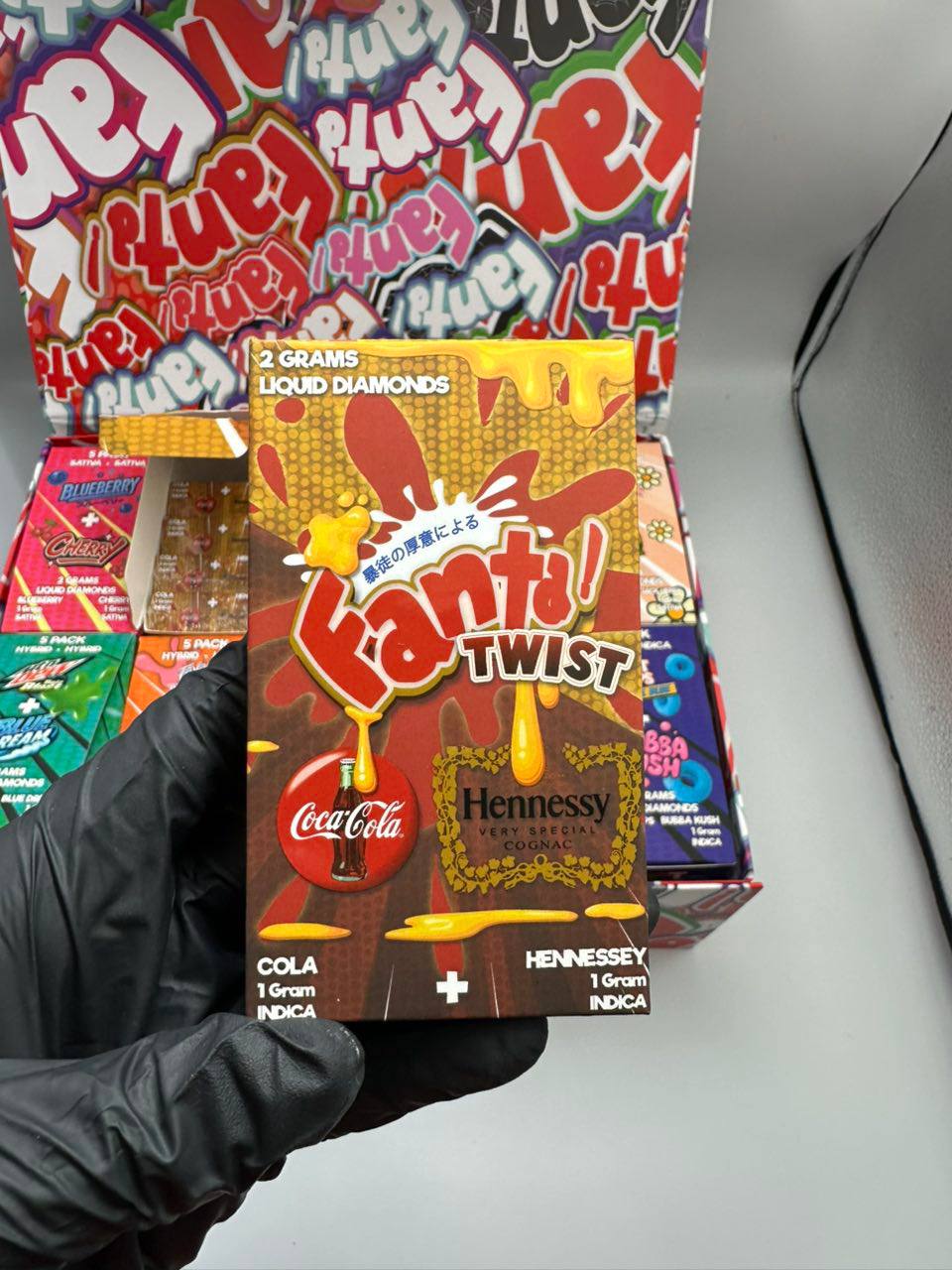
The exterior design may feature printed graphics, branding elements, flavor information, and product specifications. Exact colors, artwork, labeling, and hardware construction can differ between production runs. For that reason, the physical packaging should be checked carefully when identifying a particular version.
2-Gram Capacity
The 2-gram specification is one of the primary identifying characteristics of this product format. It indicates the labeled quantity of material contained inside the disposable device.
However, the stated capacity should not be interpreted as a guarantee of a particular number of uses. Actual consumption varies considerably between individuals and devices. Furthermore, factors such as airflow, heating characteristics, draw duration, storage conditions, and formulation can influence how long the contents remain available.
For accurate product information, the labeled net quantity should be compared with the information supplied by the manufacturer. In addition, batch-specific testing can provide more detailed information about cannabinoid content and other measurable characteristics.
Flavor Information
The Fanta Twist name suggests a sweet, citrus-oriented flavor identity. Nevertheless, flavor descriptions should be based on the manufacturer's official formulation and labeling rather than assumptions connected to the product name.
Flavor perception can also vary from person to person. The same formulation may be experienced differently depending on individual sensitivity, device performance, storage conditions, and other factors.
Additionally, a flavor name does not necessarily describe the complete ingredient profile. The actual formulation may contain terpenes, flavoring compounds, carrier ingredients, or other components. Therefore, the ingredient panel remains important when determining what is contained in a particular unit.
Hardware Construction
A disposable vaporizer generally contains several integrated components. The reservoir stores the material, while the heating element produces the vapor. An airflow channel connects the internal chamber with the mouthpiece, and the battery supplies power to the heating system.
These components work together inside the enclosed housing. Since the system is supplied as a complete unit, users normally do not have access to the internal hardware.
Construction details can vary significantly between manufacturers and versions. Some devices may incorporate automatic draw activation, while others can use different internal heating configurations. Display features, charging systems, airflow controls, and battery specifications may also differ.
For this reason, information printed on the actual package should take priority over generalized specifications found in third-party product listings.
Packaging and Label Information
Packaging provides important information about the product's identity and contents. Depending on the jurisdiction and manufacturer, a package may display the product name, net quantity, cannabinoid information, ingredient details, batch number, manufacturing information, testing information, and regulatory warnings.
A batch or lot number can be particularly useful because product formulations and laboratory results may differ between production runs. Where laboratory testing is provided, the corresponding certificate of analysis can offer additional information about cannabinoid concentrations and contaminant testing.
Packaging should therefore be treated as the primary reference for identifying a specific unit.
Laboratory Testing
Laboratory testing can provide information that is not available from the product name alone. Depending on the testing program, a certificate of analysis may report cannabinoid concentrations as well as screening results for certain contaminants.
Testing information should correspond to the specific product and batch whenever possible. A laboratory report from another product, another flavor, or a different production batch should not automatically be treated as representative of the device being examined.
Furthermore, laboratory results can change between batches. Consequently, current documentation is more useful than an unrelated older report.
Cannabinoid Information
Cannabinoid content should be determined from the official product label and applicable laboratory documentation. Product names and flavor names do not establish the concentration of THC, CBD, or other cannabinoids.
The cannabinoid profile can also vary according to formulation and production batch. Therefore, numerical claims should not be added to a product listing unless they are supported by reliable documentation.
Where cannabinoid information is available, it can be presented alongside the batch number and laboratory reference. This approach gives readers a clearer understanding of which product information has been verified.
Device Identification
Several details can help distinguish one disposable device from another. These may include the printed product name, stated capacity, flavor designation, package design, batch number, manufacturer information, and testing reference.
Counterfeit or inaccurately labeled products can sometimes resemble legitimate products. As a result, packaging consistency and verifiable manufacturer information are important when identifying a product.
A product listing should avoid presenting uncertain specifications as confirmed facts. Instead, information that has not been verified can be identified as variable or dependent on the specific production version.
Storage Considerations
Storage conditions can affect many vaporizer products. Exposure to excessive heat, direct sunlight, moisture, or significant temperature changes may influence the condition of the device or its contents.
Packaging information should be followed for the manufacturer's stated storage requirements. The device should also remain in its original packaging when appropriate, particularly when labeling or batch information may be needed later.
Changes in appearance, leakage, damaged packaging, or other unusual physical conditions can indicate that a product should be examined more carefully before it is handled.
Product Condition
A properly packaged disposable should generally arrive with intact external packaging and readable product information. However, appearance alone cannot establish the authenticity, cannabinoid content, or laboratory quality of a product.
If the packaging contains missing information, inconsistent labeling, damaged seals, or unclear batch details, those issues may warrant verification through the manufacturer or authorized source.
Likewise, unusual leakage or physical damage should not be ignored. The product's condition can provide useful information about whether it was stored or transported appropriately.
Disposable Format Compared With Reusable Devices
Disposable vaporizers differ from reusable systems in several ways. A reusable system usually separates the battery from the cartridge or tank. By comparison, a disposable device integrates these components into a single product.
This design reduces the number of separate hardware components involved. However, it also means that individual internal components generally cannot be replaced independently.
The stated 2-gram capacity likewise distinguishes this product from smaller cartridge formats. Still, capacity alone does not determine performance, duration, or vapor output because those characteristics depend on multiple variables.
Product Specifications
The available specifications should be presented according to verified manufacturer information.
Product name: Fanta Twist 2G Disposable
Format: Disposable vaporizer
Labeled capacity: 2 grams
Flavor designation: Fanta Twist
Battery: Integrated
Reservoir: Integrated
Heating system: Integrated
Cannabinoid profile: Refer to product packaging and laboratory documentation
Ingredients: Refer to the official product label
Batch information: Refer to the package
Laboratory testing: Refer to the applicable certificate of analysis
These specifications should be updated whenever the manufacturer releases a revised version. In particular, cannabinoid percentages, ingredients, hardware configuration, and packaging can change between versions.
Authenticity and Verification
Verification is an important part of responsible product identification. Manufacturer information, batch details, packaging characteristics, and laboratory documentation can all contribute to the verification process.
A QR code or laboratory reference may be included on some products. When present, the destination should correspond to the relevant manufacturer or testing documentation. A generic webpage does not necessarily establish that a particular device has been independently verified.
Additionally, spelling errors, inconsistent branding, missing regulatory information, and unusual packaging can be signs that further verification is appropriate.
Regulatory Information
Regulations concerning cannabinoid products differ by country, state, province, and municipality. Requirements may apply to manufacturing, labeling, laboratory testing, packaging, possession, distribution, and age restrictions.
Consequently, product information should be interpreted according to the laws applicable to the location where the product is manufactured, sold, possessed, or used.
A product listing should not imply that a product is legal everywhere. Legal status can change, and the responsibility for complying with applicable laws remains location-dependent.
Responsible Product Information
Clear product descriptions should separate confirmed specifications from general descriptions. This distinction is especially important for cannabinoid products because formulations, concentrations, and regulations can vary.
A factual listing can identify the device format, stated capacity, flavor designation, packaging details, and available testing information without making unsupported claims about effects or health benefits.
Likewise, subjective descriptions should not be presented as guaranteed experiences. Individual responses can differ, and product characteristics alone cannot establish a particular outcome.
Frequently Asked Questions
What does the 2G specification mean?
The 2G specification generally refers to the labeled quantity of material contained in the disposable device. The exact net quantity should be confirmed from the packaging.
Is the device rechargeable?
Rechargeability depends on the specific hardware version. The product packaging should be checked for charging information rather than assuming that every 2-gram disposable uses the same battery configuration.
What flavor is associated with the product?
The product is identified with the Fanta Twist flavor designation. The precise flavor formulation should be confirmed through the manufacturer's ingredient and flavor information.
Does the flavor name confirm the ingredients?
No. A flavor name alone does not establish the complete ingredient list. The official packaging remains the appropriate source for ingredient information.
Where can cannabinoid percentages be verified?
Cannabinoid percentages should be checked on the product label and, when available, the corresponding laboratory certificate for the relevant batch.
Can different versions have different specifications?
Yes. Manufacturers can revise hardware, formulations, packaging, and labeling. Therefore, the exact version should be identified before specific specifications are published.
How important is the batch number?
The batch number can help connect a product to a particular manufacturing run and laboratory report. It is especially useful when verifying testing information.
What information should appear in a detailed product listing?
A detailed listing can include the product name, format, stated capacity, flavor designation, ingredients, cannabinoid information, batch details, manufacturer information, and applicable regulatory disclosures.
The Fanta Twist 2G Disposable is a compact disposable vaporizer identified by its 2-gram labeled capacity and Fanta Twist flavor designation. Its integrated design combines the reservoir, heating system, battery, airflow pathway, and mouthpiece into a single device.
Because specifications can differ between manufacturers and production batches, verified packaging and laboratory documentation should remain the primary sources for detailed information. In particular, cannabinoid concentrations, ingredients, hardware features, and testing results should not be assumed solely from the product name.
For an accurate product listing, confirmed specifications can be presented alongside clear batch information and appropriate regulatory disclosures. This creates a straightforward reference that focuses on identifiable product characteristics without making unsupported claims about effects, performance, or health outcomes.
Fanta Twist 2G Disposable — Additional Product Information
Appearance and Presentation
The physical presentation of a disposable vaporizer can contribute to product identification. Printed graphics, labeling, packaging dimensions, and hardware shape may differ depending on the production version. Therefore, photographs or descriptions from older listings should not automatically be treated as accurate for every unit.
The exterior may contain several identifying details, including the product name, flavor designation, capacity, manufacturer information, batch number, and regulatory markings. These details can help distinguish one version from another.
Packaging can also provide information about storage, ingredients, testing, and applicable warnings. Since these details are product-specific, the physical package remains more reliable than assumptions based on the product title.
Internal Components
Although the device appears relatively simple from the outside, a disposable vaporizer contains several integrated components. The reservoir holds the product material, while the heating element is responsible for producing vapor when the device is activated.
The battery supplies energy to the heating system. Meanwhile, the airflow pathway connects the internal chamber with the mouthpiece. Depending on the hardware design, activation may occur automatically when airflow is detected.
These components are generally enclosed within the outer housing. As a result, internal specifications are not always visible without technical documentation from the manufacturer.
Capacity and Actual Use
The stated 2-gram capacity describes the labeled amount of material contained within the device. It does not establish a fixed number of uses or a guaranteed operating period.
Several factors can influence how quickly the contents are depleted. Device design, heating characteristics, airflow, storage conditions, and individual usage patterns can all contribute to differences.
For this reason, capacity should be presented as a specification rather than a prediction of duration. A product listing that provides a specific number of expected uses without supporting manufacturer information may give readers an inaccurate impression.
Packaging Details
Packaging is often the most useful source for confirming the identity of a specific unit. The label may include the product name, net quantity, ingredient information, cannabinoid details, batch identification, and manufacturer information.
Where applicable, a laboratory testing reference may also be provided. Such information can help connect the physical product with documentation from a testing facility.
Packaging should remain legible and intact whenever possible. Damaged or incomplete labels can make product verification more difficult.
Batch-to-Batch Differences
Products manufactured at different times may not have identical specifications. Formulations can be updated, packaging can change, and hardware components may be revised.
Laboratory results can also differ between production batches. Consequently, a certificate associated with one batch should not automatically be presented as evidence for another batch.
For accurate catalog information, the batch or lot number can be recorded alongside the applicable testing information. This approach reduces confusion when multiple versions of a product are available.
Ingredient Information
The complete ingredient profile should come from the manufacturer's current packaging or supporting documentation. Flavor names alone do not provide enough information to determine every component used in a formulation.
Ingredient lists can be particularly important when a product has a distinctive flavor designation. A descriptive name may communicate the intended flavor identity while leaving the actual formulation unspecified.
Accordingly, verified ingredient information should take priority over assumptions based on the product's branding.
Laboratory Certificates
A certificate of analysis can provide additional information about a specific product batch. Depending on the laboratory and jurisdiction, the document may contain cannabinoid measurements and screening results for various substances.
The document should correspond to the product being described. Matching details can include the product name, batch number, manufacturer, testing date, and laboratory identification.
A laboratory report without a clear connection to the specific product should be treated cautiously. In addition, testing requirements vary by jurisdiction, so the presence or absence of particular measurements may differ.
Label Accuracy
Clear labeling helps readers understand what a product contains and how it has been identified. Important information should remain consistent across the packaging, product listing, and supporting documentation.
Discrepancies between these sources may require further verification. For example, differences in capacity, batch number, cannabinoid concentration, or manufacturer information can indicate that multiple product versions are being confused.
Accurate descriptions therefore depend on matching the written listing to the physical product rather than relying solely on a product title.
Hardware Variations
Disposable devices are not necessarily built with identical hardware. Different versions can feature variations in battery capacity, airflow design, heating elements, mouthpiece construction, and activation systems.
Some versions may include charging functionality, while others may be designed as single-use devices without an external charging connection. The presence of a particular feature should therefore be confirmed from the actual unit.
Similarly, the appearance of a charging port does not by itself establish battery specifications. Manufacturer documentation provides the more dependable source.
Storage and Product Integrity
Temperature and environmental conditions can influence the condition of a packaged vaporizer. Excessive heat, prolonged sunlight, moisture, and physical pressure may affect the packaging or device.
The manufacturer's storage guidance should take priority where it is available. Original packaging can also help protect identifying information and preserve the product's documentation.
Visible leakage, damaged hardware, broken packaging, or unusual physical changes can make a product unsuitable for ordinary handling and may warrant further inspection.
Product Identification Checklist
A factual catalog entry can be reviewed against several identifying details:
- Product name
- Flavor designation
- Stated capacity
- Manufacturer
- Batch or lot number
- Ingredient information
- Cannabinoid information
- Laboratory documentation
- Packaging condition
- Hardware configuration
- Applicable regulatory information
Keeping these details together creates a clearer product record. It also makes future verification easier when different versions or batches are encountered.
Information That Should Be Avoided
A responsible product description should avoid unsupported claims. In particular, a listing should not present an unverified cannabinoid percentage as confirmed information.
Likewise, claims about guaranteed effects, medical benefits, treatment outcomes, or specific experiences should not be inferred from the product name or flavor.
Statements about authenticity should also be supported by appropriate evidence. Packaging appearance alone cannot conclusively establish whether a product is genuine.
Product Information Versus Marketing Claims
There is an important distinction between describing a product and making promotional claims. Product information focuses on characteristics that can be verified, such as capacity, format, packaging, ingredients, and laboratory documentation.
Marketing language can instead make subjective statements about quality, experience, performance, or expected outcomes. Those statements require evidence and may also be inappropriate where regulations restrict promotional claims.
A fact-based description is therefore more useful when the goal is accurate cataloging or product identification.
Frequently Asked Questions
What is the listed capacity?
The product is identified with a 2-gram capacity. The exact net quantity should be confirmed against the physical packaging.
Is every version identical?
Not necessarily. Hardware, formulation, packaging, and labeling can change between versions and production batches.
Where should ingredient information come from?
The manufacturer's current label or supporting documentation should be used as the primary source.
Can a product name establish cannabinoid content?
No. Cannabinoid concentrations should be verified through the label and relevant laboratory documentation.
Why is batch information useful?
Batch information helps connect a physical product with its specific manufacturing run and, where available, its corresponding laboratory results.
Can packaging change over time?
Yes. Branding, artwork, labels, regulatory information, and other packaging elements can be revised.
Does the 2-gram capacity indicate how long the device will last?
No. The stated capacity describes the labeled quantity rather than a guaranteed duration or number of uses.
Closing Information
The Fanta Twist 2G Disposable can be documented through its identifiable specifications, including its disposable format, stated 2-gram capacity, flavor designation, packaging information, and available laboratory documentation.
Because product specifications may change between batches, current packaging and manufacturer information should remain the primary references. Verified details can then be separated from information that is uncertain or version-dependent.
This approach keeps the product description clear, readable, and useful while avoiding unsupported claims about formulation, performance, effects, or legal status.
Reviews
There are no reviews yet.