Description
An Introduction to the Klick Series 2 Disposable and Its Distinctive Product Identity
The
Klick Series 2 2G Disposable is a product name associated with a compact, single-unit disposable device format. Its identity centers on a portable design, a stated two-gram capacity
, and a streamlined exterior that distinguishes it from larger, more complex device systems. For customers researching this product, the device name provides a starting point for understanding its format, while verified packaging details provide the information needed to establish its exact specifications.
In addition, the Series 2 designation suggests a particular product version within a broader naming system. However, the precise differences between versions depend on the manufacturer's documentation. Consequently, features such as the heating mechanism, charging connection, battery specifications, and available display functions should be identified through reliable product information rather than assumptions based on the name alone.
The two-gram designation is another important part of the product identity. It refers to the stated capacity associated with the product, although the exact meaning and permitted contents depend on the product category and labeling. Therefore, the packaging remains the most reliable source for confirming the listed quantity, formulation, and other material details.
A Closer Look at the Compact Exterior and the Practical Design of the Device
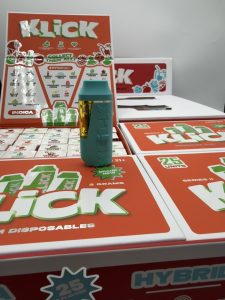
The physical design of a disposable device affects its appearance, dimensions, and general handling characteristics. A compact format typically places the principal components within one integrated housing, creating a product that differs from systems built around separate batteries and replaceable cartridges.
For the Klick Series 2, the actual exterior should be assessed through photographs and manufacturer specifications for the precise version being listed. Details such as the casing material, surface finish, dimensions, weight, and arrangement of controls should not be assumed without supporting information.
Moreover, a product's appearance can vary across editions, packaging runs, or regional markets. A consistent product listing therefore benefits from photographs that represent the actual item rather than a visually similar model. This distinction helps customers understand what the listed product looks like before making an informed decision.
The exterior may also contain printed branding, identifying marks, or other visual details. However, their presence and arrangement should be confirmed using the specific packaging. Accurate descriptions of these elements provide a clearer picture of the product without relying on exaggerated claims about construction or performance.
Understanding the Meaning of the Two-Gram Capacity Description
The term “2G” forms a central part of the Klick Series 2 2G Disposable product name. In product listings, this abbreviation commonly represents a stated two-gram quantity, but the exact interpretation must be consistent with the manufacturer's label and the applicable product category.
Capacity information is useful because it helps distinguish products with different listed quantities. Nevertheless, capacity alone does not establish the composition, concentration, quality, or performance of the contents. Those details require separate documentation.
For example, a complete specification sheet may identify the net quantity, ingredient information, batch identification, and relevant testing details. In contrast, a product name alone may provide only limited information about these characteristics.
Accordingly, the most useful product description separates confirmed specifications from details that remain unverified. This approach creates a clearer record for customers and reduces the likelihood of inaccurate claims appearing on a product page.
Product Identification, Packaging Details, and Version Accuracy
Accurate identification is particularly important when several products share similar names. A numbered series may include different editions, and those editions may not have identical dimensions, components, or labeling.
For that reason, the Klick Series 2 listing should correspond to the exact item represented in its photographs. The product name, stated capacity, packaging design, and identifying information should agree across the product page and the physical package.
Additionally, the packaging may provide information about the manufacturer or distributor, product classification, batch number, and applicable warnings. The availability of these details varies by product and jurisdiction, so the listing should reflect only what can actually be verified.
A clear identification process also makes product records easier to maintain. When the same item appears in inventory systems, product photographs, and customer-facing descriptions, consistent naming reduces confusion between similar versions.
Battery and Heating Specifications That Require Manufacturer Confirmation
Battery and heating components can influence the technical characteristics of a disposable device. However, the exact configuration of the Klick Series 2 cannot be established from its name alone.
A verified technical description may identify the battery type, rated capacity, charging connection, heating technology, and any electronic indicators. Where those specifications have not been confirmed, the product page should leave them unspecified instead of presenting guesses as established facts.
Likewise, charging-related information should match the manufacturer's documentation. An assumed connector type or charging method could mislead customers and create unnecessary uncertainty about compatibility.
Battery safety information also deserves attention. Electronic devices containing rechargeable batteries require appropriate storage and handling, while damaged, leaking, unusually hot, or swollen devices may present hazards. Any product-specific safety guidance should be based on the manufacturer's instructions and applicable regulations.
Clear Product Information for a More Reliable Customer Experience
A useful product page explains what is known, distinguishes it from what remains uncertain, and presents information in a straightforward order. The Klick Series 2 2G Disposable listing benefits from this approach because the product name alone does not confirm every technical or compositional detail.
Furthermore, accurate information helps establish reasonable expectations. A verified capacity statement, representative photographs, clear identification, and appropriate safety information provide more value than unsupported claims about exceptional performance or guaranteed results.
Ultimately, the strongest product description is one that accurately represents the specific item being documented. With confirmed specifications and consistent product identification, the Klick Series 2 listing can provide a clear reference for customers researching its format, appearance, and documented features.
How the Klick Series 2 Product Fits Into a Well-Organized Product Collection
The Klick Series 2 2G Disposable can be presented within a product collection organized around device format, stated capacity, and verified model information. A clear category structure helps customers distinguish this item from other disposable products without relying on vague descriptions or unsupported comparisons.
For example, product categories may be organized by device type, package quantity, manufacturer, or confirmed technical specifications. In addition, consistent naming makes it easier to identify the correct version when multiple products share similar branding.
A well-organized catalog also benefits from concise introductory information. The product name establishes the main identification, while the supporting description explains the known format and points customers toward the specifications printed on the package.
However, comparisons should remain factual. Similar product names do not necessarily indicate identical components, formulations, or manufacturing standards. Therefore, any comparison between the Klick Series 2 and another model should be based on documented information rather than appearance alone.
Flavor Names, Formulation Information, and the Importance of Accurate Labeling
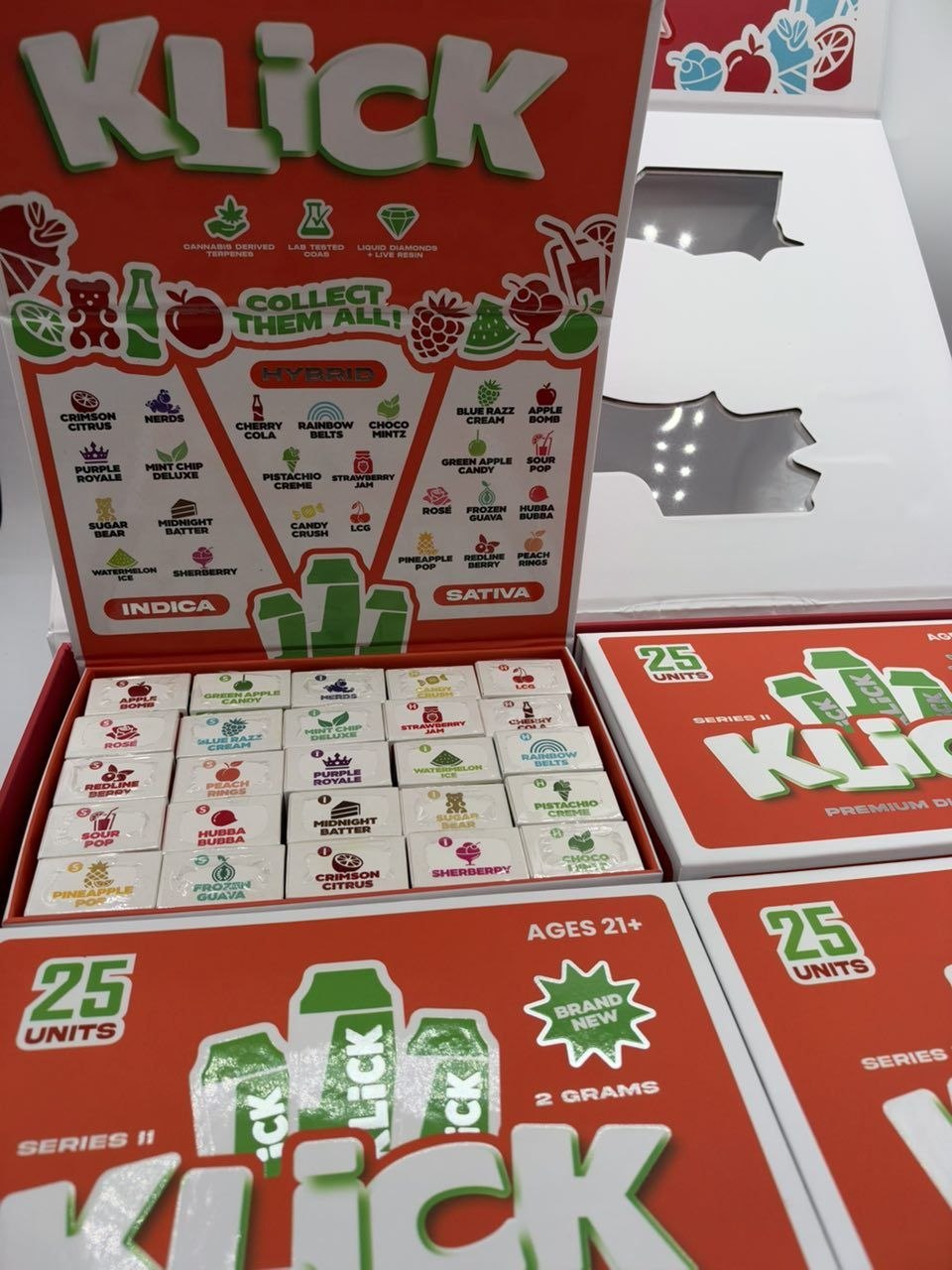
Flavor names and formulation details can be important elements of certain product listings. Nevertheless, the available flavor selection for the Klick Series 2 should not be inferred from the product name. Specific options need to be confirmed through current packaging, manufacturer records, or a reliable authorized distributor.
Similarly, ingredient information should be presented exactly as supported by the relevant label or documentation. A description should not imply that a product contains a particular extract, ingredient, concentration, or additive unless that information has been verified.
Where a product is sold in multiple versions, each option should have its own accurate identifying details. This helps prevent customers from confusing one formulation with another. Furthermore, clear labeling makes the product page more useful for people who need to review ingredients, warnings, or other relevant information before making a purchasing decision.
Product photographs can support this process, although photographs alone may not establish the full composition or authenticity of the item. Written specifications and appropriate documentation remain important sources of confirmation.
Packaging Presentation and the Value of Representative Product Photographs
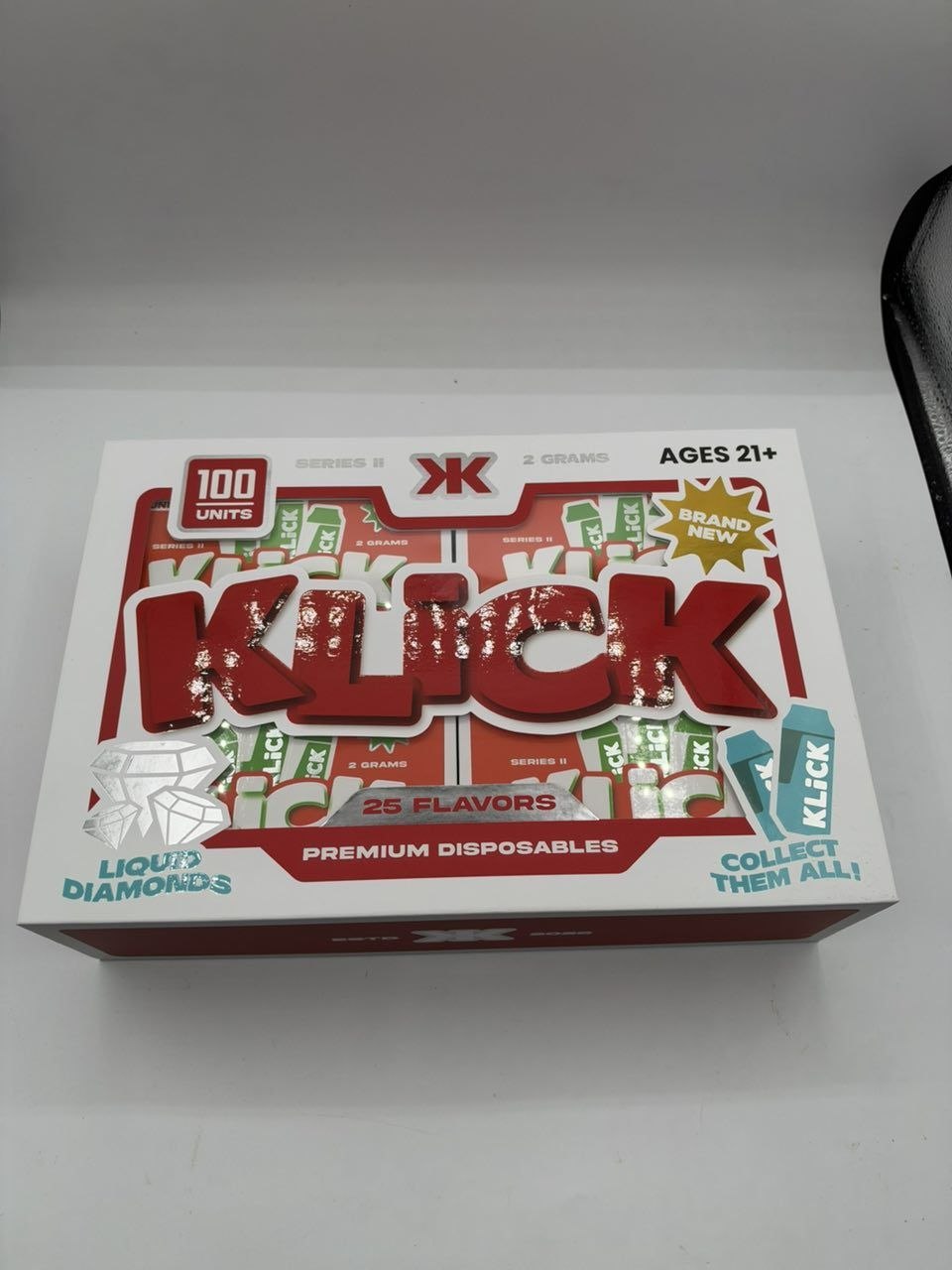
Packaging is an important part of how a product is identified and presented. A representative image gives customers a visual reference, while a written description explains the information that may not be immediately apparent from the photograph.
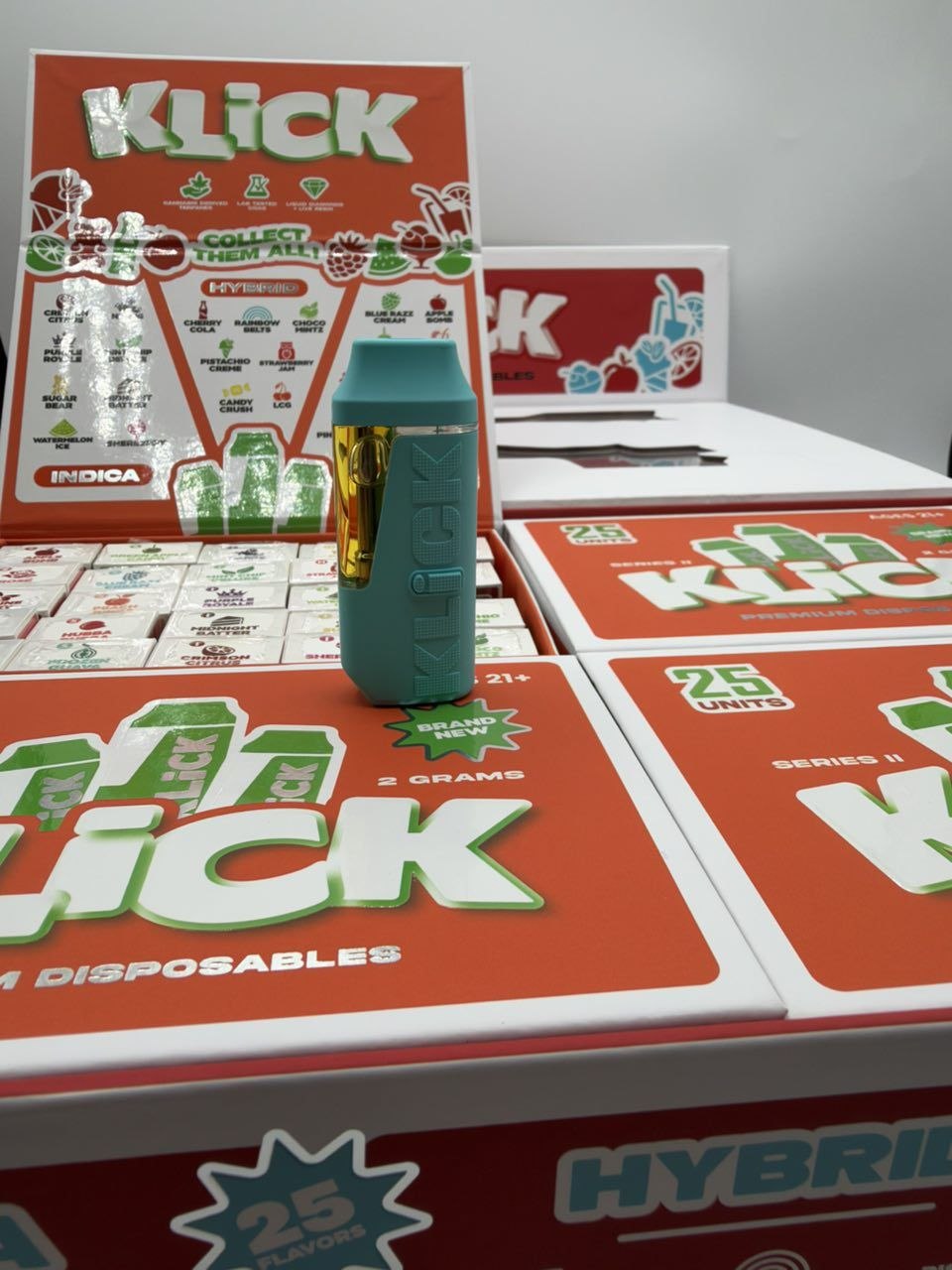
For the Klick Series 2 2G Disposable, the images should show the actual version being offered. Clear photographs of the package and device can help distinguish the item from similarly named products. Moreover, consistent lighting and readable labeling make visual details easier to assess.
The presentation should remain accurate rather than overly stylized. Decorative backgrounds may improve the appearance of a storefront, but they should not obscure the product name, alter the appearance of the packaging, or suggest features that are not present.
In addition, photographs should correspond to the selected product variation. If several versions are offered, each version should be represented correctly. This simple distinction can reduce confusion and support a more reliable shopping experience.
Storage Conditions, Product Care, and Responsible Handling Information
Storage information should follow the instructions provided by the manufacturer. Because device construction and product contents can vary, a single set of conditions should not be presented as universally appropriate for every version.
In general, electronic devices should be protected from excessive heat, moisture, physical damage, and conditions outside their stated operating limits. They should also be kept away from children and pets. Any additional requirements concerning temperature, storage position, or packaging should be taken from the relevant instructions.
Battery-powered devices require particular care when damage is visible. A device that is leaking, swollen, unusually hot, or otherwise damaged should not be treated as though it remains in normal condition. The manufacturer's safety guidance and local disposal requirements provide the appropriate basis for handling such items.
Furthermore, disposable electronic products should not automatically be placed in ordinary household waste. Local rules may require special collection or electronic-waste disposal, especially when batteries or regulated contents are involved.
Authenticity Checks and the Difference Between Branding and Verification
A familiar product name or convincing package design does not, by itself, prove authenticity. Product branding can be reproduced, and packaging can change between production runs or markets.
For this reason, the authenticity of a Klick Series 2 product should be assessed through reliable documentation and appropriate supply-chain information. Where available, manufacturer identification, batch information, authorized distribution records, and independently verifiable testing documentation can help establish the product's background.
However, no single visual feature should be treated as conclusive proof unless the manufacturer explicitly identifies it as a reliable verification method. A printed code, for instance, is useful only when its verification process is legitimate and the result can be independently confirmed.
Customers benefit from clear explanations of what has actually been checked. If authenticity has not been independently established, the product page should not claim that verification has taken place. This distinction protects the accuracy of the listing and helps maintain realistic expectations.
Product Listing Accuracy and the Details That Help Customers Identify the Correct Klick Series 2 Version
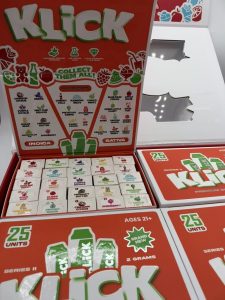
A well-prepared product listing brings together the information customers need to identify an item accurately. For the Klick Series 2 2G Disposable, this includes the complete product name, the stated capacity, representative images, and any confirmed technical details available from the manufacturer.
Product identification becomes especially important when different versions share similar packaging or naming conventions. Therefore, each listing should correspond to one clearly identified product rather than combining specifications from several versions. This approach creates a more consistent catalog and reduces the possibility of inaccurate information appearing on the storefront.
In addition, the product title and supporting description should use consistent terminology. If the packaging identifies the item as Klick Series 2 2G Disposable, that name should remain consistent throughout the listing. Any variation in spelling or model identification should be resolved before publication.
Why Verified Specifications Matter More Than General Promotional Claims
Customers benefit from details that can be checked against reliable sources. A confirmed capacity statement, for example, provides more useful information than an unsupported claim about how long a product will last. Likewise, documented battery specifications are more informative than vague statements about advanced technology.
Furthermore, product descriptions should distinguish between physical characteristics and performance claims. The device's appearance may be documented through photographs, while its internal components require manufacturer specifications or other suitable evidence.
This distinction also applies to quality statements. Terms suggesting laboratory testing, purity, authenticity, or particular manufacturing standards should appear only when the relevant evidence supports them. Consequently, a carefully documented listing provides a stronger foundation for customer confidence than exaggerated language.
Maintaining Consistent Product Information Across an Online Store
Consistency across a storefront makes products easier to identify and compare. The title, photographs, product attributes, and supporting description should all refer to the same item and version.
For example, a two-gram designation in the title should agree with the relevant packaging. Similarly, any listed ingredient information or technical feature should match the documentation for that specific product. Where information remains unavailable, leaving the detail unlisted is more accurate than filling the gap with assumptions.
Product information may also require revision when packaging or specifications change. Regular checks help ensure that older photographs, outdated descriptions, and incorrect variation details do not remain attached to a current listing.
The most useful product page is one that communicates confirmed information in an accessible format. Clear headings, readable paragraphs, consistent naming, and accurate specifications help readers understand what the listing represents.
Ultimately, the Klick Series 2 2G Disposable description should serve as an informative reference rather than a source of unverified promises. With accurate product identification and appropriate documentation, the listing can remain clear, professional, and consistent with the actual item being presented.
Understanding Product Labeling and the Information Displayed on Klick Series 2 Packaging
Product labeling provides an important reference for identifying the Klick Series 2 2G Disposable and understanding its documented characteristics. The information printed on the package may help establish the product name, stated quantity, manufacturer or distributor details, and relevant warnings. However, the exact information available depends on the particular version and the requirements of the market where it is sold.
A product description becomes more reliable when these details are checked before publication. In addition, clear labeling helps distinguish confirmed specifications from general descriptions that may not apply to every version.
The product name should match the physical item, while the stated capacity should correspond with the package information. Where additional specifications are provided, they should be transcribed accurately. This process helps maintain consistency between the physical product and its online presentation.
The Role of Batch Information and Manufacturer Records in Product Identification
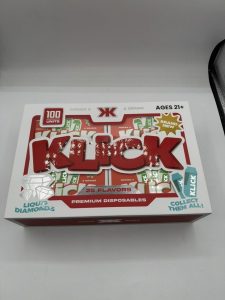
Batch information can help connect a physical product with manufacturing or distribution records. When such information is available, it may assist with identifying a particular production run or confirming details through an appropriate manufacturer channel.
Nevertheless, the presence of a batch number does not independently prove authenticity or product quality. Its usefulness depends on whether the information can be checked against a reliable source.
Similarly, manufacturer and distributor details should be presented accurately. If the product's origin has not been independently established, the listing should avoid making definitive claims about where or by whom it was manufactured.
How Clear Product Photography Supports Accurate Identification
Product photography provides a visual reference for the item described in the listing. For the Klick Series 2 2G Disposable, photographs should represent the actual product version and show its packaging without alterations that could create a misleading impression.
Clear images can make the product name and visible packaging details easier to recognize. Furthermore, consistent photographs across the product gallery help customers understand whether the different images show the same item.
Where packaging changes between versions, the images should reflect the version currently being listed. An older image may no longer represent the available product accurately, even when the general product name remains unchanged.
Keeping Product Descriptions Useful Through Regular Information Reviews
Product information may change when packaging, labeling, or specifications are updated. Consequently, an online listing benefits from periodic review to ensure that its details remain consistent with current documentation.
A review may include checking the product title, confirming the stated capacity, examining the accuracy of photographs, and verifying any listed technical information. Unsupported claims can then be corrected or removed.
This approach also helps prevent unnecessary repetition. Each section can provide a distinct purpose, from explaining product identification to describing packaging and presenting verified specifications.
Final Product Information Statement for the Klick Series 2 2G Disposable
The Klick Series 2 2G Disposable is identified by its Series 2 product designation and stated two-gram capacity. Its exact construction, available variations, formulation, and technical characteristics should be confirmed through the packaging and reliable product documentation.
A clear listing brings these details together in an organized format, giving readers a consistent description of the item. By emphasizing accurate identification, representative photographs, and verified specifications, the product page can provide useful information without making unsupported claims about authenticity, performance, or quality.
Ultimately, reliable product information is built on consistency and careful verification. The result is a more informative listing that accurately reflects the specific product being presented.

Reviews
There are no reviews yet.