Description
Mota 2G Disposable: Product Information and Overview
Introduction
The
Mota 2G Disposable is a compact disposable vape product presented in a convenient
, ready-to-use format
. Its 2-gram designation refers to the stated amount of vape material contained within the device. Because product specifications can differ between versions, the exact contents, formulation, hardware, and available flavors should be confirmed from the packaging or the manufacturer’s current information
.
Disposable vape products have become widely recognized for their simple construction and portable design. Unlike traditional vape systems that may involve separate batteries, cartridges, tanks, or refill containers, a disposable unit generally combines its major components into one device. As a result, the overall format is designed around convenience and minimal equipment.
The Mota 2G Disposable belongs to this broader category of compact vape products. Its design may appeal to people who are interested in understanding the basic characteristics of a two-gram disposable, including its physical format, capacity, construction, labeling, and product considerations.
Mota 2G Disposable at a Glance
The most noticeable characteristic of the Mota 2G Disposable is its stated 2-gram capacity. This measurement describes the quantity of material contained in the device rather than the physical weight of the entire product. The complete unit also includes the battery, internal hardware, mouthpiece, casing, and other components.
A disposable format typically contains an integrated power source and a heating element. When the device is activated, the heating system produces vapor from the material inside the unit. The vapor then travels through the internal pathway toward the mouthpiece.
The exact technology used by a particular Mota 2G Disposable may depend on the specific edition or production batch. Therefore, details such as battery capacity, heating technology, activation method, and internal construction should not be assumed without verified product information.
Packaging is another important part of the overall product presentation. Legitimate packaging normally contains information that helps identify the product and distinguish it from unrelated versions. Depending on the market and applicable regulations, packaging can include ingredients, cannabinoid information, batch information, manufacturer details, warnings, and other required labeling.
Understanding the 2G Capacity
The term “2G” is commonly used as shorthand for two grams. In the context of a disposable vape, it generally identifies the stated amount of vape material contained inside the device.
Capacity is different from potency. A two-gram product does not automatically indicate a particular cannabinoid concentration or strength. Two products can contain the same stated quantity while having different formulations and laboratory results.
Likewise, the 2G designation does not by itself establish how long a disposable will last. Actual consumption varies considerably depending on individual use patterns, device performance, formulation, and other factors.
For that reason, the number printed on the package should be considered one specification among several. The cannabinoid profile, ingredient list, laboratory information, manufacturer details, and regulatory labeling can provide additional context.
Design and Physical Format
The disposable format is generally recognized for its compact construction. A typical unit contains several integrated components within a single outer body. These components can include a battery, heating element, reservoir, airflow pathway, mouthpiece, and activation mechanism.
This integrated structure creates a different experience from a traditional reusable vape system. There is usually no separate cartridge that needs to be attached to a battery. Similarly, the device is not normally built around a refillable tank.
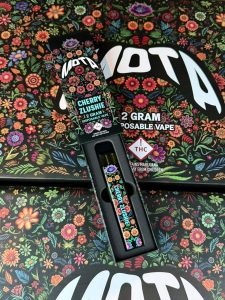
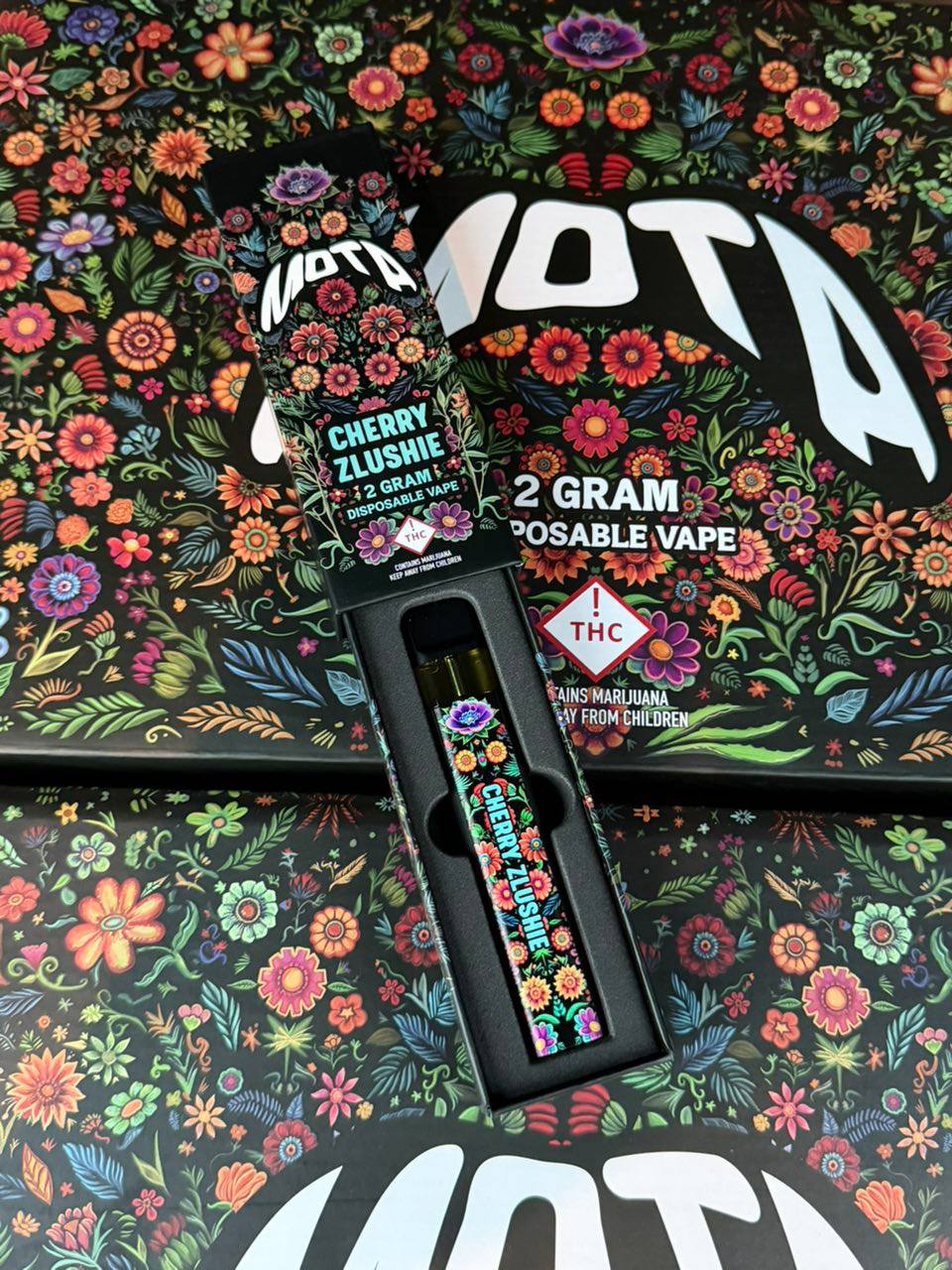
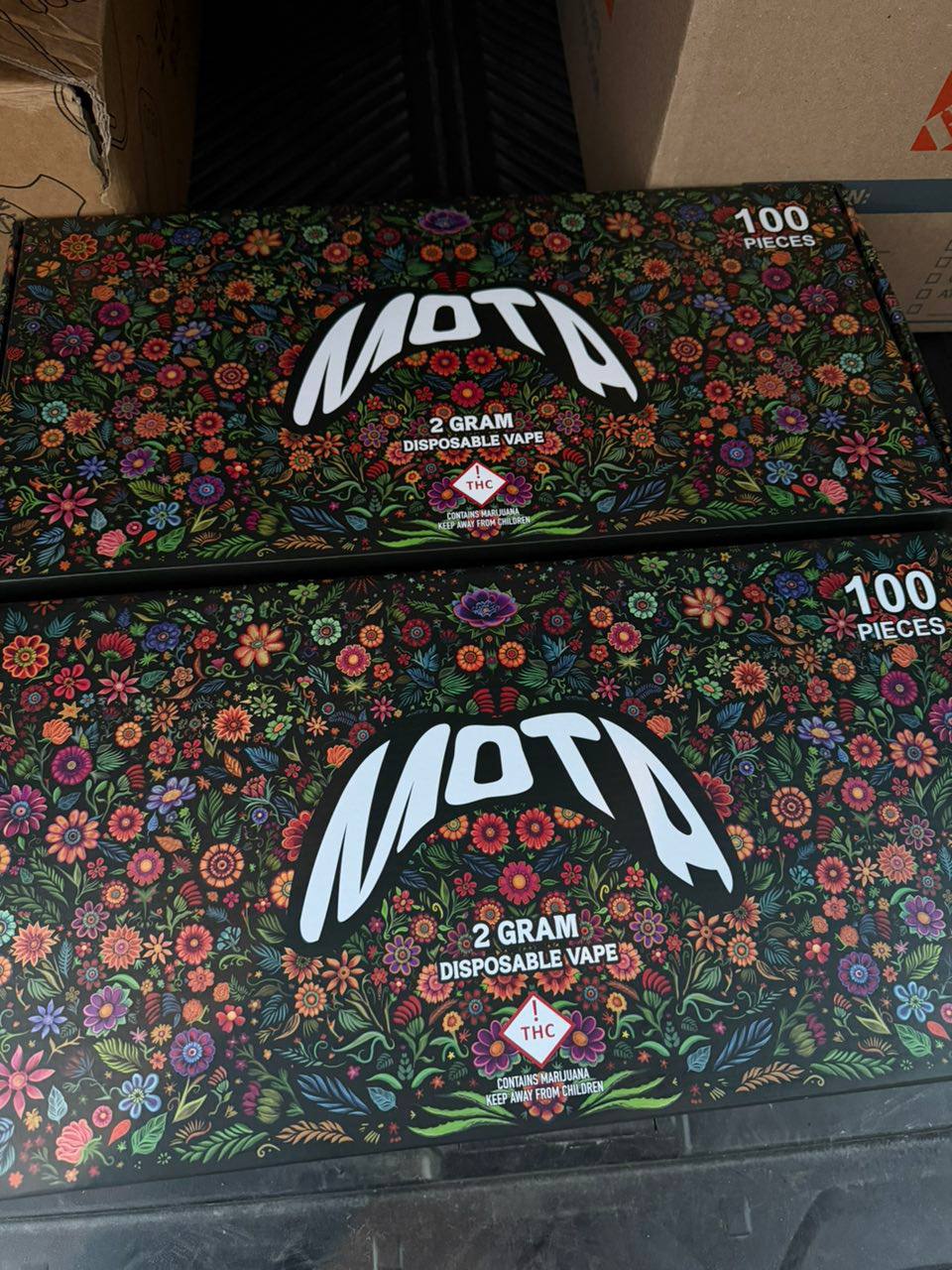
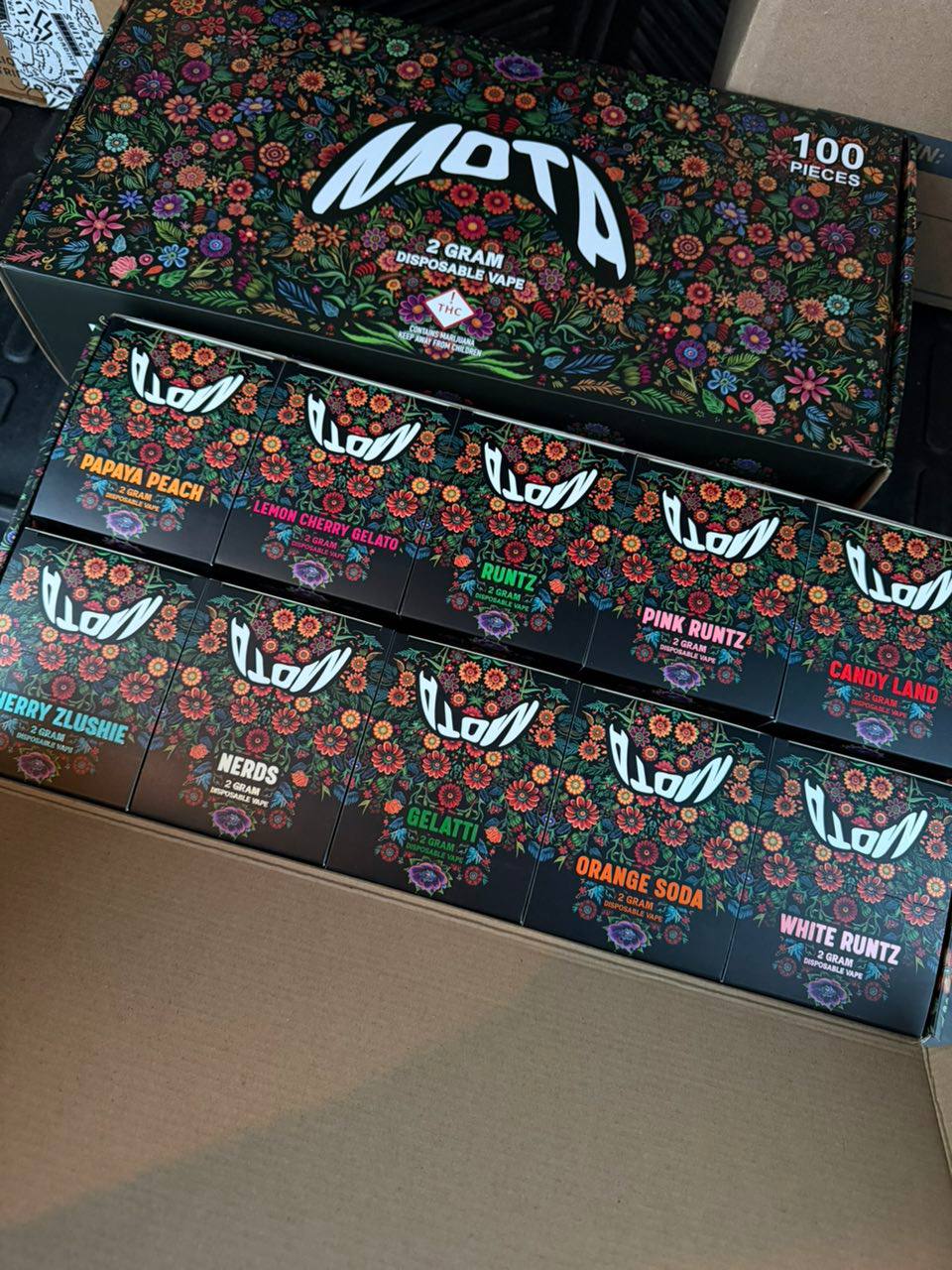
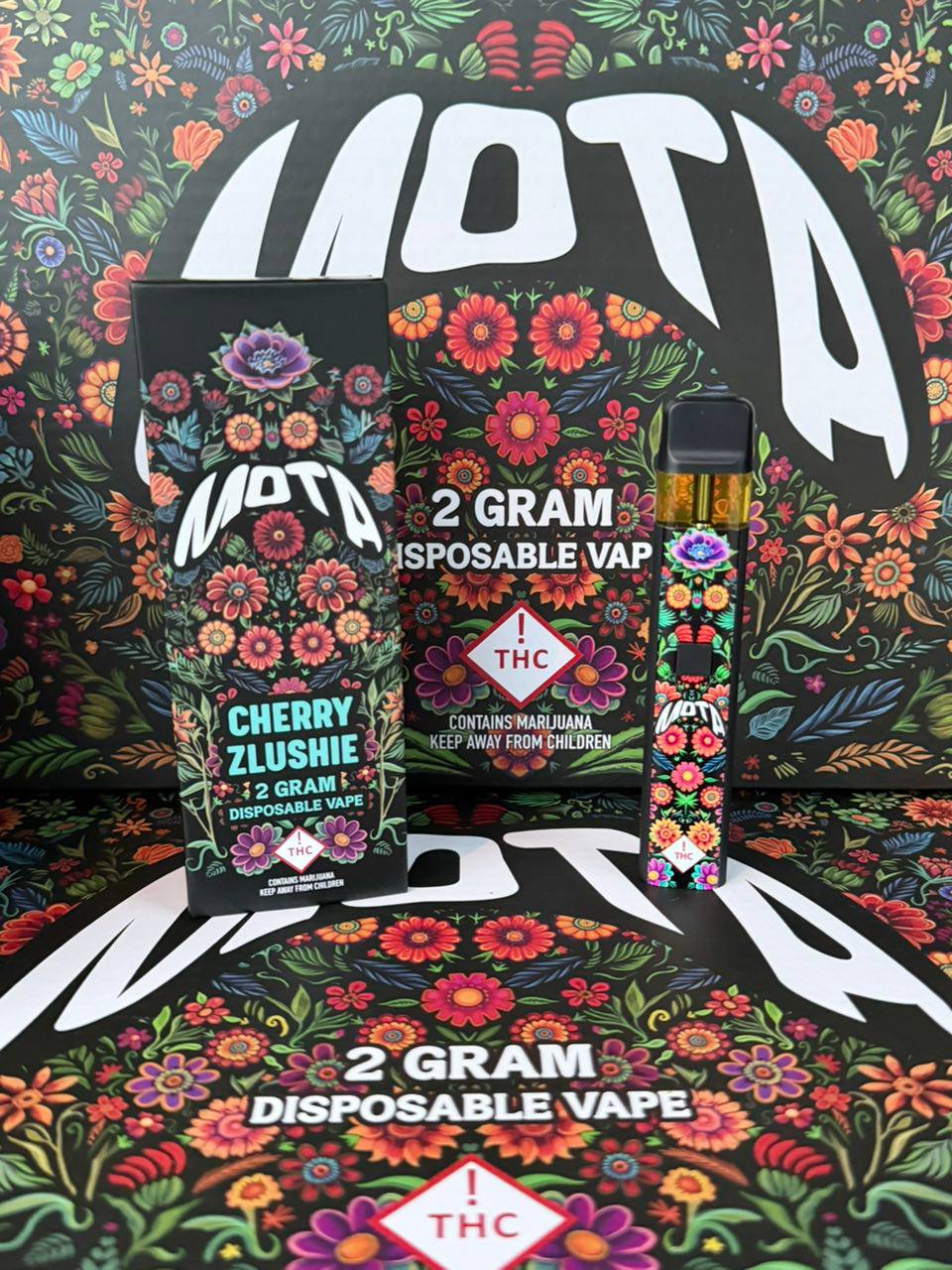
The exterior design can vary considerably between product versions. Mota products may use different packaging or device designs depending on the specific release. Color, artwork, labeling, shape, and dimensions should therefore be verified against the actual product rather than inferred from a general description.
The physical size also contributes to the recognizable disposable format. A compact body can fit naturally into a pocket or small storage space, although appropriate storage conditions remain important for maintaining product quality.
Internal Components
Although disposable devices can look simple from the outside, several components work together inside the housing.
The battery provides electrical power to the heating system. When activation occurs, electrical energy is transferred to the heating element. The heating element then produces the temperature needed to create vapor from the material.
The reservoir holds the product formulation. Depending on the specific device, the reservoir may use a wick-based or another type of delivery system. The internal pathway connects the heated material with the mouthpiece.
The mouthpiece forms the final part of the airflow path. It is designed to provide an opening through which vapor can leave the device.
These components are generally integrated into a single unit. Consequently, the user does not see most of the internal structure during normal use.
Product Formulation
The formulation inside a Mota 2G Disposable depends on the exact product version. Different products can contain different cannabinoid profiles, terpene compositions, and other ingredients.
A product name alone is not sufficient to establish its complete formulation. Packaging information and verified laboratory documentation provide more reliable details.
Cannabinoids are chemical compounds found in cannabis and hemp plants. THC and CBD are among the most widely recognized examples, although numerous other cannabinoids can occur in cannabis-derived products.
Terpenes are another important part of many cannabis formulations. These naturally occurring aromatic compounds contribute to the scent and flavor characteristics associated with different cannabis varieties. However, the presence and concentration of specific terpenes can vary from one product to another.
Therefore, flavor names or strain-inspired names should not automatically be treated as proof of a specific cannabinoid or terpene profile.
Flavor and Aroma Information
Flavor is often one of the most noticeable characteristics of a vape product. Depending on the particular Mota 2G Disposable version, the product may be associated with a particular flavor or aromatic profile.
Descriptions such as fruity, sweet, citrusy, earthy, creamy, herbal, or tropical are commonly used to communicate general sensory characteristics. These descriptions are subjective, however, and individual perception can differ.
A flavor name also does not necessarily describe the precise chemical composition of a product. Instead, it can represent a blend of terpenes, flavoring compounds, or a formulation designed to create a particular sensory impression.
For accurate information, the label and manufacturer documentation remain the better reference points. In addition, the formulation may change between product editions, so older descriptions should not automatically be applied to newer versions.
Hardware and Heating Technology
The hardware used in a disposable vape can influence the way the product performs. Battery output, heating-element design, airflow, and reservoir construction can all affect vapor production.
Some disposable devices are activated automatically through airflow. Others may use a physical activation mechanism. The precise activation system for a Mota 2G Disposable should be verified from the device or its packaging.
Heating technology can also differ between models. A device may be designed around a particular heating element or oil-delivery system, but technical specifications should only be stated when they have been confirmed.
Hardware consistency is especially relevant because a disposable product contains multiple integrated parts. A battery, heating element, reservoir, and airflow system must operate together for the device to function as intended.
Packaging and Label Information
Packaging provides some of the most useful information about a disposable product.
A properly labeled package may identify the product name, stated quantity, formulation, batch or lot information, manufacturer, and applicable warnings. Depending on local requirements, additional details may also appear.
Laboratory testing information can be particularly useful when it is available from a legitimate and verifiable source. Testing may provide information about cannabinoid concentrations and certain contaminants.
The label should also be checked for consistency. Product names, quantities, batch information, and other identifying details should correspond across the packaging and any associated documentation.
Because counterfeit products can imitate legitimate branding, packaging appearance alone is not always enough to establish authenticity.
Authenticity and Product Identification
Authenticity is an important consideration with branded disposable products. A product that uses a familiar name or visual style is not automatically genuine.
Consumers may encounter products with altered packaging, copied logos, inconsistent labeling, or unverifiable testing information. For this reason, product identification should rely on verifiable information rather than appearance alone.
Batch numbers, QR codes, manufacturer information, laboratory documentation, and other authentication features may provide useful evidence when they can be independently verified.
However, a QR code alone should not automatically be treated as proof of authenticity. The destination, information provided, and consistency with legitimate manufacturer details can also matter.
Storage Considerations
Storage conditions can influence the condition of a disposable vape over time. Temperature, humidity, sunlight, and physical pressure can all affect a packaged product.
Extreme heat may affect the internal material and hardware. Likewise, excessive cold can influence battery performance. Direct sunlight can also expose the device to unnecessary heat and ultraviolet radiation.
A dry, stable environment away from excessive temperature changes is generally more appropriate for storing electronic vape products. The device should also remain in its original packaging when practical, particularly when product identification and labeling need to remain available.
Storage is especially relevant for disposable products because the battery and internal formulation are contained within the same device.
Battery and Device Construction
A disposable vape contains an integrated battery rather than a removable power source. This makes the device compact, but it also means the battery is part of the complete unit.
Battery performance can change over time and may be influenced by temperature, storage conditions, and manufacturing characteristics. Physical damage can also affect electronic components.
The casing provides protection around the internal parts. Damage to the exterior can therefore be more than a cosmetic concern, particularly if the battery or internal components become exposed.
Electronic disposable products should be treated as electronic devices rather than ordinary packaging. Once the device reaches the end of its useful life, appropriate disposal is important because the battery and electronic components should not simply be treated as ordinary household waste where local rules provide other requirements.
Quality and Consistency
Product consistency depends on several factors, including manufacturing quality, formulation, hardware, packaging, and storage.
A well-documented product should have clear identification and consistent labeling. In addition, the stated capacity and formulation should correspond with available product information.
Variations can sometimes occur between batches. Changes in hardware or formulation may also affect the physical appearance or performance of different editions.
Consequently, the exact package in hand remains the most reliable reference for the particular product being examined.
Laboratory Testing
Laboratory testing can provide information that is not immediately visible from a product's appearance. Depending on the testing program, reports may identify cannabinoid concentrations and screen for certain contaminants.
Testing documentation can also provide batch-specific information. This is important because a report for one batch does not necessarily represent every production batch.
When laboratory results are available, the batch or lot number can help establish whether the report corresponds to the specific product being examined.
Laboratory documentation is therefore more informative than broad marketing claims. It provides measurable information that can be compared against the product label.
Regulatory Considerations
Cannabis-derived and hemp-derived vape products can be subject to different regulations depending on the jurisdiction. Requirements may address ingredients, testing, packaging, age restrictions, labeling, manufacturing, taxation, and distribution.
Those requirements can also change over time. Therefore, information that applies in one region may not apply in another.
The legal status of a specific Mota 2G Disposable depends on its formulation, cannabinoid content, intended market, and applicable local laws. A product should not be assumed to have the same legal status everywhere simply because it is sold under the same name.
Local regulations should therefore be considered alongside the information printed on the product.
Disposable Format Compared With Reusable Devices
A disposable vape differs from a reusable vape system in several fundamental ways.
A reusable system generally separates the battery from the cartridge or tank. Individual components can often be replaced, recharged, or refilled depending on the design.
A disposable product, by contrast, combines major components into one integrated unit. This can simplify the overall construction, but it also limits repairability and component replacement.
The two formats therefore have different characteristics. A disposable design emphasizes an integrated form, while a reusable system typically emphasizes replaceable components.
Neither format should be judged solely by its appearance. Battery construction, formulation, manufacturing standards, and product documentation remain important factors.
Why Product Information Matters
Clear product information allows the characteristics of a disposable to be understood without relying on assumptions.
The stated 2-gram capacity provides information about quantity. The label can provide additional details about formulation, cannabinoids, ingredients, and manufacturing information. Testing documentation may provide further verification.
Together, these sources create a more complete picture of the product.
Product information is particularly important when different editions share similar names. Two products can look almost identical while containing different formulations or hardware.
For that reason, exact product identification is more useful than relying solely on a general brand description.
Mota 2G Disposable Product Profile
The Mota 2G Disposable can be summarized as a compact, integrated disposable vape format with a stated 2-gram capacity. Its construction combines the major elements required for vapor production into one device.
The product's exact formulation, cannabinoid content, flavor, hardware, and laboratory profile depend on the specific version. Consequently, those details should be taken from verified packaging or current manufacturer documentation.
The 2-gram capacity identifies the stated quantity of material, but it does not independently establish potency, duration, or formulation.
The disposable structure distinguishes the device from reusable systems that rely on separate batteries and cartridges. Meanwhile, the integrated construction keeps the major components together within one compact housing.
The Mota 2G Disposable represents a two-gram disposable vape format built around an integrated design. Its primary characteristics include the stated 2-gram capacity, compact construction, internal battery, heating system, reservoir, airflow pathway, and mouthpiece.
However, product details can vary between editions and batches. The exact formulation, cannabinoid profile, flavor characteristics, hardware specifications, and testing information should therefore be verified from the specific product packaging and reliable manufacturer documentation.
A complete product evaluation involves more than the name printed on the device. Quantity, ingredients, cannabinoid content, laboratory information, batch identification, packaging, hardware, and applicable regulations all contribute to a clearer understanding of the product.
Ultimately, accurate labeling and verifiable documentation provide the strongest foundation for understanding a Mota 2G Disposable. Product information should remain specific to the particular version being examined, especially when multiple editions or formulations are available.
Additional Product Information
Understanding Product Capacity
The stated capacity is one of the first details people may notice when examining a disposable vape. In the case of the Mota 2G Disposable, the “2G” designation generally refers to two grams of material contained within the product.
That figure should not be confused with the total weight of the device. The complete unit includes several additional components, including its casing, battery, heating system, mouthpiece, and internal hardware. Therefore, the finished product weighs more than the material quantity represented by the 2G label.
Capacity also does not provide a direct measurement of potency. A product containing two grams can have a different cannabinoid concentration from another product with the same stated capacity. As a result, the cannabinoid information on the package remains important when evaluating the formulation.
In addition, the amount of material inside a disposable does not establish a specific duration of use. Individual patterns, device characteristics, formulation, and other factors can influence how quickly the contents are consumed.
The Role of the Battery
The battery is an essential internal component of a disposable device. It supplies electrical energy to the heating element, allowing the device to generate vapor.
Unlike many reusable vape systems, a disposable device generally integrates the battery directly into its body. This reduces the number of separate components and contributes to the compact form associated with disposable products.
Battery performance can vary according to the particular hardware used in a product. Capacity, electrical output, temperature, storage conditions, and manufacturing quality can all influence performance.
Temperature is particularly relevant to battery-powered electronics. Very high or very low temperatures can affect battery behavior. Physical damage can also create concerns because the battery is located inside the same housing as the other components.
For that reason, the physical condition of the device matters throughout its usable life. Cracks, swelling, leaking, exposed wiring, or unusual heat can indicate that the device should no longer be treated as an ordinary functioning electronic product.
Airflow and Vapor Production
Airflow is another important part of disposable vape construction. When air passes through the device, it travels through an internal pathway toward the mouthpiece.
Some devices use an automatic airflow sensor. In such designs, the sensor detects airflow and activates the heating system electronically. Other products may use different activation mechanisms.
The airflow system can influence how the device feels during operation. A restricted pathway may create a different experience from a more open pathway, while the heating element and formulation can also affect vapor characteristics.
However, airflow specifications should not be assumed without documentation. Different Mota products or production versions may use different internal hardware.
Mouthpiece Design
The mouthpiece is the section through which vapor exits the device. Although it is relatively small, its construction forms part of the overall airflow system.
The shape and size of a mouthpiece can vary between disposable products. Some designs have a narrow opening, while others use a wider opening. The exterior material can also differ depending on the manufacturer and model.
Because the mouthpiece comes into direct contact with the user, cleanliness and physical condition are relevant considerations. A damaged, contaminated, or visibly compromised device should not be treated as equivalent to an intact product.
The mouthpiece also provides a visual clue about the device's construction. In many disposable products, it is integrated into the upper section of the casing and connected to the internal airflow channel.
Reservoir Construction
The reservoir contains the material that is intended to be converted into vapor by the heating system. Its capacity is one of the components contributing to the stated 2-gram specification.
Different disposable products can use different reservoir designs. Materials, seals, internal chambers, and delivery systems can vary according to the manufacturer and hardware model.
A properly constructed reservoir is expected to remain contained within the device during normal handling. Leakage, however, can occur when a device is damaged, exposed to unsuitable conditions, or affected by manufacturing problems.
Visible leakage can affect other internal components, including the battery and electronics. Consequently, the physical condition of the device should be considered alongside its labeling and formulation.
Product Appearance
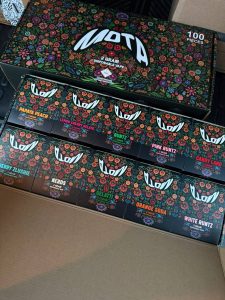
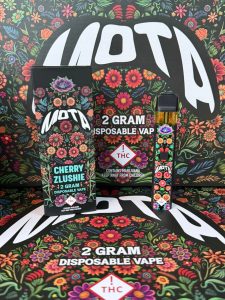
The appearance of a Mota 2G Disposable can depend on its particular edition. Device color, graphics, labeling, shape, and packaging may differ between releases.
Product appearance can be useful for identification, but it should not be considered sufficient evidence of authenticity on its own. Counterfeit products can sometimes imitate the exterior design of legitimate products.
Packaging information provides additional context. Product names, stated quantity, batch information, manufacturer details, and testing information can collectively help distinguish one product from another.
When several versions share similar artwork, the smaller details become even more important. A product's exact label and batch information can provide a more reliable identification method than its general appearance.
Formulation and Cannabinoid Information
Cannabinoid information provides a more detailed description of what a product contains.
Cannabis-derived formulations may include cannabinoids such as THC, CBD, CBG, CBC, or other naturally occurring compounds. The presence and concentration of these compounds depend on the specific formulation.
A product's stated capacity does not reveal this information by itself. For example, two two-gram products could contain substantially different cannabinoid concentrations.
Laboratory results may provide a more complete cannabinoid profile when testing has been performed. Such results can identify measured concentrations and, depending on the laboratory report, additional compounds that were detected during testing.
The product label should therefore be considered alongside any available laboratory documentation.
Terpenes and Sensory Characteristics
Terpenes are naturally occurring compounds associated with many plants, including cannabis. They contribute to aroma and can influence the sensory characteristics associated with different formulations.
Some vape products are described using familiar strain names or flavor names. These labels may communicate an intended sensory profile, but they do not necessarily establish a complete chemical profile.
For example, a product described using a fruit-related name may have an aroma that resembles fruit without containing the same compounds found in fresh fruit. Similarly, a strain-inspired name does not automatically confirm that the product contains the exact terpene composition of that cannabis cultivar.
Consequently, laboratory information and ingredient details provide greater specificity than a flavor or strain name alone.
Batch Information
Batch or lot numbers are useful when identifying a particular production run. They can connect the physical product to manufacturing and testing records when those records are available.
This information can become especially useful when different batches have been produced over time. Packaging may look similar even when a formulation or hardware specification has changed.
A laboratory report should ideally correspond to the batch number shown on the product or packaging. When those details do not match, the report may not accurately represent the specific unit being examined.
Batch information therefore adds an important layer of traceability to product documentation.
Laboratory Reports and Verification
A laboratory report can provide information that cannot be established simply by examining a disposable.
Depending on the testing process, a report may include cannabinoid concentrations and screening for substances such as pesticides, residual solvents, heavy metals, microbial contamination, or other compounds.
Testing standards vary between laboratories and jurisdictions. Therefore, the presence of a laboratory report does not automatically mean that every possible substance has been tested.
The date of testing can also matter. A report from an older batch may not accurately represent a newer production run.
For this reason, useful testing documentation generally includes enough information to connect the results with the relevant product and batch.
Packaging Details
Packaging serves several purposes beyond visual presentation. It protects the device, communicates product information, and may contain regulatory information required in the applicable market.
Common details can include the product name, quantity, ingredient information, cannabinoid content, batch number, manufacturer information, warnings, and other labeling.
The precise requirements depend on the jurisdiction. Some markets may require additional information that is not present elsewhere.
Packaging should therefore be assessed according to the market in which the product is being sold. A label designed for one jurisdiction may not satisfy the requirements of another.
Product Storage
Storage conditions can influence both the electronic components and the material contained inside a disposable.
Excessive heat can affect internal materials and may also influence battery performance. Conversely, very cold conditions can temporarily affect the behavior of lithium-based batteries.
Direct sunlight can create unnecessary heat inside the product, particularly when the device is left in an enclosed space. Physical pressure can also damage the casing or internal components.
A stable environment away from extreme temperatures is generally more suitable for electronic disposable products. Keeping the original packaging available can also help preserve product identification and labeling information.
Physical Damage
A disposable vape should be examined for obvious signs of damage. Cracked housings, exposed internal parts, severe dents, battery swelling, unusual odor, or visible leakage can indicate a compromised device.
Because electronic components and batteries are integrated into disposable products, physical damage can affect more than the exterior appearance.
A damaged device should not be considered equivalent to an intact product. Battery-powered electronics require particular care when their casing or internal components have been compromised.
This consideration applies regardless of brand, capacity, flavor, or formulation.
Disposal and Environmental Considerations
Disposable vapes contain electronic components and batteries, which means their disposal can involve considerations beyond ordinary household waste.
The appropriate disposal method depends on local regulations and available recycling programs. Some areas provide dedicated collection points for batteries or electronic waste.
Throwing electronic products into ordinary waste streams can create environmental and safety concerns because batteries contain materials that require appropriate handling.
The casing, battery, electronic components, and remaining product material can therefore make disposal more complicated than disposing of conventional packaging.
Local waste-management guidance provides the most accurate information for the appropriate disposal method.
Differences Between Product Editions
The Mota name may appear across different products or editions. As a result, a general description should not automatically be applied to every device carrying the same brand name.
Differences can occur in capacity, formulation, flavor, hardware, packaging, battery specifications, and testing documentation.
Even when two products have similar names, their internal characteristics may not be identical.
This distinction is especially important for products that are released in multiple flavors or editions. Each version should be evaluated according to its own label and available documentation.
Reading Product Labels Carefully
A product label contains several pieces of information that work together.
The product name identifies the particular item. The quantity indicates the stated amount of material. Cannabinoid information describes the measured or declared cannabinoid content. Batch information can connect the product to a specific production run.
Ingredient information can provide additional context about the formulation. Warnings and regulatory statements communicate information required by the applicable jurisdiction.
Reading these elements together creates a clearer understanding of the product than relying on a single statement printed on the packaging.
Product Information Versus Marketing Language
Product descriptions sometimes contain broad language intended to create a particular impression. Such wording can be useful for describing general characteristics, but it does not necessarily provide measurable product information.
Terms relating to quality, strength, purity, or performance should ideally be supported by verifiable information.
Measured cannabinoid levels, ingredient lists, batch information, and laboratory results are more specific than subjective descriptions.
For that reason, objective product details provide a stronger basis for understanding the Mota 2G Disposable than general promotional terminology.
Understanding Product Variations
Variations can occur naturally between products that appear similar. Different batches may use different formulations or hardware, while different editions may be designed around distinct flavors or cannabinoid profiles.
Packaging changes can also occur over time. A newer package may look different from an older one even when the underlying product remains related.
These differences make it important to examine the exact unit rather than relying on photographs or descriptions from unrelated listings.
The product label remains the most direct reference for the specific item in question.
General Product Summary
The Mota 2G Disposable is a compact disposable vape product identified by its stated two-gram capacity. Its integrated design generally brings together a reservoir, battery, heating element, airflow system, and mouthpiece within one device.
The 2-gram figure describes the stated material quantity rather than the complete weight of the unit or its potency. Additional information is needed to understand the cannabinoid profile, ingredients, flavor characteristics, and laboratory results.
Hardware specifications can also vary between product versions. Consequently, details about battery capacity, activation method, heating technology, airflow, and internal construction should be confirmed through reliable product documentation.
Packaging and batch information provide another layer of identification. When laboratory results are available, matching the batch number can help establish whether the report corresponds to the specific product.
Ultimately, a clear understanding of the Mota 2G Disposable comes from examining its complete product information rather than focusing on the brand name or capacity alone. Quantity, formulation, labeling, hardware, testing, storage, and disposal considerations all contribute to a more complete product profile.
Reviews
There are no reviews yet.