Description
No Name 2G Disposable: Product Overview
Introduction
The
No Name 2G Disposable is a compact
, single-use vape device designed around a simple and portable format
. Its straightforward design gives the product a modern appearance while keeping the overall profile small enough for convenient storage. At the same time, the 2g designation identifies the stated capacity of the device, although the exact contents, formulation, and specifications can vary depending on the manufacturer and market.
Unlike products with highly detailed branding, the No Name name presents a minimal identity. This understated approach can give the packaging a clean and uncomplicated character. In addition, the lack of an elaborate product title allows attention to remain on the device itself, its packaging, and the information supplied by the manufacturer.
The device may appeal to consumers who value compact hardware and a simple product presentation. However, product details should always be verified against the packaging and the manufacturer's information because specifications can differ between batches, regions, and versions.
No Name 2G Disposable at a Glance
The No Name 2G Disposable is generally identified by several basic characteristics. First, it is presented as a disposable format rather than a reusable vape system. Second, the stated capacity is 2g. Third, its compact construction is intended to keep the hardware relatively easy to carry and store.
The product's appearance may depend on the particular release or packaging version. Therefore, photographs and descriptions should match the exact inventory being offered. In addition, labels should be checked carefully for information about ingredients, contents, manufacturer details, lot information, and applicable warnings.
A Minimal Product Identity
The No Name branding creates a noticeably understated identity. Instead of relying on a lengthy product title, the name keeps things simple. As a result, the device can have a clean and uncomplicated presentation.
This minimalist approach can also make product identification relatively straightforward. The name is easy to distinguish on a product list, inventory sheet, or packaging label. Meanwhile, the 2g designation provides an important specification that helps separate this version from products with different stated capacities.
However, the name alone does not establish the contents or authenticity of a product. Those details should be confirmed through the original packaging, manufacturer information, applicable labeling, and any available verification system.
Compact Disposable Design
Portability is one of the defining characteristics of disposable vape hardware. A compact body takes up less space than many larger reusable systems. Consequently, the device can be stored in a bag, drawer, or other suitable location without requiring a separate tank or external battery.
The integrated construction also reduces the number of individual components. Rather than using a separate battery, cartridge, and tank system, a disposable device is generally assembled as one unit.
Because construction can vary, the exact materials and internal components should not be assumed without manufacturer documentation. The exterior finish, mouthpiece, internal reservoir, heating element, and battery specifications may differ between versions.
Understanding the 2G Capacity
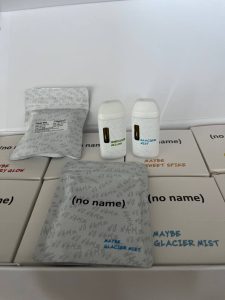
The “2G” designation refers to the stated quantity associated with the product. However, the precise meaning of that specification should be confirmed through the product label and manufacturer documentation. It should not automatically be interpreted as a guarantee of a particular number of uses, draws, or duration.
Several factors can affect how long a disposable device lasts. Usage patterns, hardware design, formulation, temperature, and individual draw characteristics can all influence consumption. Therefore, a stated capacity alone cannot accurately predict a specific lifespan.
In addition, capacity should not be confused with potency. The amount of material contained in a product and its concentration are separate specifications. For regulated products, the applicable label should be consulted for verified information about ingredients and concentration.
Hardware and Construction
The No Name 2G Disposable is built around an integrated hardware concept. In this format, the main components are housed within a single device. This can create a relatively streamlined exterior while reducing the need for separate accessories.
The internal construction may include a reservoir, heating component, airflow system, battery, and mouthpiece. Nevertheless, exact specifications are not always publicly available. Therefore, technical claims should only be included when they have been confirmed by the manufacturer.
The exterior may also feature printed branding, a label, or other identifying details. Packaging can vary between production runs, so visual differences do not necessarily indicate a different capacity or formulation. Conversely, significant differences should be checked against official product information before the item is represented as identical.
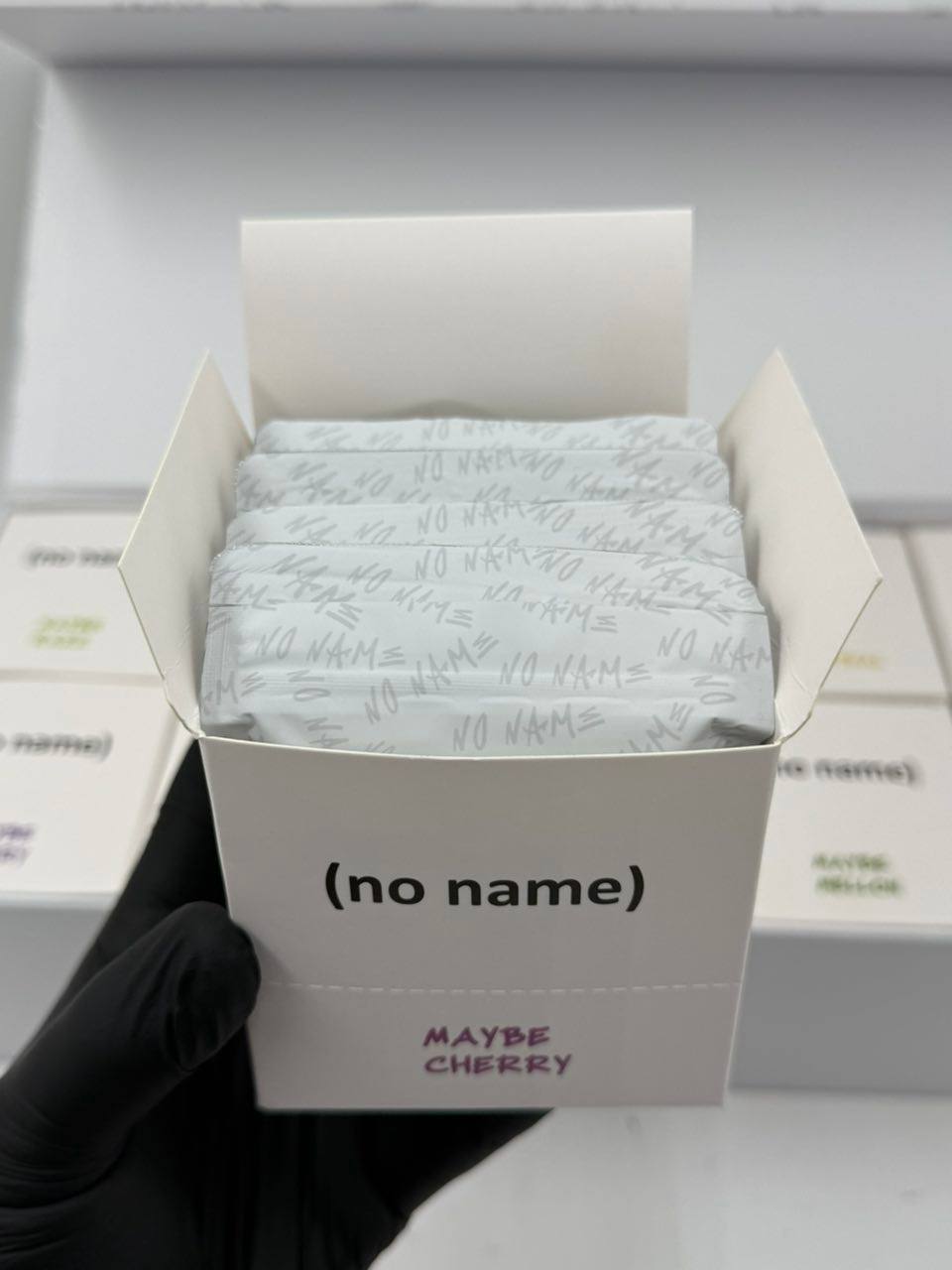
Packaging and Product Identification
Packaging plays an important role in identifying a regulated or potentially regulated product. A complete package may provide information such as the product name, stated quantity, manufacturer, batch or lot number, ingredients, warnings, and other legally required details.
Those details are particularly useful when verifying whether the description matches the physical product. Furthermore, the package can provide information that is not available from the device itself.
The product should therefore be represented according to the actual label rather than assumptions based on similar devices. If a particular version contains a flavor, formulation, or active ingredient, that information should be taken directly from reliable labeling.
Appearance and Presentation
The No Name 2G Disposable can be presented as a straightforward piece of portable hardware. Its overall appearance may be influenced by the specific edition, manufacturer, packaging design, and production batch.
A product listing should use clear photographs that accurately represent the current item. Likewise, written descriptions should avoid presenting a particular color, shape, logo, or finish as universal when multiple versions may exist.
This approach creates a more accurate product presentation. It also helps reduce confusion when customers compare product photographs with the physical packaging.
User Experience and Hardware Simplicity
Disposable hardware is generally associated with a simplified device format. The integrated structure means that users do not have to manage separate tanks or external battery units. However, the exact operating mechanism depends on the hardware design.
Some disposable devices use draw-activated systems, while others may incorporate additional controls. Since the operating system for the No Name 2G Disposable should be confirmed from its packaging or manufacturer information, unsupported operating instructions should not be assumed.
Similarly, features such as preheating, adjustable airflow, charging capability, or indicator lights should only be mentioned when they are confirmed for the specific version.
Product Consistency
Consistency is an important consideration for any packaged product. The appearance, labeling, and specifications should correspond with the same product version. Nevertheless, changes can occur between manufacturing batches or regional releases.
For that reason, a reliable product description should distinguish between confirmed information and characteristics that may vary. This is particularly important when a product is sold under a relatively simple or generic name.
Batch information, packaging details, and manufacturer labeling can help identify the exact version. In addition, photographs can provide useful visual confirmation when they accurately represent the current inventory.
Ingredients and Formulation
The ingredients or formulation of the No Name 2G Disposable should not be inferred solely from its name or appearance. The actual contents depend on the verified product documentation.
Where applicable, the packaging should be reviewed for information about the formulation, ingredients, concentration, additives, and other relevant specifications. If laboratory testing or certification is provided by the manufacturer, those materials can offer additional information about the specific batch.
Claims concerning effects, strength, purity, or composition should therefore be supported by appropriate documentation. Without that evidence, a product description should remain factual and avoid presenting unverified characteristics as established facts.
Quality Information
Quality information is most useful when it can be traced to a reliable source. Manufacturer documentation, batch information, testing records, and compliant labeling can provide a stronger basis for product information than assumptions based on appearance.
Furthermore, quality should not be represented through unsupported phrases such as “premium,” “pure,” or “laboratory-grade” unless those descriptions are substantiated.
A clear product page can instead focus on verifiable information. Capacity, packaging, hardware format, labeling, and documented specifications can all be described without overstating the product.
Storage and Product Care
Storage conditions can affect packaged products and their hardware. The appropriate storage requirements should be taken from the manufacturer's instructions and the applicable product label.
Generally, disposable electronic products are best kept in a suitable environment away from excessive heat, moisture, and physical damage. However, specific storage requirements may vary, so the manufacturer's guidance should take priority.
The device and packaging should also remain intact during storage. If the package appears damaged, leaking, unusually swollen, or otherwise compromised, the product should not be treated as normal inventory.
Responsible Product Information
Clear product information is particularly important when an item contains a regulated substance. A product description should therefore remain factual and transparent rather than making exaggerated promises.
The legal status of cannabis and other regulated substances differs significantly between jurisdictions. Consequently, availability, possession, age requirements, labeling standards, and permitted use can vary by location.
Consumers should rely on local laws and official product labeling for applicable requirements. Product descriptions should not be treated as legal, medical, or safety advice.
Authenticity and Verification
Authenticity can be an important consideration when products are distributed through multiple channels. Packaging details, manufacturer information, batch numbers, verification systems, and other identifying features can assist with product verification when such resources are available.
A product should not be described as authentic solely because its packaging resembles a known version. Instead, available verification information should be checked against reliable sources.
Additionally, spelling, label quality, printing, seals, and package construction can sometimes provide useful clues, although none should be treated as definitive without appropriate verification.
Why Accurate Descriptions Matter
A strong product description does more than make an item sound appealing. It gives readers useful information about what the product is, what specifications are known, and which details may vary.
This becomes especially important for a 2g disposable because capacity, formulation, hardware, and packaging can differ among products that look similar. Therefore, accurate wording creates a clearer distinction between verified specifications and promotional assumptions.
An informative description can discuss the device's format, stated capacity, physical presentation, packaging, and available documentation. At the same time, it can avoid unsupported claims about performance or effects.
No Name 2G Disposable Product Details
The No Name 2G Disposable can be summarized through its core identifying characteristics. It uses a disposable-style format and carries a stated 2g capacity. Its integrated construction provides a compact product profile, while the simple branding creates an understated visual identity.
Specific details remain dependent on the exact version being represented. Packaging may contain additional information about the contents, manufacturer, batch, and applicable warnings. Therefore, the physical package should remain the primary reference for specifications that are not otherwise independently documented.
Product Presentation for Online Listings
An online listing benefits from straightforward language and accurate specifications. The product title can identify the device clearly, while the description can provide additional information about capacity, format, packaging, and documented features.
Product photography should correspond with the actual item. If several versions exist, each version should be identified separately where appropriate.
Likewise, descriptions should avoid unsupported claims about effects or performance. This creates a more transparent presentation and reduces the possibility of misleading information.
A well-structured listing can also make important specifications easier to locate. Short sections, descriptive headings, and concise paragraphs improve readability without relying on excessive promotional language.
Frequently Asked Questions
What is the No Name 2G Disposable?
The No Name 2G Disposable is a disposable-style vape device identified by a stated 2g capacity. Exact contents and hardware specifications depend on the verified product version.
What does 2g mean?
The 2g designation refers to the stated quantity associated with the product. It does not, by itself, establish potency, number of uses, or expected duration.
Is the No Name 2G Disposable rechargeable?
That feature should be confirmed from the specific product packaging or manufacturer documentation. Rechargeability should not be assumed simply because another disposable device includes a charging function.
What is inside the No Name 2G Disposable?
The exact contents should be confirmed through the product label and manufacturer information. The product name alone does not provide enough information to determine the formulation.
Does every version look the same?
Not necessarily. Packaging, colors, labels, and hardware appearance may vary between versions or production batches. Product photographs should therefore represent the actual item being described.
How can the product be verified?
Available manufacturer information, batch details, packaging features, and official verification resources can provide useful information. Verification should rely on trustworthy documentation rather than appearance alone.
Where should the product information come from?
The packaging and manufacturer documentation should be treated as primary sources for specifications such as ingredients, capacity, warnings, and hardware features.
The No Name 2G Disposable presents a compact disposable format with a stated 2g capacity and an understated product identity. Its integrated construction keeps the overall design relatively simple, while the product name provides a straightforward way to distinguish it from other devices.
At the same time, exact specifications should be tied to the particular product version. Hardware features, formulation, packaging, and operating characteristics can vary, so unsupported details should not be presented as universal facts.
For accurate product representation, the physical packaging remains an important reference. Manufacturer documentation, batch information, and applicable labeling can provide further clarification when available.
Overall, the No Name 2G Disposable can be described most effectively through clear, factual information about its format, stated capacity, physical presentation, packaging, and verified specifications. This approach keeps the description readable and useful while avoiding exaggerated claims or assumptions about the product.
Design Details and Overall Build
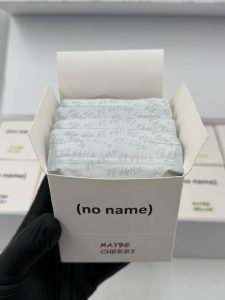
The No Name 2G Disposable follows the compact structure commonly associated with single-use vape hardware. Its body brings the primary components together in one small unit, which creates a simple overall profile. Because the construction is integrated, the device does not rely on a separate tank or external battery pack.
The exterior design can vary according to the particular version. Some units may feature a more minimal appearance, while others can include printed graphics, labels, or additional identifying details. Therefore, the exact appearance should always correspond with the product photographs and packaging associated with the available unit.
The physical dimensions are also worth considering when describing the product. A compact device generally takes up limited storage space, although its precise size and weight should be confirmed from manufacturer specifications rather than estimated from photographs.
Integrated Hardware Format
One notable characteristic of a disposable device is its integrated hardware. The battery, reservoir, heating component, and other necessary parts are generally contained within the same overall unit.
This structure can make the product visually simpler than a multi-component vaping system. In addition, the absence of separate hardware reduces the number of individual pieces associated with the product.
However, internal specifications should not be assumed. Battery capacity, heating technology, airflow design, and internal materials can differ significantly among disposable products. As a result, only manufacturer-confirmed information should be used when discussing technical specifications.
Capacity and Label Information
The stated 2g capacity is one of the primary identifying details associated with the product. Nevertheless, capacity alone does not explain every aspect of the device.
For example, the stated quantity does not necessarily indicate how many draws a particular unit can provide. Individual usage patterns, hardware characteristics, formulation, and other variables can influence consumption. Therefore, a specific number of expected uses should not be presented unless it has been officially documented.
Likewise, the capacity should not automatically be interpreted as an indication of potency. Quantity and concentration represent different product specifications. The package label remains the appropriate source for verified information about the contents.
Packaging Appearance
Packaging can contribute significantly to product identification. A properly labeled package may provide information that cannot be determined by looking at the device alone.
Depending on the applicable market requirements, packaging can include the product name, stated quantity, ingredients, warnings, manufacturer information, batch details, and other relevant information.
The appearance of packaging may change over time. Updated designs, different production runs, or regional requirements can result in variations in labels and artwork. Consequently, an older product photograph may not always represent the newest packaging.
For online product pages, photographs should therefore be kept consistent with the current inventory whenever possible.
Label Accuracy
Accurate labeling is particularly important when a product contains regulated ingredients. The product name itself should not be treated as sufficient evidence of composition.
Information about ingredients, concentration, formulation, or testing should come from reliable product documentation. Similarly, claims about purity, potency, or laboratory testing should only be included when supporting documentation is available.
This creates a clearer distinction between verified information and assumptions. It also makes the product description more useful for readers who are comparing specifications.
Product Version Differences
Different versions of a product may share the same basic name while having different packaging or specifications. This can happen because manufacturers update designs, change hardware, introduce regional versions, or release different production batches.
As a result, the phrase “No Name 2G Disposable” may not identify every technical detail by itself. The exact version should be matched with its packaging and manufacturer information.
A detailed listing can reduce confusion by identifying visible differences where they are known. For example, packaging design, hardware shape, labeling, and stated specifications can be documented without assuming that every version is identical.
Hardware Appearance
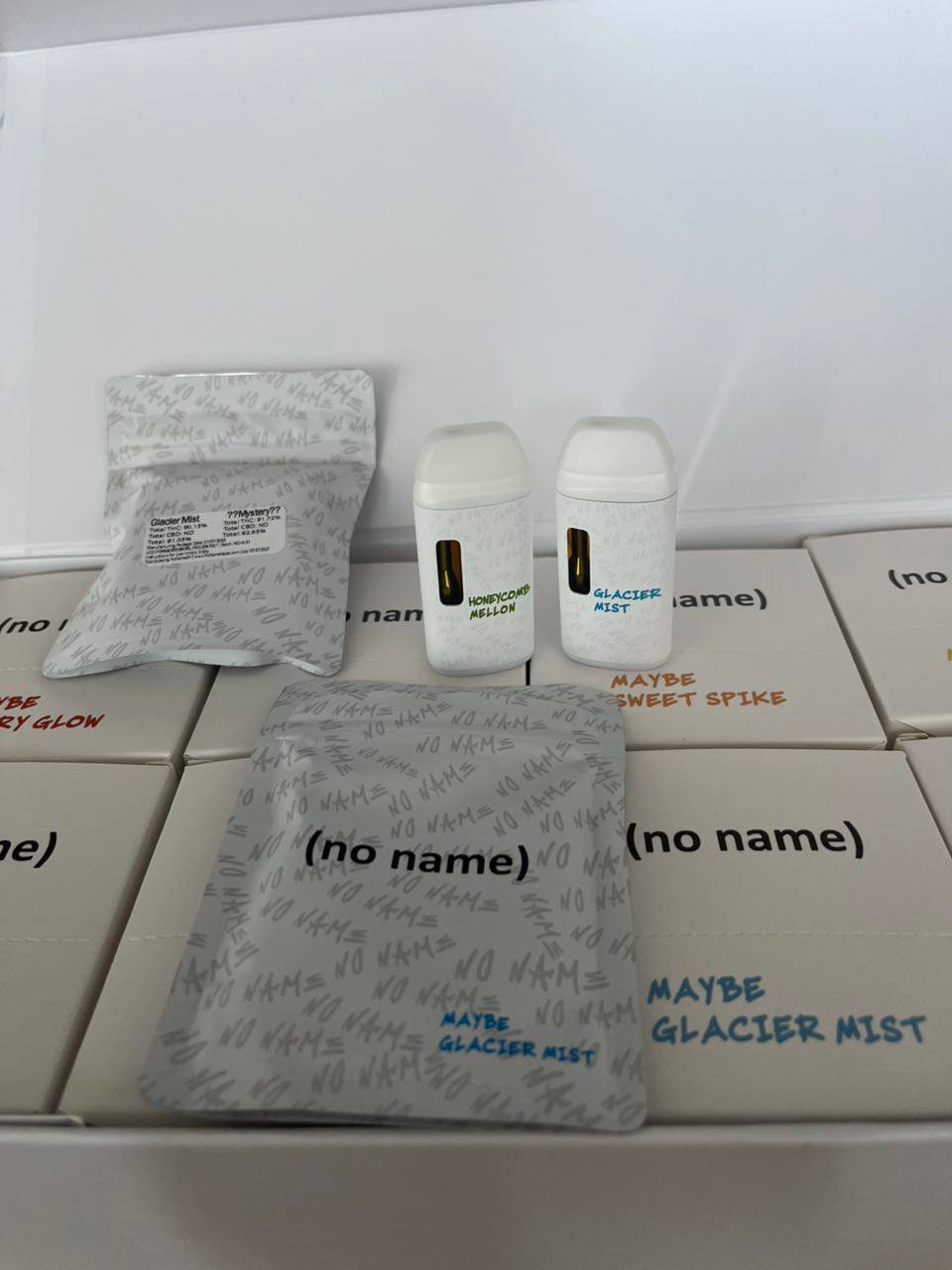
The hardware itself may feature a streamlined body intended to keep the device compact. Depending on the version, the exterior may include a mouthpiece, body shell, indicator area, printed branding, or other visible components.
Visual details can be useful for identification, particularly when several disposable devices have similar capacities. However, appearance should not be used as proof of internal specifications.
A product photograph is most useful when it accurately reflects the actual item. Clear images can also help readers compare the physical device with its packaging before making assumptions about the product.
Product Information and Transparency
A transparent product description separates confirmed details from information that remains uncertain. This is especially useful when the manufacturer does not publish extensive technical specifications.
For instance, the 2g designation can be identified as a stated capacity, while unverified details about battery size, heating technology, or internal materials can be left unspecified.
This approach keeps the product information reliable. Furthermore, it prevents technical features from being presented as facts when they have not been confirmed.
Quality Control Considerations
Quality control can involve multiple stages of manufacturing and packaging. However, specific quality-control procedures should only be described when they are documented by the manufacturer.
Terms such as “tested,” “verified,” or “lab tested” can have specific meanings depending on the market and product category. Therefore, those terms should be supported by actual documentation.
Where testing information is available, the relevant report or package information can provide additional context. Where such documentation is unavailable, a product description should simply avoid making unsupported testing claims.
Batch and Lot Information
Batch or lot numbers can help distinguish one production run from another. These identifiers may appear on the package rather than directly on the device.
When a product listing includes batch-specific information, the information should match the actual inventory. Otherwise, readers could mistakenly assume that a particular batch number applies universally.
Batch identification can also be useful when packaging designs change. It provides another reference point for determining which version is being described.
Storage Environment
The manufacturer's storage instructions should remain the primary reference for keeping the product in appropriate condition. Storage requirements may differ depending on the formulation and hardware.
In general terms, electronic disposable products should be protected from conditions that could damage their packaging or hardware. Excessive heat, moisture, crushing, and other forms of physical stress can affect packaged electronic products.
The package should also remain intact during storage. If a device shows visible damage, leakage, swelling, or other unusual physical changes, it should not be treated as an ordinary undamaged unit.
Product Condition
Condition is another important factor when describing a disposable device. A new product should have packaging and hardware consistent with its intended retail condition.
Signs of damage can include broken packaging, damaged labels, cracks, leakage, unusual swelling, or other visible defects. Such conditions should be handled according to the manufacturer's guidance and applicable safety requirements.
A product description should not imply that damaged or compromised units are equivalent to intact inventory.
Responsible Handling
Responsible handling is particularly relevant for products that combine electronic hardware with regulated substances. The product should be kept in accordance with the manufacturer's instructions and applicable local requirements.
The device should not be altered or disassembled unless the manufacturer specifically provides appropriate instructions for that activity. Internal components can include batteries and other parts that require proper handling.
Additionally, disposal should follow applicable local requirements for electronic products and any regulated contents. Local rules may differ, so official guidance should be consulted where necessary.
Legal and Regulatory Considerations
The legal status of products containing cannabis, nicotine, or other regulated substances varies between jurisdictions. Requirements can involve age restrictions, labeling, packaging, testing, possession, distribution, and other factors.
For that reason, the No Name 2G Disposable should be represented according to the laws and regulations applicable to its intended market.
A product description does not replace official legal guidance. Instead, the package label, manufacturer documentation, and relevant local authorities provide the appropriate sources for regulatory information.
Why Product Specifications Matter
Specifications give readers a clearer understanding of what they are looking at. A simple product name may identify the device, but details such as capacity, format, packaging, and verified hardware information create a more complete picture.
The No Name 2G Disposable can therefore be presented through a combination of basic specifications and clearly stated limitations.
For example, the product can be identified as a disposable device with a stated 2g capacity. At the same time, the exact formulation and technical features can be left to the manufacturer documentation.
This distinction makes the description more accurate and easier to maintain when product versions change.
Product Comparison Considerations
When comparing the No Name 2G Disposable with another product, capacity should not be the only consideration. Two devices can have the same stated quantity while differing in hardware, formulation, packaging, battery design, or other specifications.
Similarly, similar-looking products are not necessarily produced by the same manufacturer. Packaging and verification details can therefore provide valuable information when comparing products.
A fair comparison should rely on documented specifications rather than assumptions based on appearance or product names.
Clear Product Naming
The name “No Name 2G Disposable” provides a simple identification point. The name can be paired with additional verified information to create a more complete product title or inventory description.
However, additional characteristics should not be attached to the name without evidence. A particular flavor, formulation, edition, or hardware generation should only be identified when it corresponds with the actual product.
This approach helps prevent product pages from combining information from different versions.
Online Listing Accuracy
An accurate online listing should match the physical product as closely as possible. Product images, descriptions, specifications, and packaging information should describe the same version.
If a product changes during a manufacturing update, the listing can be revised accordingly. This helps ensure that readers do not receive outdated information.
Descriptions also benefit from short paragraphs and clear headings. These features make technical information easier to scan while keeping the overall presentation professional.
Frequently Asked Questions About Product Details
What capacity does the No Name Disposable have?
The product is identified as a 2g disposable. The stated capacity should be confirmed against the packaging for the exact version being described.
Is the 2g specification the same as potency?
No. A stated quantity and potency are separate specifications. Potency depends on the formulation and concentration documented for the particular product.
Can the hardware specifications vary?
Yes. Hardware can differ between versions or production batches. Details such as battery capacity, heating system, airflow, and charging features should be confirmed from reliable documentation.
Can packaging change?
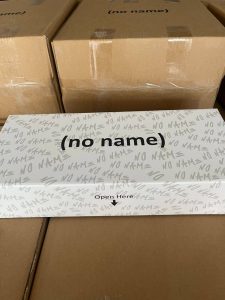
Yes. Manufacturers can update packaging designs or use different packaging for different markets. The current package should therefore be treated as the best visual reference for the product being described.
Does the product name confirm its contents?
No. The name alone does not establish the exact formulation or ingredients. Product labeling and manufacturer documentation should be used for those details.
Why is batch information useful?
Batch or lot information can help identify a particular production run. It may also help distinguish one version from another when packaging or specifications have changed.
A Straightforward Product Profile
The No Name 2G Disposable has a simple identity built around its disposable format and stated 2g capacity. The compact hardware presents the product as a self-contained device, while the minimal naming approach keeps the product identification straightforward.
Its exact specifications, however, depend on the particular version. Packaging, hardware design, formulation, and labeling may change between production runs or markets.
For that reason, the most reliable description focuses on information that can be verified. The stated capacity, disposable format, physical appearance, packaging, and documented manufacturer details provide a useful foundation.
Final Overview
The No Name 2G Disposable is a compact disposable-format device identified by a stated 2g capacity. Its integrated design brings the primary hardware components together in one unit, creating a simple physical profile.
The product's exact characteristics should be confirmed through the package and manufacturer documentation. This includes formulation, ingredients, concentration, battery specifications, heating technology, charging capabilities, and other technical details.
Packaging can also provide valuable information about batch identification, warnings, manufacturer details, and applicable requirements. Since packaging and hardware can change over time, the current product should always be matched with current documentation.
A clear description of the No Name 2G Disposable therefore works best when it remains factual, readable, and specific about what is known. Rather than relying on unsupported claims, it can focus on the product's stated capacity, disposable format, integrated construction, visual presentation, packaging, and verified specifications.
This approach also makes the product information easier to update. If the manufacturer changes the packaging or releases a different version, the relevant sections can be adjusted without rewriting the entire description.
Ultimately, accurate product information gives readers a clearer understanding of what the No Name 2G Disposable represents. The product name identifies the item, the 2g designation communicates its stated capacity, and the accompanying packaging and manufacturer documentation provide the additional details needed to understand the exact version.
The result is a clean and informative product profile that avoids unnecessary claims while keeping the most relevant specifications easy to find.

Reviews
There are no reviews yet.