Description
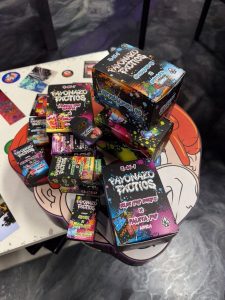
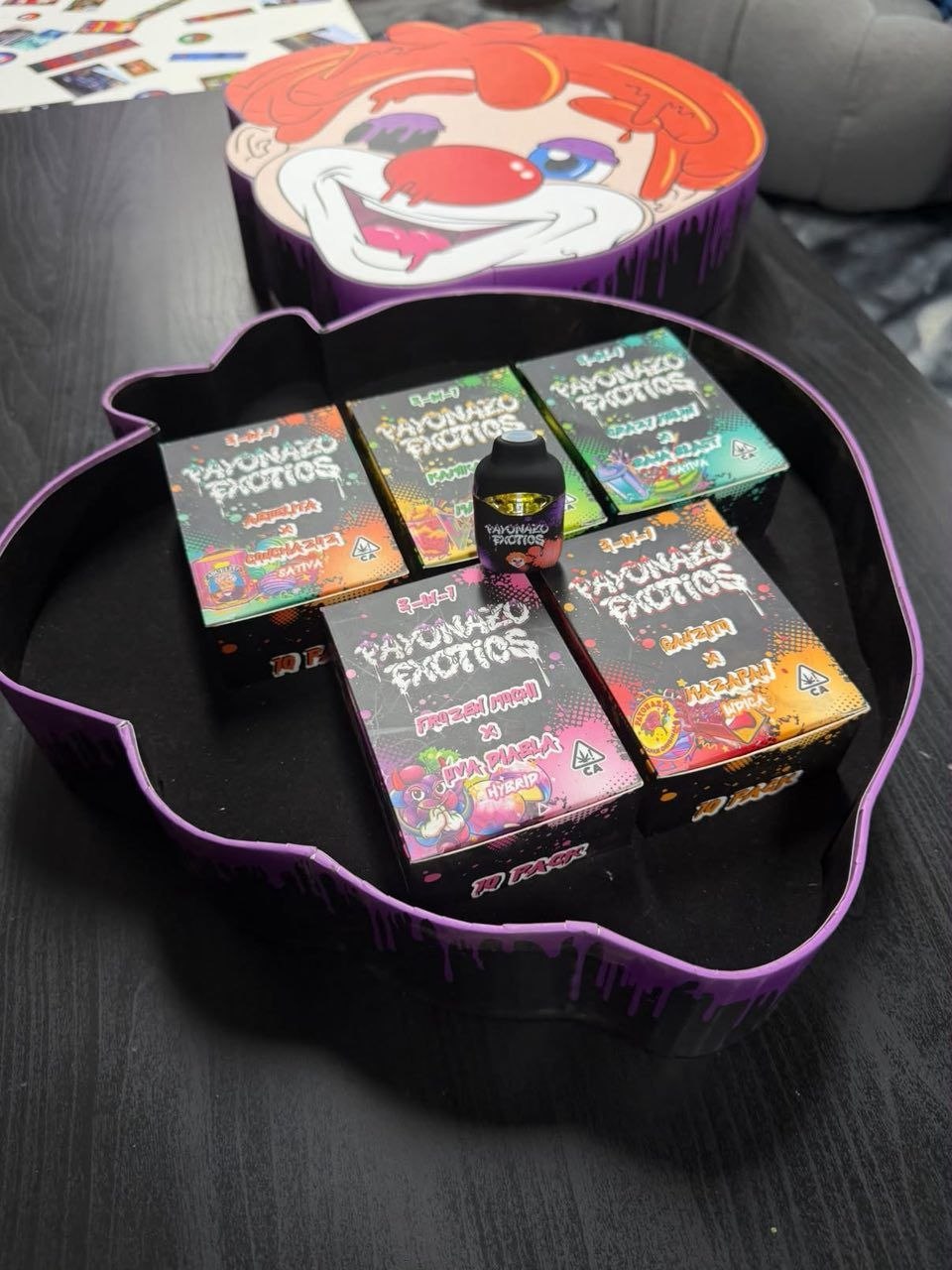
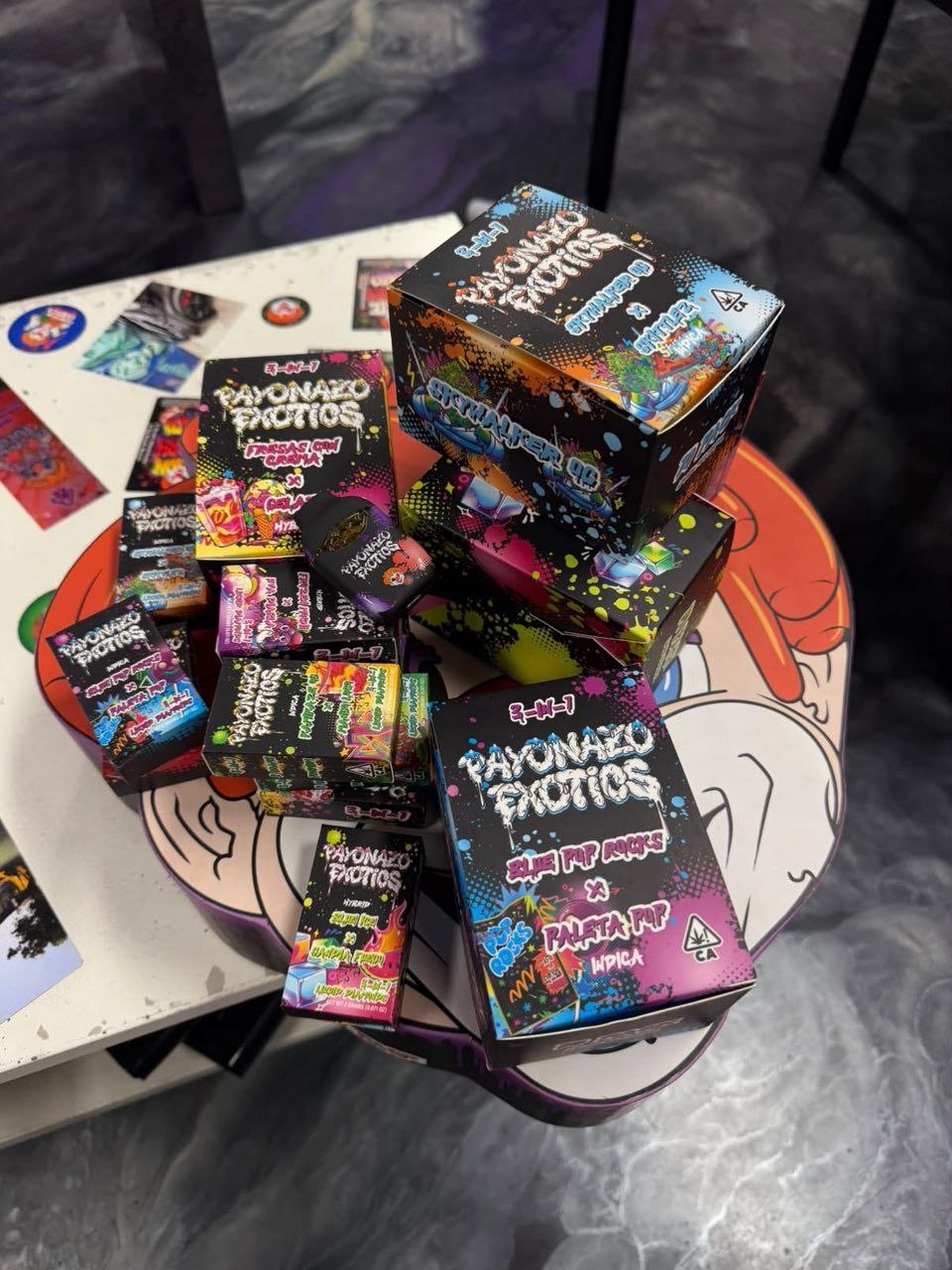
Payonazo Exotics 3 in 1 2G Disposable: Product Overview and Key Information
An Introduction to the Payonazo Exotics 3-in-1 Product Concept
The
Payonazo Exotics 3 in 1 2G Disposable is presented as a compact, multi-function disposable vaping product. Its name suggests a design that combines three functions or configurations in one device. However, the exact functions, internal components, and operating features should be confirmed through reliable manufacturer documentation before they are listed as established specifications
.
The product name also includes a 2G designation. This commonly refers to a two-gram product capacity in vaping catalogs, although the exact meaning and contents require verification from the original packaging and product documentation.
Understanding the Three-in-One Design and Its Potential Features

A three-in-one format generally describes a product intended to provide multiple functions within a single unit. Nevertheless, the name alone does not establish whether this device uses different chambers, selectable settings, multiple formulations, or another configuration.
For accurate product information, the three functions should be identified separately and explained in straightforward language. In addition, any claims about switching mechanisms, compatibility, battery performance, or charging requirements should be supported by verified technical specifications.
Packaging Information, Product Authenticity, and Quality Verification
Packaging can provide useful information about a product's origin, declared contents, and handling requirements. However, professional-looking packaging or a recognizable product name does not independently establish authenticity or product quality.
Where available, manufacturer details, batch numbers, tamper-evident packaging, and independently verifiable laboratory reports can help establish a clearer record. Furthermore, laboratory documentation should correspond to the actual batch rather than a different product with a similar name.
Responsible Handling and Important Safety Considerations
Disposable vaping products may contain substances that carry health risks. If this product contains THC or another psychoactive ingredient, its effects, legal status, and potential risks depend on the verified formulation and the person using it.
Unknown ingredients, counterfeit devices, damaged batteries, and inaccurate labeling can introduce additional concerns. Therefore, product documentation should clearly identify confirmed ingredients, relevant warnings, storage conditions, and appropriate disposal information.
A disposable device should not be assumed safe merely because it is new, sealed, or described as premium. Any product with damaged packaging, unusual leakage, missing identification, or unverifiable contents warrants additional caution.
Product Summary and Documentation Requirements
Payonazo Exotics 3-in-1 2G Disposable can be identified by its product name and advertised three-in-one format. Nevertheless, the exact configuration, capacity, formulation, manufacturer, and testing status remain details that require reliable confirmation.
A complete product listing benefits from accurate specifications, transparent ingredient information, authentic batch documentation, and appropriate safety disclosures. These details provide readers with a clearer understanding of the product without relying on unsupported claims about its performance, quality, or effects.
Design Details, Product Identification, and the Importance of Accurate Labeling
The design of a disposable vaping device can influence its portability, handling, and overall construction. For the Payonazo Exotics 3-in-1 2G Disposable, the precise exterior design, materials, dimensions, and internal layout should be confirmed through photographs or manufacturer specifications.
Product identification is particularly important when several versions share a similar name. Differences in packaging, production batches, and device configurations may affect how a particular model should be described. Consequently, a product listing should distinguish verified characteristics from details that remain unconfirmed.
Understanding the Advertised Capacity and Product Contents
The 2G designation forms part of the product's advertised identity. However, the label alone does not establish the precise composition, concentration, or quantity of every ingredient contained in the device.
Clear documentation helps distinguish the product's declared capacity from its actual formulation. In addition, a reliable record should identify the responsible manufacturer or supplier and provide relevant information about the batch.
Three-in-One Functionality and Configuration Details
The three-in-one wording suggests that the device incorporates multiple functions into one product. Nevertheless, the exact arrangement cannot be established from the name alone.
A verified technical description would identify each function individually, explain the documented differences between configurations, and clarify any relevant operating limitations. This approach provides a more dependable account than assumptions based solely on the product label.
Ingredient Transparency and Independent Product Testing
Ingredient transparency is an important part of responsible product documentation. Where a disposable vaping device contains a liquid or extract, the declared ingredients should be supported by appropriate records.
Independent laboratory testing may provide additional information about the tested sample. Depending on the product and the laboratory's scope, a report may address cannabinoid content, certain contaminants, residual solvents, pesticides, or heavy metals.
However, not every report covers every potential concern. Therefore, the testing date, laboratory identity, sample identification, and batch number all matter when interpreting the results.
A report for a similarly named product should not automatically be treated as evidence for this particular model. Instead, the documentation should be checked against the exact product and batch under review.
Storage, Battery Information, and Disposal Considerations
Storage requirements depend on the verified formulation and the device's construction. Product documentation should provide suitable conditions and identify any relevant temperature restrictions, exposure concerns, or packaging requirements.
Battery information also deserves attention. Disposable electronic devices can contain rechargeable or non-rechargeable batteries, depending on their design. The correct configuration should be confirmed rather than assumed.
Damaged, swollen, leaking, or unusually hot devices may present safety concerns. Such products should not be treated as ordinary waste without considering the applicable battery and electronic-waste disposal requirements.
Furthermore, local disposal rules may differ. Appropriate collection facilities can help prevent batteries and electronic components from entering waste streams that are not designed to handle them.
Authenticity Checks and Supplier Documentation
Authenticity is best evaluated through verifiable information rather than branding alone. A responsible supplier record may include the product's source, manufacturer details, batch identification, and relevant testing documents.
Packaging consistency can offer useful clues, although visual similarities do not prove that a product is genuine. Likewise, a printed code is meaningful only when it can be checked through a legitimate verification process.
Where documentation is incomplete, the uncertainty should be stated clearly. This helps prevent unsupported claims about origin, ingredients, or quality from becoming part of the product record.
Clear Product Information for an Online Catalog
A well-organized catalog entry should separate confirmed facts from unverified claims. The product name, category, declared capacity, manufacturer, ingredients, and applicable warnings can each be presented as separate fields.
Additionally, a concise technical summary can make important details easier to review. Missing specifications should remain marked as unconfirmed until reliable evidence becomes available.
The result is a more transparent product record that gives readers useful information without exaggerating the device's capabilities or making unsubstantiated claims about its contents.
Overview of Payonazo Exotics 3-in-1 2G Disposable
The Payonazo Exotics 3-in-1 2G Disposable is identified by its advertised product name and multi-function designation. Its precise construction, formulation, capacity, and technical characteristics still require verification against reliable product documentation.
Ultimately, accurate labeling, traceable sourcing, appropriate testing, and clear safety information provide a stronger foundation for a trustworthy product description than assumptions about the brand or model. These details also make it easier to distinguish confirmed product facts from information that remains uncertain.
The Role of Clear Product Specifications in Building Consumer Confidence
Clear product specifications help readers understand what a product contains, how it is identified, and which details have been independently verified. For the Payonazo Exotics 3-in-1 2G Disposable, accurate documentation is particularly important because the product name alone does not establish every technical characteristic.
A detailed product record can include the manufacturer's name, model identification, declared capacity, ingredient information, and applicable safety notices. In addition, the record may identify the relevant production batch and provide access to supporting laboratory documentation.
When these details are presented consistently, readers can distinguish verified information from assumptions. Consequently, the product listing becomes more informative without relying on exaggerated descriptions or unsupported performance claims.
Understanding Product Variations and Differences Between Models
Products within the same brand family may have different packaging, configurations, or technical specifications. Therefore, similarities in branding should not be taken as proof that two products contain identical materials or components.
The three-in-one designation associated with Payonazo Exotics should be explained using model-specific documentation. If different versions exist, each version should have its own identification details and verified specifications.
Furthermore, changes in packaging do not necessarily indicate a change in formulation, while similar packaging does not guarantee that the contents are identical. Batch records and reliable manufacturer information provide a stronger basis for evaluating such differences.
Ingredient Records and the Importance of Independent Verification
Ingredient information helps establish what a product is reported to contain. However, a printed label and an independently verified laboratory result serve different purposes.
A label communicates the declared contents, whereas an appropriate laboratory analysis can provide evidence about the sample that was tested. Neither should be interpreted beyond its documented scope.
For products containing cannabinoids or other regulated substances, testing requirements vary according to the product type and jurisdiction. Relevant records may address the declared cannabinoid profile and selected contaminants, depending on the testing program.
Moreover, a laboratory report should identify the tested sample clearly enough to establish its connection to the product under review. Without that connection, the report may offer little assurance about the specific unit or batch.
Packaging Integrity and Product Traceability
Packaging integrity contributes to product identification and helps reveal potential handling or storage problems. Visible damage, missing seals, unclear labeling, or inconsistent batch information may warrant further investigation.
Traceability creates a documented connection between the product, its source, and its supporting records. This connection is particularly useful when several products have similar names or when different versions circulate through the same supply chain.
Nevertheless, packaging appearance alone cannot establish authenticity. A reliable verification process depends on information that can be checked against a legitimate manufacturer or supplier record.
Responsible Information About Potential Health Risks
Vaping products may expose users to substances that affect respiratory health. When a device contains THC or another psychoactive compound, additional concerns may include impairment, unwanted psychological effects, and interactions with other substances.
The specific risks depend on the ingredients, concentration, individual circumstances, and pattern of exposure. Therefore, a product description should not promise that a device is harmless, risk-free, or suitable for everyone.
Young people, pregnant individuals, and people who may be especially vulnerable to psychoactive effects require particular caution around THC-containing products. In addition, operating a vehicle or machinery while impaired can create serious safety risks.
Environmental Considerations for Disposable Electronic Devices
Disposable electronic products can create waste from plastic, metal, electronic components, and batteries. Their environmental impact depends on the materials used, the disposal method, and the availability of suitable recycling facilities.
Battery-containing devices should not automatically be placed in ordinary household rubbish or recycling containers. Instead, local guidance for electronic waste and batteries can help determine the appropriate disposal route.
Where a device contains residual liquid or extract, its handling may also be subject to additional local requirements. Following applicable disposal guidance reduces the likelihood of leakage and inappropriate exposure.
A Transparent Approach to Product Information
A reliable product listing should clearly identify what is known, what remains uncertain, and which documents support the stated specifications. This principle applies to the Payonazo Exotics 3-in-1 2G Disposable as it does to other electronic products.
Verified manufacturer information, relevant laboratory results, traceable batch details, and appropriate safety disclosures can help establish a more complete product record. In contrast, unverified claims about potency, ingredients, authenticity, or performance can create misleading expectations.
Ultimately, a transparent description supports informed evaluation by presenting product information in clear, accessible language. The most dependable account is one that reflects the available evidence and identifies any limitations without overstating what the documentation can establish.
How Consistent Product Information Improves the Online Shopping Experience
A well-organized product page helps readers understand the item being described without requiring them to interpret unclear terminology. For the Payonazo Exotics 3-in-1 2G Disposable, consistency between the product title, packaging, technical information, and supporting documentation is especially important.
Product details should be presented in a logical order. The product name establishes its identity, while the specifications section provides the documented characteristics. Additionally, a separate section for ingredients, warnings, and verification records helps readers locate important information quickly.
This structure improves readability because each section serves a clear purpose. It also reduces confusion when products have similar names or when different versions appear in the same catalog.
The Importance of Accurate Manufacturer and Supplier Records
Manufacturer and supplier records establish where product information originates. These records may include the responsible business name, product model, batch number, and documentation describing the device's construction or declared contents.
However, a supplier's description should not automatically be treated as independent confirmation. Whenever possible, important claims should be supported by original documentation or appropriate third-party testing.
A complete record also makes it easier to investigate discrepancies. For example, inconsistent model numbers or missing batch details may indicate that further verification is necessary before the information is published.
Understanding Capacity Statements Without Making Assumptions
The 2G designation appears in the product name, but its precise meaning should be confirmed using the original label and relevant technical documentation. Product capacity, total liquid or extract quantity, and active ingredient content are not necessarily interchangeable measurements.
Clear terminology prevents these details from being confused. In addition, numerical claims should reflect the information supplied by a reliable source rather than an assumption based on the product's name.
If the capacity cannot be verified, the catalog can identify it as an advertised specification pending confirmation. This approach preserves transparency while avoiding unsupported statements.
Product Identification and the Value of Batch-Level Information
Batch-level information provides a way to distinguish one production group from another. This distinction matters because product composition, packaging, and documentation may vary between batches.
A useful verification record identifies the relevant product and connects it to the applicable test results or manufacturer records. Where available, a legitimate verification system can provide further evidence about the origin of the documentation.
Nevertheless, a batch number alone does not demonstrate that a product has passed every relevant quality or safety assessment. Its value depends on the reliability and completeness of the associated records.
Responsible Communication About Product Characteristics
Product descriptions are most useful when they distinguish confirmed characteristics from general expectations. A device's appearance, advertised name, or category does not independently establish its ingredients, reliability, or effects.
For this reason, claims about battery life, charging, device settings, formulation, and compatibility should be included only when appropriate documentation supports them. Similarly, statements about product quality should identify the evidence behind the claim rather than rely on broad promotional language.
This method produces a more accurate catalog entry. Furthermore, readers receive information that can be assessed on its own merits instead of being asked to rely on assumptions.
Maintaining Clear and Readable Product Pages

Readable product pages use descriptive headings, short paragraphs, and consistent terminology. Technical details are easier to understand when they appear in dedicated sections rather than being scattered throughout lengthy paragraphs.
A product page can also use a concise specification list to summarize the information most relevant to identification. More detailed explanations can then address verification, packaging, ingredient disclosure, and safety considerations.
The wording should remain neutral whenever evidence is incomplete. In addition, the same product name should be used consistently throughout the page to reduce ambiguity and improve navigation.
Final Summary: A Reliable Foundation for Payonazo Exotics Product Information
The Payonazo Exotics 3-in-1 2G Disposable can be documented through a structured product record that distinguishes its advertised identity from its independently verified characteristics.
Accurate labeling, appropriate testing records, traceable sourcing, and clear safety information all contribute to a more dependable description. Although the product name suggests a particular capacity and multi-function format, those details should be confirmed before they are presented as established technical facts.
A transparent catalog entry ultimately gives readers a clearer understanding of the available information. By prioritizing accuracy, readability, and responsible disclosure, the product page can remain informative without making unsupported claims about composition, performance, or quality.



Reviews
There are no reviews yet.