Description
Splitz The Corner Drop Badder x Sugar
Product Overview
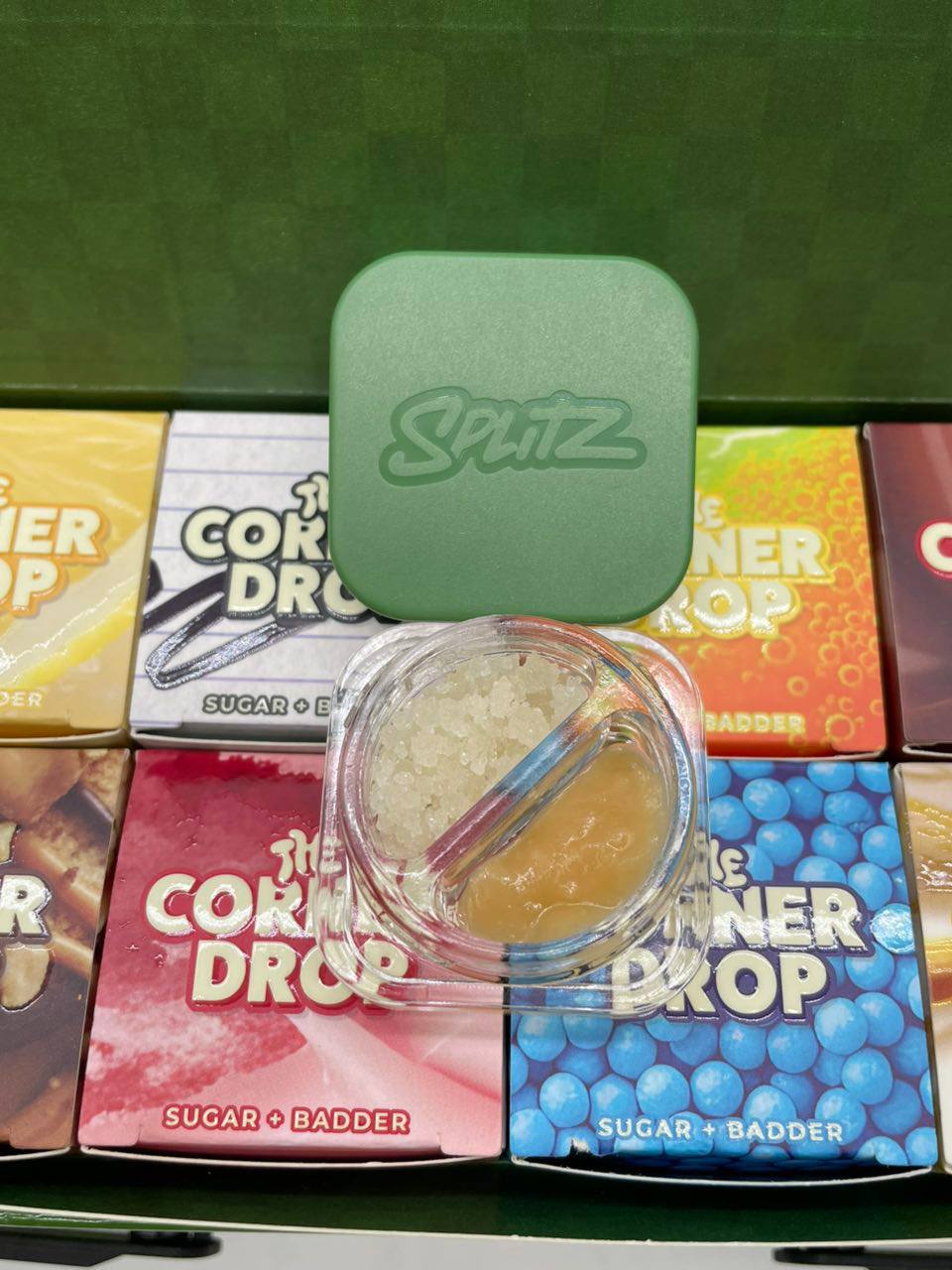
Splitz The Corner Drop Badder x Sugar is presented as a cannabis concentrate with a texture that combines characteristics commonly associated with badder and sugar-style extracts. The name reflects the product’s concentrate format and its distinctive texture profile. Rather than appearing as a single uniform consistency, this type of extract can display a soft, whipped appearance alongside finer crystalline or grain-like elements. The overall presentation of a concentrate can vary from one package to another. Factors such as temperature, handling, storage conditions, and the specific extraction process may influence its appearance. As a result, two containers from the same product line may not always look exactly alike. The product name also places attention on the “Badder x Sugar” format. Badder generally refers to a concentrate with a soft, malleable consistency, while sugar commonly describes an extract containing small crystalline structures. When these characteristics appear together, the result can have a textured appearance rather than the smooth consistency associated with some other concentrate formats.Understanding the Badder x Sugar Format
Cannabis concentrates are available in several textures, and each format can have its own physical characteristics. Badder is typically recognized for its softer consistency. It may have an appearance that resembles whipped or aerated concentrate, although the exact texture differs depending on how the extract was processed. Sugar-style concentrate, meanwhile, is generally associated with small crystals or granules suspended within a more viscous extract. These structures can create a texture that looks grainier than traditional badder. The Badder x Sugar description therefore suggests a product that combines visual and textural characteristics from both formats. Its consistency may range from soft and creamy to slightly crystalline. Furthermore, changes in temperature can affect how the concentrate looks and feels. At cooler temperatures, concentrates can become firmer. At warmer temperatures, they may become softer or more fluid. Consequently, the appearance observed immediately after opening may not remain identical over time.Appearance and Texture
Appearance is one of the most noticeable characteristics of any concentrate. Splitz The Corner Drop Badder x Sugar may present a dense, textured appearance associated with its named concentrate format. Depending on the batch, the extract can show variations in color, consistency, and crystal formation. The badder component is generally associated with a soft body. Instead of forming a rigid block, this type of concentrate can maintain a pliable consistency. The sugar component may add visible granularity, creating a contrast between smooth and crystalline textures. These characteristics are not necessarily signs of quality or potency by themselves. Color, texture, and consistency can naturally change according to the plant material, extraction method, processing conditions, and storage environment. For that reason, visual appearance should be considered only one characteristic of the finished product. Laboratory information and compliant packaging provide more meaningful information about composition and cannabinoid content.
Aroma and Terpene Characteristics
Cannabis concentrates can contain aromatic compounds known as terpenes. These naturally occurring compounds contribute to the scent profile associated with cannabis plants and their extracts. The aroma of a concentrate can vary considerably. Terpene composition, extraction practices, storage conditions, and packaging all play a role. In addition, the same named product may show subtle differences between batches. Aromatic characteristics can include combinations of sweet, earthy, fruity, herbal, citrus-like, floral, or other recognizable notes. However, the exact profile of Splitz The Corner Drop Badder x Sugar should be determined from the product’s verified laboratory information rather than assumed from the product name alone. Terpene content may also change over time when concentrates are exposed to unsuitable environmental conditions. Heat, light, air, and repeated handling can affect volatile aromatic compounds. Therefore, appropriate storage can help preserve the product’s original characteristics.Cannabinoid Information
Cannabis concentrates can contain significantly concentrated amounts of cannabinoids compared with raw cannabis flower. The precise cannabinoid profile of Splitz The Corner Drop Badder x Sugar depends on the specific batch. Important information may include the measured levels of THC, CBD, and other cannabinoids. However, these values should not be estimated from the product name or concentrate type. Instead, consumers should rely on a current laboratory report or legally required package labeling. Laboratory testing can provide information about cannabinoid concentrations and may also address other characteristics required by applicable regulations. Testing requirements vary by jurisdiction, so available information can differ depending on where the product is legally sold. A batch-specific certificate of analysis is therefore more useful than generalized claims about potency. Product packaging should also be checked for applicable warnings, ingredient information, testing details, batch numbers, and regulatory information.Extraction and Processing
The physical characteristics of a cannabis concentrate are influenced by the processes used to extract and refine compounds from plant material. Different extraction and post-processing techniques can produce different textures and appearances. Badder-style products are commonly associated with processing that results in a softer consistency. Sugar-style extracts, in contrast, can develop a more crystalline structure. The final Badder x Sugar format reflects the physical characteristics selected during processing. Nevertheless, the exact production method for a particular product should not be assumed unless it is disclosed by the manufacturer or verified through official documentation. Processing can influence more than texture. It may also affect terpene retention, cannabinoid concentration, color, consistency, and overall stability. Consequently, product characteristics can vary between manufacturers and batches.Packaging and Product Presentation
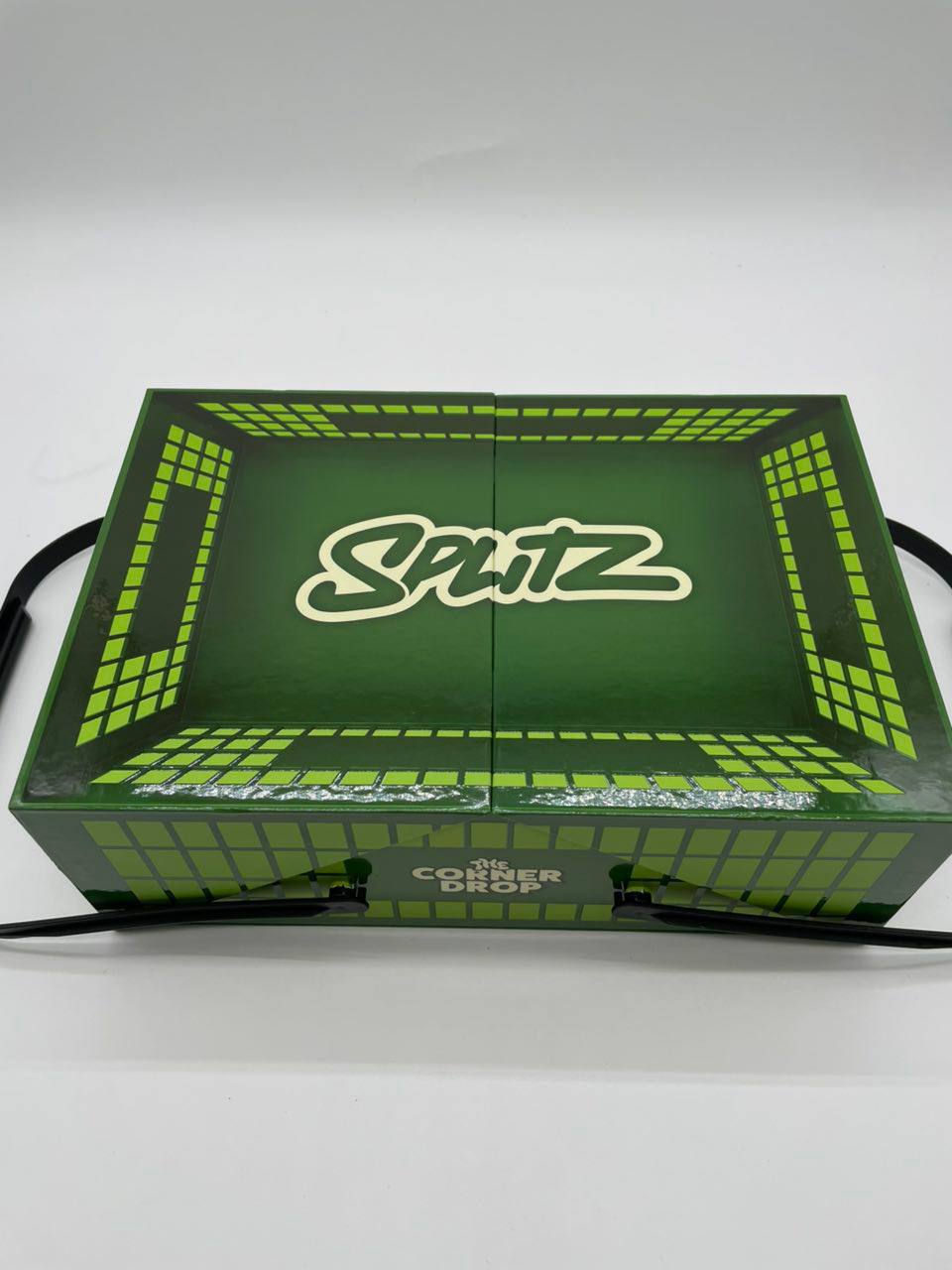
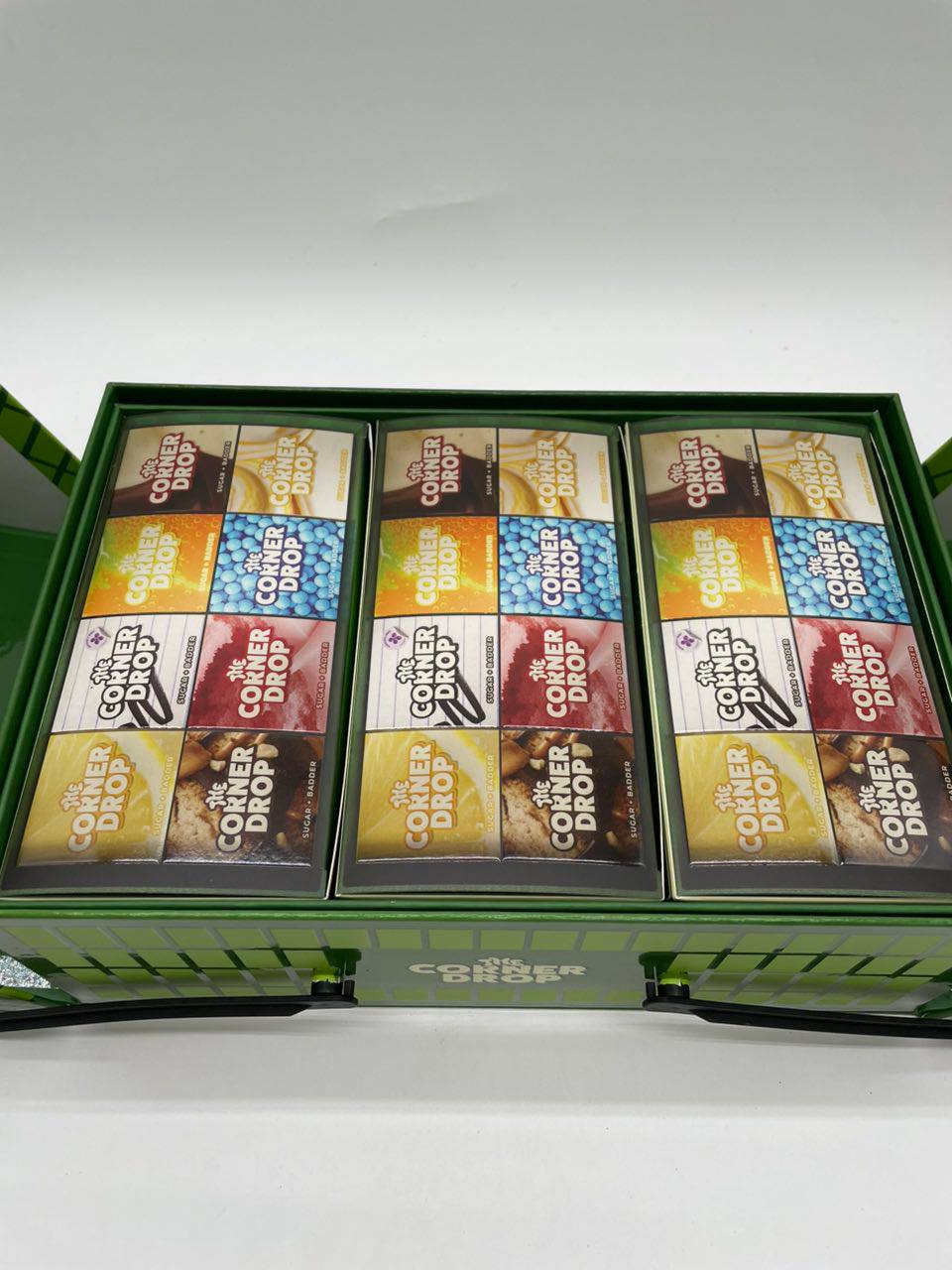
Packaging serves several practical purposes for cannabis concentrates. It can help protect the product from environmental exposure while also providing information required for identification and regulatory compliance. A properly labeled package may contain the product name, batch or lot number, cannabinoid information, manufacturing details, testing information, warnings, and other legally required details. The precise information depends on local regulations. Packaging can also help reduce exposure to environmental factors that may affect concentrate characteristics. Light, heat, oxygen, and moisture can influence the condition of many cannabis extracts. For that reason, the condition of the original packaging can be relevant when evaluating a product. Damaged, altered, or incomplete packaging may make it more difficult to verify product information.Batch Variation
Natural agricultural products can exhibit variation, and cannabis concentrates are no exception. Differences between batches can occur because of plant genetics, cultivation conditions, harvest timing, extraction variables, and post-processing procedures. As a result, color or texture should not automatically be expected to remain identical between packages. One batch may appear slightly lighter or darker than another, while consistency can also differ. Terpene composition may vary as well. Even when a product retains the same name, small differences can occur between production runs. This is why batch-specific testing information is important. A laboratory report associated with a particular lot provides more reliable information than generalized figures from another production batch.Storage Considerations
Environmental conditions can influence the physical properties of cannabis concentrates. Temperature is particularly relevant because many concentrates soften when warm and become firmer when cool. Light and air exposure may also affect certain compounds over time. Terpenes, for example, can be sensitive to environmental conditions. Excessive heat may change the texture, while prolonged exposure to air can contribute to gradual changes in the product. A stable, appropriate storage environment can therefore help maintain the characteristics indicated on the packaging. The manufacturer’s storage guidance and applicable regulations should take priority over generalized recommendations. The product should also remain in its original, properly labeled packaging whenever appropriate. This helps preserve identifying information and reduces confusion between different concentrates.Responsible Product Information
Cannabis concentrates are regulated differently across jurisdictions. Laws can address age requirements, possession, purchase, labeling, testing, transportation, and other aspects of cannabis products. Because regulations vary, information printed on legally compliant packaging should be treated as the primary reference for the product. Local laws should also be considered before possession or purchase. Concentrates can contain relatively high cannabinoid concentrations, so product labeling deserves particular attention. A package’s stated cannabinoid content should be reviewed carefully, especially when comparing different product formats. No single visual characteristic can establish potency. Likewise, color or consistency cannot independently confirm authenticity, purity, or laboratory results.Quality and Testing Information
Testing information provides a more objective way to understand a cannabis concentrate. Depending on local requirements, laboratory analysis may address cannabinoid content and other safety or quality parameters. A certificate of analysis can sometimes provide information about:- Cannabinoid concentrations
- Terpene composition
- Residual solvents
- Microbial contaminants
- Heavy metals
- Pesticide residues
- Other regulated testing categories
What Makes the Texture Distinctive?
The Badder x Sugar format stands out primarily because of its mixed textural characteristics. Badder contributes a softer, more cohesive appearance, while sugar-style structures can provide a granular or crystalline element. This combination can produce a concentrate that looks different from a completely smooth badder or a highly crystalline sugar extract. Texture may also change naturally during storage. Temperature fluctuations can make the product appear firmer, softer, wetter, or more separated. Such changes do not automatically indicate a problem, although unusual appearance, damaged packaging, or missing labeling should be assessed carefully. The product’s documented specifications remain more important than visual assumptions.Product Composition
The composition of a cannabis concentrate depends on the source material and production process. Cannabinoids and terpenes can contribute to the chemical profile, while processing conditions can influence the final concentration of these compounds. Because cannabis is a botanical product, its chemical composition can vary naturally. Cultivar genetics, growing conditions, harvesting practices, and extraction procedures can all contribute to differences. For Splitz The Corner Drop Badder x Sugar, the most accurate composition information should come from the package label and laboratory documentation associated with the relevant batch. Splitz The Corner Drop Badder x Sugar represents a concentrate format distinguished by its combination of badder-like softness and sugar-style crystalline texture. Its physical presentation can vary according to temperature, processing, storage, and batch characteristics. The product’s name describes its format, but it does not independently establish cannabinoid potency, terpene composition, purity, or laboratory results. Those details should instead be confirmed through current product labeling and batch-specific testing documentation. Appearance and consistency can provide useful descriptive information, particularly when discussing the differences between badder and sugar concentrates. However, laboratory documentation remains the more dependable source for understanding the product’s measured chemical profile. Overall, the defining feature of this format is its distinctive texture. The combination of soft concentrate and crystalline elements creates a presentation that differs from many single-texture extracts. Meanwhile, natural variation between batches is possible, making verified packaging and testing information important when identifying the exact characteristics of a particular product.Splitz The Corner Drop Badder x Sugar — Continued
Texture Compared With Other Concentrates
The texture of a cannabis concentrate can provide a useful way to distinguish one format from another. Traditional wax may have a dense or crumbly consistency, while shatter is commonly recognized for its firmer, glass-like structure. Live resin can have a wetter and more fluid appearance, depending on its processing and storage conditions. Badder and sugar occupy a different place within this range. Badder generally has a softer, more malleable appearance, while sugar-style extracts are recognized for their granular or crystalline structure. The Splitz The Corner Drop Badder x Sugar format brings characteristics associated with both styles together. This combination creates an appearance that may change depending on temperature. In a cooler environment, the concentrate can become more firm. Meanwhile, warmer conditions can make the texture softer and more cohesive. These differences are normal characteristics of concentrate formats. They should not, however, be interpreted as proof of potency or purity.Why Consistency Can Change
Concentrate consistency is not always fixed. Several environmental and production factors can influence the way an extract looks when it is opened. Temperature is one of the most noticeable influences. A concentrate that appears firm in a cool environment may become softer after exposure to warmth. Likewise, a softer product may become more structured when temperatures fall. Handling can also affect appearance. Movement during transportation may cause different portions of a textured concentrate to shift or combine. Consequently, the presentation inside a container may look different from its original appearance. Storage duration can contribute to gradual changes as well. Over time, exposure to air, heat, and light can influence certain compounds and physical characteristics. For this reason, texture should be considered alongside labeling and laboratory documentation rather than used as a standalone indicator of product condition.Natural Variation in Cannabis Extracts
Cannabis originates from agricultural material, so natural variation is expected. Even plants grown from similar genetics can develop differences based on environmental conditions, cultivation practices, harvest timing, and other factors. These differences can remain noticeable after extraction. Color, aroma, texture, and cannabinoid composition may therefore vary from one batch to another. The extraction process introduces another layer of variation. Different processing conditions can influence the final physical characteristics of the concentrate. As a result, a particular batch may not look exactly like photographs associated with another batch. Product photography can provide a general representation, but the actual contents of an individual package may differ slightly. This is especially relevant when discussing products with distinctive textures such as Badder x Sugar.Cannabinoids and Concentrate Formats
Cannabinoids are naturally occurring chemical compounds found in cannabis. THC and CBD are among the most widely recognized cannabinoids, although cannabis contains numerous additional compounds. The concentration of cannabinoids depends on the source material and production process. Concentrates are specifically produced to contain a more concentrated extract than ordinary plant material. However, the exact concentration should never be estimated from the texture or product name. A sugar-like appearance does not automatically indicate a specific THC percentage, and a badder-like consistency cannot establish potency. The package label and laboratory report remain the appropriate sources for measured cannabinoid information. Batch-specific documentation is especially valuable because cannabinoid levels can differ between production runs. Therefore, information from another package or older batch should not automatically be applied to a current product.Terpenes and Aroma
Terpenes contribute significantly to the natural aromatic character associated with cannabis. Different combinations can produce noticeably different scents. Some terpene profiles may contain fruity characteristics, while others can appear earthy, herbal, citrus-like, floral, spicy, or woody. These descriptions are broad categories rather than guaranteed characteristics of every batch. Processing and storage can influence terpene preservation. Excessive heat, prolonged exposure to air, and light may gradually affect volatile compounds. The aroma of Splitz The Corner Drop Badder x Sugar should therefore be assessed from the actual batch rather than inferred solely from its name. Terpene information, when provided through reliable laboratory documentation, can offer a clearer picture of the product's aromatic composition.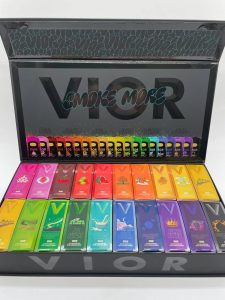
Color and Visual Characteristics
Color is another characteristic that can vary naturally between concentrates. Depending on the starting material and processing conditions, cannabis extracts may range from lighter shades to deeper tones. The presence of sugar-like crystalline structures can also influence how light reflects across the surface. A textured concentrate may therefore appear different under different lighting conditions. Photography can further change the perceived color. Camera settings, lighting temperature, screen brightness, and image processing may all affect how an extract appears in pictures. Consequently, visual comparisons should be made carefully. A difference in color does not automatically establish that one batch is better, stronger, or more authentic than another. Laboratory testing and verified packaging remain more reliable sources of product information.Packaging Information
A properly labeled cannabis product generally contains information intended to identify the item and communicate legally required details. Depending on the jurisdiction, packaging may include the product name, net weight, cannabinoid content, batch number, testing information, producer details, dates, warnings, and regulatory symbols. The exact requirements differ by location. Therefore, packaging should be reviewed according to the regulations applicable where the product is legally distributed. The label can also help distinguish between similarly named products. This is particularly useful when brands release multiple formats, editions, or batch variations. Keeping the original packaging intact can help preserve this information throughout the product's lifecycle.Laboratory Reports
Laboratory reports can provide a more detailed picture of a cannabis concentrate than appearance alone. A certificate of analysis may contain cannabinoid measurements and, depending on local testing requirements, information concerning contaminants and other regulated characteristics. Possible testing categories can include:- THC and other cannabinoid concentrations
- CBD concentrations
- Terpene measurements
- Residual solvent screening
- Pesticide screening
- Heavy-metal testing
- Microbial testing
- Other jurisdiction-specific safety requirements
Understanding Batch Numbers
A batch number helps connect a particular package with its production and testing records. This identifier can be useful when verifying product information. When a laboratory report is available, the batch or lot number can help establish whether the report corresponds to the package being examined. This distinction is important because product names can remain unchanged while production batches differ. For example, two packages carrying the same product name could have different manufacturing dates or laboratory results. Their appearance might also vary slightly. Batch identification therefore adds another layer of transparency to product documentation.Product Weight and Label Accuracy
Net weight is another important piece of information on a concentrate package. The stated weight identifies the amount of product contained within the package according to applicable labeling requirements. Weight should not be confused with cannabinoid content. A larger quantity of concentrate does not necessarily indicate a particular cannabinoid concentration. Similarly, two packages with the same stated weight can have different cannabinoid profiles depending on their respective batches. For accurate information, the product label and applicable laboratory documentation should be considered together.Storage Environment and Stability
The physical stability of cannabis concentrates can be affected by environmental conditions. Temperature, light, air exposure, and handling can all influence the product over time. Extreme temperature changes may alter consistency. Similarly, prolonged exposure to unsuitable conditions can affect aromatic compounds and other components. A stable environment is therefore generally more suitable for maintaining the characteristics described on the packaging. The manufacturer's storage information should take precedence whenever it is available because different formulations and packaging systems may have specific requirements. The original container can also provide useful protection against environmental exposure while preserving product identification details.
Product Authenticity
Authenticity is an important consideration with branded cannabis products. Packaging details can help establish whether a product corresponds to the stated manufacturer or producer. Potential identification details include:- Manufacturer information
- Batch number
- Laboratory information
- Packaging details
- Regulatory markings
- Product weight
- Required warning information
Reviews
There are no reviews yet.