Description
STIIIZY 1G Disposable: Product Overview
The
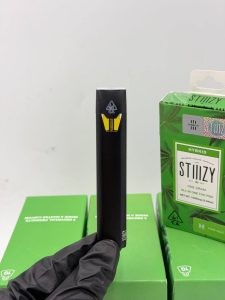
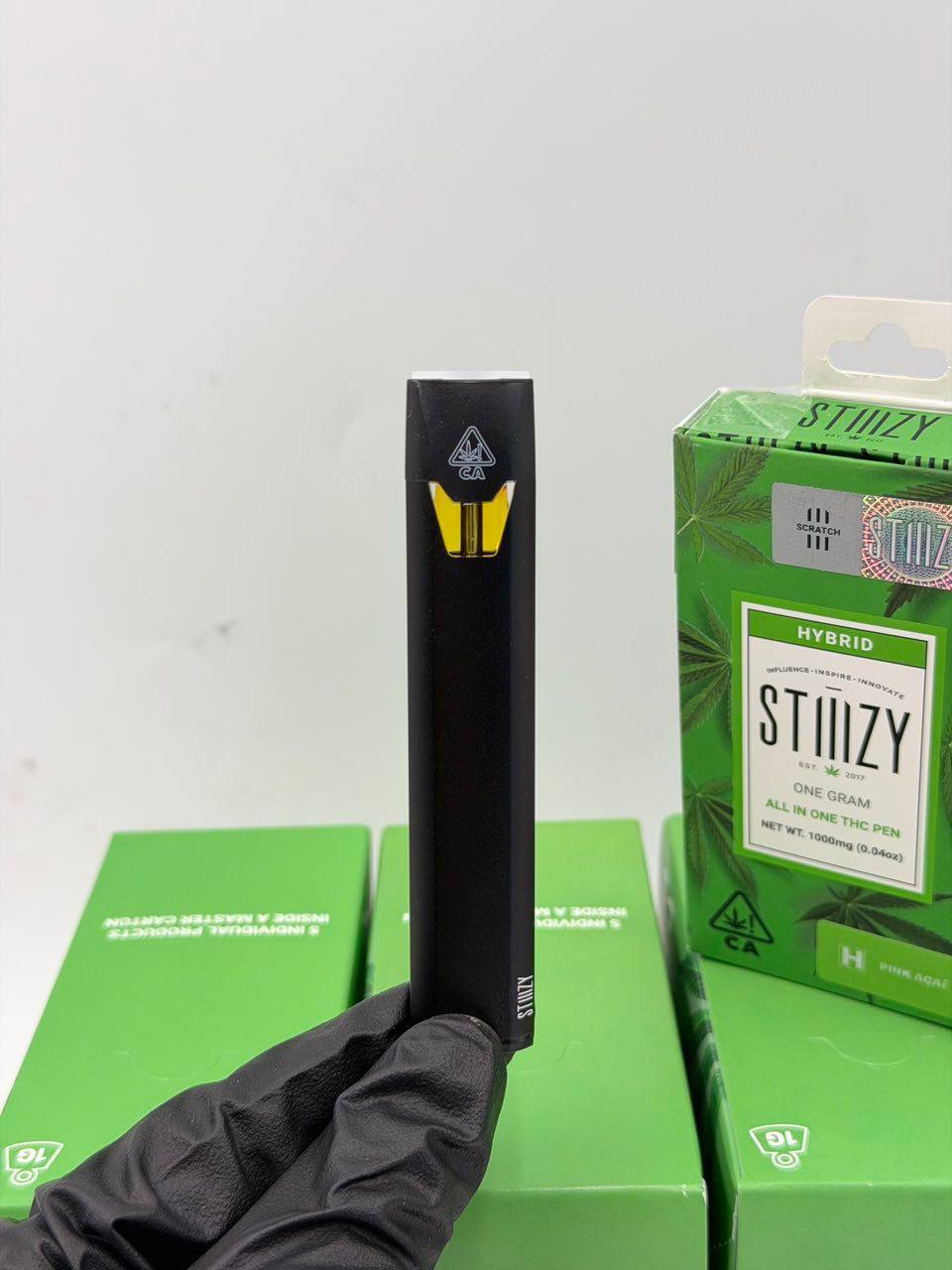
STIIIZY 1G Disposable is a compact cannabis vaporizer designed around portability
, simplicity
, and a pre-filled format. Its all-in-one design combines the oil chamber, heating system, and battery in a single device. As a result, there is no separate cartridge or external battery to manage.
The 1-gram format provides a defined amount of cannabis oil within the device. Because the hardware arrives pre-filled, the overall design remains relatively straightforward compared with systems that require separate cartridges and batteries. At the same time, the exact experience can vary according to the formulation, strain or flavor designation, cannabinoid concentration, and other product specifications.
Compact All-in-One Design
One of the most noticeable characteristics of the device is its compact construction. The hardware is designed to keep the main components together rather than separating the cartridge from the battery. Consequently, the device has a simple physical profile that can be easier to understand than a multi-component vaporizer system.
The integrated format also reduces the number of individual parts involved. There is no separate cartridge body that needs to be attached to a compatible battery. Instead, the oil chamber and power system are contained within the same disposable unit.
Moreover, the streamlined construction contributes to the product's recognizable appearance. Its shape is associated with the broader STIIIZY hardware lineup, although specific packaging and hardware details can vary between products, markets, and production periods.
1-Gram Oil Capacity
The 1G designation refers to the stated one-gram capacity of cannabis oil. This measurement describes the amount of oil contained in the product rather than guaranteeing a particular number of uses.
Several factors can influence how long a device lasts. Individual usage patterns, inhalation length, device performance, oil formulation, and hardware characteristics can all affect consumption. Therefore, two people may use the same product at different rates.
The oil itself may also differ between individual varieties. Depending on the specific product, the formulation can include cannabinoids and naturally occurring or added aromatic compounds. The information printed on the package remains the appropriate source for identifying the actual contents of a particular unit.
Pre-Filled Format
Unlike refillable vaporizer systems, a disposable arrives with its oil already contained inside the device. This creates a more self-contained product format. In addition, it means that users do not need to transfer oil from another container into the hardware.
The pre-filled construction also helps keep the product configuration consistent from the initial opening through normal use. However, disposable hardware is intended to be treated as a complete unit rather than as a long-term rechargeable platform.
Because formulations and hardware can change, product information should always be checked against the current packaging. Labels can provide important details about cannabinoid content, ingredients, batch information, and applicable warnings.
Vaporizer Hardware
The heating system is an important part of any disposable vaporizer. Within the device, a heating element converts the cannabis oil into an inhalable aerosol. The battery supplies the energy required for this process.
The interaction between the oil and heating system can influence the characteristics of the vapor. Temperature, oil viscosity, airflow, hardware design, and battery performance may all contribute to the final output.
Furthermore, different formulations can behave differently inside the same type of hardware. Thicker oils, for example, may interact with the heating element differently from less viscous formulations. For that reason, the specifications of the particular product remain more useful than assumptions based solely on the device format.
Formulation and Cannabinoid Information
Cannabis oil can contain several cannabinoids, with THC and CBD among the most commonly discussed. The concentration of these compounds varies according to the specific formulation.
The package label should be consulted for the exact cannabinoid profile. Laboratory testing information, when provided, can offer additional details about potency and composition. Such information is particularly important because products carrying similar hardware names can contain substantially different formulations.
Terpenes and other aromatic compounds may also contribute to the sensory characteristics of cannabis oil. These compounds are associated with aroma and flavor, although the overall profile depends on the formulation and manufacturing process.
As a result, the name of a variety alone does not provide a complete description of its contents. Current labeling and laboratory information offer a more reliable reference.
Flavor and Aroma Characteristics
The sensory profile of a cannabis vaporizer depends largely on its oil formulation. Different varieties may have distinct aromatic profiles, ranging from fruity and sweet notes to herbal, earthy, citrus, or more complex combinations.
However, flavor perception is subjective. The same formulation can be perceived differently by different people. In addition, heating conditions can influence how aromatic compounds are experienced.
Packaging may identify a specific variety or flavor profile, but descriptions should not be treated as guarantees of a particular sensory experience. The actual product label remains the best source for identifying the formulation associated with a specific unit.
Portability
The compact size of an all-in-one disposable makes portability one of its defining physical characteristics. The device combines multiple components into a single piece of hardware, which reduces the need to carry separate accessories.
At the same time, portability does not remove the need for responsible storage. Cannabis products should be kept according to applicable packaging instructions and away from children, pets, and anyone who should not have access to them.
Storage conditions can also affect product quality. Excessive heat, direct sunlight, moisture, and other unsuitable conditions may negatively affect cannabis oil or the hardware itself. Therefore, the manufacturer's storage information should be followed.
Disposable Construction
The disposable format distinguishes this product from rechargeable cartridge systems. A rechargeable system generally allows the battery to be used with multiple cartridges, whereas a disposable combines the battery and oil container into one unit.
This difference affects how the product is handled at the end of its usable life. Once the oil or battery can no longer support normal operation, the device should not be treated as ordinary household waste if local regulations provide separate disposal requirements.
Electronic components and cannabis-related materials can require specialized disposal procedures. Local waste-management rules should therefore be checked before discarding the device.
Packaging and Product Identification
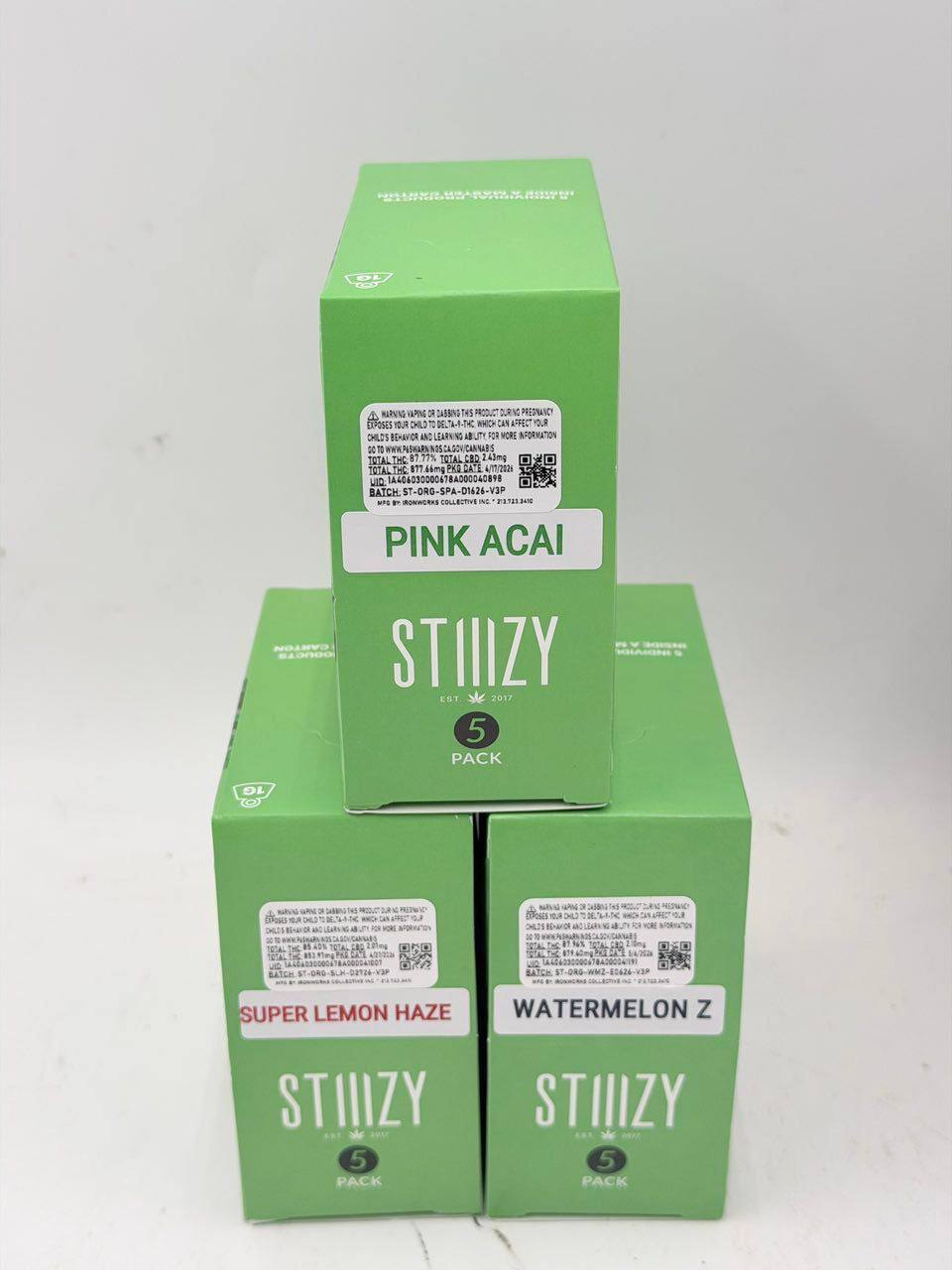
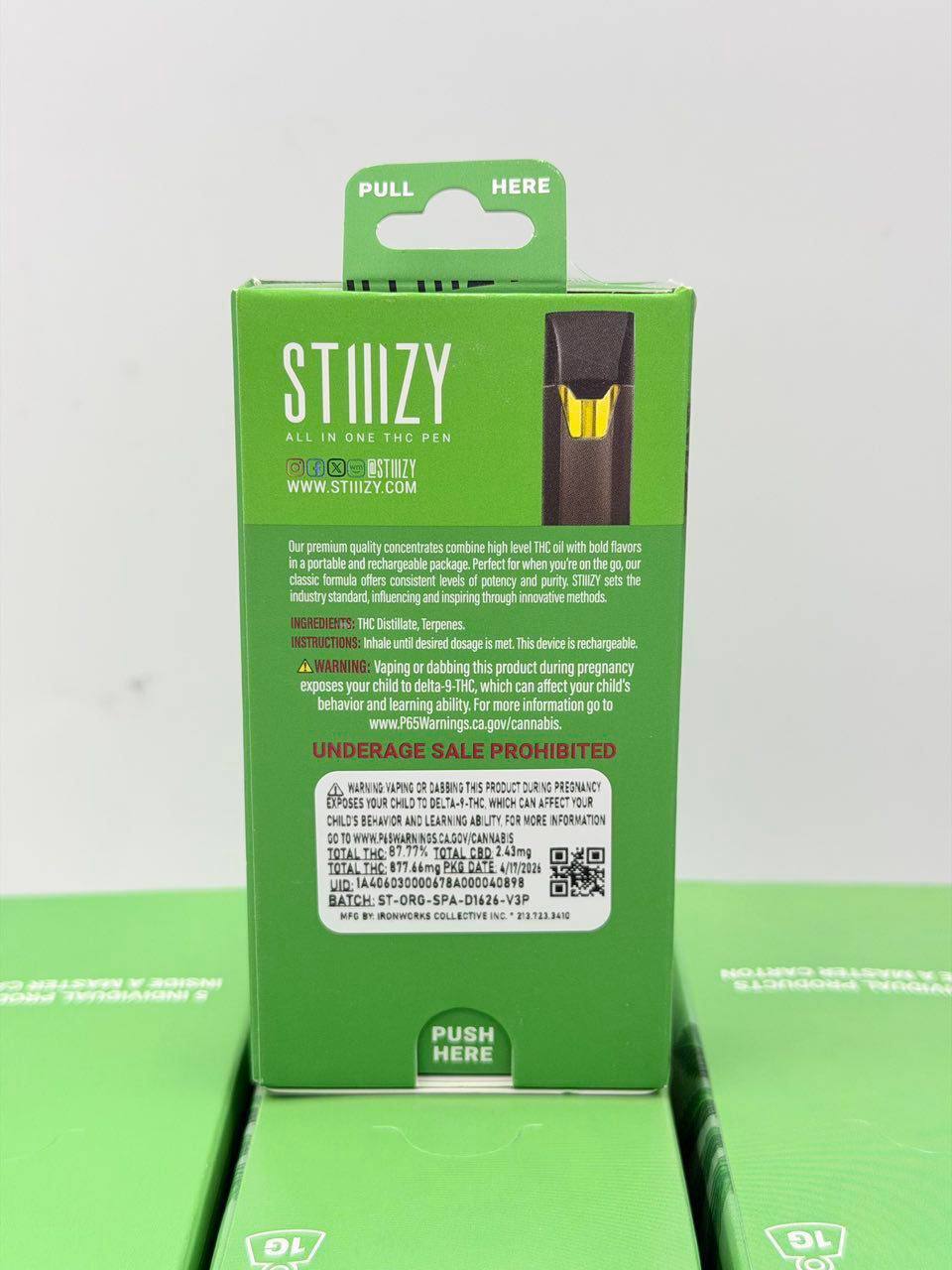
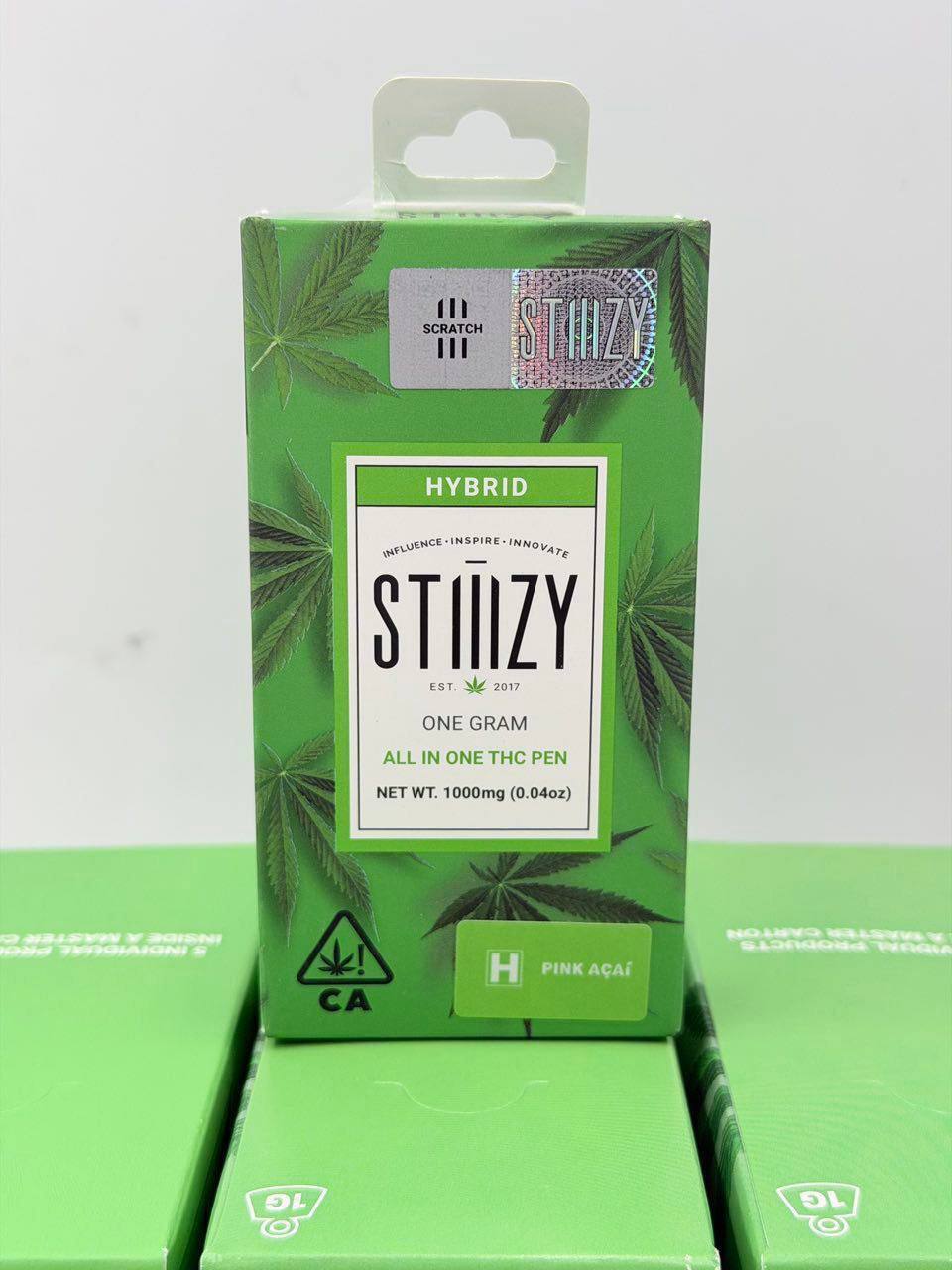
Authentic product identification is important when evaluating any branded cannabis item. Packaging can contain information such as the product name, cannabinoid content, batch details, manufacturing information, warnings, and testing information.
Because packaging designs can change, older images found online may not accurately represent current packaging. Similarly, product names and formulations can vary by market.
For that reason, the physical label should take priority over unofficial descriptions when verifying product details. Any discrepancy between an online listing and the package deserves careful attention.
Quality and Testing Information
Cannabis products may be subject to testing requirements depending on the jurisdiction where they are produced and sold. Testing can provide information about cannabinoid concentrations and the presence of certain contaminants.
Laboratory results can therefore be useful when evaluating a product's documented composition. However, testing requirements differ between regions, and not every market follows the same standards.
A current certificate of analysis or equivalent documentation, when available from an authorized source, can provide more detailed information than a general product description. The batch number is especially relevant because laboratory results are often associated with particular production batches.
User Experience Factors
The experience associated with a cannabis vaporizer depends on several variables. Cannabinoid concentration is one factor, but it is not the only one. Individual tolerance, previous cannabis exposure, inhalation habits, metabolism, and the specific formulation can all influence the experience.
Furthermore, the same product can affect people differently. One person's response should not be treated as a reliable prediction of another person's response.
The safest approach is to rely on the product label, applicable regulations, and personal medical guidance when relevant. Cannabis can produce impairment, so activities that require full attention or coordination may become unsafe after use.
Responsible Handling
Responsible handling is an important part of using any cannabis vaporizer. The device should remain in its original packaging when practical, particularly when product information or warnings need to be referenced.
Storage should also prevent accidental access. Children and pets can be particularly vulnerable to cannabis exposure, so products should be kept securely away from them.
In addition, the device should not be modified or dismantled. Altering the hardware can create risks that are not addressed by the original product design.
Legal and Regulatory Considerations
Cannabis regulations differ significantly between jurisdictions. Age requirements, possession rules, product limits, packaging standards, and permitted methods of consumption can all vary.
Therefore, the legal status of a particular cannabis product cannot be determined solely from its brand or product name. Local laws should always be checked before possession or use.
Travel presents additional considerations. Cannabis products may be subject to restrictions when crossing borders or entering jurisdictions where cannabis laws differ. A product that is permitted in one location may not be permitted elsewhere.
Understanding the 1G Format
The one-gram capacity offers a straightforward way to identify the approximate amount of oil contained in the device. Nevertheless, the figure should not be interpreted as an exact measure of how many inhalations the product will provide.
Vapor production can vary according to hardware and individual usage. Shorter and longer inhalations consume different amounts of oil, while battery performance can also influence the operation of the heating system.
Consequently, capacity provides useful information about the product but does not predict personal consumption.
Hardware Versus Formulation
It is useful to distinguish the physical device from the cannabis formulation inside it. The hardware determines how the oil is stored and heated, while the formulation determines much of its chemical and sensory profile.
Two products with similar disposable hardware can therefore provide different characteristics when their oils contain different cannabinoid and terpene compositions.
Likewise, similar formulations can behave differently when paired with different hardware. This distinction helps explain why product descriptions should include both physical specifications and formulation information.
Why Current Labels Matter
Online product information can become outdated as packaging, formulations, and regulations change. In contrast, the current package associated with a particular batch contains information intended for that specific product.
This is especially relevant for cannabinoid percentages and laboratory information. Numbers shown on older websites may not correspond to a current production batch.
For accurate identification, the package label, batch information, and applicable laboratory documentation should therefore be treated as the primary references.
The STIIIZY 1G Disposable represents a compact, pre-filled cannabis vaporizer format that combines its oil chamber, battery, and heating system into one device. Its defining characteristics include the stated one-gram oil capacity, integrated construction, and disposable design.
The actual formulation, cannabinoid concentration, flavor profile, and testing information depend on the particular variety and production batch. Because of that variation, current packaging provides the most reliable product-specific information.
Overall, the device can be understood primarily through its hardware format and documented formulation rather than through its name alone. Details such as oil capacity, cannabinoid content, laboratory testing, storage information, and disposal requirements provide a clearer picture of the individual product.
As with other cannabis products, responsible handling and awareness of local regulations remain important. Cannabis may cause impairment, and its effects can differ significantly between individuals. Product information should therefore be considered alongside the applicable legal requirements, health guidance, and safety information supplied with the specific unit.
Design Details and Everyday Practicality
The physical design of a disposable vaporizer can have a noticeable effect on how the product is handled. An integrated structure keeps the main operating components together, creating a single unit rather than a collection of separate pieces.
This type of construction is particularly distinct from traditional cartridge systems. With a cartridge-based setup, the cartridge and battery are separate components. In contrast, an all-in-one disposable contains the essential hardware within one housing.
The compact structure also reduces the amount of equipment associated with the product. There is no separate battery body to match with the cartridge, and there are fewer individual components to keep track of during normal handling.
At the same time, the compact format does not mean that every version has identical specifications. Hardware can change between production runs, markets, or product generations. Therefore, the information printed on the current packaging remains important when identifying the exact configuration.
Oil Consistency and Hardware Interaction
Cannabis oil has physical characteristics that can affect how it interacts with vaporizer hardware. Viscosity, formulation, temperature, and composition can all influence the movement of oil through the internal system.
A heating element must reach an appropriate operating temperature to convert the oil into an inhalable aerosol. If the physical properties of the oil change, the behavior of the heating system can change as well.
Moreover, environmental conditions may affect the oil. Exposure to excessive heat can alter its consistency, while very cold conditions may make thicker formulations behave differently.
For that reason, appropriate storage remains an important part of maintaining the condition of the product. Manufacturer-provided storage information should take priority over general assumptions about cannabis oil.
Battery and Heating System
The integrated battery provides the energy required by the heating element. When the device is activated, electrical energy is converted into heat, which interacts with the oil contained inside the chamber.
This process is central to the operation of a vaporizer. However, the exact heating technology can differ between products and generations. Unless the manufacturer provides detailed specifications, assumptions about the internal heating system should be avoided.
Battery performance can also vary over the life of a disposable. As the available charge decreases, the device may eventually become unable to produce normal vapor even when a small amount of oil remains.
This is one reason capacity and usable life should not be treated as identical measurements. A stated oil capacity describes the quantity of oil, while the practical lifespan depends on both the oil and the hardware.
Airflow and Vapor Production
Airflow is another component of vaporizer design. The movement of air through the device interacts with the heating process and contributes to the amount of aerosol produced.
A person's inhalation pattern can influence this process. Longer inhalations may consume more oil than shorter ones, while individual breathing patterns can create different sensations.
Additionally, hardware tolerances and oil viscosity can affect airflow. A device that performs normally under one set of conditions may behave differently when stored improperly or exposed to unsuitable temperatures.
Because of these variables, vapor production should not be measured solely by the one-gram capacity listed on the package.
Product Variety
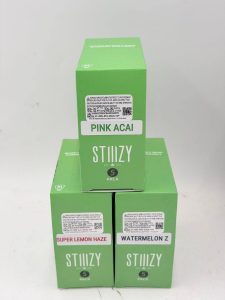
A branded disposable line may include multiple formulations. These can differ in cannabinoid concentrations, aromatic compounds, flavor descriptions, and other characteristics.
The variety name can provide useful information, but it should not be treated as a complete chemical profile. Current laboratory documentation and packaging details provide more precise information about the actual contents.
Furthermore, product availability can differ according to location. A particular formulation may be offered in one regulated market but not another.
This means online descriptions should be viewed as general references unless they correspond directly to the current product and batch.
Cannabinoid Concentration
Cannabinoid concentration is one of the most important pieces of information associated with a cannabis product. THC is commonly associated with intoxicating effects, while CBD is another widely recognized cannabinoid with different properties.
The actual percentages can vary considerably between products. Therefore, the cannabinoid information printed on the package should be checked before evaluating a specific unit.
Potency also does not determine how an individual will respond. Personal tolerance, metabolism, previous exposure, and other factors can influence the effects.
For this reason, numerical potency information is most useful when it is considered alongside responsible-use information and applicable health guidance.
Terpenes and Aromatic Compounds
Terpenes contribute to the aroma and flavor characteristics associated with many cannabis varieties. Different terpene combinations can produce profiles that are described as fruity, citrusy, herbal, earthy, sweet, floral, or spicy.
The sensory profile of a finished vapor product is influenced by more than terpene content alone. Heating conditions, formulation, storage, and individual perception can all contribute to the final experience.
Consequently, flavor descriptions should be viewed as general sensory references rather than guarantees.
Packaging and laboratory documentation may provide additional information about the formulation. When detailed terpene testing is available, it can offer a more specific picture of the aromatic composition.
Packaging Appearance
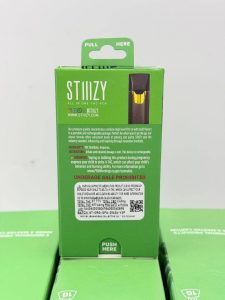
Packaging is generally designed to provide identification and product information while meeting applicable regulatory requirements. Depending on the jurisdiction, it may contain warnings, cannabinoid information, batch details, manufacturing information, and testing references.
Packaging can also change over time. New designs may appear as companies update branding or comply with changing regulations.
As a result, photographs found online may not always match the appearance of a current package. The physical packaging associated with the individual product should therefore be considered the most reliable visual reference.
Authenticity and Verification
Branded cannabis products can be subject to unauthorized reproduction or misleading listings. Verification is therefore important when evaluating a product obtained through a regulated market.
Details such as batch numbers, testing information, packaging quality, labeling, and authorized retail channels can help establish whether a product corresponds to its stated description.
However, no single visual characteristic should automatically be treated as definitive proof of authenticity. Manufacturers may change packaging and security features over time.
Current verification information supplied by the manufacturer or relevant regulatory authority is generally more reliable than informal comparisons posted online.
Storage Conditions
Cannabis oil and electronic hardware can both be affected by unsuitable storage conditions. Excessive heat is particularly relevant because temperature can influence oil consistency and the condition of electronic components.
Direct sunlight can also contribute to unnecessary heat exposure. Meanwhile, moisture may create problems for electronic devices if it reaches sensitive internal components.
A cool, dry, secure storage environment is generally more appropriate than locations exposed to extreme temperatures or direct sunlight. Manufacturer instructions should always take precedence where specific storage requirements are provided.
Products should also remain inaccessible to children and pets. Secure storage is especially important because accidental cannabis exposure can have serious consequences.
Handling the Device
The integrated construction means that the device should generally be treated as a complete unit. Attempting to open, puncture, modify, or dismantle electronic vaporizer hardware can introduce unnecessary risks.
The battery and heating system are internal components, so they are not designed for ordinary manual adjustment.
Similarly, transferring the oil into another container can create contamination, leakage, or exposure concerns. The original configuration is intended to keep the formulation and hardware together.
Proper handling therefore focuses on preserving the device's original condition rather than modifying its components.
Leakage and Product Condition
Oil leakage can occur with vaporizer products for several possible reasons, including temperature changes, physical damage, manufacturing problems, or storage conditions.
A damaged device should not be treated as though it were in normal operating condition. Visible cracks, significant leakage, unusual odors, or other signs of damage warrant caution.
The packaging can also provide instructions for addressing damaged products. Where a product appears defective, the appropriate retailer or manufacturer support channel can provide more specific guidance.
Disposable Versus Rechargeable Systems
The disposable format differs fundamentally from rechargeable vaporizer systems.
A rechargeable system generally contains a reusable battery that can remain in service while cartridges are replaced. A disposable combines the battery and oil chamber into one product and is ultimately discarded after its useful life.
This distinction can affect cost, waste, maintenance, and storage requirements. Disposable hardware may involve fewer components, while rechargeable systems can provide a reusable battery platform.
Neither format should be assumed to be universally preferable. The appropriate choice depends on the product specifications, applicable regulations, and individual circumstances.
Environmental Considerations
Electronic disposable products contain components that should not automatically be placed in ordinary household waste. Batteries and electronic materials can require specialized disposal.
Local waste regulations differ, so disposal instructions should be checked before the device is discarded.
Some jurisdictions provide dedicated collection systems for batteries or electronic waste. Where such programs exist, they may offer a more appropriate disposal route.
Responsible disposal is particularly relevant because the product contains both electronic components and residual material.
Safety Information
Cannabis can cause impairment and may affect attention, coordination, reaction time, and judgment. These effects can vary between individuals and can also depend on the formulation and amount consumed.
Operating vehicles or machinery while impaired can create significant safety risks. Cannabis should also be kept away from children and pets.
Individuals who are pregnant, taking medications, or managing health conditions may have additional considerations when evaluating cannabis products. Professional medical advice can provide more appropriate guidance in those situations.
The product label and local regulations should be reviewed alongside general safety information because requirements can differ between jurisdictions.
Understanding Product Claims
Product descriptions sometimes use terms such as premium, potent, flavorful, or high quality. These words may communicate positioning or marketing language, but they do not replace measurable specifications.
For a clearer assessment, objective information such as cannabinoid concentration, batch testing, oil capacity, ingredients, and manufacturing details is more useful.
Similarly, a strain or flavor name does not independently establish potency or chemical composition.
Reading the complete label can therefore provide a more balanced understanding than relying on individual promotional terms.
Why Batch Information Matters
Cannabis products are produced in batches, and cannabinoid or terpene profiles can vary between batches. Laboratory documentation can therefore be associated with a particular production run rather than every item carrying the same brand name.
The batch number can help connect a physical product to its corresponding testing information. When laboratory results are available, matching the batch information provides greater confidence that the results relate to the product being examined.
This distinction is particularly important when online listings display generic laboratory information that may not correspond to the current unit.
Overall Product Profile
The 1-gram disposable format can be summarized through several defining characteristics. It is an integrated vaporizer, it contains a stated one gram of cannabis oil, and its battery and heating system are incorporated into the same device.
Beyond those basic characteristics, the individual formulation determines much of the product-specific information. Cannabinoid concentration, terpene content, flavor description, and testing results can vary.
Consequently, the physical format provides only part of the overall product picture. Current packaging and batch-specific documentation complete the description.
Final Perspective
This type of disposable vaporizer combines cannabis oil and electronic hardware within a compact, pre-filled format. Its one-gram capacity provides a straightforward measurement of the stated oil quantity, while the integrated construction keeps the battery, heating system, and oil chamber together.
However, the exact characteristics of an individual unit depend on its formulation and production batch. Current packaging, laboratory information, and manufacturer documentation therefore remain important references.
The product should also be considered within the legal and regulatory framework of the location where it is possessed or used. Storage, handling, transportation, and disposal requirements can differ substantially between jurisdictions.
Ultimately, understanding the product involves more than looking at its name or capacity. The most useful information comes from its documented cannabinoid profile, formulation, hardware specifications, batch information, testing data, and applicable safety requirements.
Reviews
There are no reviews yet.