Description
Sweetz Exotics Sushi Bar Edition: Product Overview
Introduction
Sweetz Exotics Sushi Bar Edition is presented as a distinctive cannabis product with branding inspired by the visual world of sushi
, contemporary food culture
, and playful confectionery design
. The name immediately creates a memorable identity, while the overall presentation gives the product a recognizable place within the broader Sweetz Exotics lineup.
Product presentation plays an important role in how modern cannabis products are identified. Packaging, naming, flavor references, and visual themes can all contribute to a product's character. In this case, the Sushi Bar Edition uses an unusual theme that separates it from more conventional product names.
At the same time, product details can vary depending on the specific package, market, and production batch. Because of that, information such as cannabinoid content, ingredients, strain composition, testing information, and available flavors should be confirmed from the physical packaging or an authorized source.
A Distinctive Concept
The Sushi Bar Edition stands out primarily because of its creative concept. Sushi is usually associated with carefully arranged ingredients, colorful presentation, and a recognizable dining experience. Translating that idea into cannabis branding creates an identity that feels different from the standard fruit, dessert, or candy-inspired naming commonly found throughout the category.
The concept also gives the product a playful visual direction. Rather than relying only on a traditional strain name, the edition communicates a broader theme. As a result, the packaging and product identity can become part of the overall experience.
This type of presentation has become increasingly noticeable within modern cannabis culture. Brands often use memorable names and themed editions to distinguish individual products. However, branding alone does not establish the actual contents of a product. The package remains the most reliable source for information about potency, ingredients, quantity, and testing.
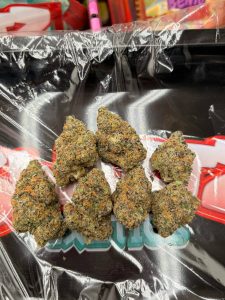
Packaging and Presentation
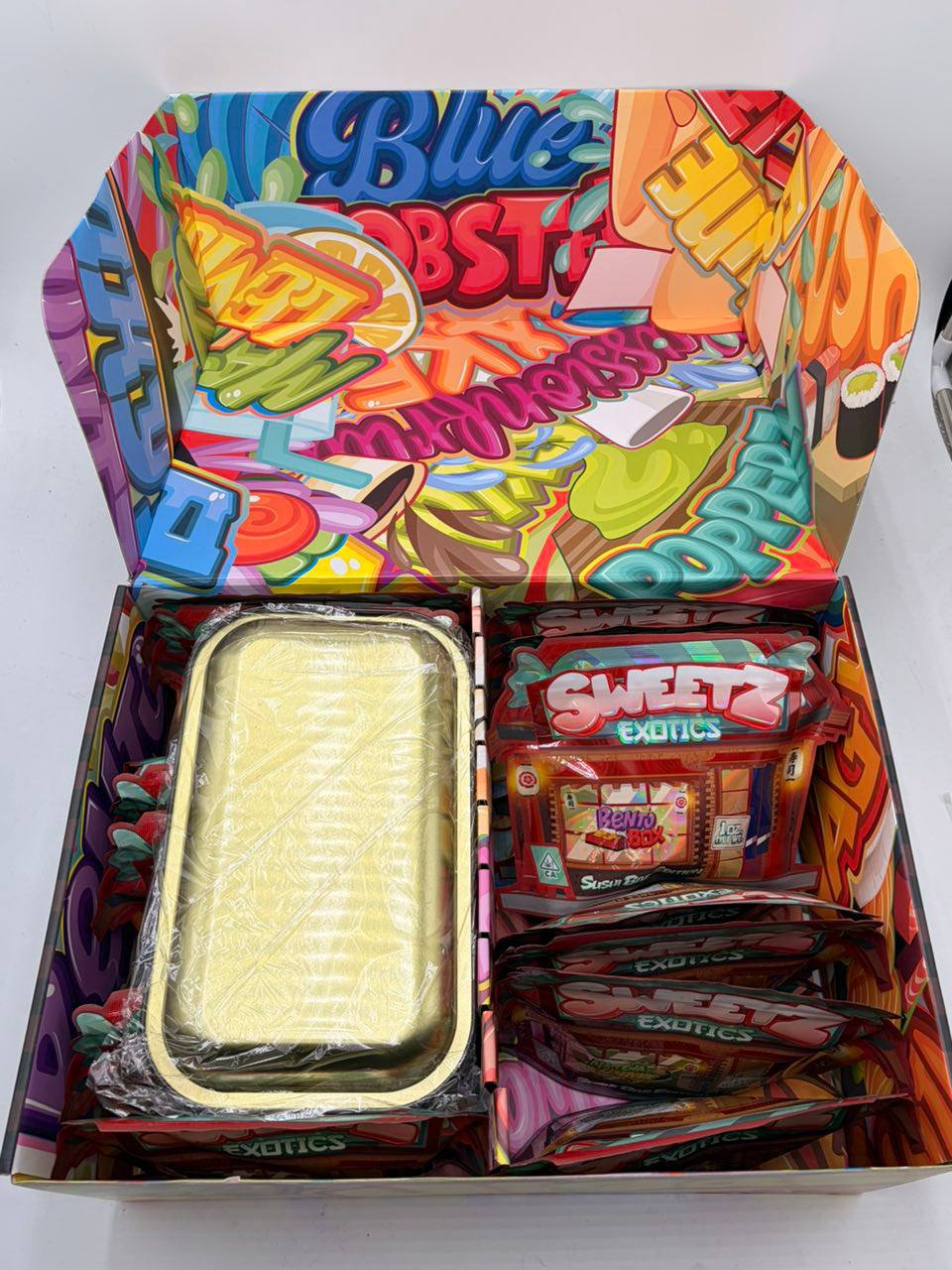
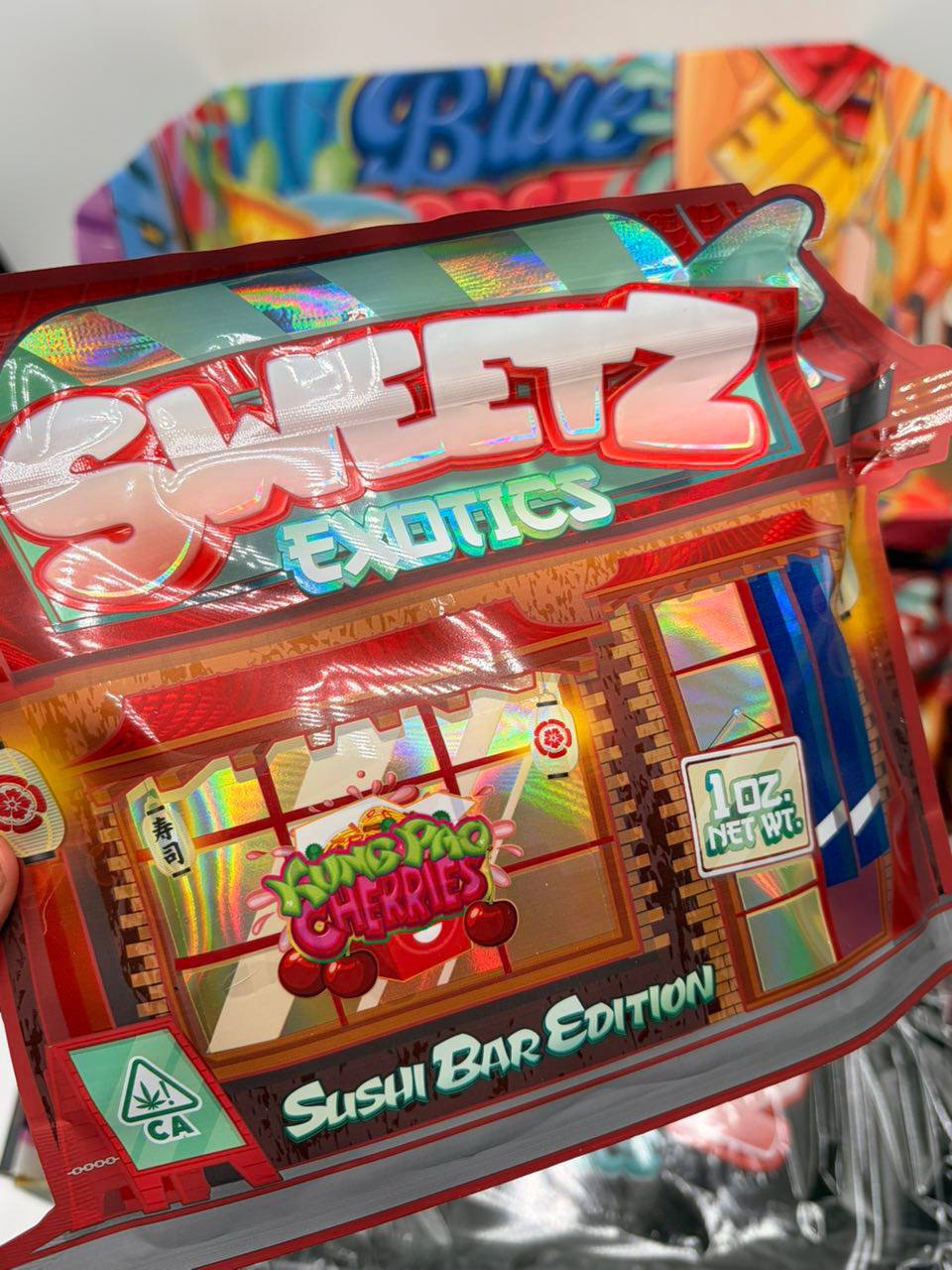
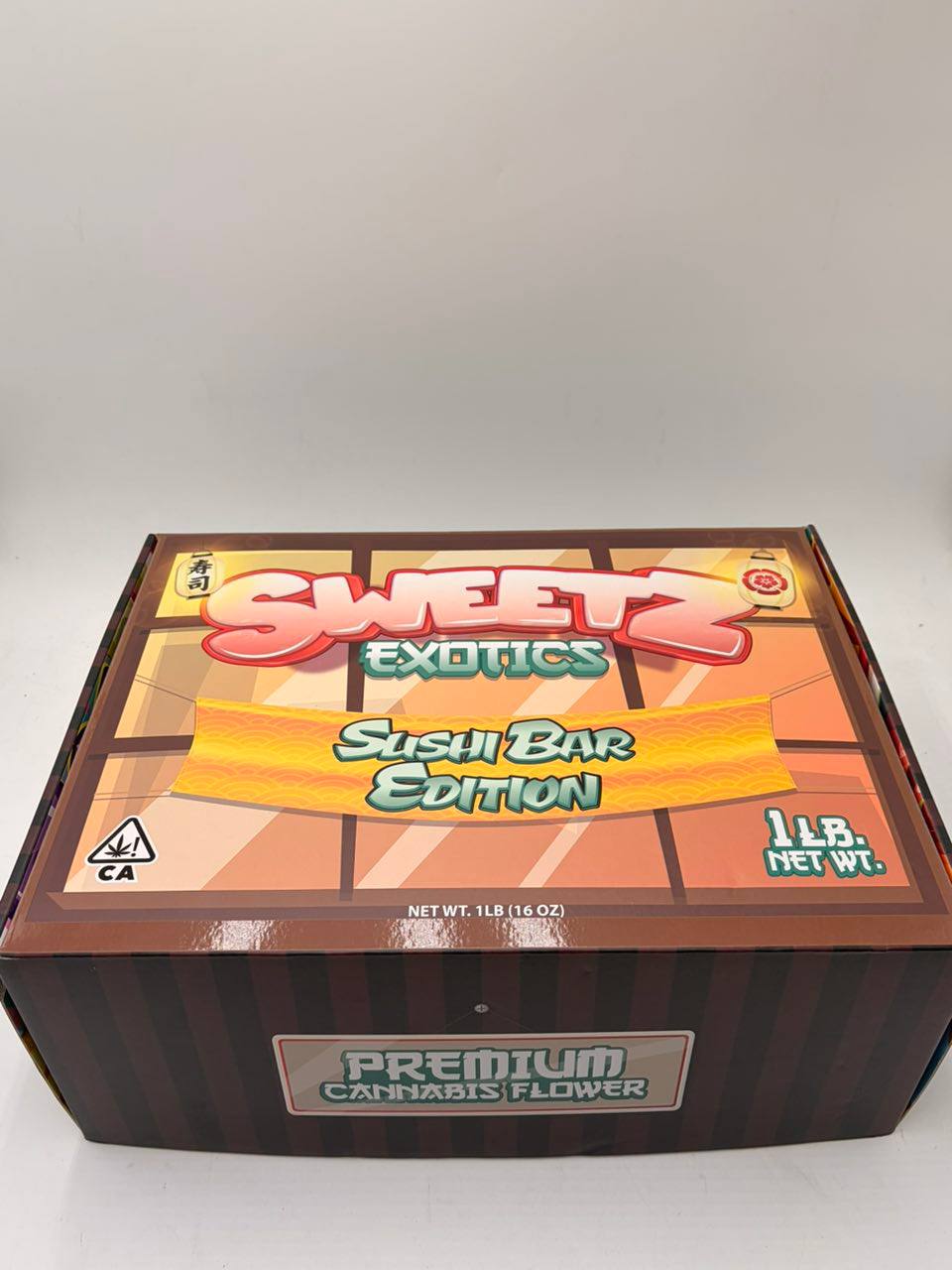
Packaging is an important part of the identity associated with the Sushi Bar Edition. The Sweetz Exotics name and Sushi Bar concept work together to create a recognizable appearance. Depending on the specific version, the packaging may feature colorful graphics, food-inspired imagery, and other design elements intended to reinforce the theme.
The visual identity is particularly notable because sushi provides a large creative space for branding. Traditional sushi is known for neat presentation and contrasting colors, while contemporary sushi restaurants often use modern graphics and distinctive menu concepts. Those ideas can translate naturally into product design.
Even so, appearance should remain separate from product specifications. A visually impressive package does not necessarily indicate potency, quality, or authenticity. Those factors depend on the actual product and its documented information.
Product Identity
Sweetz Exotics is associated with a range of products that use playful names and recognizable themes. The Sushi Bar Edition follows that general approach by combining a familiar food reference with cannabis-oriented branding.
The edition can therefore be viewed as a themed product rather than simply another variation of a conventional cannabis name. Its identity is built around the combination of the Sweetz Exotics brand and the sushi-inspired concept.
For consumers researching the product, several details may be especially relevant. These include the exact product type, cannabinoid profile, total quantity, listed ingredients, manufacturing information, batch details, and laboratory testing where applicable.
Because product specifications can change between versions, these details are best evaluated individually rather than assumed from the edition name.
Flavor and Aroma Information
Flavor and aroma are often central considerations when evaluating cannabis products. However, the Sushi Bar Edition name alone does not provide enough information to establish a specific flavor profile.
Cannabis aroma can be influenced by naturally occurring compounds called terpenes. These compounds contribute to the aromatic characteristics associated with different cannabis varieties. Depending on the formulation, a product may contain naturally occurring cannabis compounds or added flavor ingredients.
The actual flavor profile should therefore be determined from the product's official labeling. Descriptions such as fruity, sweet, citrus-forward, herbal, earthy, or dessert-inspired should only be used when they are supported by the package or verified product information.
This approach provides a more accurate product description while avoiding assumptions based solely on creative branding.
Cannabinoid Information
Cannabinoid content is another important part of product identification. Cannabis products can contain cannabinoids such as THC, CBD, and other naturally occurring compounds, depending on their formulation.
The concentration and total amount can differ substantially between products carrying similar branding. Therefore, the exact cannabinoid information should always be taken from the current package or laboratory documentation.
Labels may provide information about total cannabinoid content, serving size, concentration, or other relevant measurements. These figures can help establish what is actually contained in a particular package.
Because potency information is product-specific, it would be inaccurate to assign a cannabinoid percentage or milligram amount to the Sushi Bar Edition without verified packaging information.
Ingredients and Formulation
Ingredient information is particularly important for products that contain more than cannabis flower or extract. Depending on the product format, a formulation may contain cannabinoids, botanical ingredients, flavoring agents, carrier ingredients, or other components.
The ingredient panel provides the clearest reference for this information. It can also identify common allergens or dietary ingredients where applicable.
For that reason, the Sushi Bar Edition should be evaluated according to the exact product format and package being considered. Similar branding does not guarantee identical ingredients across different products.
Consumers with allergies or ingredient sensitivities may find the package especially useful because visual branding does not provide enough information about the complete formulation.
Quality and Testing
Quality information is best established through transparent product documentation. Where laboratory testing is available, a certificate of analysis can provide additional information about cannabinoid levels, contaminants, and other testing categories.
Testing can be particularly useful because appearance and branding cannot independently confirm product composition. A laboratory report offers a more objective reference.
Relevant testing may include cannabinoid analysis as well as screening for certain contaminants. The specific testing requirements depend on the applicable jurisdiction and product category.
For the Sushi Bar Edition, the most reliable information therefore comes from legitimate packaging, batch information, and applicable laboratory documentation.
The Sweetz Exotics Branding
The Sweetz Exotics identity contributes significantly to the character of this edition. The word "Exotics" itself suggests a product line built around unusual names, distinctive presentation, or less conventional themes.
The Sushi Bar concept fits naturally within that branding strategy. It offers an identity that is easy to remember while creating a visual connection to a familiar cultural and culinary setting.
Brand identity, however, should not be confused with product verification. A product carrying a particular name may not necessarily have the same specifications as another item from the same brand. Packaging information remains essential when identifying the exact version.
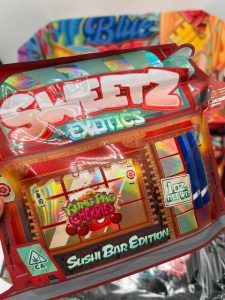
Why The Sushi Theme Stands Out
Food-inspired branding is common across modern consumer products, but sushi provides a particularly recognizable visual language. Rolls, rice, seafood, sauces, and colorful toppings can all become design references.
The Sushi Bar Edition uses that familiarity as part of its identity. The result is a product name that feels more like an experience or themed collection than a conventional product description.
This distinction can make the edition easier to recognize among products with more generic names. It also creates an opportunity for packaging designers to use bold graphics and unusual visual details.
Nevertheless, the theme remains a branding element. It should not be interpreted as proof that the product contains sushi-related ingredients or flavors unless such ingredients are explicitly listed.
Product Format Matters
The exact experience associated with the Sushi Bar Edition depends heavily on its product format. Cannabis products can be offered in several forms, including flower, concentrates, cartridges, disposable devices, edibles, and other formulations.
Each format has different characteristics and labeling requirements. A description that is accurate for one format may be completely inappropriate for another.
For this reason, the product's exact format should be confirmed before evaluating its ingredients, cannabinoid concentration, serving information, or expected characteristics.
The packaging usually provides this information through the product name, category, net quantity, cannabinoid panel, and other labeling details.
Appearance and Design
The visual character of a themed cannabis product can influence how quickly it is recognized. Sweetz Exotics Sushi Bar Edition has a name that naturally lends itself to colorful and imaginative packaging.
Food-inspired imagery can create an immediate association with freshness, presentation, and variety. Those associations are useful from a branding perspective, although they do not establish the physical characteristics of the cannabis itself.
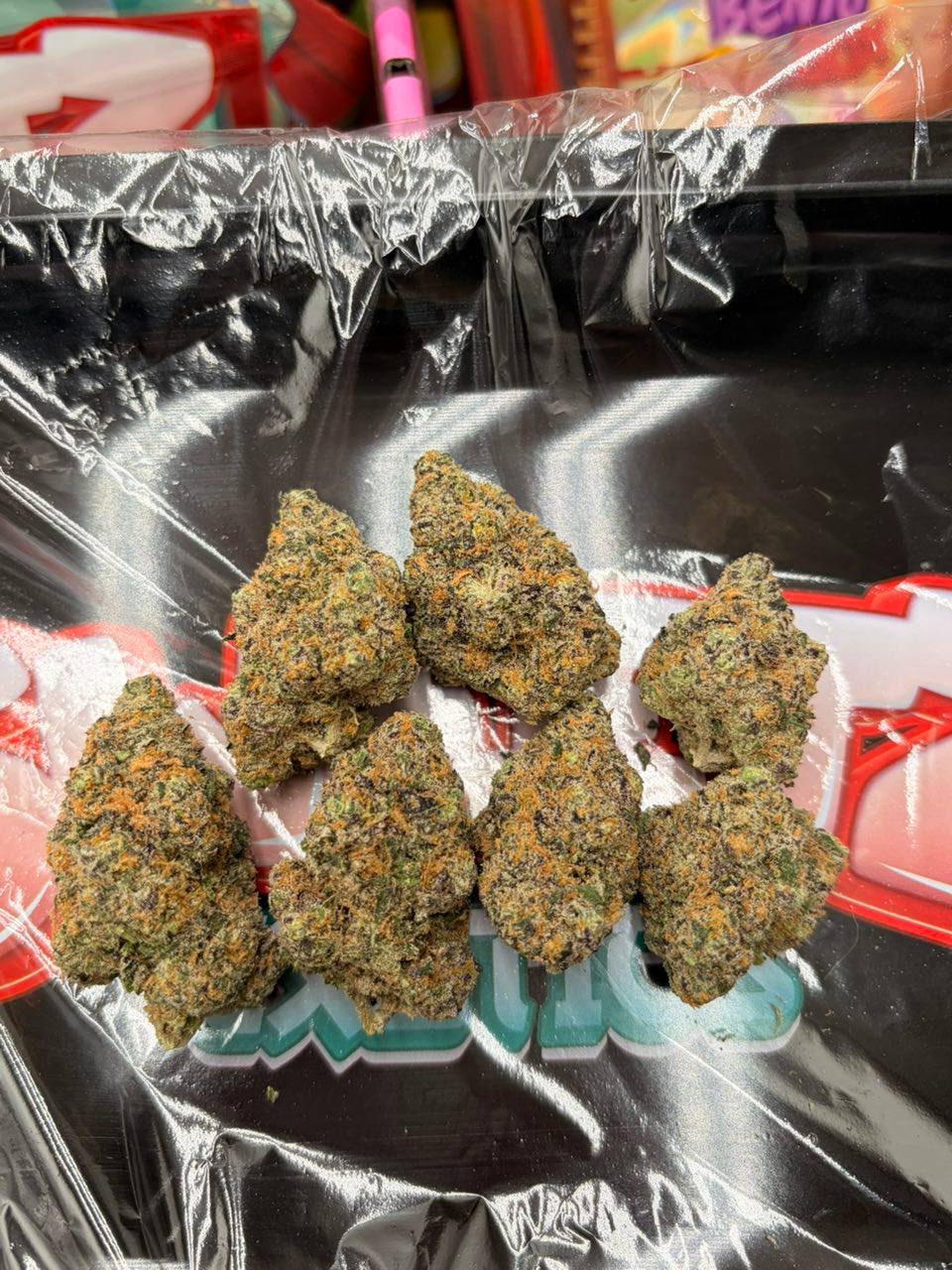
The appearance of cannabis products can vary according to the format. Flower may be evaluated by its visible structure, while concentrates and manufactured products have different physical characteristics.
Consequently, the product's actual appearance should be described from the specific version rather than inferred from the edition name.
Label Information
A complete product evaluation begins with the label. Important information can include the product name, net quantity, cannabinoid content, ingredients, batch or lot number, manufacturing details, warnings, and testing information.
The label can also help distinguish legitimate product information from unsupported claims. This is particularly useful when several similarly named products exist in different markets.
For the Sushi Bar Edition, checking the exact package can help establish which version is being discussed. Small differences in labeling may indicate different formulations, sizes, or production runs.
Authenticity Considerations
Product authenticity is another important consideration when evaluating branded cannabis products. Packaging can be imitated, and names can sometimes appear on products that are unrelated to an established manufacturer.
Authenticity is therefore better assessed through legitimate packaging, traceable batch information, authorized distribution channels, and applicable verification systems.
A product name alone cannot establish authenticity. Likewise, graphics, logos, or familiar branding should not be treated as definitive evidence.
When reliable verification is available, it provides a stronger basis for identifying the actual product.
Storage and Product Condition
Storage conditions can influence the condition of many cannabis products. Heat, light, moisture, and prolonged exposure to air can affect different product formats in different ways.
Packaging is designed to provide some level of protection, although the exact requirements depend on the product category. Product labels may provide storage information where appropriate.
A package that appears damaged, improperly sealed, or inconsistent with its expected presentation may warrant additional verification before use.
The physical condition of the product is therefore another useful part of a careful product assessment.
Comparing Themed Editions
Themed editions often differ from standard products mainly through presentation, naming, and packaging. Some may also have different formulations or flavor profiles, but such differences cannot be assumed without product-specific information.
The Sushi Bar Edition is notable because its theme is immediately recognizable. Compared with a conventional strain-based name, the concept creates a more lifestyle-oriented identity.
However, comparisons should focus on verified specifications rather than appearance alone. Cannabinoid levels, ingredients, quantity, testing, and product format provide more meaningful points of comparison.
Overall Product Character
The defining characteristic of the Sushi Bar Edition is its unusual thematic identity. The Sweetz Exotics branding gives it a recognizable foundation, while the sushi-inspired concept creates a distinctive presentation.
The combination makes the product memorable without relying entirely on a traditional strain name. At the same time, accurate evaluation requires attention to the actual package and its documented specifications.
Flavor, potency, ingredients, and formulation can vary between versions. Therefore, a reliable description should distinguish between confirmed product information and branding-based observations.
Sweetz Exotics Sushi Bar Edition presents a creative approach to cannabis product branding. Its sushi-inspired identity gives it a distinctive character within a market where themed names and imaginative packaging have become increasingly common.
The edition's strongest identifiable feature is its concept. The Sweetz Exotics name establishes the broader brand identity, while the Sushi Bar theme adds a playful and recognizable direction.
For anyone researching the product, the most useful information comes from the specific package being evaluated. Cannabinoid content, ingredients, quantity, testing information, product format, and batch details should all be confirmed from reliable documentation.
Ultimately, the Sushi Bar Edition demonstrates how product naming and visual presentation can create a memorable identity. At the same time, responsible product evaluation depends on factual labeling rather than assumptions based on branding.
The result is a product concept that combines recognizable Sweetz Exotics branding with an unconventional culinary theme, creating an edition that is visually and conceptually different from more traditional cannabis product presentations.
Sweetz Exotics Sushi Bar Edition: Additional Product Details
Design Language and Brand Recognition
One of the most noticeable aspects of the Sushi Bar Edition is the way its name creates an immediate visual association. Sushi is a familiar concept with a strong design language, making it easy to recognize even before additional product details are considered.
The theme can support a variety of visual elements, including restaurant-inspired graphics, food-related illustrations, bright packaging details, and playful references to Japanese cuisine. These elements can give the product a personality that differs from conventional cannabis branding.
Sweetz Exotics has used distinctive naming as part of its broader product identity. As a result, an edition such as Sushi Bar can attract attention through its concept as much as through its product category.
However, packaging remains primarily a means of identification. It does not independently confirm potency, ingredients, quality, or authenticity. Those details are established through labeling and applicable documentation.
A Memorable Product Name
Product names often influence how quickly an item is remembered. A simple or familiar name can be easy to overlook, whereas an unusual combination of words can create stronger recognition.
Sushi Bar Edition falls into the latter category. The name combines the established Sweetz Exotics identity with a familiar culinary setting. Consequently, it creates a product name that feels different from ordinary strain or flavor terminology.
The name also leaves room for interpretation. It can suggest a visual theme without automatically defining the actual contents. This distinction is important because creative branding and product formulation are not necessarily the same thing.
The exact flavor, ingredients, and cannabinoid profile should therefore be taken from the individual product label.
Visual Appeal
Modern cannabis packaging frequently uses visual storytelling to create a recognizable identity. Colors, illustrations, typography, and product names can work together to communicate a particular theme.
The Sushi Bar concept naturally supports this type of presentation. Sushi itself is associated with organized presentation, carefully arranged ingredients, and visually distinctive combinations.
That connection can make the product easy to recognize on a shelf or within a larger collection. Nevertheless, visual appeal should remain separate from objective product characteristics.
A product's appearance cannot establish laboratory results or cannabinoid concentration. Those factors require verified information.
Product Information at a Glance
For shoppers and researchers, the most useful product information is usually practical rather than purely visual. The following categories can help establish what a particular version contains:
Product type: The exact cannabis format should be identified first.
Net quantity: The package should state the total amount contained within the product.
Cannabinoid information: THC, CBD, and other cannabinoids may be listed depending on the formulation.
Ingredients: Manufactured products can contain multiple ingredients beyond cannabis-derived compounds.
Batch information: A lot or batch number can help identify a specific production run.
Testing information: Applicable laboratory results can provide additional confirmation of composition and quality standards.
Warnings: Required warnings and restrictions can vary depending on the market and product category.
Together, these details create a more complete product profile than the name or packaging design alone.
Understanding Product Variations
Products within the same branded family can sometimes differ in important ways. A name may remain consistent while the size, formulation, flavor, or cannabinoid concentration changes.
This is particularly relevant when products are released in different markets or during different production periods. Packaging may also be updated as branding and labeling requirements change.
Therefore, information from one package should not automatically be transferred to another. The exact version remains the best reference.
This approach also helps prevent outdated information from being presented as current product information.
Cannabinoid Profiles
Cannabinoids are naturally occurring compounds found in cannabis. THC and CBD are among the best-known examples, although cannabis contains many additional cannabinoids.
The concentration of these compounds depends on the product and formulation. Flower, concentrates, edibles, and manufactured products can all have substantially different cannabinoid profiles.
For the Sushi Bar Edition, the specific cannabinoid information should be obtained from the current label or verified laboratory documentation.
This is particularly important when product names are similar. Two products may share a brand identity while having completely different cannabinoid concentrations.
Terpenes and Aromatic Characteristics
Terpenes contribute to the aroma and flavor characteristics associated with cannabis. Different cannabis varieties can contain different combinations and concentrations of these compounds.
Commonly discussed cannabis terpenes include myrcene, limonene, caryophyllene, pinene, and linalool. Their presence can contribute to earthy, citrus, floral, herbal, or spicy aromatic qualities.
However, the presence of a particular terpene should not be assumed simply because of a product's name. A reliable description requires an ingredient statement, terpene profile, or laboratory information.
This distinction allows product information to remain accurate while still explaining the factors that can influence aroma and flavor.
Quality Indicators
Quality can involve several different characteristics, and no single visual feature can establish overall product quality.
For packaged cannabis products, useful indicators can include intact packaging, clear labeling, traceable batch information, appropriate storage, and available testing documentation.
Laboratory testing can provide additional information about cannabinoid content and certain contaminants. Depending on the applicable regulations, testing requirements may cover several categories.
A careful evaluation therefore considers both the physical product and the information provided with it.
Packaging Integrity
Packaging integrity can be especially important for manufactured products. A sealed package helps protect its contents from external conditions and provides a basic indication that the product has not been opened before sale.
Labels should also remain readable and complete. Missing information, damaged seals, unusual printing, or inconsistent packaging may make verification more difficult.
These observations do not automatically establish that a product is illegitimate. Instead, they indicate that additional verification may be appropriate.
Product Storage
Different cannabis formats respond differently to environmental conditions. Excessive heat, moisture, light, and air exposure can affect product condition over time.
The appropriate storage method depends on the particular formulation. Consequently, the manufacturer's labeling should take priority over general storage assumptions.
Proper storage can help preserve the intended condition of a packaged product. Meanwhile, damaged or improperly stored products may not maintain the same characteristics as a properly preserved unit.
The Role of Responsible Labeling
Clear labeling helps consumers understand what a product contains and how it has been categorized. It also provides a useful reference when comparing different versions.
For a themed product such as Sushi Bar Edition, labeling is particularly important because the name itself is intentionally creative. Without the product details, the name does not provide enough information to determine the formulation.
A complete label can answer practical questions about quantity, ingredients, cannabinoids, batch identification, and other relevant characteristics.
Market Positioning
Themed cannabis products occupy an interesting position within the broader market. Rather than relying solely on traditional strain terminology, they often use recognizable cultural references, food concepts, or lifestyle themes.
The Sushi Bar Edition fits this broader trend through its culinary-inspired identity. The concept gives the product an approachable and memorable name while maintaining the Sweetz Exotics branding.
Market positioning, however, should not be confused with product performance. A distinctive package may attract attention, but objective product information remains more important when evaluating what is actually inside.
Consumer Research
Researching a cannabis product can involve more than looking at photographs or reading a short description. Product packaging, manufacturer information, laboratory documentation, and applicable regulations can all provide useful context.
For the Sushi Bar Edition, research should begin with the exact version being considered. This avoids confusion caused by similarly named products or older listings.
Current packaging is especially valuable because formulations and labeling can change over time.
Why Exact Product Identification Matters
Exact identification is important whenever multiple editions share a similar brand name. A product's size, format, flavor, and cannabinoid content may change between releases.
The Sushi Bar Edition name identifies the theme, but additional information is needed to establish the complete product profile.
A product listing that includes only a name and photograph may therefore provide an incomplete picture. Verified specifications create a more useful and trustworthy description.
Authenticity and Traceability
Traceability refers to the ability to connect a product with its manufacturer, batch, and relevant production information. It can provide useful context when evaluating packaged cannabis products.
Batch numbers are particularly valuable because they can distinguish one production run from another. When laboratory documentation is available, the batch number may also help connect the physical package to testing information.
This makes traceability an important part of product verification.
Brand Storytelling
The Sushi Bar Edition demonstrates how storytelling can be incorporated into product branding. A culinary reference provides an immediate setting, while the Sweetz Exotics name establishes the broader brand connection.
This approach can make a product easier to remember. It can also create a consistent visual identity across packaging, product listings, and promotional materials.
Even so, storytelling should complement factual information rather than replace it. A strong product description can explain the concept while still keeping specifications separate and clearly identified.
A Closer Look at the Edition Concept
The word "edition" can suggest that a product belongs to a particular themed release or collection. In this case, Sushi Bar provides the central theme.
That structure gives the product a different identity from a standard product carrying only a strain or flavor name. It also creates an opportunity for collectors and brand followers to distinguish different releases visually.
However, the significance of an edition name can vary between products. The exact meaning should therefore be confirmed through official product information when available.
Information That Should Be Confirmed
Before relying on any product listing, several details are worth checking:
- Exact product format
- Net quantity
- THC and other cannabinoid levels
- Ingredient list
- Manufacturing information
- Batch or lot number
- Laboratory testing
- Packaging condition
- Applicable warnings
- Market-specific labeling
These details provide a practical foundation for understanding the product without relying on assumptions.
Overall Brand Experience
The combination of Sweetz Exotics branding and a sushi-inspired theme gives this edition a distinctive identity. The concept is unusual enough to stand apart from ordinary product naming while remaining easy to understand.
Its visual direction can appeal to audiences who appreciate creative packaging and unconventional themes. Meanwhile, the actual product characteristics remain dependent on the specific formulation.
That balance between branding and factual specifications is important. The name establishes the identity, while the package establishes the details.
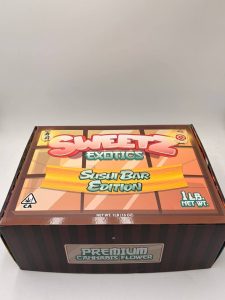
Final Thoughts
Sweetz Exotics Sushi Bar Edition represents a creative approach to themed cannabis branding. Its most recognizable feature is the combination of the Sweetz Exotics identity with a culinary-inspired concept.
The sushi theme creates a memorable product name and opens the door to distinctive packaging and visual storytelling. At the same time, accurate information about cannabinoids, ingredients, quantity, flavor, testing, and formulation should always come from the specific product documentation.
For product research, the strongest approach is therefore straightforward: identify the exact version, review its label, examine its batch information, and verify available testing details.
This provides a clearer understanding of the product while keeping creative branding separate from factual specifications.
In the broader landscape of themed cannabis products, the Sushi Bar Edition stands out because of its unusual concept and recognizable presentation. Its identity is built around creativity, while its actual characteristics are established by the product itself and the information supplied with it.
Reviews
There are no reviews yet.