Description
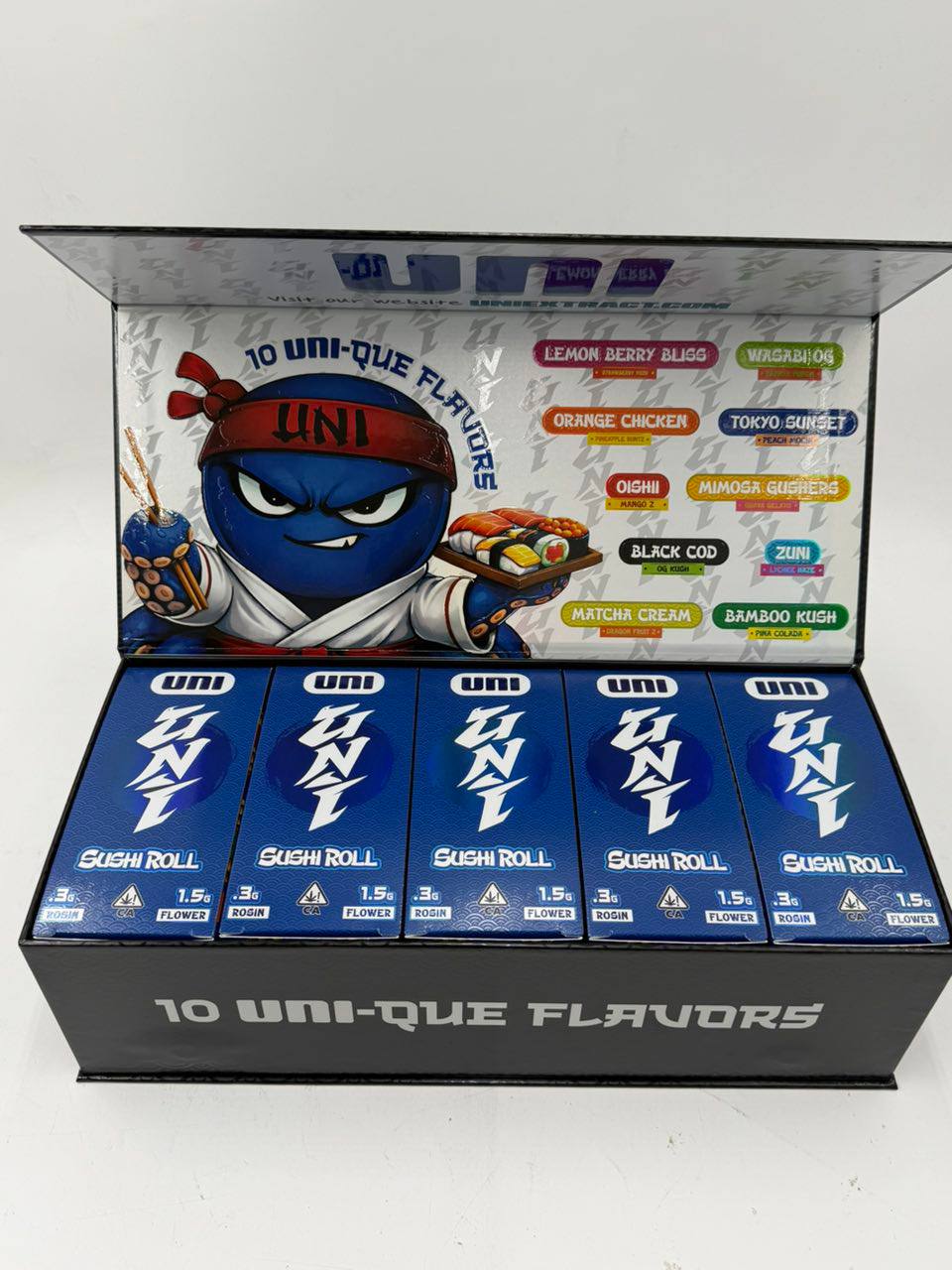
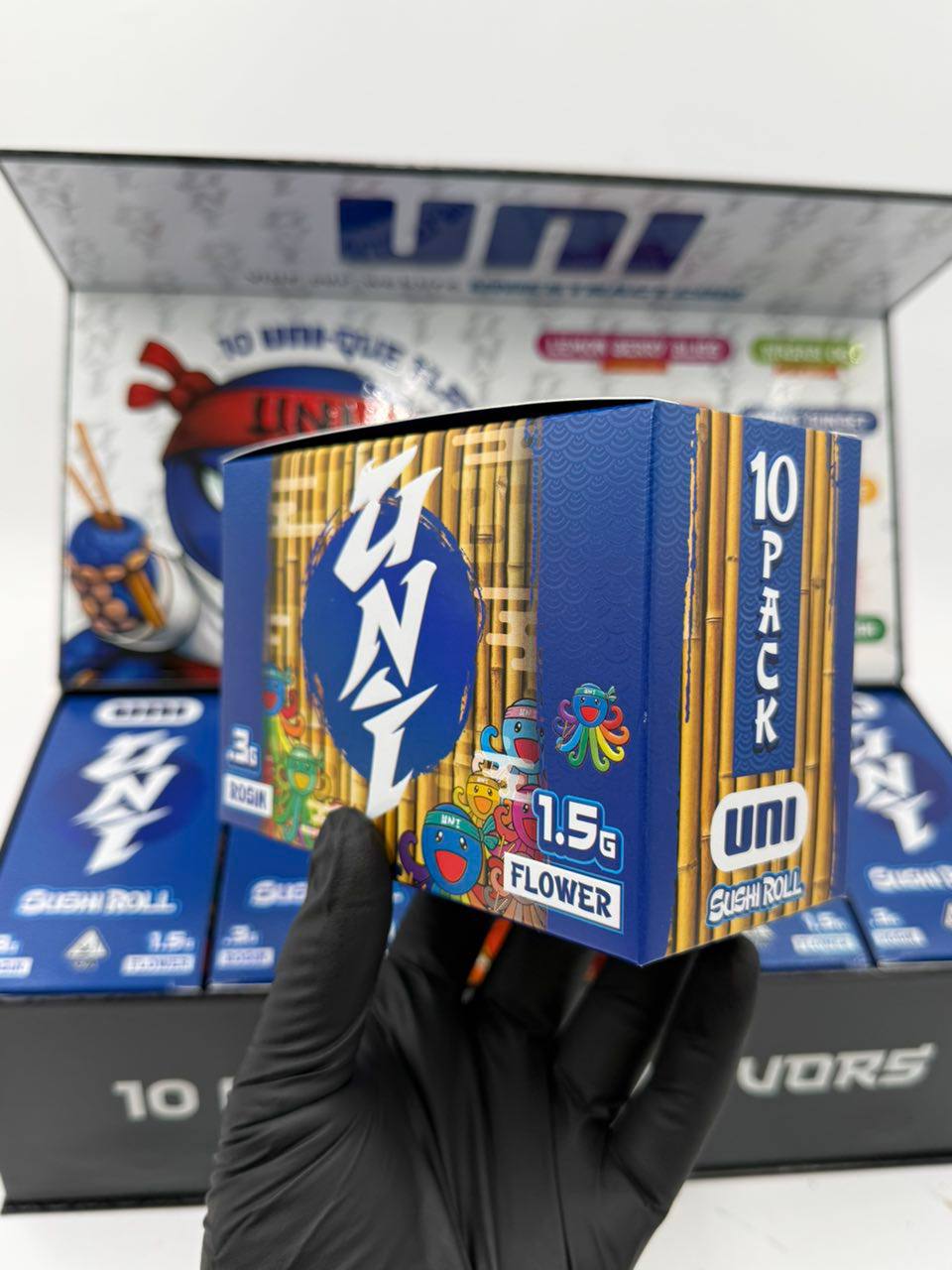
Uni Shushi Pre Rolls: Product Overview
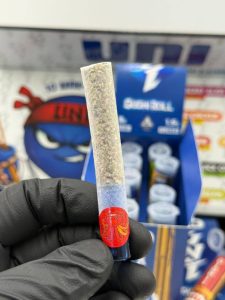
Uni Shushi Pre Rolls are presented as a convenient
, ready-to-use format for adults who are familiar with cannabis products and prefer the simplicity of a prepared roll. Instead of working with loose flower and rolling papers, this format brings the flower and rolling process together in one finished product. As a result, the overall experience is designed around convenience, consistency, and a straightforward presentation
.
The name gives the product a distinctive identity, while the pre-roll format keeps the presentation familiar. Pre-rolls have become a popular product category because they reduce the preparation associated with traditional flower. Furthermore, they can provide a simple way to explore different flower profiles without requiring additional rolling equipment
.
The experience associated with a pre-roll depends on several factors, including the flower used, cultivation methods, storage conditions, freshness, and individual preferences. Therefore, the product itself represents only one part of the overall experience. Proper storage and responsible use also contribute to maintaining product quality.
A Convenient Pre-Roll Format
One of the defining characteristics of Uni Shushi Pre Rolls is the ready-made format. Traditional flower often requires several steps before it is ready for use. The material may need to be prepared, ground, measured, and rolled. A finished pre-roll removes much of that preparation from the process.
Because of this, the format can appeal to adults who appreciate simplicity. The finished roll can also offer a more uniform presentation than a hand-rolled product. However, the actual consistency can vary depending on manufacturing practices, flower density, paper quality, and other production factors.
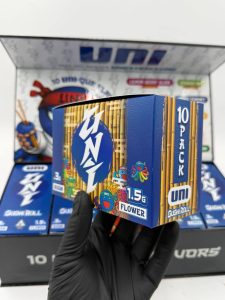
The compact format also makes pre-rolls easy to identify and organize among other cannabis products. Packaging generally provides important information about the product, including its variety, weight, batch information, cannabinoid content, and applicable compliance details. Those details are especially useful because cannabis products can differ significantly from one another.
Flower Quality and Overall Presentation
The quality of any pre-roll begins with the flower. Aroma, appearance, texture, and freshness can all influence how the finished product is perceived. Well-maintained flower generally retains its natural characteristics better than material that has been exposed to excessive heat, light, air, or moisture.
In a finished roll, the flower is enclosed within rolling paper, so the appearance of the individual flower pieces may not be as visible as it would be in a traditional flower package. Even so, the aroma and overall presentation can provide useful indicators of freshness when the packaging is opened.
Additionally, the structure of the roll matters. A properly prepared pre-roll typically has an even shape and consistent density. Uneven packing can affect airflow, while excessive compression can make the material difficult to use. On the other hand, a roll that is too loose may burn inconsistently.
For that reason, preparation quality is an important part of the finished product. The flower itself may be high quality, but the final experience can still be influenced by how the roll has been assembled.
Aroma and Flavor Characteristics
Cannabis flower contains naturally occurring aromatic compounds known as terpenes. These compounds contribute to the distinctive scents and flavor characteristics associated with different cannabis varieties.
Depending on the specific batch, a product in this category may display different aromatic characteristics. Some varieties are associated with sweet or fruity notes, while others can have earthy, herbal, citrus, floral, or spicy qualities. The precise profile depends on the flower used and the conditions under which it was grown and stored.
Terpene expression can also change over time. Exposure to oxygen, heat, and light may gradually affect aromatic compounds. Consequently, appropriate storage is important for maintaining the original characteristics of a pre-roll.
The flavor experience can also be affected by the rolling paper. Paper quality, thickness, and construction can influence the overall profile. Therefore, the finished product represents an interaction between the flower, the paper, preparation, and storage.
Cannabinoid Information
Cannabinoids are naturally occurring compounds found in cannabis. THC and CBD are among the most widely recognized cannabinoids, although cannabis contains many others.
Product packaging generally provides cannabinoid information for the specific batch. This information is more useful than relying on generalized descriptions because cannabinoid concentrations can vary between products and production runs.
The reported concentration does not necessarily predict how every individual will experience a product. Factors such as personal tolerance, previous exposure, metabolism, product composition, and individual sensitivity can contribute to differences in experience.
For that reason, product labeling should remain the primary source for batch-specific information. Laboratory testing, where applicable, can also provide additional information about cannabinoid concentrations and other measurable characteristics.
Terpenes and the Overall Profile
Terpenes are another important part of cannabis flower. Although they do not determine the entire character of a product, they contribute to its aroma and flavor.
A flower profile containing prominent citrus-oriented terpenes may smell noticeably different from one with stronger earthy or pine-like characteristics. Similarly, sweeter aromatic compounds can create a fruit-forward impression, while other combinations may produce more herbal or spicy notes.
However, terpene percentages should not be assumed without verified laboratory information. Different batches can show different compositions, even when they share the same product name. Growing conditions, genetics, harvesting practices, curing, and storage can all influence the final profile.
As a result, the most accurate description comes from the specific packaging and laboratory information associated with the batch.
Pre-Roll Construction
Construction plays a practical role in the quality of a finished pre-roll. The paper needs to hold the flower securely while still allowing reasonable airflow. The flower also needs to be distributed in a relatively consistent manner.
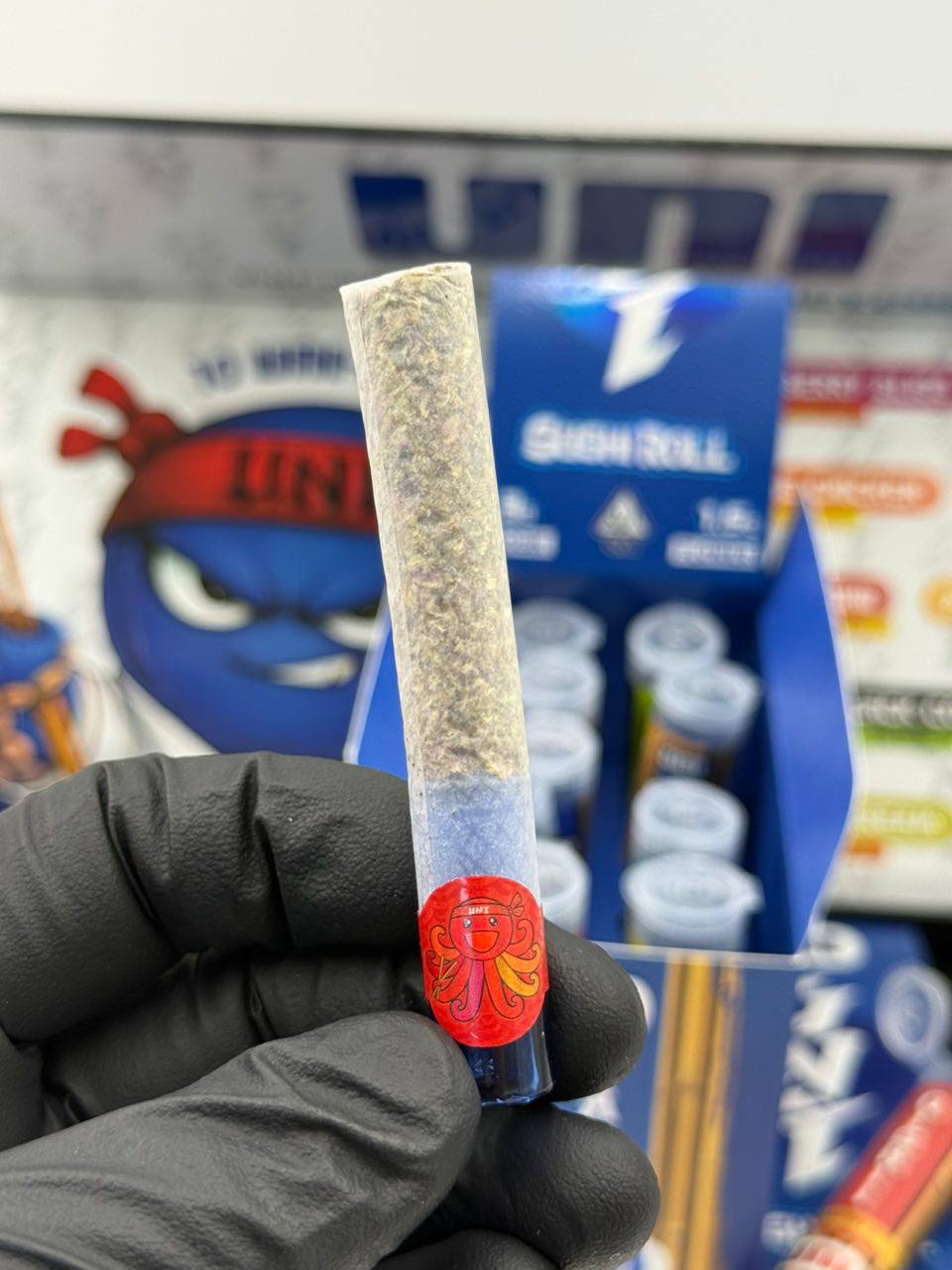
A well-constructed roll generally has a recognizable cylindrical shape and an even appearance. The mouthpiece or filter, where included, can provide additional structure and help maintain the shape during handling.
Furthermore, the end of the roll may be finished in different ways depending on the manufacturer. Some products use a twisted paper tip, while others use a more compact finish. These details contribute to the overall presentation but do not necessarily indicate the potency or quality of the flower.
Packaging can also influence preservation. A suitable container helps reduce exposure to environmental factors that may affect freshness. Light, heat, oxygen, and excessive humidity can all influence cannabis flower over time.
Freshness and Storage
Freshness is an important consideration for pre-rolls. Cannabis flower contains aromatic compounds and moisture that can change when the product is stored under unsuitable conditions.
Excessive heat may accelerate the loss of certain aromatic compounds. Too much moisture, meanwhile, can create undesirable storage conditions. Very dry environments can also affect texture and aroma.
A cool, dry, and appropriately controlled storage environment is generally preferable for cannabis products. Products should remain in their original packaging when possible, particularly when the packaging has been designed to provide protection from light and air.
Storage requirements can vary by product and jurisdiction, so the manufacturer's labeling should remain the main reference.
Packaging and Product Information
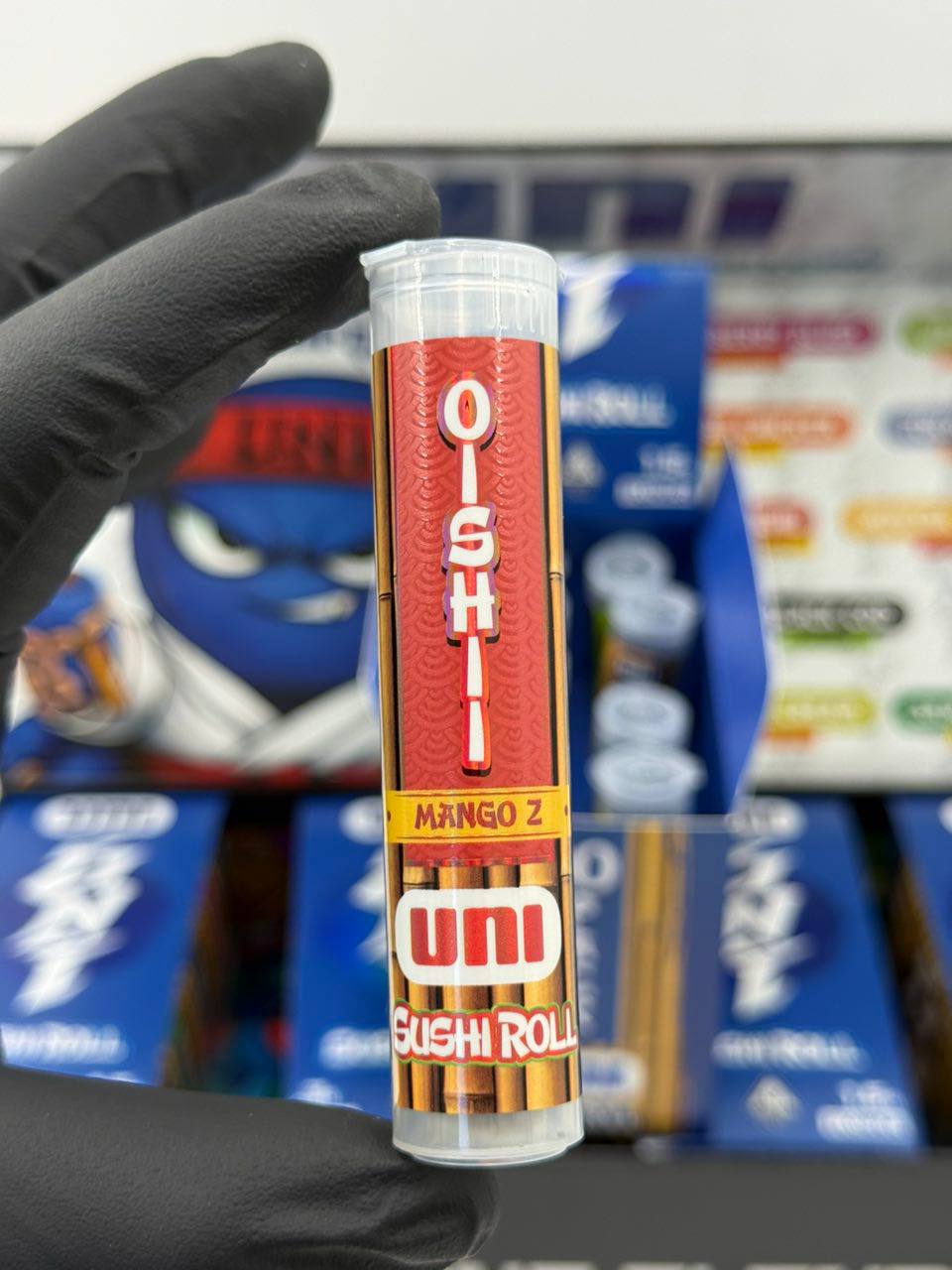
Packaging provides more than visual presentation. It can contain information that helps identify the specific product and its production details.
Depending on the market, packaging may include the product name, net weight, cannabinoid information, batch or lot number, production information, testing details, warnings, and regulatory symbols. These details can help distinguish one batch from another.
The packaging may also indicate whether the product has been tested according to applicable local requirements. Testing standards vary by jurisdiction, so the presence and format of information can differ between markets.
Clear labeling is particularly valuable for products containing cannabinoids because potency and composition can vary. Consumers can therefore use the package information to understand what is actually contained in the specific product rather than relying on generalized assumptions.
Consistency Between Batches
Cannabis is an agricultural product, which means natural variation can occur. Even when the same genetics and production methods are used, environmental factors may influence the final flower.
Temperature, humidity, soil or growing medium, lighting, harvesting time, curing, and storage can all affect characteristics such as aroma, texture, and cannabinoid concentration.
As a result, two packages carrying the same product name may not necessarily have identical characteristics. Laboratory results and batch information provide a more accurate picture of the individual package.
This distinction is important when evaluating any cannabis product. A product name can identify a particular line or variety, but the batch information provides the most specific details.
The Role of Curing
Curing is an important stage in cannabis flower production. After harvesting, flower is processed and stored under controlled conditions to help stabilize its moisture and develop its characteristics.
Proper curing can influence aroma, texture, and overall presentation. If flower is cured poorly, it may become excessively dry or retain undesirable characteristics. On the other hand, controlled curing can help preserve the qualities associated with the plant material.
The final pre-roll therefore reflects several stages of production rather than only the rolling process. Cultivation, harvesting, drying, curing, preparation, packaging, and storage can all contribute to the finished product.
A Simple Product Format
The appeal of a pre-roll largely comes from its straightforward format. There is no need for separate rolling papers or additional preparation. The finished product already has a defined shape and presentation.
This simplicity can make the category appealing to adults who prefer a compact cannabis format. It can also make pre-rolls easier to distinguish from loose flower, concentrates, tinctures, capsules, and edible products.
At the same time, convenience should not be confused with uniformity. Different pre-rolls can vary considerably in flower composition, size, potency, and manufacturing quality. Product-specific information therefore remains important.
Responsible Product Awareness
Cannabis products can affect individuals differently. Experience can depend on tolerance, cannabinoid concentration, personal sensitivity, and other factors.
For adults who choose to use cannabis where legally permitted, awareness of the product's labeled potency and composition is important. Local laws should also be considered because cannabis regulations differ significantly between jurisdictions.
Products containing THC may impair attention, coordination, judgment, and reaction time. Driving or operating machinery after cannabis use can create significant safety risks. Cannabis should also be kept away from children and pets.
These considerations are part of responsible product awareness and are particularly relevant when evaluating products with different cannabinoid concentrations.
What Makes the Format Distinct
Uni Shushi Pre Rolls stand out primarily through their combination of a recognizable product identity and a ready-made format. The presentation eliminates much of the preparation associated with loose cannabis flower while retaining the familiar characteristics of a flower-based product.
The finished format can also make product comparison easier. Packaging can provide information about weight, potency, batch identification, and other relevant characteristics. Therefore, the product can be evaluated based on both its physical presentation and its documented specifications.
A pre-roll also provides a different experience from concentrates or edibles. Unlike edible products, it is not processed through the digestive system. Likewise, it differs from cartridges and other vaporization products because it uses prepared flower rather than a formulated oil or extract.
Uni Shushi Pre Rolls represent a straightforward format within the broader cannabis flower category. Their main distinction comes from the combination of prepared flower, rolling paper, and a finished presentation.
The overall character of a product depends on the flower selected, its cannabinoid and terpene composition, manufacturing quality, and storage conditions. Consequently, product labeling remains important when determining the exact specifications of an individual package.
The pre-roll format also offers a familiar alternative to loose flower. Preparation is handled before the product reaches the consumer, while the compact design keeps the presentation simple.
Ultimately, the most meaningful evaluation comes from verified product information rather than assumptions based solely on the name. Batch details, laboratory information, packaging, freshness, and applicable regulations all contribute to a clearer understanding of the product.
For legally permitted adult consumers, those details provide a more balanced way to assess a pre-roll and understand how it differs from other cannabis formats.
Understanding the Product Experience
The character of a pre-roll is shaped by more than its appearance. Several elements come together to create the finished product, including the flower profile, preparation quality, aroma, texture, and packaging. Because each of these factors can vary, the experience associated with one batch may differ from another.
Flower that has been properly handled generally maintains a more recognizable aroma and texture. In contrast, flower that has been exposed to unsuitable conditions may lose some of its natural characteristics. This is why freshness remains an important consideration when evaluating a packaged cannabis product.
The preparation process also matters. An evenly filled roll can provide a more consistent physical structure, while uneven distribution may affect airflow. Similarly, the quality of the paper contributes to the overall construction and presentation.
Therefore, a finished pre-roll reflects a series of production decisions rather than a single characteristic.
Flower Appearance and Texture
Although the flower is enclosed inside the rolling paper, its physical condition can still influence the finished product. Cannabis flower generally has a combination of plant structure, trichomes, and natural coloration that can vary depending on genetics and cultivation methods.
Texture is another useful characteristic. Flower that is excessively dry may have a different feel and aroma from flower that retains an appropriate moisture balance. At the same time, excessive moisture can create storage concerns.
The ideal characteristics depend on the specific product and production process. For that reason, appearance should not be treated as the sole measure of quality.
Instead, several factors can be considered together. Packaging information, freshness, aroma, laboratory results, and manufacturing details can provide a more complete picture.
The Importance of Product Transparency
Transparent product information helps consumers understand what they are purchasing. Cannabis products can differ widely in cannabinoid concentrations, ingredients, weights, and production methods, so clear labeling provides useful context.
A properly labeled package may identify the total amount of flower, THC and CBD content, batch information, testing details, and applicable warnings. Depending on the jurisdiction, additional information may also be required.
This information becomes particularly useful when comparing different products. Rather than relying only on branding or visual presentation, buyers can examine measurable details associated with the individual package.
Transparency also supports better product awareness. Since cannabis can affect people differently, understanding the documented characteristics of a product is more useful than assuming that every product within a category will produce the same experience.
Aroma as a Product Characteristic
Aroma is one of the first noticeable characteristics associated with cannabis flower. The scent comes largely from naturally occurring aromatic compounds, including terpenes.
Different genetic profiles can produce different aromatic combinations. Some may lean toward sweet fruit, while others can have earthy, woody, citrus, floral, or herbal notes. Certain profiles may combine several of these characteristics.
Storage can influence aroma as well. Exposure to oxygen, heat, and light may gradually alter aromatic compounds. As a result, the scent of a freshly packaged product can differ from one that has been stored for an extended period under less suitable conditions.
Aroma should therefore be viewed as one part of the overall product profile rather than a definitive indicator of potency.
Cannabinoid Profiles and Variation
THC is commonly associated with the intoxicating effects of cannabis, while CBD is generally discussed for its non-intoxicating properties. However, cannabis contains numerous cannabinoids, and their proportions can vary between products.
The cannabinoid profile of a particular batch is influenced by genetics and cultivation conditions. Testing can provide more precise information about the concentrations present in that batch.
It is also important to recognize that cannabinoid percentages do not guarantee an identical experience for every individual. Personal tolerance and sensitivity can influence how cannabis is perceived.
Consequently, laboratory results and packaging information provide a better foundation for understanding the product than general descriptions alone.
Terpene Diversity
Terpenes contribute significantly to the sensory character of cannabis. Although they are not responsible for every aspect of the experience, they can influence aroma and flavor.
A product with a citrus-forward terpene profile may have a noticeably different scent from one with stronger earthy or pine-like characteristics. Likewise, floral or sweet aromatic notes can create another distinct profile.
The balance of terpenes can change depending on genetics, cultivation, harvesting, curing, and storage. Therefore, descriptions should remain consistent with verified product information.
Terpene profiles can also vary between batches. This natural variation is one reason why laboratory testing and batch-specific information are valuable.
Production From Flower to Finished Roll
The finished product represents several stages of production. Initially, cannabis plants are cultivated under controlled or naturally influenced conditions. Once mature, the flower is harvested and prepared for drying and curing.
After curing, suitable flower may be selected for pre-roll production. The material is prepared and distributed into rolling paper, creating the finished cylindrical form.
Packaging follows the preparation stage. The package helps protect the product while also displaying information required for identification and regulatory compliance.
Each stage can affect the final result. Cultivation influences the plant's natural characteristics, curing affects texture and aroma, preparation affects construction, and storage can influence freshness.
For that reason, quality is best viewed as the result of the complete production chain.
Convenience Without Extra Preparation
One of the most recognizable advantages of a pre-roll format is its simplicity. Loose flower typically requires additional preparation before it can be used in a traditional rolling setup. A pre-roll arrives already assembled.
This format can be particularly appealing to adults who prefer a compact product with minimal preparation. The finished roll also takes up relatively little space compared with some other cannabis formats.
However, convenience does not remove the importance of product information. Potency, weight, ingredients, and batch information can still vary considerably.
The balance between convenience and transparency is therefore important. A simple physical format works best when it is accompanied by clear product details.
Comparing Pre-Rolls With Loose Flower
Loose flower and pre-rolls share the same basic flower-based foundation, but their formats differ.
Loose flower provides greater flexibility because the material can be prepared according to individual preferences. Pre-rolls, by comparison, arrive in a finished form.
Pre-rolls can therefore be more convenient for people who prefer a ready-made product. Loose flower may appeal more to consumers who value control over preparation.
Neither format automatically represents higher quality. The quality depends on the underlying flower, processing methods, storage, and manufacturing standards.
The most meaningful distinction is therefore convenience and presentation rather than an assumption that one format is universally better.
Comparing Different Cannabis Formats
Cannabis products are available in several formats, including flower, pre-rolls, cartridges, concentrates, tinctures, capsules, and edible products.
Each category has different characteristics. Flower and pre-rolls contain plant material, while concentrates are produced through extraction or processing methods. Cartridges generally contain formulated oils or extracts, and edible products are designed for oral consumption.
These differences affect how the products are processed and experienced. Therefore, comparisons should focus on the specific characteristics of each format rather than treating all cannabis products as interchangeable.
Pre-rolls remain closely associated with traditional flower because the core material is cannabis flower enclosed in rolling paper.
Packaging Design and Protection
Packaging has both practical and informational purposes. It protects the contents while helping preserve freshness and provides a surface for product details.
A well-designed package can reduce exposure to environmental factors such as light and air. It may also include tamper-evident features or child-resistant components where required by local regulations.
The information printed on packaging can include product weight, cannabinoid content, batch identification, testing information, manufacturer details, and legal warnings.
These details can help distinguish legitimate product information from assumptions based on branding alone.
Batch Information
Batch numbers are particularly useful for cannabis products because agricultural characteristics can vary over time. A batch identifier connects a specific package with its production and testing records.
If laboratory results are available, the batch number may help connect the package with those results. This provides more precise information about cannabinoid concentrations and other tested characteristics.
Batch information also supports traceability within regulated markets. If a product issue occurs, manufacturers and regulators can use this information to identify affected production runs.
Therefore, a small detail printed on the package can provide significant information about the product's history.
Freshness Over Time
Freshness is not permanent. Cannabis flower gradually changes when exposed to environmental conditions.
Aromatic compounds can decline over time, while texture may change as moisture levels shift. Packaging helps slow these changes, but storage conditions remain important.
A cool and controlled environment generally offers better conditions than areas exposed to excessive heat or direct sunlight. Extreme environmental conditions can accelerate changes in the flower.
Because different products use different packaging systems, the manufacturer's storage guidance should be followed when available.
Quality Beyond Branding
Branding can create a strong first impression, but it does not tell the complete story of a cannabis product. Quality involves cultivation, processing, testing, packaging, and storage.
A recognizable product name may attract attention, yet batch-specific information provides greater insight into what is actually inside the package.
This is especially relevant for cannabis because potency and composition can vary. A name or strain label should not be treated as a substitute for laboratory information.
Instead, product quality is better understood through a combination of measurable specifications and physical characteristics.
Legal and Regulatory Considerations
Cannabis laws differ considerably between countries, states, provinces, and municipalities. Some areas permit adult recreational use, while others restrict cannabis to medical programs or prohibit it entirely.
Packaging and labeling requirements can also vary. A product that is compliant in one jurisdiction may not meet the requirements of another.
For that reason, legal status should always be considered separately from product description. Availability, possession limits, purchasing requirements, and age restrictions depend on the applicable local regulations.
Consumers should rely on current official regulations when determining whether cannabis products are legal in their location.
Responsible Handling
Cannabis products should be stored securely and kept away from children and animals. Proper storage also helps protect the product from environmental factors that can reduce quality.
THC-containing cannabis can affect coordination, attention, reaction time, and judgment. Consequently, driving or operating machinery after use can create safety concerns.
Cannabis should also not be treated as a substitute for professional medical advice. Individuals with questions about cannabis and their personal circumstances should consult an appropriate healthcare professional.
Responsible handling includes both product preservation and awareness of potential effects.
Why Product Details Matter
A product description can explain the format, but the package provides the most specific information about the individual product.
Weight, cannabinoid content, batch number, testing information, ingredients, and regulatory details all contribute to a clearer understanding of what is being offered.
This approach also avoids making unsupported claims. Since cannabis products can vary naturally, descriptions should focus on verifiable characteristics rather than promising identical outcomes.
As a result, the most useful product information combines clear language with realistic expectations.

Final Product Perspective
Uni Shushi Pre Rolls offer a prepared flower format built around convenience and recognizable presentation. The finished roll removes much of the preparation associated with loose flower while maintaining the traditional characteristics of a flower-based cannabis product.
The overall profile depends on the specific flower, cannabinoid composition, terpene content, preparation quality, packaging, and storage conditions. Furthermore, natural variation between batches means that product information should always be checked at the package level.
A balanced evaluation considers more than branding. Freshness, laboratory information, construction, packaging, and legal compliance all contribute to a complete understanding of the product.
For adults in jurisdictions where cannabis products are legally available, these factors provide a practical framework for evaluating a pre-roll. The format remains simple, compact, and familiar, while the underlying flower characteristics provide the product with its distinctive identity.

Reviews
There are no reviews yet.