Description
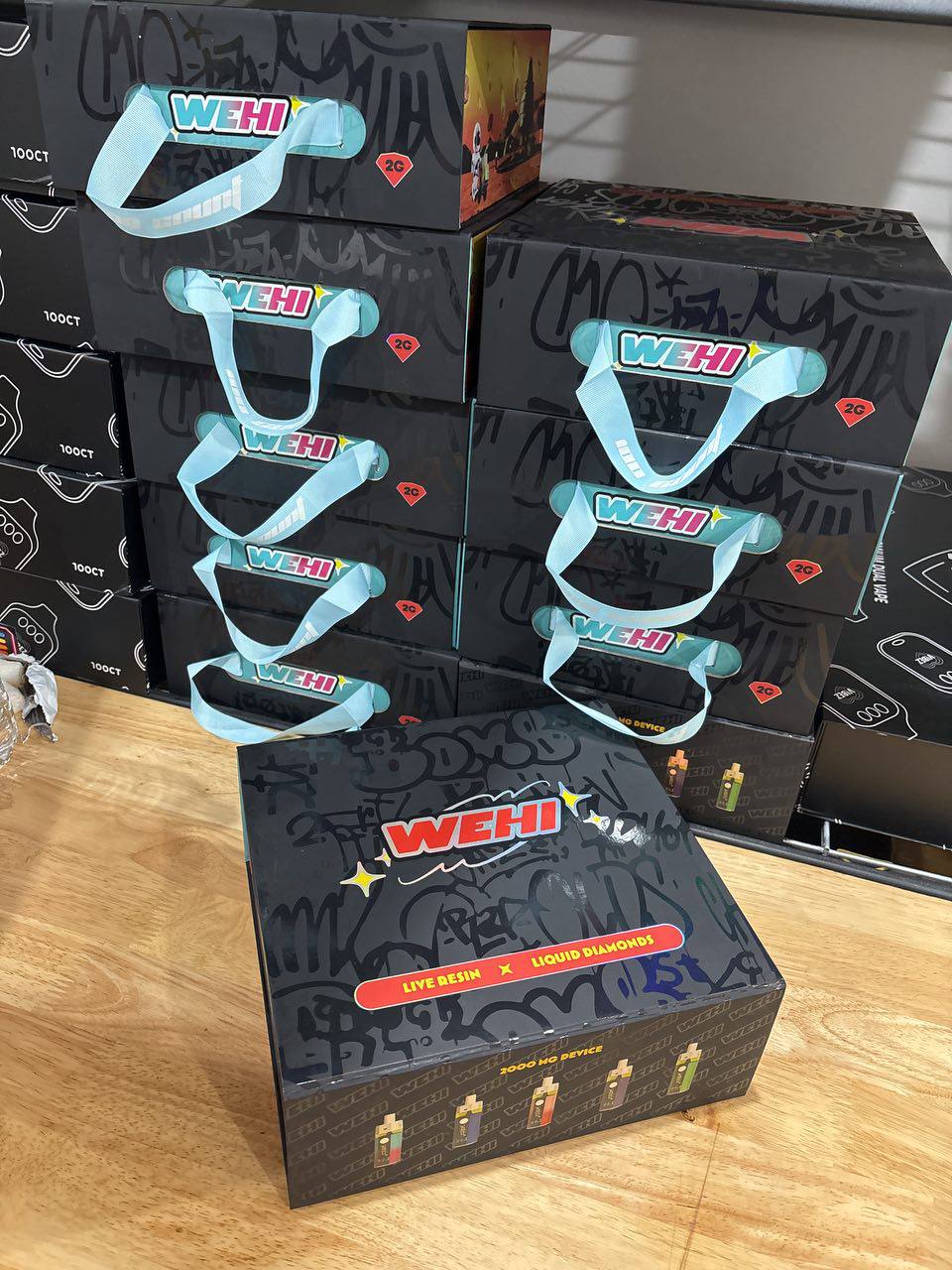
WeHi 2G Disposable: Product Overview
Introduction
The
WeHi 2G Disposable is a compact
, pre-filled disposable vaping device designed around a 2-gram oil capacity
. Its disposable format combines the cartridge and battery into a single unit, so there is no separate battery or refillable tank involved.
The device is presented as a convenient format for adult consumers who are familiar with disposable vaping products. Because product specifications can vary by batch, market, and seller, details such as oil formulation, cannabinoid concentration, available flavors, and hardware features should be confirmed from the packaging or the manufacturer's current information.
2-Gram Capacity
One of the defining specifications is the 2-gram capacity. This provides more oil than many smaller disposable formats, while the integrated design keeps the overall product relatively straightforward.
Capacity alone does not determine how long a device will last. Usage frequency, puff duration, airflow, oil viscosity, and hardware performance can all affect the number of draws obtained from a device. Therefore, the stated 2-gram capacity should be viewed as a product specification rather than a guaranteed usage period.
Disposable Design
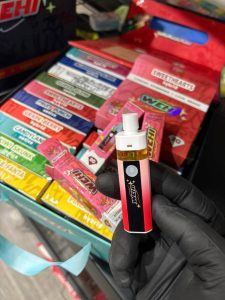
The disposable construction places the primary components inside one self-contained device. The oil chamber, heating element, mouthpiece, and battery are generally incorporated into the same overall unit.
This design differs from refillable vape systems because the device is not intended to function as a reusable tank-and-battery setup. Once the available oil or battery reaches the end of its usable life, the complete disposable unit is normally replaced according to the manufacturer's instructions and applicable local disposal requirements.
Hardware and Construction
A disposable device depends on several internal components working together. The battery supplies power to the heating element, while the heating element converts the oil into an inhalable aerosol.
Airflow is another important part of the overall design. Depending on the particular version, airflow characteristics can influence draw resistance and vapor production. However, exact hardware specifications should not be assumed unless they are stated on the product packaging or verified through an official product source.
The exterior construction also contributes to portability. Its compact form allows the device to be carried more easily than larger refillable vaping systems.
Oil and Formulation
The contents of a 2-gram disposable can vary considerably depending on the specific product version. Cannabinoid concentration, terpene content, extraction method, and other formulation details may differ between products carrying similar names.
For that reason, the label should be treated as the primary source for information about the specific unit. The packaging may provide information about ingredients, cannabinoid concentrations, batch identification, manufacturing details, and other relevant specifications.
Third-party laboratory information, where available and applicable, can provide additional information about the contents of a particular batch.
Flavor and Aroma Characteristics
Flavor and aroma are influenced by the oil formulation rather than by the device capacity alone. Terpenes and other aromatic compounds can contribute to the sensory characteristics associated with a particular formulation.
Different versions may therefore have different flavor profiles. A description of one flavor should not automatically be applied to every WeHi disposable, particularly when multiple versions or batches are available.
The exact flavor name, ingredients, and formulation should be checked against the packaging for the specific product.
Portability
The compact disposable format is one of its most noticeable physical characteristics. Unlike larger vaping systems, it does not require a separate battery, charger, or refill bottle for its basic operation.
Its smaller form can make storage and transportation relatively simple. Nevertheless, storage conditions can affect the condition of vaping products. Excessive heat, direct sunlight, moisture, and other unsuitable environments may affect hardware or oil quality.
Battery System
The integrated battery supplies the energy required by the heating element. Battery performance can vary depending on the device design and usage conditions.
Some disposable products include rechargeable functionality, while others are designed as single-use battery systems. The exact charging capability of a particular WeHi 2G Disposable should therefore be verified from its packaging or manufacturer documentation rather than assumed from the product name alone.
If a device includes charging hardware, the manufacturer's instructions and safety information should be followed.
Vapor Production
Vapor production is affected by several factors, including the heating element, airflow, oil viscosity, battery output, and draw characteristics.
A larger oil capacity does not necessarily mean that every device will produce the same amount of vapor. Similarly, vapor volume does not by itself indicate cannabinoid concentration or product quality.
For an accurate understanding of a specific unit, the listed formulation and laboratory information are more useful than visual vapor production alone.
Product Identification
Authentic product identification is particularly important with branded disposable devices. Packaging details, batch information, labeling, and manufacturer information can help distinguish an individual product from unrelated or incorrectly labeled items.
The exact packaging may also change over time. Therefore, product photos found online should not be treated as definitive proof of authenticity or current specifications.
When available, official verification information provides a stronger reference for identifying a particular unit.
Packaging Information
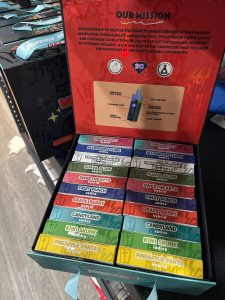
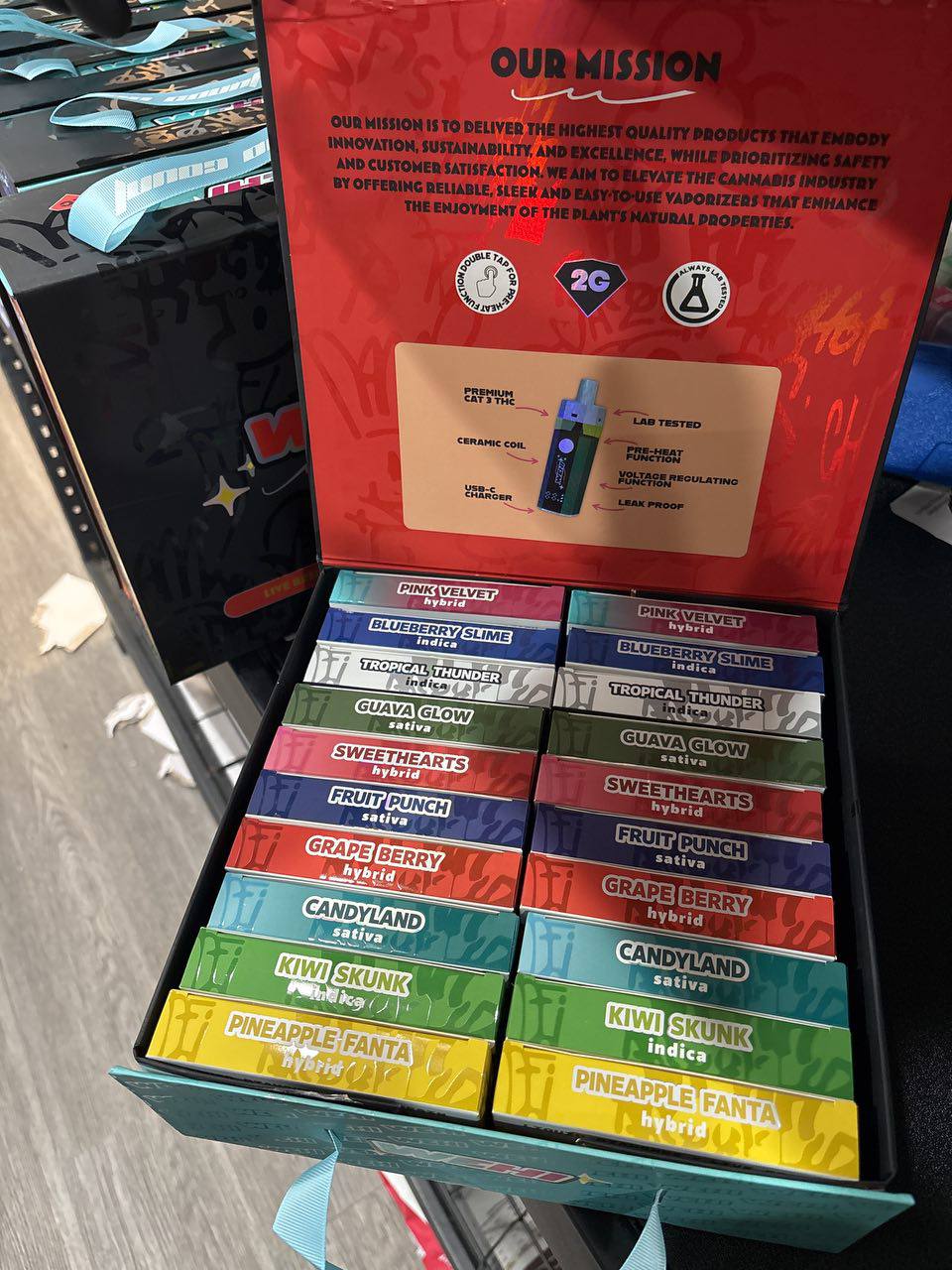
Product packaging can contain several useful details. Depending on the market and applicable regulations, the label may identify the product name, net contents, cannabinoid information, ingredients, batch number, manufacturing information, warnings, and other required disclosures.
Reading the label is particularly important when comparing different versions. Two products with similar names may contain different formulations or have different specifications.
Storage Considerations
Appropriate storage can help preserve the condition of a disposable device. A stable environment away from excessive heat, direct sunlight, and moisture is generally preferable for vaping products.
Extreme temperatures may affect the viscosity of oil and the performance of internal components. In addition, physical damage to the device can create problems that are unrelated to the original formulation.
The manufacturer's storage recommendations should take priority whenever they are available.
Responsible Product Information
Cannabinoid-containing vaping products can have psychoactive effects, and their legal status varies considerably by location. Age restrictions and other regulations may also apply.
Consumers should check the laws applicable to their location before purchasing or possessing such products. Product labels should also be reviewed carefully because cannabinoid concentrations and ingredients can differ between formulations.
People who are unfamiliar with cannabinoid products should obtain appropriate professional or local regulatory information before making decisions about use.
Product Specifications at a Glance
| Feature |
Details |
| Product type |
Disposable vaping device |
| Stated capacity |
2 grams |
| Format |
Pre-filled, integrated device |
| Battery |
Integrated; exact specification varies by version |
| Oil formulation |
Depends on the specific product |
| Flavor |
Depends on the specific version |
| Packaging |
Product and batch information may be provided |
| Intended format |
Disposable rather than refillable |
| Verification |
Packaging and manufacturer information should be checked |
Why Specifications Can Vary
Online listings do not always contain complete or current information. Product names can also be used across different versions, markets, or production batches.
As a result, specifications such as battery capacity, charging capability, cannabinoid concentration, flavor selection, and hardware configuration should not be presented as universal unless they have been verified for the exact product.
This distinction is especially important when writing an accurate product page. Clear wording helps prevent assumptions from being mistaken for confirmed specifications.
Overall Product Profile
The WeHi 2G Disposable can be described primarily by its 2-gram capacity and integrated disposable format. Its design combines the main vaping components into a single portable unit, while the exact oil formulation and hardware characteristics depend on the particular version.
For accurate product information, the packaging remains an important reference. Batch details, formulation information, laboratory documentation, and manufacturer specifications can provide a more reliable picture than generalized descriptions.
The product's compact format also separates it from larger refillable systems. At the same time, its performance and characteristics should be evaluated according to verified specifications rather than assumptions based solely on the 2-gram capacity.
The WeHi 2G Disposable represents a pre-filled, integrated vaping format with a stated 2-gram oil capacity. Its primary characteristics include a compact disposable construction, an integrated battery system, and an oil formulation that may vary according to the specific version.
Because formulations and hardware can change, the most accurate product description should rely on information supplied with the individual unit. Packaging, batch identification, ingredient information, cannabinoid details, and applicable laboratory documentation can all contribute to a clearer understanding of the product.
For online product information, straightforward descriptions are preferable to unsupported claims. Keeping confirmed specifications separate from assumptions also makes the listing more useful to readers who want clear information about the particular product they are considering.
Additional Product Information
Design and Everyday Convenience
The overall design of a disposable vaping device is centered on simplicity. Unlike a traditional setup that may involve a separate battery, cartridge, and charging accessories, the components are contained within one unit.
This integrated structure can make the physical design easier to understand. The device generally consists of an outer shell, mouthpiece, internal reservoir, heating element, battery, and airflow pathway. Each component has a specific role in the operation of the product.
At the same time, the compact construction means that the internal components are not normally intended to be serviced individually. Once the device reaches the end of its usable life, the complete unit is generally treated as a disposable electronic product.
Oil Capacity and Actual Usage
The listed 2-gram capacity refers to the amount of oil contained within the device. It does not provide a fixed measurement for the number of draws that a consumer will receive.
Several variables can affect consumption. Draw length, frequency, airflow, heating temperature, oil viscosity, and hardware efficiency can all contribute to differences between individual devices.
For example, a person taking longer draws may use more oil per session than someone taking shorter draws. Similarly, frequent use can reduce the available oil more quickly than occasional use.
Therefore, capacity should be considered a technical specification rather than a promise of a particular duration.
Heating Technology
The heating element is responsible for converting the oil into an aerosol. When the device is activated, electrical energy from the battery reaches the heating component.
The heating process can be influenced by the resistance of the coil, battery output, airflow design, and formulation of the oil. Because these factors differ among devices, performance should not be assumed to be identical across every production version.
A consistent heating system can contribute to a more predictable experience, although individual results may still differ.
Airflow Characteristics
Airflow plays an important role in the way a disposable device feels during operation. The amount of air entering through the device can influence draw resistance, aerosol volume, and overall mouthpiece sensation.
A tighter airflow may create more resistance, whereas a more open pathway can allow air to move through the device more freely.
Exact airflow specifications are not always published. Consequently, descriptions should avoid presenting a particular airflow configuration as confirmed unless it has been verified for the relevant version.
Mouthpiece Design
The mouthpiece provides the connection between the internal airflow pathway and the user. Its shape and opening can affect the physical sensation of the draw.
Because the mouthpiece is part of the integrated construction, it is normally designed to remain attached to the device rather than being exchanged for another component.
Clean handling and appropriate storage can help maintain the physical condition of the mouthpiece and exterior housing.
Exterior Construction
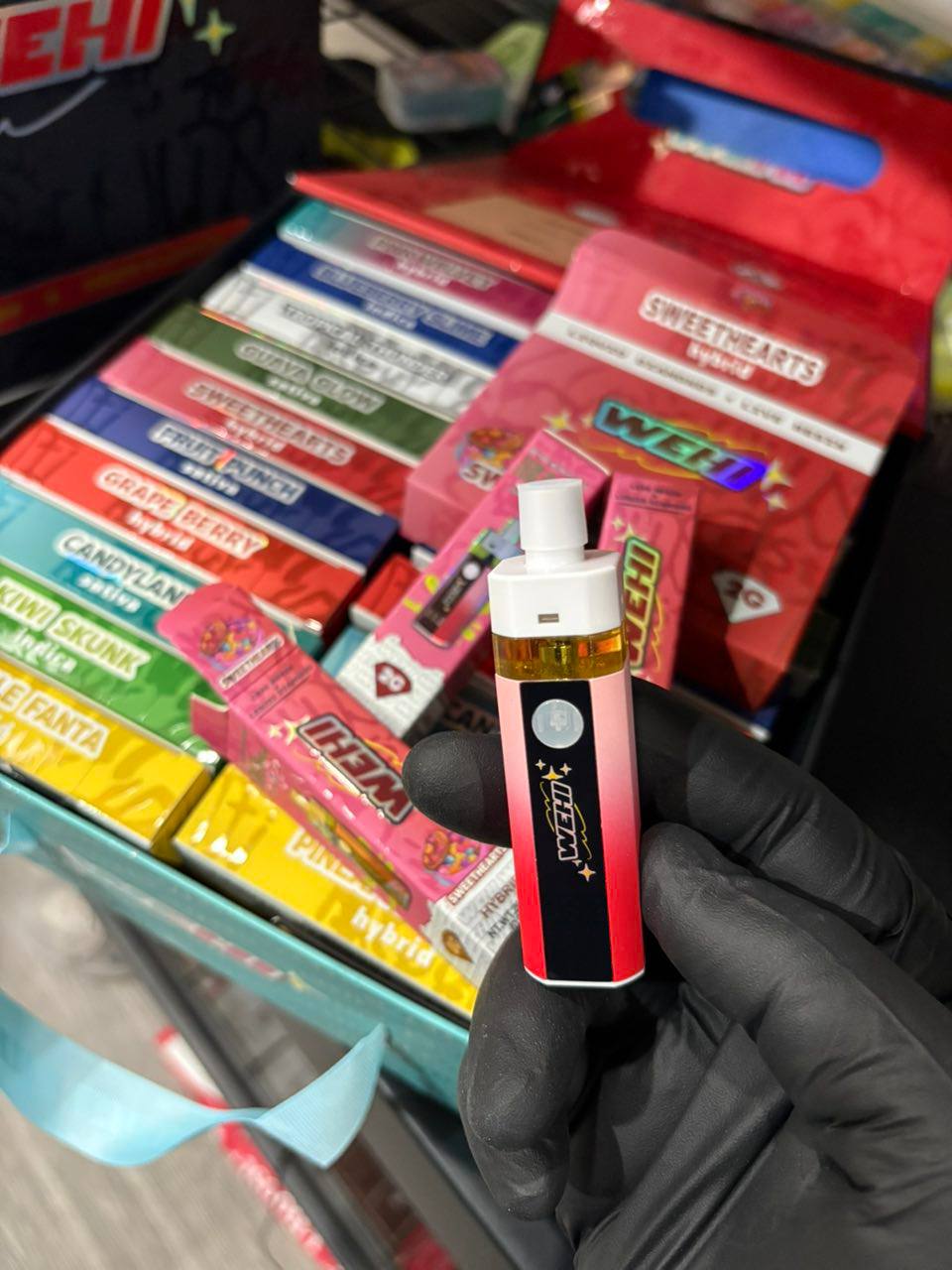
The outer shell protects the internal components while also giving the product its recognizable appearance. Depending on the production version, the exterior may feature printed branding, color combinations, labeling, or other visual details.
Packaging and exterior designs can change over time. Older product images may therefore differ from current packaging even when the underlying product name remains similar.
For product listings, current manufacturer or package information should take precedence over outdated photographs.
Product Labeling
Clear labeling provides important information about the contents and identity of a vaping product. Depending on the jurisdiction, labels may contain information concerning net contents, cannabinoid concentrations, ingredients, warnings, batch numbers, manufacturing information, and other regulatory details.
Consumers can use these details when comparing products or verifying that the information on an online listing corresponds with the physical package.
In addition, batch information can be useful when laboratory documentation is provided for a particular production run.
Batch-to-Batch Differences
Manufacturing processes can sometimes result in minor differences between batches. Flavor characteristics, oil appearance, packaging, and hardware details may not always remain identical across every production period.
These differences do not necessarily indicate that two products are unrelated. However, they demonstrate why exact product information should be connected to the relevant batch whenever possible.
For this reason, a product description should avoid making broad claims about specifications that have not been independently verified.
Oil Appearance
The visual appearance of oil can vary according to formulation, extraction method, ingredients, storage conditions, and production processes.
Color by itself is not a reliable method for determining potency, purity, freshness, or authenticity. Two formulations can have different appearances while containing different combinations of compounds.
Likewise, appearance alone cannot confirm whether a product meets a particular quality standard. Laboratory testing and verified product information provide more useful evidence.
Aroma and Terpene Information
Aroma can be influenced by naturally occurring and added aromatic compounds. Terpenes are among the compounds that may contribute to the recognizable scent and flavor characteristics associated with certain formulations.
However, the presence and concentration of specific terpenes should not be assumed without supporting product information.
If a particular flavor or terpene profile is listed on the packaging, that information provides a better reference than generalized descriptions found elsewhere online.
Cannabinoid Information
Cannabinoid content can differ between individual formulations. The label may identify the concentration or quantity of specific cannabinoids, depending on the product and applicable regulations.
These figures are more useful than relying on a product name or general category. Consumers should review the complete label to understand what is actually contained in the individual unit.
Cannabinoid products can also produce psychoactive effects. Their effects may differ from person to person, and local laws can impose restrictions concerning possession, sale, and use.
Authenticity Considerations
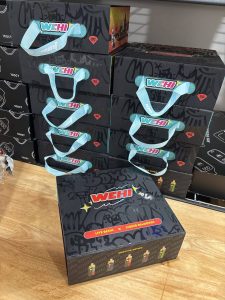
Authenticity is an important consideration for branded vaping products. Product names and packaging can sometimes be copied or inaccurately represented in online listings.
Useful identifying information may include:
- Manufacturer details
- Batch or lot information
- Product labeling
- Packaging quality
- Regulatory information
- Verification features
- Laboratory documentation, where applicable
No single visual characteristic should automatically be treated as definitive proof of authenticity.
Official verification systems, when provided by the manufacturer, offer a stronger reference than comparisons based solely on photographs.
Online Product Listings
An accurate online listing should distinguish confirmed information from general descriptions. Product capacity, formulation, hardware specifications, and available variants should be presented only when they have been verified.
This approach also improves readability because readers can quickly identify the information that applies to the specific product.
Furthermore, transparent descriptions reduce confusion when different versions of a product are available.
Product Variations
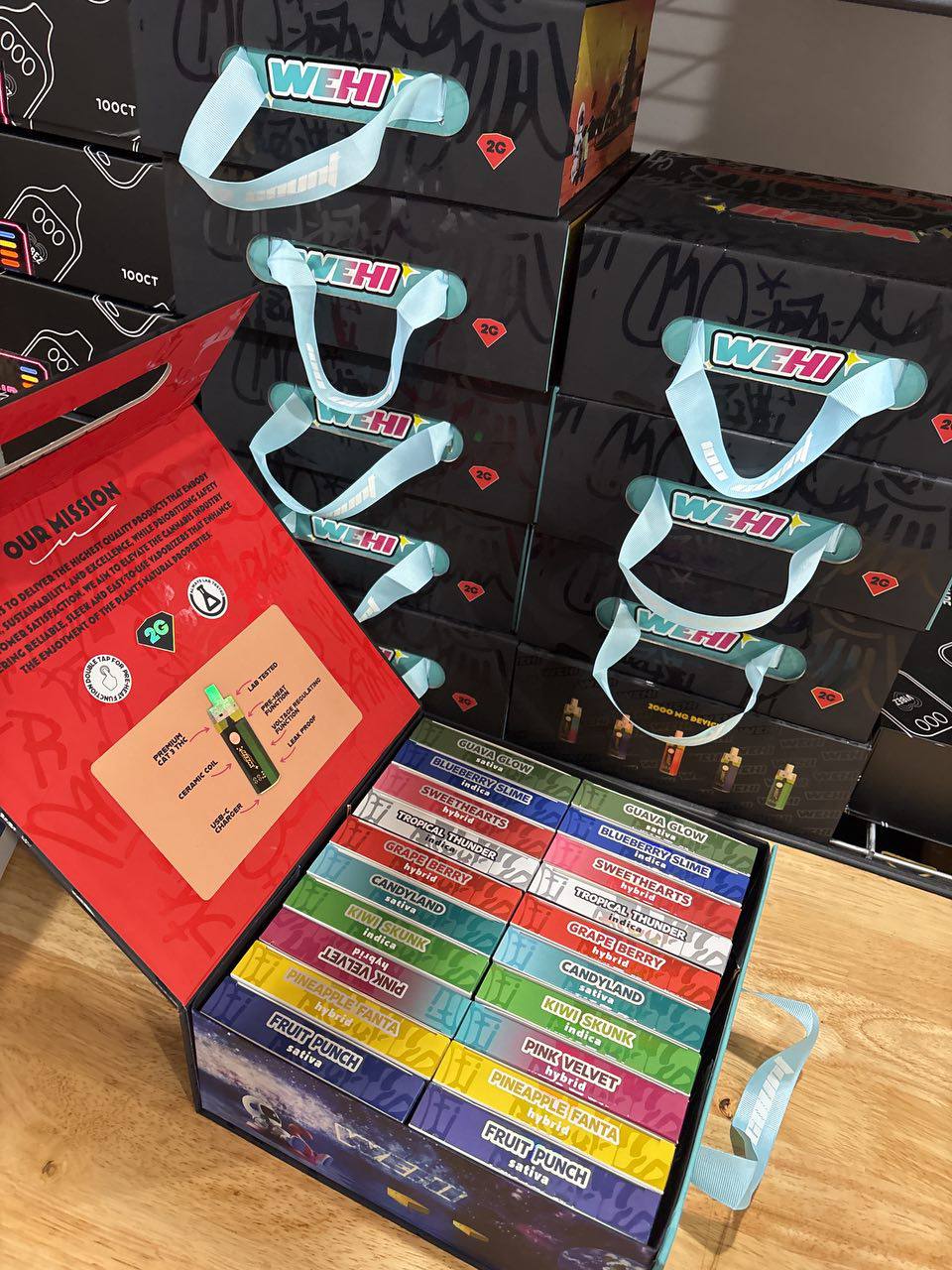
A product may be released in multiple flavors, formulations, packaging styles, or hardware versions. Consequently, a single description may not accurately represent every variation.
Where multiple versions exist, each should ideally have its own verified specifications. This can include differences in:
- Flavor
- Cannabinoid profile
- Oil formulation
- Packaging
- Battery configuration
- Charging capability
- Available laboratory information
Keeping these distinctions clear helps prevent one version's characteristics from being incorrectly attributed to another.
Storage and Physical Condition
Storage conditions can affect electronic devices and their contents. High temperatures, direct sunlight, moisture, and physical pressure may affect the condition of the device.
A stable environment is generally more appropriate for preserving the packaging and physical components.
The device should also be kept away from conditions that could damage its battery or exterior housing. Manufacturer-specific storage information should always take priority where it is available.
Battery Safety
Because the device contains a battery, basic electronic-product safety remains relevant. Physical damage, excessive heat, moisture, or inappropriate charging equipment can create safety concerns.
If the particular model is rechargeable, only the charging method specified by the manufacturer should be used.
A damaged device should not be treated as though it were functioning normally. Manufacturer guidance and applicable disposal procedures should be consulted when the battery or housing shows signs of damage.
Disposal
Disposable vaping devices contain electronic components and batteries. They should therefore be handled differently from ordinary household waste where local regulations require specialized disposal.
Electronic-waste or battery-recycling programs may be available depending on the location.
Local waste-management guidance provides the most accurate information about acceptable disposal methods.
Responsible Product Information
A well-written product page should focus on verifiable characteristics rather than exaggerated performance claims. Capacity, formulation, design, packaging, and verified laboratory information can all be presented clearly without suggesting guaranteed results.
This approach is particularly useful for products whose specifications may change between versions.
Clear information also allows readers to compare products based on factual characteristics rather than unsupported statements.
Important Considerations Before Purchase
Before purchasing a cannabinoid-containing disposable product, several details can be checked. These include the listed cannabinoid content, ingredients, batch information, manufacturer details, applicable age requirements, and local legal status.
Product packaging can also be compared with information provided by the manufacturer.
Where laboratory testing is available, the relevant report should correspond with the product or batch being evaluated. A generic laboratory report should not automatically be assumed to represent every production batch.
Final Product Perspective
The 2-gram disposable format combines a pre-filled oil reservoir with an integrated battery and heating system. Its main distinguishing feature is the stated oil capacity, while the exact formulation and hardware characteristics depend on the specific version.
Because products can change across batches and markets, accurate descriptions should remain closely tied to verified specifications.
Overall, the most useful product information covers capacity, construction, formulation, labeling, packaging, storage, battery characteristics, and applicable regulatory considerations. These details provide a clearer understanding of the product without relying on unsupported performance promises.
Frequently Asked Questions
What does 2G mean?
The term 2G generally refers to approximately two grams of oil or extract contained within the device. It describes capacity rather than potency or guaranteed usage time.
Is the device refillable?
The disposable format is generally designed as a pre-filled unit rather than a conventional refillable cartridge system. The exact construction should be confirmed for the specific version.
Does every version have the same formulation?
Not necessarily. Different versions may contain different formulations, flavors, cannabinoid profiles, or production specifications.
How long can the device last?
There is no universal usage period. Individual consumption patterns, draw length, airflow, oil viscosity, and hardware performance can all affect how quickly the available oil is consumed.
Can the packaging change?
Yes. Packaging and labeling can be updated over time. Current packaging should therefore be compared with the information supplied by the manufacturer.
Does color confirm product quality?
No. Oil color alone cannot reliably establish potency, purity, freshness, or authenticity. Verified testing and product documentation provide more meaningful information.
Where can product specifications be verified?
The product packaging and manufacturer information are the most appropriate starting points. Where available, batch-specific laboratory documentation can provide additional details.
Are cannabinoid disposables legal everywhere?
No. Laws differ between countries, states, provinces, and municipalities. Local regulations should be checked before purchasing, possessing, or using cannabinoid-containing products.
Reviews
There are no reviews yet.