Description
Whole Melt Phase Six V1 2G Disposable
An Overview of the Phase Six V1
The
Whole Melt Phase Six V1 2G Disposable is a compact disposable vape product presented under the Whole Melt name. Its 2-gram designation refers to the stated oil capacity of the device, while the Phase Six V1 name identifies a particular product version within the brand’s lineup
.
Disposable vape products are designed around a self-contained format. The battery, heating system, reservoir, and mouthpiece are incorporated into one device rather than being supplied as separate components. As a result, the overall design is relatively simple compared with reusable vape hardware.
The Phase Six V1 name also suggests a specific edition or generation. Product versions can differ in hardware construction, exterior design, oil formulation, available flavors, and packaging. Therefore, details printed on the individual package remain important when identifying the exact version.
Because formulations and hardware specifications can vary by market and production batch, the packaging should be regarded as the primary source for information about a particular unit. Ingredient information, cannabinoid content, laboratory documentation, manufacturer details, and applicable warnings can differ between products carrying similar names.
Understanding the 2G Format
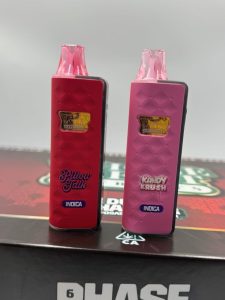
The 2G designation is one of the most noticeable characteristics of this product. In disposable vape terminology, “2G” generally refers to approximately two grams of oil contained within the reservoir. It describes quantity rather than automatically describing potency, flavor intensity, or expected effects.
A larger oil capacity does not necessarily mean that two devices will perform identically. Hardware efficiency, oil viscosity, heating temperature, battery output, and formulation can all influence how a device behaves.
Additionally, the amount stated on a package should not be confused with the amount of a particular active compound. A two-gram product may contain a mixture of cannabinoids and other ingredients, depending on its formulation.
For that reason, a complete product description should separate the physical quantity of the oil from its chemical composition. The package label and applicable laboratory documentation provide more meaningful information about those characteristics.
Phase Six V1 Design
The Phase Six V1 uses a disposable configuration in which the major components are contained inside a single unit. This format gives the product a straightforward physical profile and eliminates the separate tank, cartridge, and rechargeable battery arrangement associated with many reusable systems.
The exterior design may feature Whole Melt branding, edition-specific graphics, flavor identification, and other printed information. However, packaging designs can change over time, so visual differences do not necessarily indicate a different formulation.
The mouthpiece forms the upper portion of the device and provides the connection between the internal vapor pathway and the user. Beneath the exterior shell, the reservoir holds the oil while the heating assembly is responsible for producing vapor.
A disposable construction also means that the device is generally treated as a single integrated product rather than as a collection of interchangeable components.
Oil Capacity and Product Construction
The stated two-gram capacity gives the Phase Six V1 a relatively substantial reservoir compared with smaller disposable formats. Capacity is particularly relevant when comparing devices because it describes the approximate amount of material contained inside the unit.
However, capacity alone does not establish quality. Two products with identical capacities can have substantially different formulations, hardware, labeling, and manufacturing standards.
The reservoir and heating components must also work together properly. Oil characteristics can influence how consistently a heating element operates, while hardware design can influence vapor production and battery performance.
Consequently, the 2G specification is best understood as one product characteristic rather than a complete description of the device.
Formulation Information
The exact formulation of a Whole Melt Phase Six V1 unit should be determined from its packaging and verified documentation. Product names alone are not sufficient to establish cannabinoid percentages, terpene content, additives, or laboratory results.
This distinction is important because similarly named products can appear in different markets with different labeling requirements. In addition, counterfeit or improperly labeled products can resemble legitimate merchandise.
A complete package may identify the cannabinoid profile, total contents, batch information, manufacturing information, testing information, and warnings. Where laboratory testing is available, the corresponding certificate can provide additional details about the tested sample.
The formulation can also influence characteristics such as color, viscosity, aroma, and overall vapor profile. These characteristics should not be treated as reliable proof of chemical composition without appropriate testing.
Flavor and Aroma Characteristics
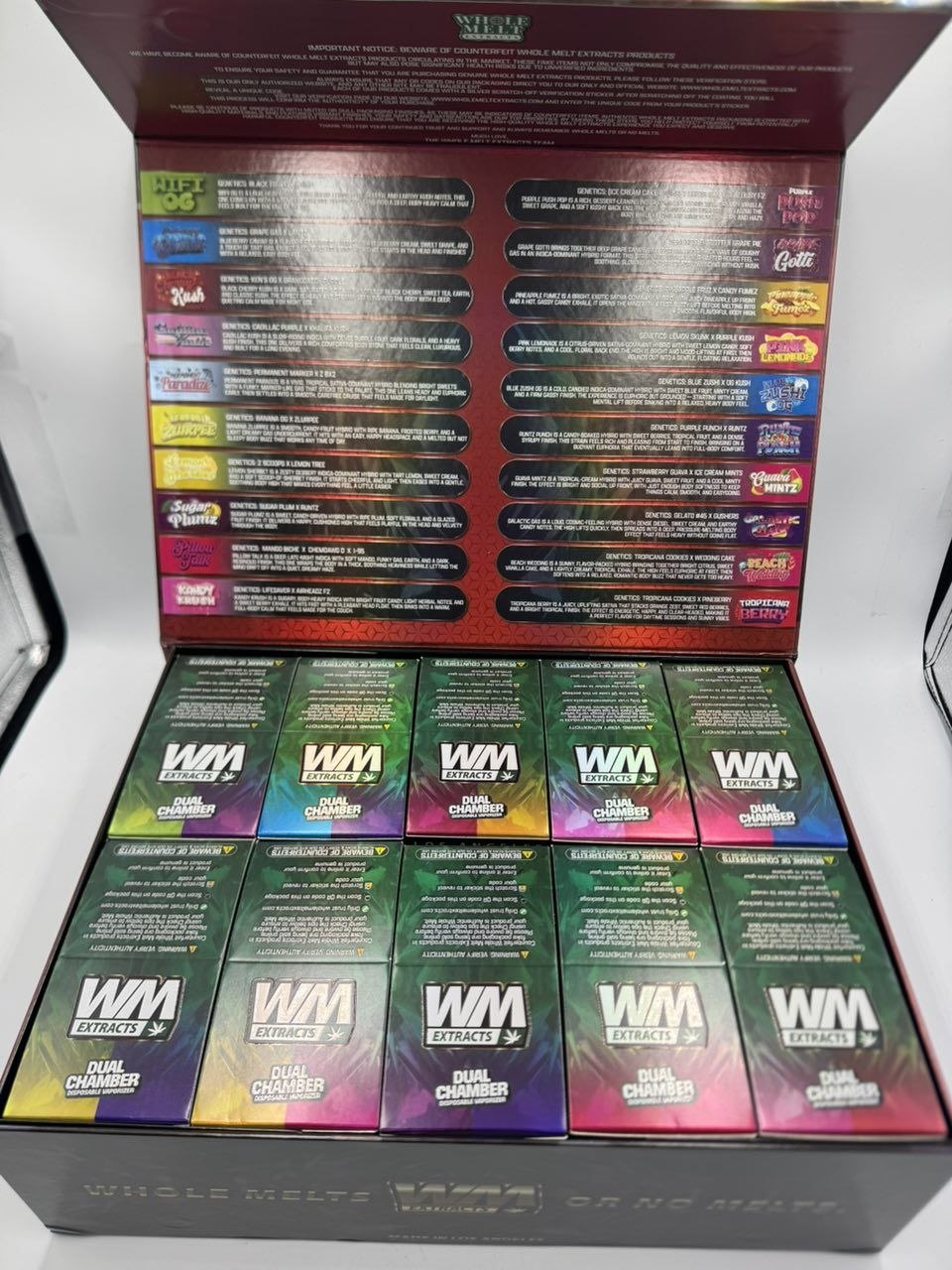
Flavor information for the Phase Six V1 depends on the specific variant. Whole Melt products may be associated with different flavor names and formulation profiles, but the exact flavor should be confirmed from the label on the individual package.
A flavor name is generally a descriptive identifier rather than a complete chemical description. It may refer to a fruit, candy, botanical, dessert, or other sensory concept.
Aroma can similarly vary according to the formulation and storage conditions. Temperature, exposure to air, and time can influence the appearance and aroma of oils.
For this reason, descriptions of flavor should remain separate from verified laboratory information. A pleasant aroma or distinctive appearance cannot independently establish authenticity, potency, or safety.
Hardware and Heating System
The heating system is a central component of any disposable vape. Within a device such as the Phase Six V1, the heating element converts the oil into an inhalable aerosol.
Hardware construction can affect consistency, airflow, vapor density, and battery behavior. Differences in coil material, airflow design, reservoir construction, and electrical controls can produce noticeable differences between devices.
Because manufacturers can revise hardware without changing a product name substantially, the exact technical specifications should come from the current packaging or manufacturer documentation.
The battery is another integrated component. Disposable devices are typically designed around a battery matched to the expected capacity and heating system. Battery performance can change over time and can also be affected by storage conditions.
Packaging and Identification
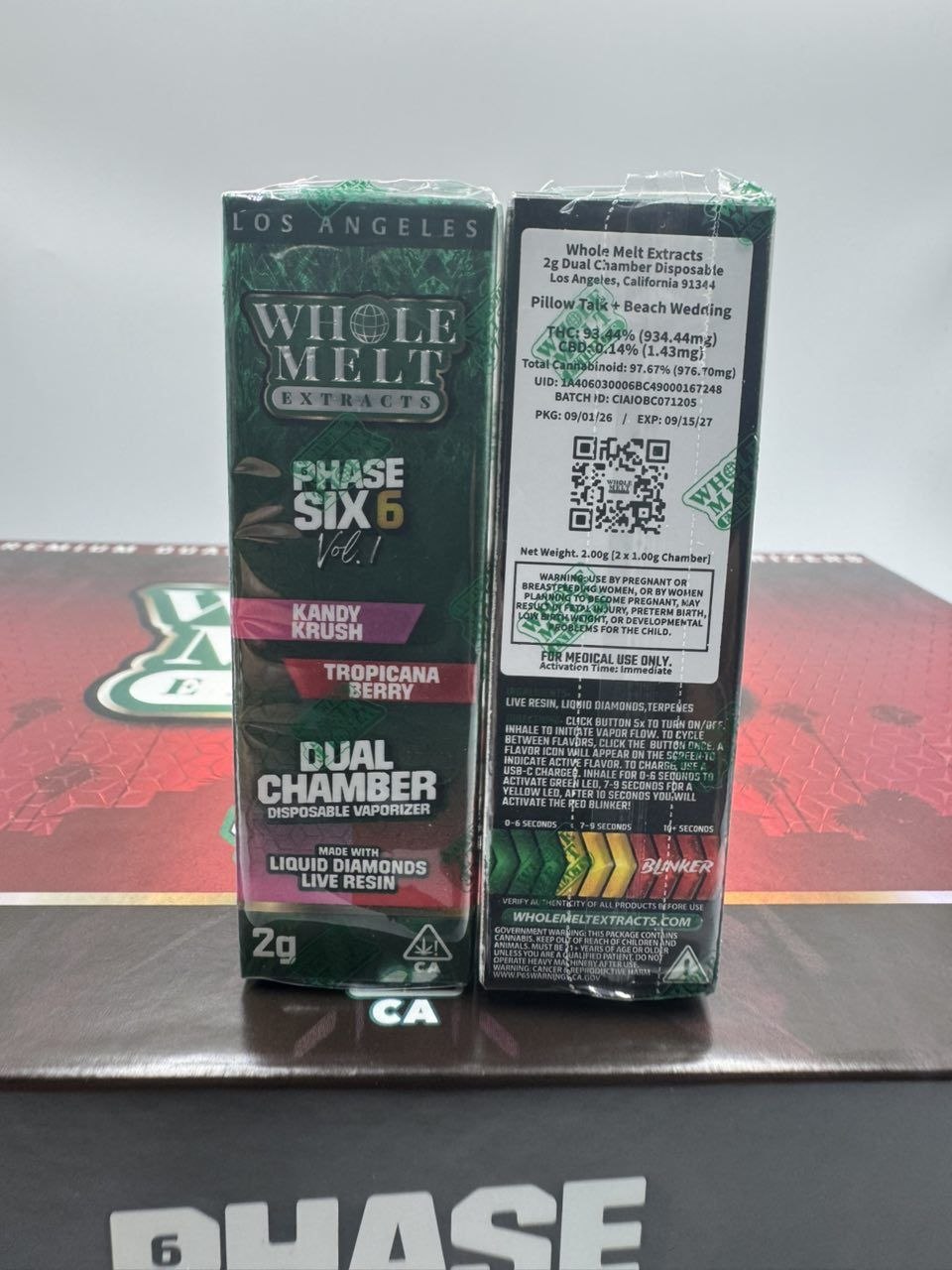
Packaging provides several important identification details. Depending on the market, a legitimate package may include a product name, batch or lot number, ingredient information, manufacturer information, warnings, quantity, and testing details.
Some products may also include authenticity features or verification information. These features can change between production periods, so an older reference image should not automatically be treated as the definitive appearance of newer packaging.
The label is especially important when identifying a particular Phase Six V1 variant. Product names can be reused across different formats, and visual similarities can make two versions difficult to distinguish.
A careful product record therefore includes the exact name printed on the package rather than relying solely on an online listing title.
Batch and Laboratory Information
Batch information can connect a particular product to a specific production run. When laboratory testing is available, the batch number can help establish whether the reported test corresponds to the product being examined.
Laboratory documentation may provide information about cannabinoid concentrations, contaminants, residual solvents, pesticides, heavy metals, microbial contaminants, or other tested characteristics, depending on the applicable testing requirements.
The presence of a laboratory certificate does not automatically establish that every individual unit has identical contents. Testing typically concerns a particular sample or batch under defined procedures.
Therefore, laboratory information is most useful when the certificate, batch number, product identity, and packaging information correspond clearly.
Storage and Product Condition
Storage conditions can influence the physical characteristics of vape oil and the condition of the hardware. Heat, excessive cold, sunlight, and prolonged exposure to unsuitable environments may affect the product.
A device that has been stored improperly can potentially develop changes in appearance, consistency, packaging condition, or hardware performance.
For product documentation, it is useful to distinguish between normal variation and signs of compromised packaging. Broken seals, damaged containers, leaking material, missing labeling, or inconsistent identification information can raise questions about product integrity.
Because storage conditions are not always visible after a product changes hands, packaging and documentation remain important parts of product evaluation.
Appearance of the Device
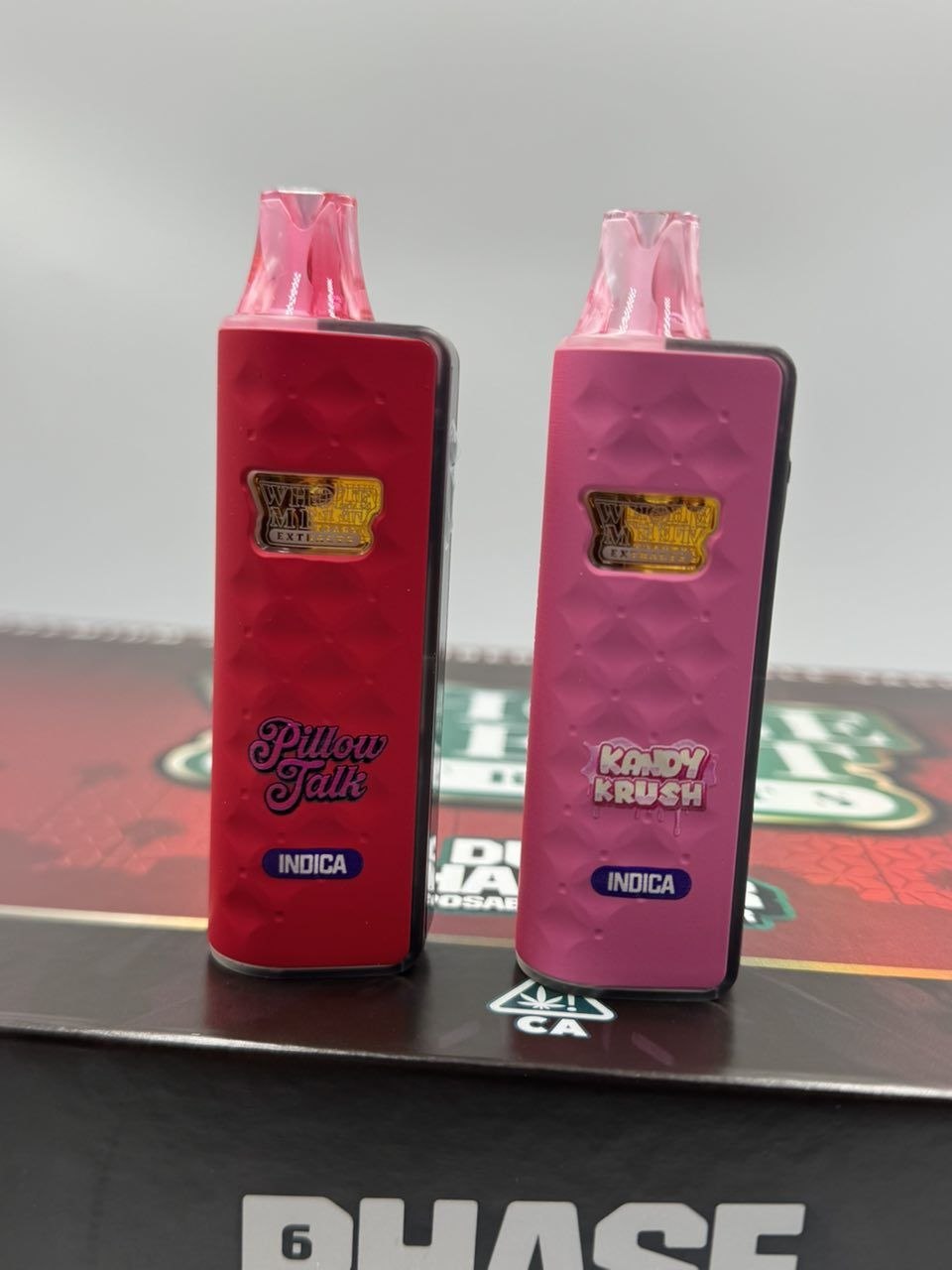
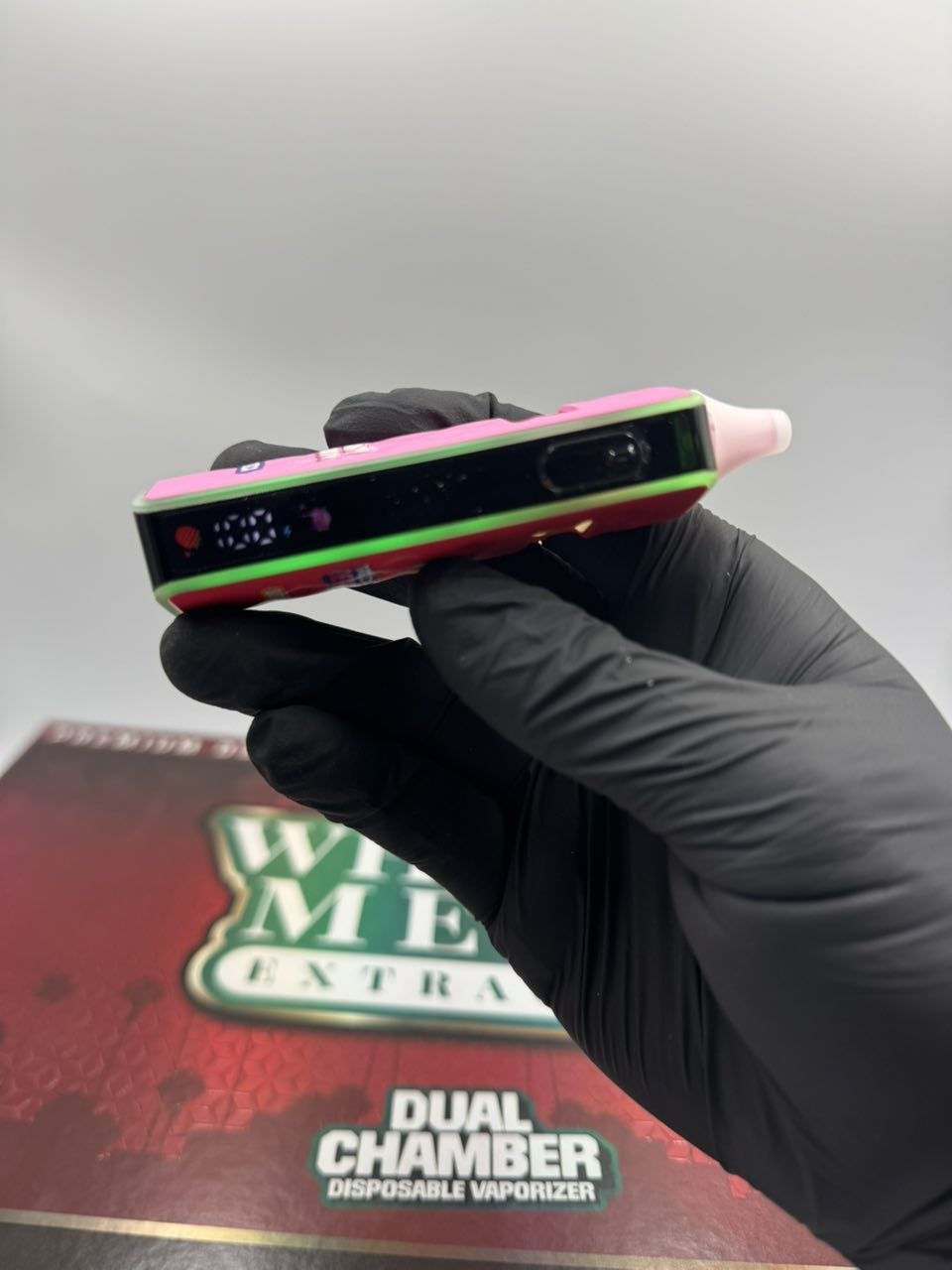
The physical appearance of the Phase Six V1 can include a compact disposable body, integrated mouthpiece, branding elements, and edition-specific graphics.
Exact colors and graphics may differ by flavor, production run, market, or packaging revision. Therefore, a single product photograph should not be considered sufficient proof of authenticity.
The physical condition can also provide useful information. A damaged exterior, leaking reservoir, loose components, or deteriorated packaging may indicate that the product has not been maintained appropriately.
Visual inspection, however, cannot establish chemical composition. Laboratory analysis remains the appropriate method for determining the contents of a formulation.
Disposable Format Explained
The disposable format distinguishes the Phase Six V1 from reusable vape systems. A reusable device normally separates the battery from the cartridge or tank, whereas an integrated disposable combines these components into one product.
This design reduces the number of separate parts. It can also make the overall product smaller and easier to package.
At the same time, integrated hardware limits component replacement. If the battery, reservoir, or heating assembly develops a problem, the individual component generally cannot be treated like a conventional replaceable cartridge.
This distinction is useful when documenting the product because the term “disposable” describes the hardware format rather than the formulation itself.
Product Consistency
Consistency can refer to several different characteristics, including oil appearance, hardware performance, labeling, and laboratory results.
Variation may occur between production batches for legitimate manufacturing reasons. However, substantial discrepancies in labeling or product identity warrant additional verification.
A consistent product record should therefore include the package name, batch information, stated contents, and available testing documentation.
The same approach applies to flavor descriptions. A flavor title alone cannot establish that two products contain identical formulations.
Safety and Responsible Product Information
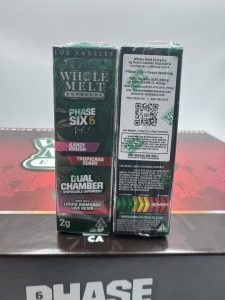
Products containing cannabinoids or other psychoactive compounds can involve health and legal considerations. The applicable rules differ considerably between jurisdictions.
In addition, cannabinoid products may not be appropriate for everyone. Individual responses can vary, and potential risks depend on the specific formulation, concentration, contaminants, and personal circumstances.
For that reason, product information should avoid presenting a disposable vape as universally safe or suitable. Verified labeling, laboratory documentation, and applicable local requirements provide more reliable information than generalized claims.
Age restrictions may also apply depending on the jurisdiction and product category. Storage away from children and animals is an important consideration for products containing psychoactive compounds.
Authenticity Considerations
The popularity of branded disposable products can create opportunities for counterfeit merchandise. A product that visually resembles an established brand is not necessarily manufactured by that brand.
Authenticity assessment can involve several pieces of information, including packaging quality, labeling consistency, batch details, manufacturer information, and any official verification system associated with the product.
No single visual feature should automatically be treated as conclusive proof of authenticity.
When documentation is available, matching the product's identifying information with the corresponding records can provide stronger evidence than comparing photographs alone.
Why Product Documentation Matters
Product documentation provides context that a product photograph cannot provide. A photograph can show exterior appearance, but it cannot independently establish cannabinoid concentration, contamination results, manufacturing standards, or batch identity.
A detailed product record can include the stated oil quantity, formulation information, batch number, packaging details, laboratory information, and applicable warnings.
This approach also helps distinguish between factual product characteristics and marketing terminology. Terms such as “premium,” “strong,” or “pure” can have different meanings depending on the manufacturer and market.
Verified specifications provide a more useful basis for understanding the actual product.
Comparing the Phase Six V1 With Other Disposable Formats
Disposable vapes can differ in capacity, hardware design, battery size, formulation, packaging, and testing documentation.
A smaller disposable may contain less oil, while a larger device may have a higher stated capacity. However, capacity does not automatically determine potency or product quality.
Similarly, a device with more elaborate graphics does not necessarily contain a different formulation. Hardware appearance and chemical composition are separate characteristics.
The Phase Six V1 can therefore be described according to its documented specifications rather than broad assumptions about the disposable category.
Understanding Product Terminology
Several terms commonly appear in disposable vape descriptions.
“2G” generally refers to the stated quantity of oil.
“Disposable” describes the integrated hardware format.
“V1” generally identifies a particular version or revision.
“Phase Six” identifies the named product line or edition.
“Whole Melt” identifies the brand or product name used on the packaging.
These terms should not be interpreted as guarantees of potency, authenticity, purity, or performance. Those characteristics require separate documentation.
Packaging Changes Over Time
Product packaging is not necessarily permanent. Manufacturers can update graphics, labels, verification features, warnings, and other printed details.
As a result, differences between an older photograph and a newer package do not automatically indicate that one product is counterfeit.
At the same time, unexplained discrepancies in batch information, manufacturer information, or required labeling deserve attention.
The production date and applicable market can provide useful context when comparing different packages.
Environmental and Physical Factors
The condition of a disposable device can change depending on its environment. High temperatures can affect oil viscosity and battery components, while excessive cold can also influence performance.
Physical impact may damage the exterior housing, mouthpiece, reservoir, or internal electrical components.
Packaging serves an additional protective role by reducing exposure to external conditions during storage and transportation.
A complete description of the Phase Six V1 therefore considers both the product itself and the conditions that may affect its condition over time.
Product Information Versus Marketing Claims
A useful product description separates verifiable characteristics from promotional language.
The 2G capacity is a stated physical specification when it appears on the package. The product name and version are identification details. Laboratory results, when available, provide information about tested composition.
By contrast, broad claims about superior quality, guaranteed effects, or universal satisfaction require evidence and should not be treated as established facts.
This distinction makes product information easier to evaluate and reduces confusion between documented specifications and subjective descriptions.
A Closer Look at the 2G Label
The two-gram designation remains one of the central identifying characteristics of this product. It provides a simple way to distinguish the device from smaller capacity formats.
Nevertheless, the number does not describe every aspect of the formulation. Two grams of material can contain different proportions of active compounds depending on the product.
The label may provide additional information that gives the 2G figure more context. For example, cannabinoid percentages or total milligram amounts can provide information that the capacity figure alone cannot.
Therefore, the capacity should be read together with the rest of the package rather than considered in isolation.
Overall Product Profile
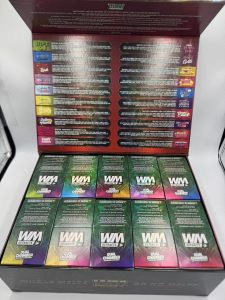
The Whole Melt Phase Six V1 2G Disposable is characterized by its integrated disposable construction, stated two-gram oil capacity, and Phase Six V1 product designation.
Its exact formulation, flavor, cannabinoid profile, laboratory results, and packaging details depend on the specific variant and production information.
The device represents a compact hardware format in which the reservoir, heating system, battery, and mouthpiece are combined into one unit. That construction distinguishes it from reusable systems that allow individual components to be replaced.
For accurate identification, the physical product and its packaging should be considered together. Batch information and laboratory documentation can provide additional context when those records are available.
Final Product Summary
Whole Melt Phase Six V1 2G Disposable is a product name describing a specific disposable vape format with a stated two-gram capacity. The Phase Six V1 designation identifies the particular version, while the disposable construction combines the major hardware components into one integrated device.
The 2G figure describes the stated oil quantity, but it does not independently establish potency, formulation, quality, or effects. Those characteristics depend on the product's documented composition and testing information.
Likewise, flavor names and exterior graphics can identify a particular variant, but they should not be treated as substitutes for laboratory documentation.
For a complete product record, the most useful information includes the exact package name, stated capacity, formulation details, batch number, manufacturer information, applicable warnings, and any corresponding laboratory results.
Because packaging and formulations can change between markets and production periods, information printed on the specific unit remains the most relevant reference. This is especially important when distinguishing one Phase Six V1 variant from another or when comparing current packaging with older product images.
In short, the Whole Melt Phase Six V1 2G Disposable can be described through its capacity, integrated hardware, product version, packaging, formulation information, and available testing documentation. Keeping those characteristics separate provides a clearer and more accurate understanding of the product without relying on unsupported claims.
Reviews
There are no reviews yet.