Description
Whole Melt Extracts Candy Edition: Product Overview
Introduction
Whole Melt Extracts Candy Edition is presented as a cannabis concentrate product with a flavor-focused identity and an emphasis on a sweet
, dessert-inspired experience
. The name combines the recognizable Whole Melt Extracts branding with the playful character associated with candy-style flavors. As a result, the product sits within a category that often attracts consumers interested in flavorful concentrate profiles rather than a strictly earthy or traditional cannabis character
.
The Candy Edition concept is built around the idea of sweetness. Instead of focusing only on the natural herbal character associated with cannabis, the presentation suggests a profile designed to feel more colorful, aromatic, and contemporary. This style has become increasingly noticeable within modern concentrate culture, where flavor, aroma, texture, packaging, and overall presentation can all contribute to how a product is perceived.
At the same time, concentrate products can vary considerably between batches, markets, and production runs. Therefore, the specific characteristics of an individual package are best understood through its current packaging, laboratory information, ingredient information, and applicable regulatory labeling.
A Flavor-Focused Product Identity
Flavor plays an important role in the identity of Candy Edition. The candy-inspired concept creates an immediate association with sweetness, fruit-forward notes, and a more playful sensory profile. Compared with products that emphasize traditional pine, earth, pepper, or fuel-like aromas, candy-style concentrates are generally positioned around a more expressive flavor direction.
That distinction gives the product a recognizable personality. The presentation feels modern, while the concentrate format remains connected to the broader culture of cannabis extracts.
Moreover, flavor perception can be influenced by several factors. Terpenes, cannabinoids, extraction methods, storage conditions, and freshness can all affect the way a concentrate smells and tastes. Because of that, two products carrying similar flavor descriptions may still have noticeably different sensory characteristics.
The Candy Edition name therefore works best as a broad description of the intended style rather than a guarantee of one exact flavor experience.
Appearance and Presentation
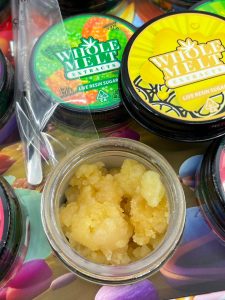
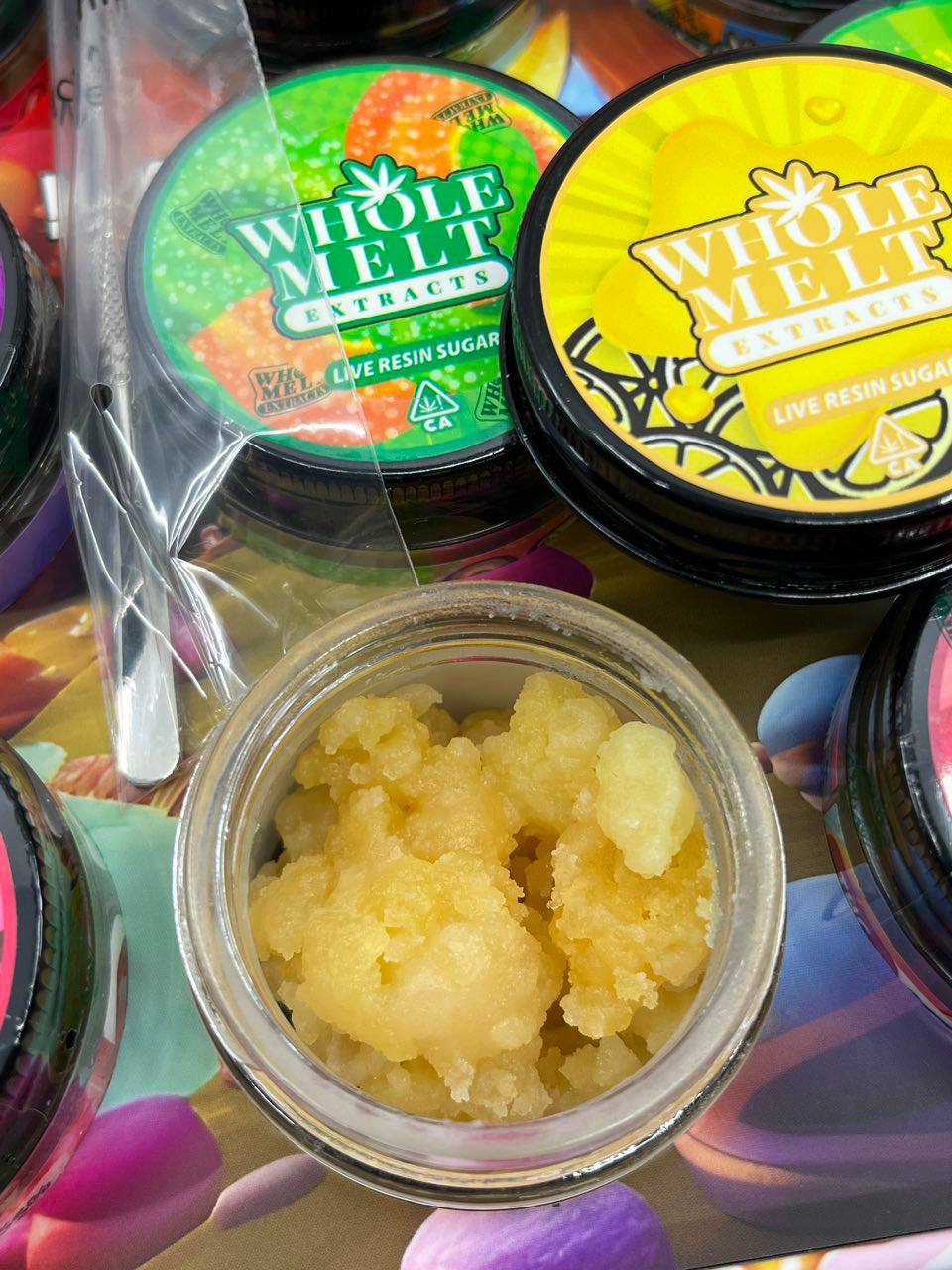
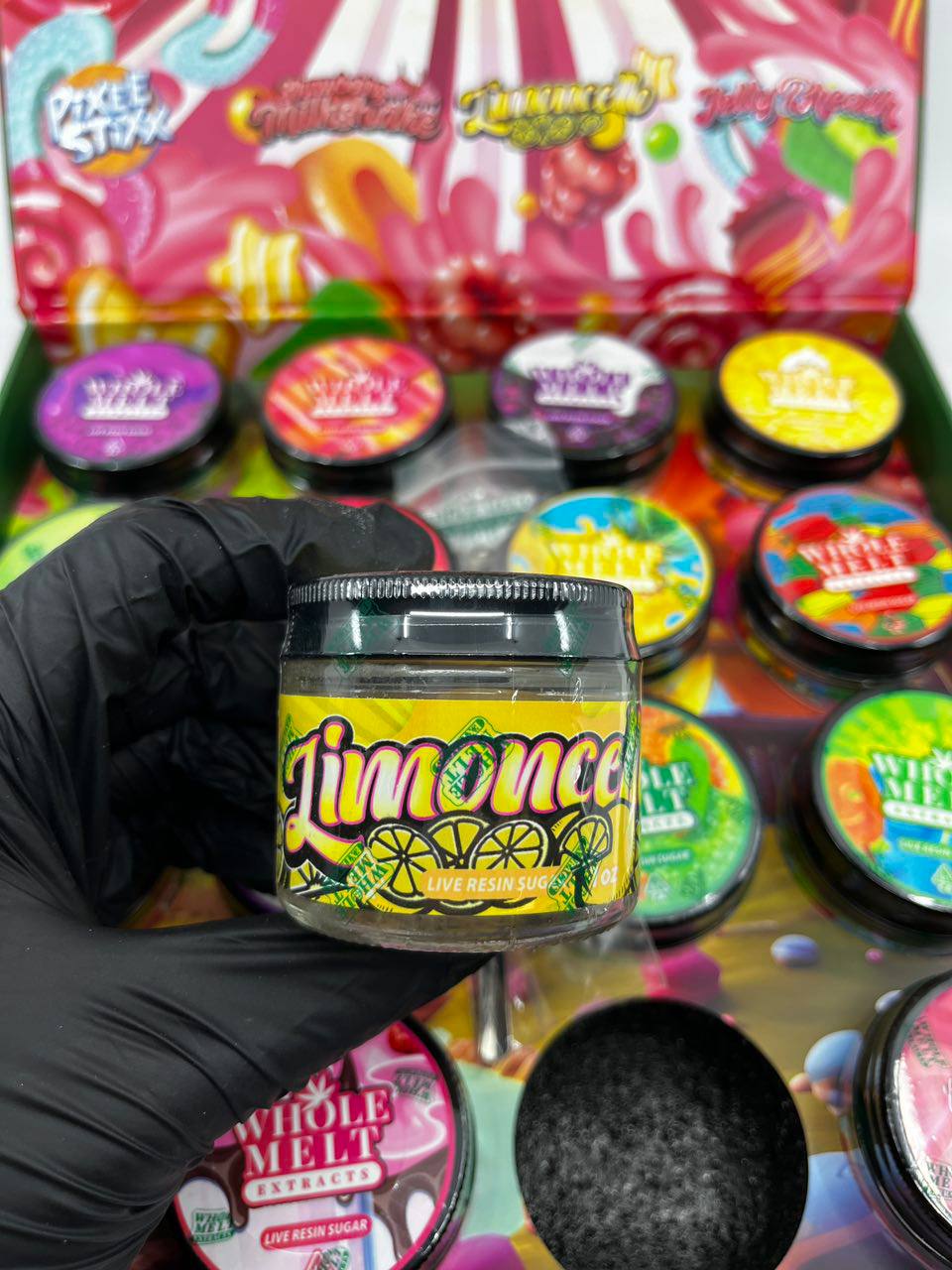
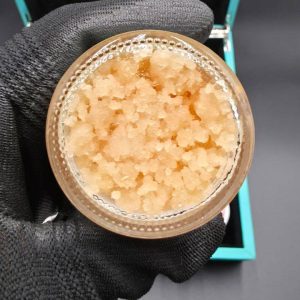
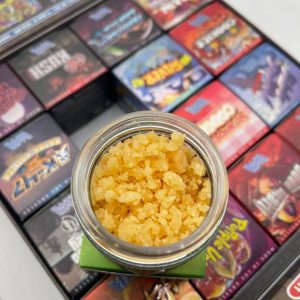
Concentrate products are often judged visually before their aroma or texture is considered. Color, consistency, clarity, and overall appearance can provide useful information about a product, although appearance alone cannot establish potency, purity, or quality.
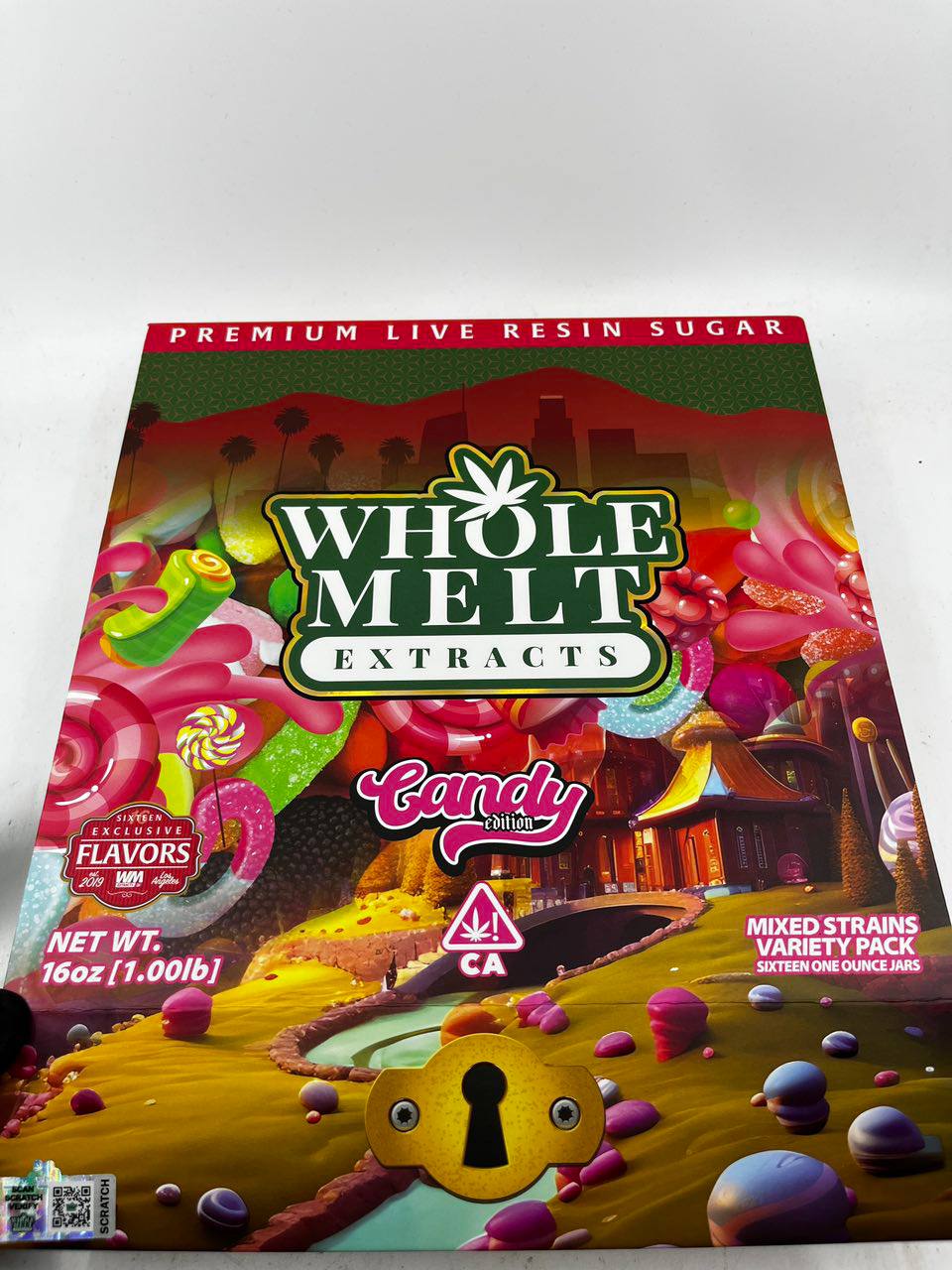
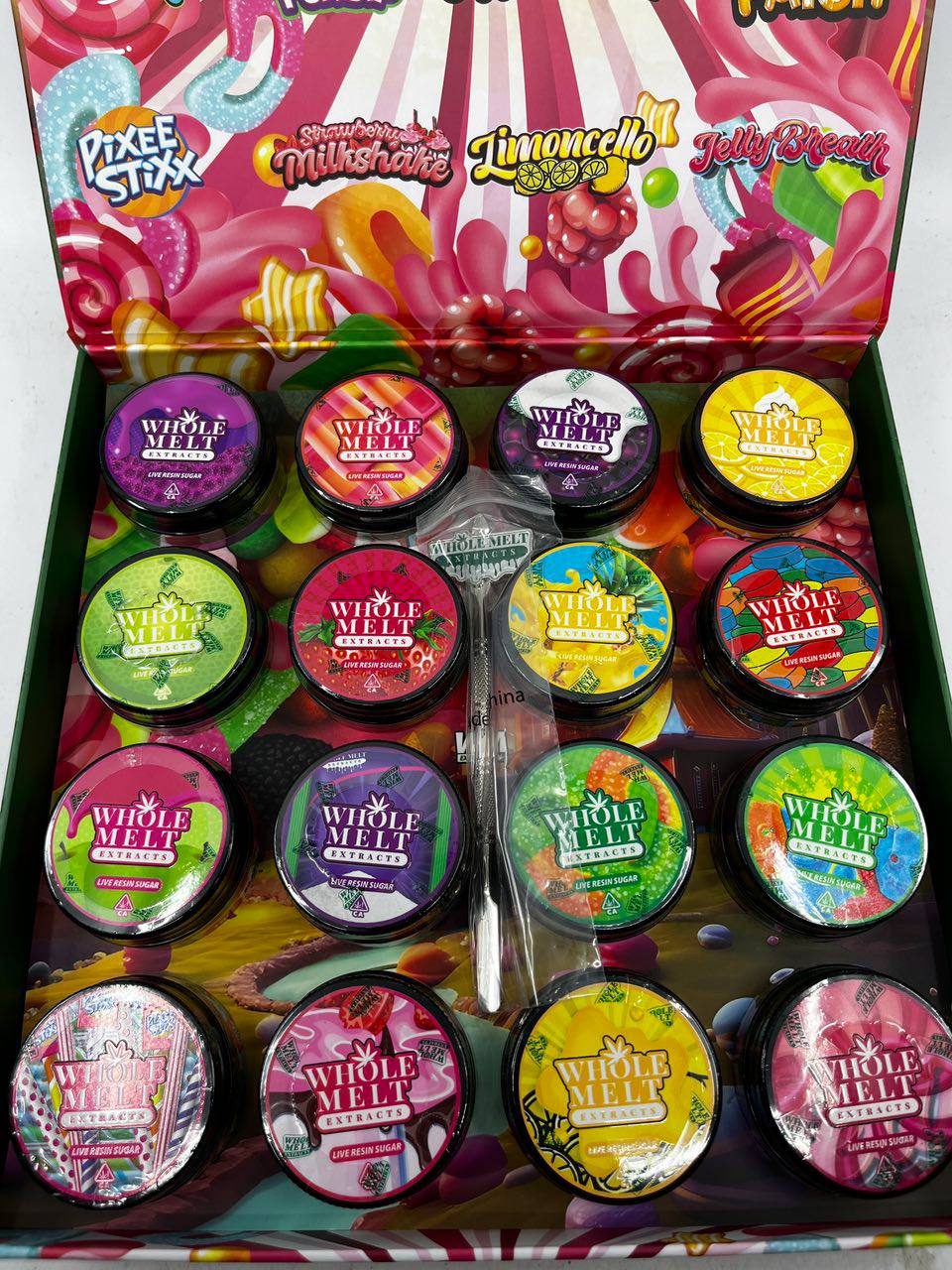
The Candy Edition presentation is associated with the colorful and playful aesthetic commonly used for candy-inspired cannabis products. This visual direction helps distinguish it from more minimal concentrate packaging and contributes to the overall identity of the product.
The concentrate itself may display differences in texture depending on the specific formulation and production batch. Factors such as temperature can also influence consistency. A product may appear firmer in a cooler environment and softer when exposed to warmer conditions.
Consequently, visual differences should not automatically be interpreted as evidence of a problem. Product-specific laboratory results and manufacturer information remain more reliable indicators of composition and quality.
Aroma and Terpene Character
Aroma is another major part of the concentrate experience. Cannabis extracts can contain a range of naturally occurring aromatic compounds known as terpenes. These compounds contribute to the recognizable scent of cannabis and can influence how different varieties are perceived.
A candy-inspired profile may be associated with sweet, fruity, sugary, or confectionery-like impressions. Depending on the particular batch, additional notes may become noticeable beneath the sweeter character. Some people may detect fruit, citrus, floral, creamy, or slightly earthy elements.
However, aroma descriptions are inherently subjective. One person may describe the same concentrate as fruity, while another may notice a more floral or herbal quality. Environmental factors can also influence perception, including storage temperature and exposure to air.
For that reason, the flavor identity is best viewed as a sensory description rather than a precise chemical specification.
Texture and Consistency
Texture is an important characteristic of cannabis concentrates. Different extraction styles can produce materials ranging from firm and crumbly consistencies to softer, more pliable textures.
The physical consistency of a product can change over time. Temperature, handling, storage conditions, and exposure to air may all influence the material. A cooler environment generally causes many concentrates to become firmer, while warmer conditions can make them softer.
These changes do not necessarily indicate a change in the overall product identity. Instead, they demonstrate how concentrate materials can respond to their surroundings.
Consumers who examine a product closely may therefore notice variations between different containers or batches. Manufacturer specifications and current packaging information provide better context than appearance alone.
Cannabinoid Information
Cannabinoid content is one of the most important pieces of information associated with a cannabis concentrate. THC, CBD, and other cannabinoids can be present at different levels depending on the formulation.
Because cannabinoid concentrations can differ between products and batches, a fixed potency figure should not be assumed without checking the current package or laboratory report. The label should provide the relevant cannabinoid information where required by local regulations.
This distinction is particularly important because concentrate potency can be considerably higher than that of many traditional cannabis products. Individual responses can also differ depending on experience, tolerance, body chemistry, and other factors.
As a result, product information should always be interpreted alongside the applicable legal and health guidance in the user's location.
Laboratory Testing and Product Transparency
Laboratory testing provides information that cannot be determined simply by looking at a concentrate. Depending on local regulations, testing may provide cannabinoid percentages and information about certain contaminants or other quality-control measures.
A current certificate of analysis can therefore offer a more reliable picture of a specific batch. Packaging may also contain a batch number, testing information, production details, or other identifiers.
These details matter because cannabis products are not necessarily identical from one production run to another. A product description can explain the general identity of an item, but the package-specific laboratory documentation provides the more precise information.
For consumers evaluating a regulated cannabis product, current labeling and testing documentation are therefore important reference points.
The Candy-Inspired Experience
The candy theme gives this edition a distinctive character. Sweet-inspired cannabis products have become popular partly because they create a contrast between familiar confectionery associations and the naturally complex profile of cannabis.
That contrast can make the product feel more approachable from a flavor perspective, although the underlying concentrate remains a cannabis product. The candy concept describes the intended flavor direction rather than changing the fundamental nature of the extract.
Furthermore, sweetness in cannabis products can come from different sources. Natural terpene profiles may create fruity or sugary impressions, while flavor formulations can produce additional sensory characteristics where permitted. The exact composition depends on the product and its labeling.
Consequently, the Candy Edition identity should be considered alongside its actual ingredient and laboratory information.
Brand Presentation
Whole Melt Extracts is a name associated with concentrate-oriented cannabis products and a broad visual style. The Candy Edition follows the kind of colorful, flavor-centered presentation that has become common in contemporary cannabis culture.
Brand presentation can influence expectations, but it does not replace objective product information. Packaging, branding, and flavor names are useful for identifying a product, while laboratory testing and regulatory labeling provide more meaningful information about its contents.
This balance is especially relevant with concentrates. A visually appealing product may attract attention, yet quality assessment requires more than appearance.
Product Characteristics at a Glance
The main characteristics associated with the Candy Edition can be summarized through several elements.
Product category: Cannabis concentrate
Brand: Whole Melt Extracts
Edition: Candy Edition
Profile: Candy-inspired and flavor-focused
Sensory direction: Sweet, fruity, confectionery-style impressions may be associated with the concept
Texture: Concentrate consistency may vary by batch and storage conditions
Potency: Batch-specific and should be confirmed through current laboratory information
Testing: Current package documentation or certificate of analysis provides the most reliable product-specific information
These characteristics provide a general overview without treating a flavor name or visual presentation as a substitute for verified product information.
Storage and Stability
Storage conditions can affect the physical and sensory characteristics of concentrates. Temperature, light, oxygen, and handling may influence texture and aroma over time.
A stable storage environment can help preserve the characteristics described on the packaging. Excessive heat may soften concentrate material, while colder conditions can make it considerably firmer. Repeated temperature changes may also influence consistency.
Light and air can contribute to changes in sensitive compounds as well. For that reason, packaging is generally designed to limit unnecessary exposure to environmental factors.
The exact storage requirements should come from the product's current packaging and applicable manufacturer guidance.
Why Flavor Matters in Concentrates
Flavor has become an important part of the concentrate category. Earlier cannabis products were often discussed primarily in terms of potency or strain identity. Modern consumers increasingly pay attention to terpene profiles, aroma, texture, extraction style, and sensory character as well.
Candy-inspired products fit naturally within that broader shift. Their appeal comes from the possibility of a sweeter and more expressive profile rather than a purely traditional cannabis aroma.
At the same time, flavor should not be confused with potency or product quality. A strong aroma does not necessarily indicate a higher cannabinoid concentration, and a sweet profile does not automatically indicate a particular extraction method.
Each characteristic represents a different aspect of the product.
Batch-to-Batch Differences
Natural cannabis products can display variations between production batches. Differences may appear in color, aroma, texture, cannabinoid percentages, or terpene composition.
Several factors can contribute to these differences, including the source material, cultivation conditions, extraction process, storage period, and production methods.
Therefore, an online description should be treated as a general reference rather than a promise that every package will look, smell, or test exactly the same. Current packaging remains the most accurate source for batch-specific information.
This is particularly relevant when a product is identified primarily by a flavor or edition name. The overall concept may remain consistent even when individual characteristics change slightly.
Concentrate Culture and Modern Product Design
The development of modern cannabis concentrates has created a wide range of product styles. Some focus heavily on extraction techniques, while others emphasize flavor, packaging, strain identity, or a combination of these elements.
Candy Edition belongs to the flavor-oriented side of that landscape. Its name creates a straightforward connection between cannabis culture and familiar candy-inspired sensory associations.
This type of branding has helped concentrates develop a more diverse visual identity. Products no longer rely exclusively on traditional green-and-leaf imagery. Instead, many modern brands use colorful designs, themed editions, and distinctive names to communicate their intended character.
Even so, responsible product evaluation remains grounded in verified information rather than branding alone.
Understanding Concentrate Potency
Cannabis concentrates can contain high concentrations of cannabinoids. The actual potency varies according to the product and batch, which makes current laboratory information especially important.
Potency also does not translate into an identical experience for every individual. Factors such as previous exposure, tolerance, individual sensitivity, and the cannabinoid profile can influence how a person responds.
Because of these differences, general product descriptions should avoid making guarantees about effects. Terms such as relaxing, energizing, uplifting, or calming can mean different things to different people.
A more accurate description focuses on measurable characteristics such as cannabinoid content, ingredients, format, testing information, and stated flavor profile.
Responsible Product Awareness
Cannabis concentrates deserve careful attention because they can be significantly more potent than lower-concentration cannabis formats. Product information should therefore be reviewed carefully before any legal use.
Age restrictions, possession rules, purchase requirements, and permitted forms of cannabis differ substantially between jurisdictions. In some locations, concentrates may be subject to additional regulations.
The legal status of a product should consequently be confirmed through the applicable local authority rather than assumed from its availability elsewhere.
Health considerations also vary between individuals. People who are pregnant, taking certain medications, under the legal age, or otherwise concerned about cannabis exposure may need professional guidance before using cannabis products.
Packaging Information
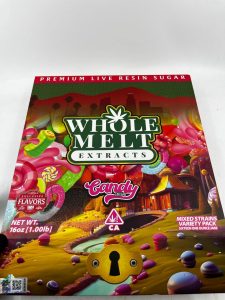
The package is the primary source for details specific to an individual product. Depending on the jurisdiction, useful information may include the product name, cannabinoid content, net weight, batch number, manufacturing date, testing information, ingredients, warnings, and licensing information.
These details can change between production runs. Therefore, an older online description may not accurately represent a newer package.
For product listings, keeping general descriptive language separate from batch-specific claims helps maintain accuracy. It also reduces the risk of presenting outdated potency or testing information as though it applies universally.
Overall Product Profile
Whole Melt Extracts Candy Edition presents a combination of concentrate culture, modern branding, and candy-inspired flavor identity. Its strongest distinguishing feature is the flavor-focused concept, which separates it from products marketed around strictly traditional cannabis aromas.
The product can be viewed through several connected characteristics: concentrate format, sensory identity, physical texture, cannabinoid profile, packaging, and laboratory information.
Among these elements, the flavor concept provides the most recognizable personality. Sweet and fruity associations give the edition a playful character, while the concentrate format places it within a more specialized segment of cannabis products.
However, individual characteristics may vary. The current package and certificate of analysis remain the appropriate references for exact potency, ingredients, and batch information.
Whole Melt Extracts Candy Edition reflects the modern movement toward more distinctive and flavor-centered cannabis products. Its candy-inspired identity creates a recognizable profile that emphasizes sweetness and sensory character while retaining the qualities associated with cannabis concentrates.
The product's appearance, aroma, texture, cannabinoid content, and testing information each contribute to a fuller understanding of what is inside the package. At the same time, those characteristics should be interpreted through current product documentation because concentrate properties can vary from one batch to another.
Ultimately, the Candy Edition concept is best understood as a combination of contemporary presentation and a sweet-oriented sensory direction. Rather than relying solely on its name or packaging, a complete product evaluation includes the current label, laboratory information, ingredients, and applicable regulations.
That approach provides a clearer and more responsible picture of the product while allowing its distinctive flavor-focused identity to remain at the center of its description.
Additional Product Details
Flavor Profile and Sensory Character
The flavor identity of a cannabis concentrate can be one of its most memorable features. With the Candy Edition concept, sweetness takes a central position in the overall presentation. The name suggests a profile inspired by colorful confectionery, fruity aromas, and sugary flavor impressions.
At the same time, cannabis concentrates can contain several aromatic compounds that interact to create a more complex experience. A sweet profile may be accompanied by subtle fruit, citrus, floral, herbal, or earthy notes. These secondary characteristics can become more noticeable depending on the specific batch and its terpene composition.
Because sensory perception differs between individuals, descriptions should be treated as general impressions rather than fixed guarantees. One person may notice a strong fruity character, while another may identify a softer sweetness with more noticeable herbal undertones.
This variation is part of what makes terpene-focused products interesting. The same broad flavor category can produce different nuances from one batch to another.
Terpenes and Aromatic Complexity
Terpenes are naturally occurring compounds that contribute significantly to the aroma and flavor of cannabis. They are also found throughout nature in fruits, herbs, flowers, and other plants.
In concentrates, terpene composition can influence how the product smells and tastes. A profile associated with candy may contain compounds that create fruity, citrus-like, floral, or sweet aromatic impressions.
However, a flavor description should not be treated as a complete chemical profile. The exact terpene content depends on the specific product and batch. Laboratory documentation offers a more accurate picture when terpene testing is available.
This distinction matters because flavor names are often designed to communicate an overall sensory concept. They are not necessarily a detailed list of every compound present.
Concentrate Quality Considerations
Quality is influenced by more than appearance. Color and texture can provide useful visual information, but neither characteristic can independently confirm purity, potency, or safety.
Current laboratory testing is therefore an important part of product evaluation. Testing may provide information about cannabinoids and, depending on local requirements, contaminants or other quality-control measurements.
Packaging can also provide useful traceability information. Batch numbers, testing identifiers, manufacturing details, and regulatory symbols may help connect a specific product to its documentation.
As a result, a well-rounded product description should recognize both the sensory qualities and the importance of verified information.
Appearance Can Change Over Time
Concentrates are sensitive to environmental conditions. Temperature changes can affect their physical appearance, while exposure to air and light may influence aroma and other characteristics.
A concentrate that appears firm in one environment may become softer in another. Similarly, a product can develop slight visual differences as it ages.
These changes do not automatically indicate that a product is unsuitable. However, unusual changes should always be considered alongside the packaging date, storage conditions, and available product guidance.
Proper storage information should come from the current product label or manufacturer because recommended conditions can vary between formulations.
Packaging and Visual Identity
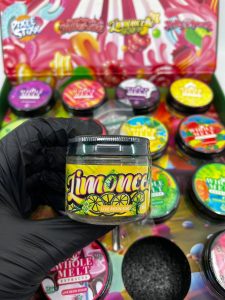
The visual presentation of a cannabis product can contribute strongly to its identity. Candy-inspired products often use colorful and energetic themes that distinguish them from more traditional cannabis packaging.
The edition name reinforces that identity by connecting the product with familiar confectionery associations. This creates a recognizable visual and conceptual direction without changing the underlying nature of the concentrate.
For consumers browsing different products, packaging can make one edition easier to distinguish from another. Nevertheless, visual design should remain secondary to accurate product information.
The most useful packaging details are generally those that identify the product, provide laboratory information, state ingredients where applicable, and communicate required warnings.
Concentrate Format
Concentrates represent a specialized category within cannabis products. Unlike flower, concentrates contain a more concentrated form of cannabinoids and aromatic compounds.
Different concentrate formats can have noticeably different physical characteristics. Some may have a softer consistency, while others can be firmer or more crystalline. The exact texture depends on production methods, formulation, temperature, and storage.
The Candy Edition identity is therefore only one part of the overall product profile. The concentrate format itself provides another defining characteristic.
This combination of flavor-focused branding and concentrated cannabis material reflects how the category has developed beyond traditional flower-based products.
The Role of Product Information
Clear product information helps consumers understand what they are looking at. A product name can establish identity, while the label supplies the details needed to distinguish one batch from another.
Information such as cannabinoid percentages, net contents, ingredients, testing details, and batch numbers can be particularly useful.
Furthermore, accurate product information helps prevent assumptions. A flavor name should not be used to infer potency, and packaging should not be used as proof of laboratory results.
When these details are presented separately, the overall product description becomes more transparent and easier to understand.
Why Batch Information Matters
Batch information is especially important for cannabis concentrates because the composition of natural cannabis products can vary.
Cultivation conditions, source material, extraction processes, storage duration, and production variables may all influence the final characteristics.
Therefore, two packages from the same edition may not be completely identical in appearance or laboratory results. Small differences can occur even when the overall product concept remains unchanged.
A current certificate of analysis, when available, provides the clearest way to understand the specific batch.
A Modern Approach to Cannabis Branding
Cannabis branding has changed considerably over time. Contemporary products often use distinctive editions and flavor concepts to create a stronger visual identity.
The Candy Edition concept fits into this broader trend. Its name communicates a playful and flavor-oriented character rather than relying exclusively on traditional strain terminology.
This approach can make product categories easier to differentiate. Instead of focusing only on potency, consumers may also compare flavor direction, aroma, texture, packaging, and testing information.
As a result, product identity has become increasingly multidimensional.
Flavor Names Versus Verified Ingredients
A flavor name can create an expectation, but it should not be interpreted as a complete ingredient statement.
For example, a candy-inspired description may communicate sweetness or fruit-forward impressions without specifying every compound responsible for those characteristics.
Ingredients, additives, and formulation details should always be confirmed through the current package when they are relevant.
This approach keeps the product description accurate while still allowing the sensory concept to be explained naturally.
Storage and Product Longevity
Storage can have a meaningful effect on concentrate characteristics. Excessive heat may soften the material, while low temperatures can make it firmer. Repeated exposure to environmental changes may also affect consistency.
Light and air are additional considerations because sensitive compounds can gradually change when exposed to unfavorable conditions.
The packaging itself is designed to provide a degree of protection, but the exact storage requirements depend on the product.
Therefore, manufacturer or regulatory guidance should take priority over general assumptions about concentrate storage.
Understanding Sensory Expectations
A product description can explain the intended sensory direction without promising a particular personal experience.
Candy-inspired concentrates are generally associated with sweet, fruity, or confectionery-like impressions. However, individual perception depends on several factors.
Taste sensitivity, aroma recognition, personal preferences, and the specific batch can all affect how the flavor is perceived.
Additionally, the same terpene profile may be interpreted differently by different people. One individual might recognize citrus notes, while another may notice fruit or floral characteristics.
This makes sensory descriptions useful as reference points rather than absolute statements.
Product Transparency
Transparency is increasingly important when evaluating cannabis products. A clear description should distinguish between general product characteristics and information that applies only to a particular batch.
General characteristics may include the concentrate format, flavor concept, brand presentation, and edition identity.
Batch-specific information includes laboratory results, cannabinoid percentages, production dates, and testing identifiers.
Keeping these categories separate makes the information easier to understand and reduces the possibility of outdated claims.
What Makes the Edition Distinctive
The Candy Edition stands out primarily through its combination of a concentrate format and a sweet-inspired product identity.
Its flavor concept gives it a different personality from products that focus on earthy, pine-heavy, spicy, or fuel-like cannabis aromas.
The presentation also reflects the broader shift toward more expressive cannabis branding. Colorful themes, playful names, and flavor-focused editions have become increasingly common within modern concentrate culture.
Even so, its distinctive identity does not eliminate the need for standard product verification. Laboratory results and current packaging remain essential references.
A Balanced Product Description
A strong product description should communicate what makes an item recognizable without making unsupported claims.
For the Candy Edition, the most appropriate focus includes its concentrate format, candy-inspired identity, potential sweet and fruity sensory direction, modern presentation, and the importance of batch-specific information.
This approach provides useful information while leaving room for natural differences between products.
It also avoids treating subjective effects as guaranteed outcomes. Instead, the description remains focused on characteristics that can be reasonably discussed and verified.
Final Product Perspective
The Candy Edition represents a flavor-forward approach to cannabis concentrate presentation. Its candy-inspired identity gives the product a playful character, while the concentrate format places it within a category known for higher cannabinoid concentration and specialized production.
Its appearance, texture, aroma, flavor, and laboratory profile can all contribute to how a particular batch is understood. However, these characteristics should be considered together rather than individually.
Most importantly, current package information remains the best source for exact details. Product descriptions can explain the broader identity, while laboratory documentation provides the specific information associated with an individual batch.
That balance creates a clearer and more reliable picture of the product without relying on exaggerated claims or repetitive keyword placement.
Reviews
There are no reviews yet.