Description
Luminate Live Resin Sugar: Product Overview
Introduction
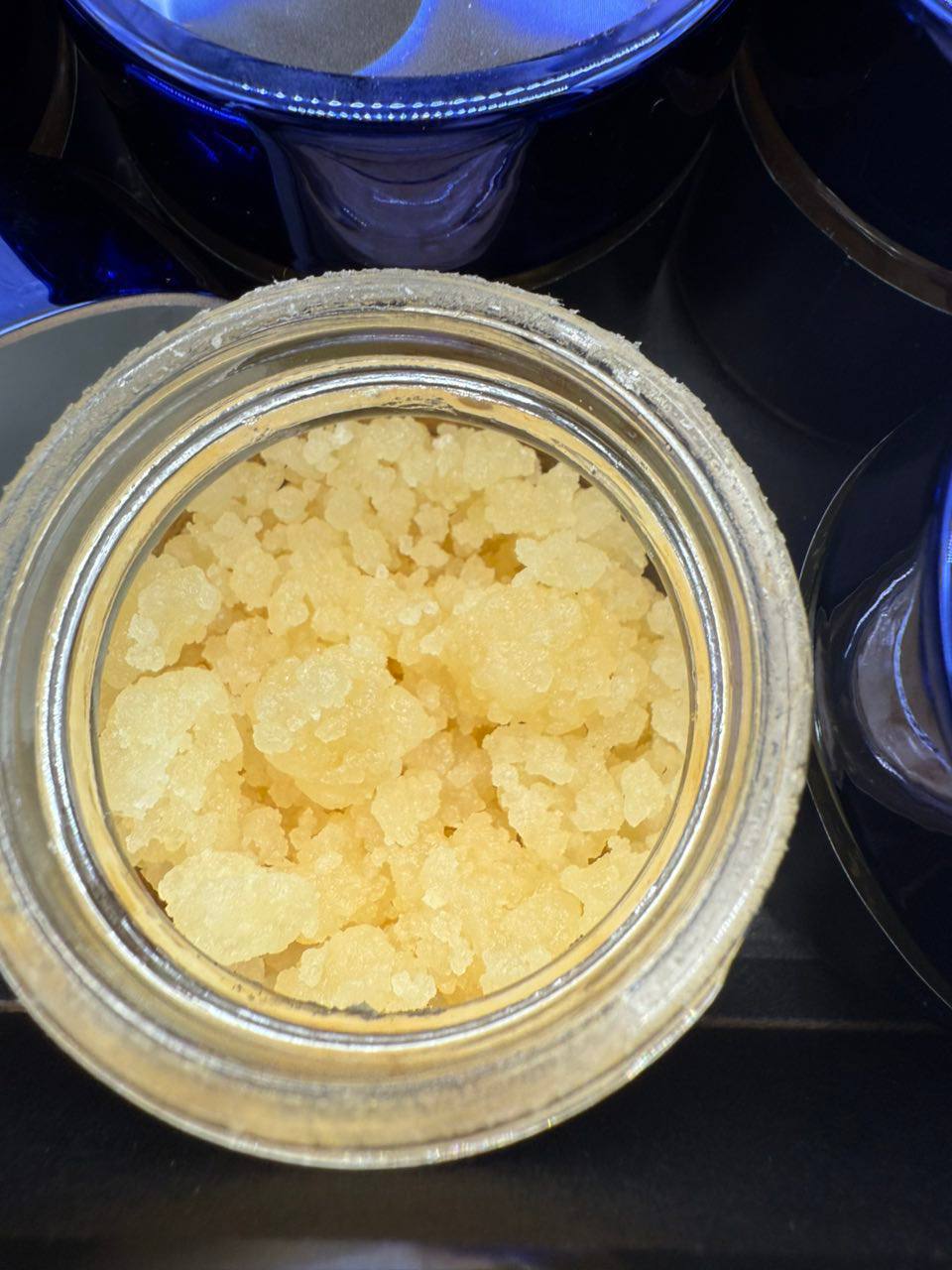
Luminate Live Resin Sugar is a cannabis concentrate known for its soft, crystalline texture and concentrated aroma. The term “sugar” refers to the appearance and consistency of the concentrate, which can resemble small grains or wet crystals. Meanwhile, “live resin” describes an extraction approach in which cannabis material is generally preserved in a fresh or frozen state before processing. Because of that approach, live resin products are commonly associated with pronounced aromatic characteristics. The concentrate can retain a range of naturally occurring compounds from the original plant material. As a result, its appearance, aroma, texture, and overall profile can differ considerably between batches. Luminate Live Resin Sugar may appeal to consumers who are interested in learning about cannabis concentrates and the characteristics that distinguish live resin from other concentrate categories. However, product details can vary by batch, market, and manufacturer. Therefore, information on packaging should remain the primary reference for the exact contents of a particular product.What Is Live Resin Sugar?
Live resin sugar is a type of cannabis concentrate. Its name combines two important characteristics: “live resin” describes the general processing method, while “sugar” describes the final texture. Unlike traditional dried cannabis material, live resin is typically produced from cannabis that has been preserved soon after harvest. The plant material is often frozen to help preserve volatile compounds before extraction takes place. Consequently, live resin can have a distinctive aromatic profile compared with concentrates made from conventionally dried and cured cannabis. The word “sugar” does not mean that ordinary sugar has been added to the concentrate. Instead, it refers to the concentrate’s physical appearance. The finished material can have a grainy, crystalline, or sugar-like consistency. Furthermore, the texture can change depending on temperature, storage conditions, processing methods, and the particular formulation. Some batches may appear relatively dry and granular, whereas others can have a softer or more moist consistency.
Appearance and Texture
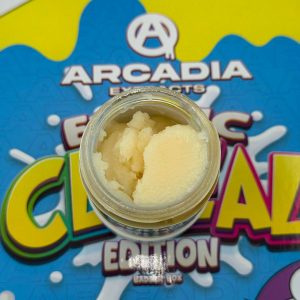
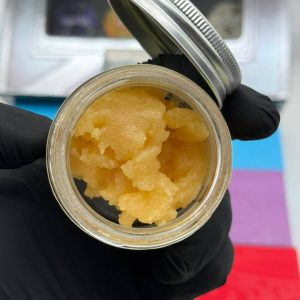
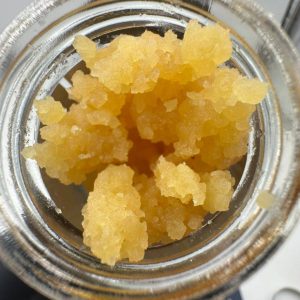
One of the most recognizable characteristics of live resin sugar is its texture. Rather than appearing as a smooth, uniform solid, the concentrate can contain small crystalline structures that create a sugar-like appearance. The color may vary as well. Depending on the source material and processing conditions, live resin sugar can range from pale yellow and golden shades to deeper amber tones. Therefore, color alone does not establish the quality, potency, or authenticity of a concentrate. Texture can also provide useful information about how the product has been handled. Temperature changes may affect consistency, while exposure to air or excessive heat can influence the physical characteristics over time. Because concentrates are sensitive to their surroundings, packaging and storage conditions can have an effect on the product. A concentrate that looks different from another batch is not necessarily defective. Instead, natural differences can occur during cultivation, extraction, refinement, and storage.Live Resin and Its Plant Profile
Live resin is generally associated with preserving characteristics of freshly harvested cannabis. The plant material is commonly frozen before extraction rather than undergoing the complete drying and curing process used for traditional flower. This distinction matters because drying and curing can change the concentration and composition of volatile compounds. By beginning with freshly preserved material, live resin production can maintain more of the aromatic components associated with the living plant. As a result, live resin concentrates are often discussed in connection with terpene-rich profiles. Terpenes are naturally occurring aromatic compounds found in cannabis and many other plants. They contribute to differences in scent and flavor across cannabis varieties. However, the exact profile depends on the plant material used and the extraction process. Therefore, two live resin products can have noticeably different aromas even when they belong to the same broad concentrate category.Terpenes and Aroma
Terpenes play an important role in the sensory characteristics of cannabis concentrates. They can contribute notes that range from citrus and fruit to herbs, flowers, spices, or earthy tones. Live resin is often valued for its aromatic complexity because fresh plant material is used during production. Nevertheless, the exact terpene profile should not be assumed without laboratory information or manufacturer documentation. A product label may identify particular terpenes or provide information about the source cultivar. In other cases, laboratory results may offer a more detailed breakdown of the compounds detected in the sample. Moreover, aroma can change over time. Heat, light, oxygen, and improper storage can gradually influence volatile compounds. Consequently, the way a concentrate is packaged and stored can affect its sensory characteristics.Potency and Cannabinoid Content
Cannabis concentrates can contain substantially higher cannabinoid concentrations than traditional cannabis flower. For this reason, product labels and laboratory testing are particularly important when evaluating a concentrate. Luminate Live Resin Sugar may contain cannabinoids such as THC, although the exact cannabinoid composition depends on the specific product and batch. Potency should not be estimated from appearance, color, texture, or aroma. Instead, the package label and applicable laboratory report provide the most reliable information about cannabinoid content. Results may include total THC, THCA, CBD, or other cannabinoids depending on the testing requirements in the relevant market. Additionally, laboratory results can provide information about contaminants and other quality-control measurements where testing is required. These details can help consumers understand what has actually been measured in a particular batch.Why Batch Information Matters
Cannabis products are agricultural products, so variation can occur naturally. The genetics of the plant, cultivation conditions, harvest timing, processing techniques, and storage environment can all influence the final concentrate. Consequently, a product description should not be treated as a substitute for batch-specific information. The same product name may be associated with different cannabinoid percentages, terpene profiles, or physical characteristics at different times. Packaging can therefore be an important source of information. Batch numbers, laboratory results, manufacturing dates, cannabinoid percentages, and ingredient information can provide a clearer picture of the specific product being examined.Processing Considerations
The production of live resin generally involves several stages. First, suitable cannabis material is harvested. Instead of being allowed to undergo conventional drying and curing, the material is commonly preserved at low temperatures. Next, extraction is performed using a suitable method. The resulting material may then undergo additional processing to develop its desired consistency. For live resin sugar, the final texture is one of the defining characteristics. Crystalline structures can develop during processing, producing the granular appearance associated with sugar-style concentrates. However, the exact manufacturing process can vary between producers. Therefore, it would be inaccurate to assume that every product labeled “live resin sugar” has been produced in exactly the same way.Storage and Stability
Concentrates can be affected by environmental conditions. Heat, light, oxygen, and moisture can influence both physical consistency and aromatic characteristics. Therefore, product packaging generally includes storage information when specific conditions are recommended. Following the manufacturer’s labeled storage guidance can help maintain the intended characteristics of the product. Changes in texture do not necessarily mean that a concentrate has become unusable. Nevertheless, unusual odors, visible contamination, damaged packaging, or other unexpected changes should be treated seriously. Products should also remain in their original, properly labeled packaging whenever possible. This helps preserve important information such as cannabinoid content, batch identification, testing information, and applicable warnings.Laboratory Testing
Laboratory testing provides information that cannot reliably be determined by visual inspection. A concentrate may look clear, golden, pale, or dark, yet none of these characteristics can establish its cannabinoid concentration. Testing can instead identify measured cannabinoid levels and, depending on local requirements, may also examine contaminants or other quality indicators. For that reason, consumers can benefit from reviewing available laboratory information before making assumptions about a concentrate. The results should correspond to the relevant batch whenever possible. Testing requirements also differ between jurisdictions. Therefore, a product available in one market may have different labeling or testing information from a similar product sold elsewhere.Responsible Product Information
Cannabis concentrates deserve careful consideration because their cannabinoid concentrations can be high. Product information should therefore remain clear and factual. Statements about specific effects should not be presented as guaranteed outcomes. Individual responses can vary based on factors such as tolerance, body chemistry, previous cannabis exposure, and the cannabinoid composition of the product. Furthermore, cannabis products can be subject to age restrictions and other legal requirements. Regulations differ between countries, states, provinces, and municipalities. The legal status of a particular concentrate should consequently be verified according to the applicable local rules.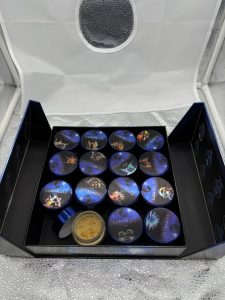
Packaging Details
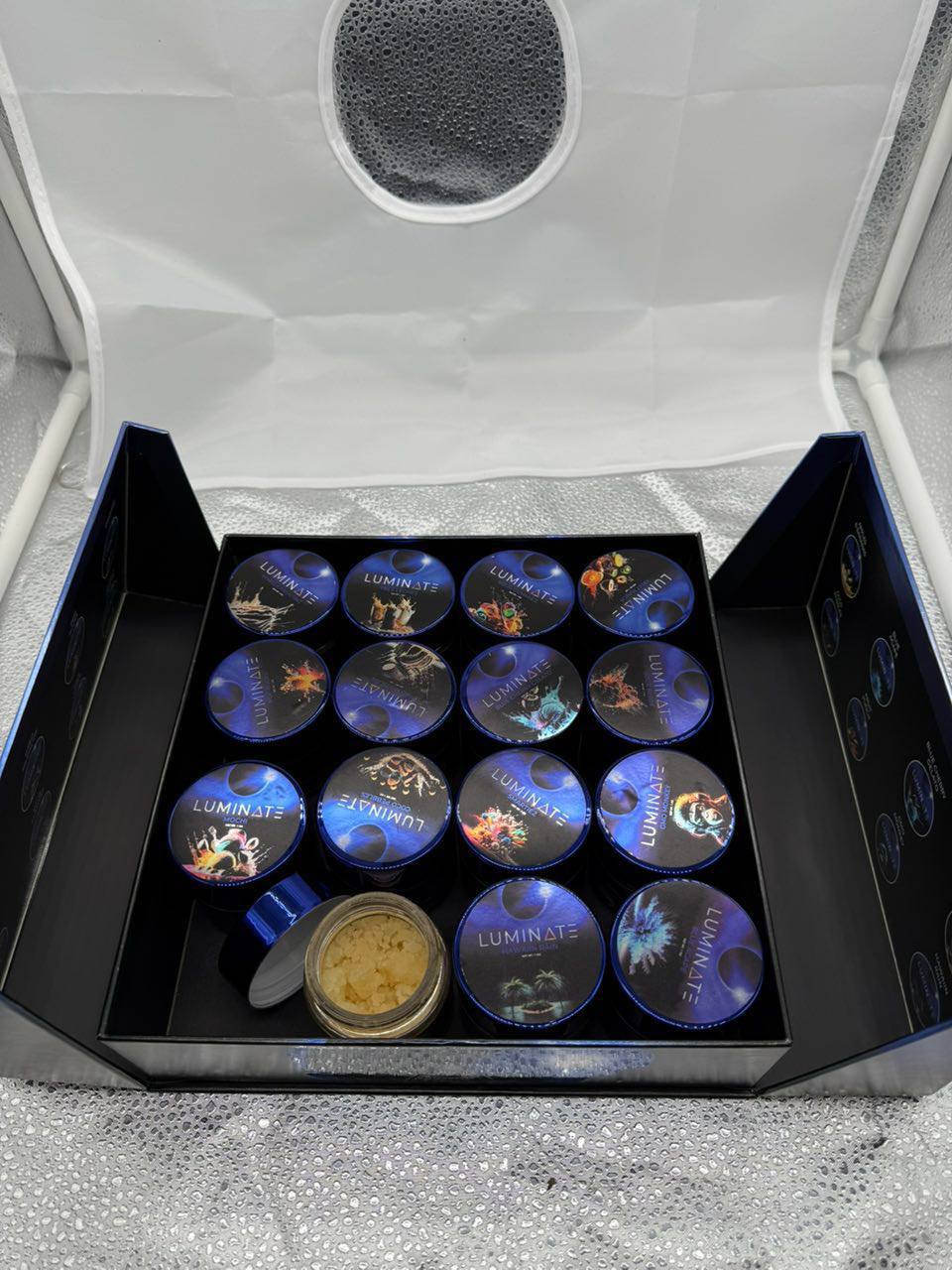
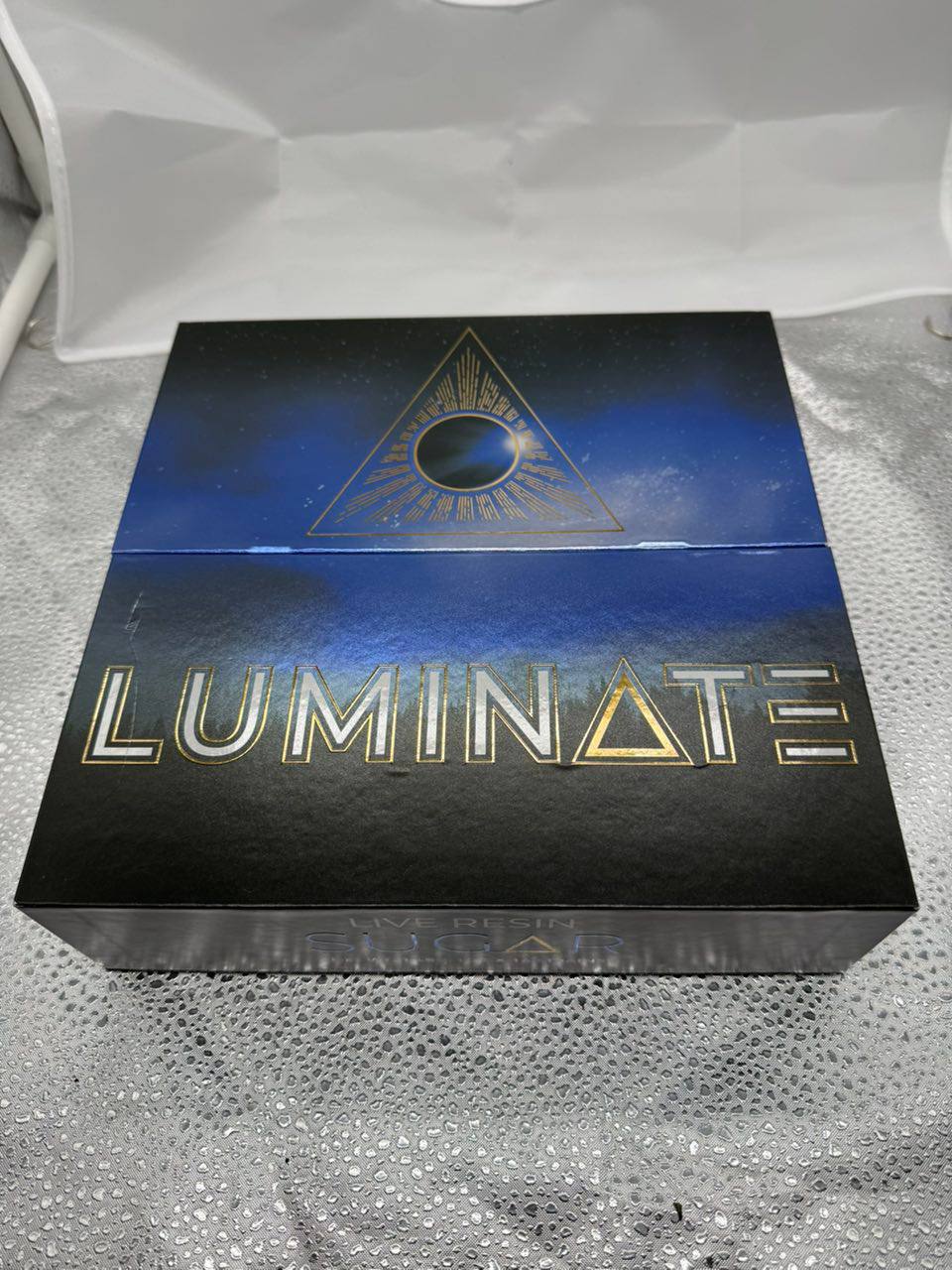
Packaging can provide several useful pieces of information about Luminate Live Resin Sugar. Depending on the market, a package may identify the product name, net weight, cannabinoid concentration, batch number, production information, ingredients, testing information, and required warnings. These details can be more useful than general product descriptions because they relate directly to the specific package. The net weight also provides an important distinction between product size and potency. A larger quantity does not automatically indicate a higher cannabinoid concentration, while a smaller quantity does not necessarily indicate lower potency. Instead, weight and cannabinoid percentages should be considered separately when interpreting product information.Differences Between Concentrate Types
Cannabis concentrates are available in many forms, including live resin, live rosin, badder, budder, wax, crumble, shatter, and sugar-style products. Although these categories can overlap in appearance or consistency, their production methods are not identical. Live resin generally involves solvent-based extraction from freshly preserved cannabis, while live rosin is produced through mechanical separation involving heat and pressure rather than traditional solvent extraction. Similarly, sugar refers primarily to a texture rather than a completely separate cannabinoid category. Consequently, product names can describe different aspects of a concentrate at the same time. “Live resin sugar,” for example, communicates both the broad extraction category and the physical consistency.Sensory Characteristics
The sensory experience of a concentrate can vary considerably. Aroma may range from sweet and fruity to earthy, herbal, citrus-like, floral, or spicy depending on the plant material and terpene composition. The texture may also influence how the concentrate appears when viewed in its container. Crystalline particles can create the characteristic sugar-like structure, while terpene content and temperature can influence whether those particles appear dry, sticky, or slightly wet. These characteristics are descriptive rather than definitive. Appearance and aroma cannot establish laboratory potency, purity, or safety.Product Quality Considerations
Quality is best evaluated using multiple forms of information rather than a single visual characteristic. First, clear labeling can help identify the product and its batch. Second, laboratory testing can provide measurable cannabinoid information. Third, intact packaging can reduce concerns about contamination or improper handling. Finally, appropriate storage can help preserve the product’s physical and aromatic characteristics. Therefore, a responsible product overview should focus on verifiable information instead of unsupported claims. A particularly strong source of information is batch-specific laboratory documentation when it is available. Such documentation can provide details that a general product description cannot.Luminate Live Resin Sugar Overview
Luminate Live Resin Sugar can be described as a cannabis concentrate featuring a granular, crystalline consistency associated with sugar-style extracts. Its live resin classification generally refers to the use of freshly preserved cannabis material during extraction. The product’s appearance may feature golden, yellow, or amber tones, although exact coloration can vary. Similarly, its aroma depends on the source plant and its naturally occurring terpene composition. The cannabinoid concentration should be determined from the product’s current label or applicable laboratory documentation rather than from general descriptions. Because cannabis concentrates can differ between batches, the most accurate product information comes from the packaging and testing documentation associated with the particular unit. Luminate Live Resin Sugar represents a concentrate category distinguished by its live-resin production approach and sugar-like physical consistency. Its crystalline texture, concentrated cannabinoid content, and potentially complex aromatic profile distinguish it from conventional cannabis flower. At the same time, product characteristics can vary according to cultivation, extraction, processing, storage, and batch conditions. Therefore, the product label remains the most reliable source for exact potency, ingredients, testing information, and applicable warnings. For anyone researching cannabis concentrates, understanding these differences provides useful context. Live resin describes the relationship between the extraction process and freshly preserved plant material, while sugar primarily describes the final texture. Ultimately, the most meaningful product information comes from verified laboratory results, accurate labeling, and batch-specific documentation. These details provide a clearer understanding of what a particular Luminate Live Resin Sugar product contains than appearance or general descriptions alone.Understanding the Characteristics of Luminate Live Resin Sugar
Fresh Cannabis Material and Live Resin
One of the defining ideas behind live resin is the preservation of freshly harvested cannabis. Traditional cannabis flower generally goes through drying and curing before it reaches its final form. Live resin follows a different path, as the plant material is commonly preserved at low temperatures shortly after harvest. This difference can influence the compounds that remain present during extraction. In particular, volatile aromatic compounds can be sensitive to environmental conditions. Therefore, preserving the plant material quickly can help maintain characteristics that might otherwise change during conventional drying and curing. The resulting concentrate can have a more pronounced plant-derived aroma. However, the exact character depends heavily on the genetics of the cannabis used. Different cultivars naturally contain different combinations of cannabinoids and terpenes, so the final product can vary substantially. For Luminate Live Resin Sugar, these characteristics are expressed through both its texture and its aromatic profile. Consequently, the product is better understood as a combination of extraction style, source material, and final consistency rather than simply as a particular type of cannabis.The Meaning Behind the Sugar Texture
The word “sugar” can sometimes create confusion because it describes the physical appearance rather than an added ingredient. Live resin sugar is not defined by ordinary table sugar being included in the concentrate. Instead, the concentrate develops a granular or crystalline structure. Depending on the batch, the material may look similar to tiny wet crystals or soft grains. Some samples can appear more separated, while others may have a somewhat sticky consistency. Temperature can influence this appearance. A concentrate may become firmer in cooler conditions and softer when exposed to warmth. Likewise, the amount of naturally occurring compounds within the concentrate can influence its consistency. Because of these variables, appearance should not be used as a substitute for laboratory testing. A golden color or crystalline texture may be visually distinctive, but it cannot establish potency or purity by itself.Terpene Preservation
Terpenes are among the compounds that contribute to the distinctive aromas found in cannabis. They are also found throughout nature, including in fruits, herbs, flowers, trees, and spices. Within cannabis, terpenes can contribute citrus, pine, floral, fruity, earthy, herbal, or spicy characteristics. The balance between these compounds can differ significantly from one cultivar to another. Live resin processing is often associated with the preservation of these aromatic compounds because fresh cannabis material is used before extensive drying and curing occurs. Nevertheless, terpene preservation is influenced by numerous factors. The plant genetics matter first. Harvest timing matters as well. Extraction conditions, processing, packaging, and storage can also influence the final aromatic profile. As a result, Luminate Live Resin Sugar may have a distinctive scent profile that reflects its source material. The precise characteristics, however, are best identified through batch-specific product information.Cannabinoids in Concentrated Products
Cannabinoids are naturally occurring compounds produced by the cannabis plant. THC and CBD are among the most widely recognized, although cannabis contains many additional cannabinoids. Concentrates are designed to contain a more concentrated portion of cannabis compounds than traditional flower. Therefore, cannabinoid percentages can be considerably different between flower and concentrate products. This is one reason accurate labeling matters. A general description cannot establish the exact concentration of cannabinoids in an individual package. For Luminate Live Resin Sugar, the current product label and laboratory documentation should be considered the authoritative sources for cannabinoid information. Testing may provide figures for THC, THCA, CBD, or other cannabinoids depending on the product and regulatory requirements. The distinction between THC and THCA is also important. THCA is a naturally occurring cannabinoid acid that can be converted into THC through heat. Laboratory reports may list these compounds separately or provide a calculated total.Why Product Labels Matter
A product label can contain information that is more specific than any general description. It may identify the manufacturer, product name, net weight, cannabinoid content, batch number, testing information, and required warnings. Batch identification is especially useful because cannabis products can vary over time. A particular production run may have a different cannabinoid percentage or terpene profile from another run carrying the same product name. Therefore, the package associated with a specific unit should take priority over generalized online information. In addition, labeling requirements can vary according to location. Some markets require detailed laboratory information, while others may have different standards for cannabis products.Understanding Concentration
Concentration refers to how much of a particular compound is present within a given amount of material. With cannabis concentrates, this measurement is particularly relevant because the product may contain a much higher proportion of cannabinoids than ordinary flower. However, concentration and total quantity are not the same thing. For example, a container can have a certain net weight while also carrying a separate cannabinoid percentage. These measurements provide different pieces of information. The net weight describes how much material is present. Meanwhile, the cannabinoid percentage indicates how much of the tested material consists of particular cannabinoids. Both pieces of information can therefore be useful when examining a cannabis concentrate.Color and Visual Appearance
Luminate Live Resin Sugar may display shades associated with many cannabis concentrates, including light yellow, golden, honey-like, or amber tones. Nevertheless, the appearance can differ between batches. Plant genetics, extraction conditions, processing, and storage can all contribute to differences in color. A lighter shade does not automatically indicate higher quality, nor does a darker shade automatically indicate a lower-quality product. Visual appearance can offer useful descriptive information, but it cannot replace laboratory analysis. The same principle applies to texture. Crystalline structures are characteristic of sugar-style concentrates, yet the size, shape, and moisture level of those structures can differ.Aroma as a Product Characteristic
Aroma is often one of the first characteristics noticed when discussing live resin concentrates. The scent can reflect the terpene composition of the source cannabis. Some batches may have fruit-forward characteristics, while others can present herbal, earthy, citrus, floral, or spicy notes. A complex aroma may include several characteristics simultaneously. The strength of the aroma can also change over time. Volatile compounds may be affected by exposure to air, light, heat, and other environmental conditions. Consequently, appropriate packaging and storage can be important for maintaining the original aromatic characteristics.Storage Conditions and Product Changes
Cannabis concentrates can be sensitive to temperature and environmental exposure. Heat may soften the texture, while cooler conditions can cause the material to become firmer. Light and oxygen can also affect certain compounds over time. For this reason, product packaging is generally designed to limit unnecessary environmental exposure. A concentrate that changes texture does not necessarily have a problem. Natural changes can occur as temperature shifts. However, unusual contamination, damaged packaging, unexpected odors, or other significant changes can warrant caution. The manufacturer's storage information should therefore be considered the primary reference for the specific product.Comparing Live Resin Sugar With Other Concentrates
Cannabis concentrates come in several forms, and the differences can sometimes be confusing. Live resin sugar is primarily identified through two characteristics: the use of freshly preserved cannabis material in live-resin production and the granular consistency associated with sugar-style concentrates. Badder or budder typically has a softer, creamier appearance. Crumble tends to have a more fragile and dry texture. Shatter is often associated with a solid, glass-like structure. Rosin is produced through a solventless process involving heat and pressure. Although these products can contain similar cannabinoids, their textures and production methods can differ significantly. Therefore, concentrate names are useful for describing broad product categories, but laboratory documentation remains necessary when exact composition is important.Live Resin Versus Live Rosin
Live resin and live rosin are sometimes confused because both can begin with freshly preserved cannabis. The primary distinction concerns extraction. Live resin is commonly associated with solvent-based extraction methods, whereas live rosin is produced without traditional extraction solvents. Instead, mechanical pressure and heat are used to separate desired compounds from the plant material. Both categories can be associated with strong aromatic characteristics. However, their production methods are different, and the final products can have different textures and compositions. Understanding this distinction can make cannabis concentrate terminology easier to interpret.Product Consistency
Consistency is another characteristic that can vary naturally. A sugar-style concentrate can be relatively loose and granular or somewhat more cohesive and sticky. Changes in temperature can influence how easily the crystals separate. Additionally, terpene content can contribute to a softer or more fluid appearance. Therefore, two packages from different batches may not look exactly the same while still belonging to the same product category. Texture should consequently be viewed as a descriptive characteristic rather than a definitive measure of product quality.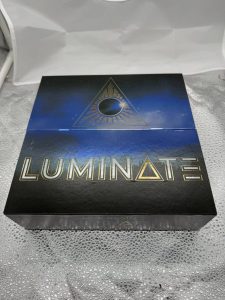
Reviews
There are no reviews yet.