Description
Goldiez Luxury Sugar: Product Overview
Introduction
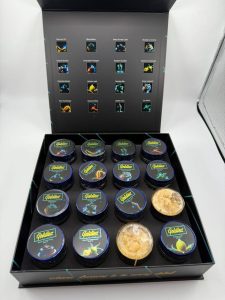
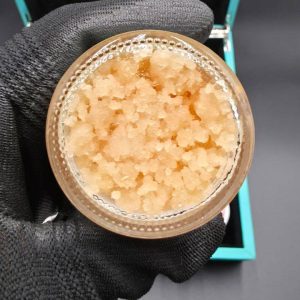
Goldiez Luxury Sugar is a cannabis concentrate presented in a granular
, sugar-like texture
. Concentrates in this category are generally recognized for their dense cannabinoid content and aromatic character. The name “sugar” refers primarily to the consistency and appearance of the concentrate rather than to ordinary edible sugar
.
Its texture can resemble small crystalline grains, while its color may range from pale gold to deeper amber depending on the formulation, extraction process, and storage conditions. Because concentrate characteristics can vary between batches, the exact appearance, aroma, cannabinoid profile, and potency should be confirmed from the product packaging or an applicable laboratory report.
Texture and Appearance
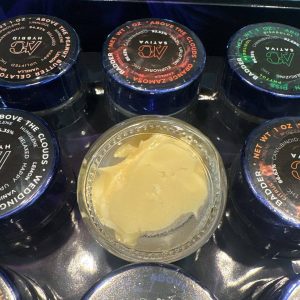
The defining feature of this type of concentrate is its sugar-like consistency. Instead of appearing as a completely solid slab, the material can have a loose, grainy structure that separates into small pieces. This appearance is often associated with concentrates that retain a noticeable amount of aromatic compounds.
The color may provide a visual indication of the concentrate's general character, although color alone cannot establish potency, purity, or quality. In addition, lighting and storage conditions can affect how the product looks.
A properly labeled package should provide more useful information than appearance alone. For example, cannabinoid percentages, batch information, testing details, ingredients where applicable, and production information can help establish a clearer understanding of the product.
Aroma and Flavor Characteristics
A concentrate's aroma is influenced by its cannabinoid and terpene composition. Terpenes are naturally occurring aromatic compounds found in cannabis and many other plants. They contribute to differences in scent and flavor between cultivars and formulations.
Depending on the specific batch, the aromatic profile may include sweet, fruity, herbal, earthy, citrus-like, or other recognizable notes. However, these characteristics should not be assumed solely from the product name. The actual profile can differ according to the source material, extraction method, formulation, and storage conditions.
Likewise, flavor descriptions are best treated as general sensory observations rather than guarantees. Individual perception can vary considerably, so two people may describe the same aroma in different ways.
Cannabinoid Profile
Cannabinoids are chemical compounds naturally associated with cannabis. THC and CBD are among the best-known cannabinoids, although cannabis can contain many others.
The cannabinoid content of a concentrate can be substantially higher than that of ordinary cannabis flower. For that reason, potency information is particularly important when evaluating concentrated products.
The exact cannabinoid profile of this product should be determined from its current packaging and laboratory documentation rather than from general descriptions found online. Batch-specific testing provides more reliable information about cannabinoid concentrations and the presence of other tested compounds.
Why Laboratory Information Matters
Laboratory testing can provide information that cannot be determined through appearance, aroma, or texture alone. Depending on the applicable testing requirements, a certificate of analysis may include cannabinoid concentrations and screening for certain contaminants.
Testing may also provide batch identification and other quality-control information. Therefore, a current certificate of analysis can be useful when verifying the contents of a concentrate.
In addition, regulations surrounding cannabis products vary significantly by location. A product that is permitted in one jurisdiction may be restricted or prohibited in another. Packaging and labeling requirements can also differ.
Storage Characteristics
Concentrates can be sensitive to environmental conditions. Heat, light, oxygen, and excessive exposure to air may influence texture, aroma, and overall stability over time.
A secure container can help reduce unnecessary exposure to these conditions. Storage recommendations should always follow the manufacturer's labeling and the applicable local requirements.
Temperature can also affect consistency. A concentrate may become softer when exposed to warmth and firmer when kept in cooler conditions. These changes do not necessarily indicate a change in identity, although unusual changes in appearance, odor, or packaging should be evaluated carefully.
Packaging and Labeling
Clear labeling is an important part of responsible cannabis-product identification. Depending on the jurisdiction, packaging may identify the manufacturer or producer, batch number, cannabinoid content, testing information, net weight, and relevant warnings.
Packaging can also help distinguish between products with similar names. Since cannabis products are sometimes released in multiple versions, relying only on a product title may result in confusion.
The most reliable product information is therefore the information attached to the specific package and batch. Online descriptions can provide general context, but they should not replace official labeling or laboratory documentation.
Product Consistency
The sugar-style texture distinguishes this concentrate from several other concentrate formats. Other products may have a more solid, creamy, glass-like, or liquid consistency.
However, consistency can naturally change with temperature and storage. A product that appears relatively firm in one environment may become softer in another. Likewise, small changes in texture can occur over time.
For this reason, texture is useful for describing the physical presentation, but it should not be used as a standalone measurement of potency or purity.
Understanding Concentrates
Cannabis concentrates are products in which cannabinoids and other cannabis compounds are present at higher concentrations than in traditional plant material. Their concentrated nature means that product labels become especially important.
The effects associated with cannabis products can vary according to cannabinoid content, individual sensitivity, previous exposure, and other factors. Consequently, descriptions of aroma or texture should not be interpreted as predictions of a person's experience.
In addition, combining cannabis with alcohol, medications, or other substances can create additional risks. Individual circumstances can also influence how cannabis affects someone.
Responsible Product Information
A clear product description should separate observable characteristics from claims that require laboratory confirmation. Texture, color, and general aroma can be described visually or sensorially. Potency, cannabinoid percentages, and contaminant results require appropriate testing or official documentation.
This distinction helps create more accurate product information. It also reduces the risk of presenting assumptions as established facts.
Furthermore, responsible descriptions avoid promising specific physical or psychological outcomes. Cannabis affects individuals differently, and no general product description can guarantee a particular experience.
Legal and Regulatory Considerations
Cannabis regulations differ between countries, states, provinces, and municipalities. Requirements may cover production, possession, distribution, labeling, packaging, testing, and age restrictions.
Therefore, the legal status of a particular cannabis concentrate should be checked according to the jurisdiction where the product is located. Online availability does not necessarily establish legality.
Consumers and businesses should rely on applicable government regulations and official product documentation when determining whether a product can legally be possessed, transferred, or sold.
Quality Indicators
Several forms of documentation can help provide a clearer picture of a concentrate. A legitimate batch identifier, appropriate packaging, clear cannabinoid information, and relevant laboratory documentation are among the most useful indicators.
Appearance can still be relevant, but it has limitations. A golden color, granular texture, or strong aroma cannot independently prove that a product is authentic or accurately labeled.
Similarly, branding and packaging design should not be treated as substitutes for testing information. Objective documentation provides a stronger basis for evaluating a cannabis product.
Batch-to-Batch Differences
Natural agricultural products can vary between harvests and production batches. Differences in plant material, processing conditions, cannabinoid concentrations, terpene composition, and storage can all contribute to variation.
As a result, two packages carrying the same product name may not necessarily have identical characteristics. Batch-specific laboratory information is therefore especially valuable.
This is also why broad claims about potency or flavor should be treated cautiously unless they are supported by current product documentation.

Overall Product Profile
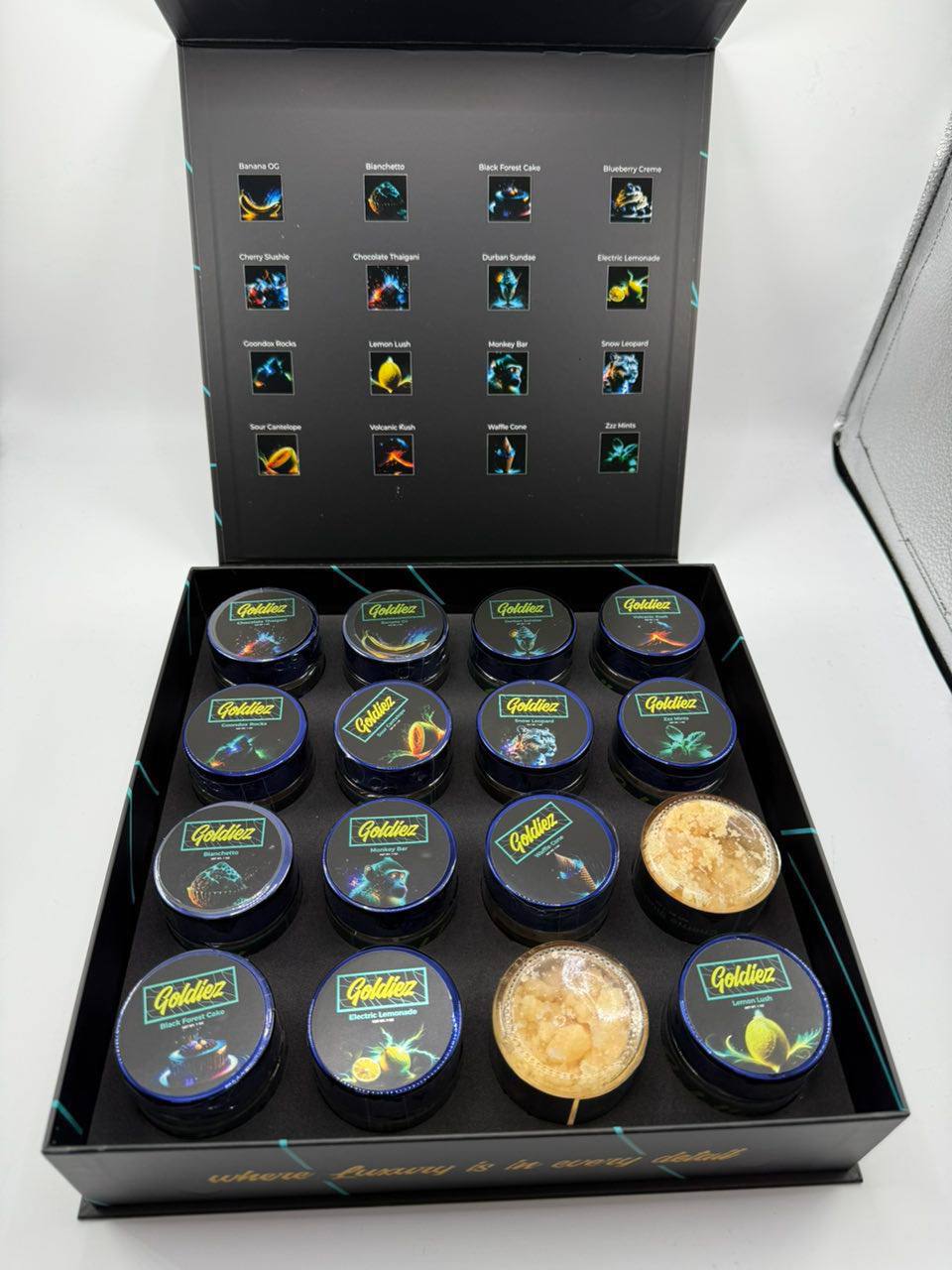
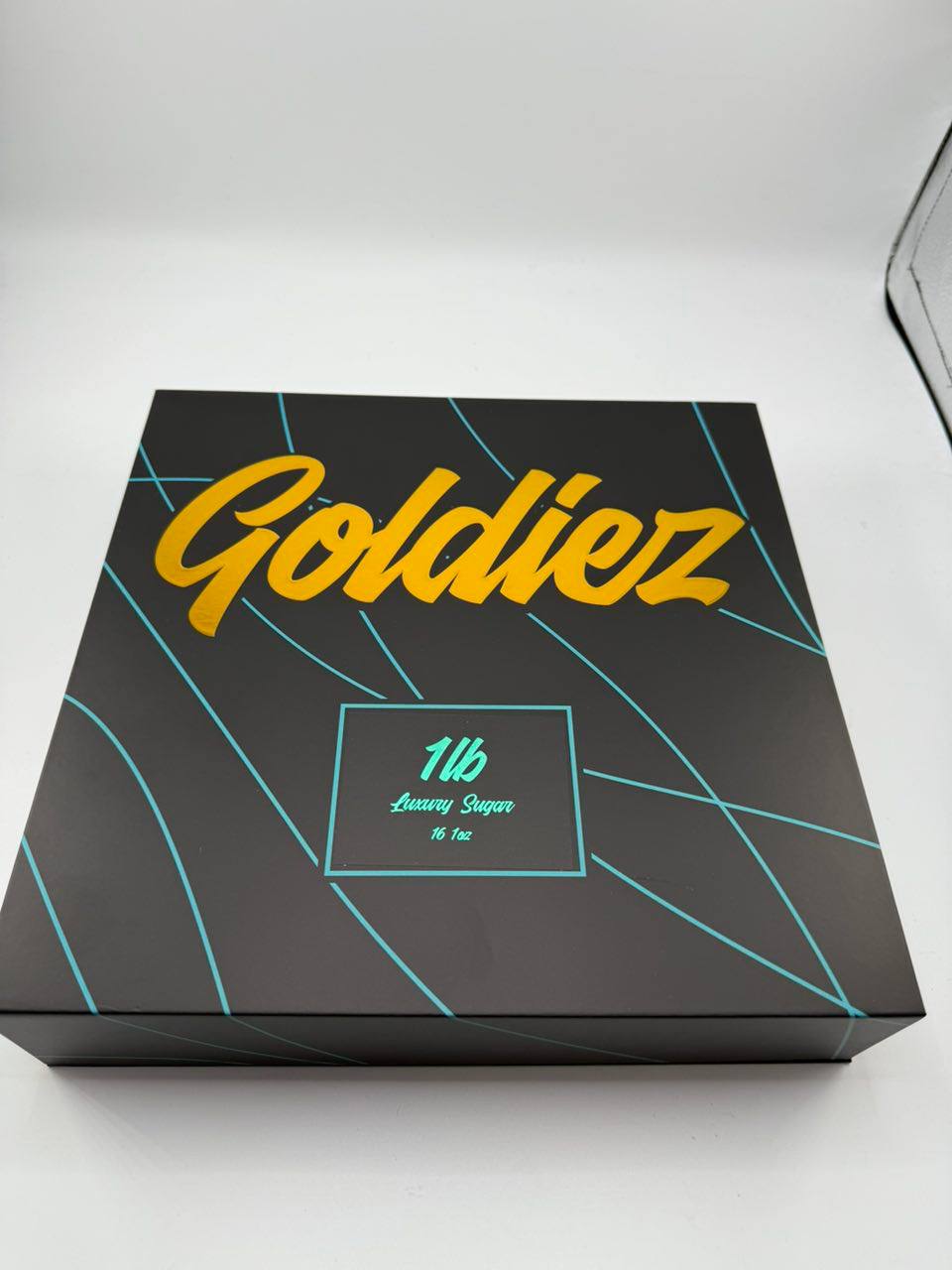
Goldiez Luxury Sugar can be described as a cannabis concentrate with a loose, granular consistency and a visual appearance commonly associated with sugar-style extracts. Its specific color, aroma, cannabinoid content, and other characteristics depend on the individual formulation and batch.
The product's most useful identifying information comes from its official label and corresponding testing documentation. Those sources can provide details that cannot be established through general descriptions alone.
From a product-information perspective, the concentrate's texture is one of its most noticeable characteristics. Its sugar-like structure differentiates it visually from more uniform concentrate formats.
At the same time, physical appearance should remain only one part of the overall evaluation. Laboratory results, packaging information, batch identification, and applicable regulatory requirements provide a more complete picture.
Goldiez Luxury Sugar represents a sugar-textured cannabis concentrate whose characteristics can vary according to formulation, production, and storage conditions. The product's appearance may offer useful descriptive information, while official labeling provides the more important details concerning cannabinoid content, batch identification, and testing.
Because concentrated cannabis products can contain relatively high cannabinoid levels, accurate product information is particularly important. Current laboratory documentation and official packaging remain the best references for determining the specific contents of an individual package.
Ultimately, responsible product information focuses on verifiable characteristics rather than unsupported claims. Texture, color, aroma, cannabinoid composition, testing documentation, and regulatory information can all contribute to a clearer understanding of the product without assuming that every batch or individual experience will be identical.
Additional Product Information
Physical Characteristics
The physical structure of a cannabis sugar concentrate can be one of its most recognizable features. Unlike products that maintain a single smooth or solid form, sugar-style concentrates often contain small crystalline or grain-like pieces. These pieces can appear loosely packed within the container and may shift when the package is moved.
The consistency can also vary from batch to batch. Some preparations may appear relatively dry and granular, while others can have a slightly softer or more cohesive appearance. Temperature is one factor that may influence these differences. Warmer conditions can make concentrates softer, whereas cooler conditions can produce a firmer texture.
Because of this natural variation, texture alone should not be considered proof of authenticity or potency. Laboratory testing remains the more dependable source for measurable product information.
Color and Visual Presentation
The visual appearance of a concentrate may range from light yellow to golden, amber, or other shades. These differences can be influenced by the source material, extraction process, refinement, and storage conditions.
A golden appearance is commonly associated with many concentrate formats, but color should not be interpreted as a direct indicator of strength. Two products with similar colors can have substantially different cannabinoid profiles.
Lighting can also change the way a product appears. Natural light, artificial light, photography, and the color of the container can all influence visual perception. Consequently, online photographs may not perfectly represent the physical appearance of an individual package.
Terpenes and Aromatic Compounds
Terpenes contribute significantly to the aroma associated with cannabis products. These naturally occurring compounds can produce a broad range of scents, from citrus and fruit to herbs, flowers, pine, earth, or spice.
The terpene profile of a particular batch depends on the plant material and production process. Some compounds may also be reduced during processing or storage. Therefore, the aroma of a freshly produced batch may not remain completely unchanged throughout its shelf life.
A product's packaging or laboratory documentation may identify specific terpene information when such testing is provided. This information is more reliable than assuming a profile from color or appearance.
Cannabinoids Beyond THC
Although THC is frequently the primary cannabinoid discussed in concentrated cannabis products, it is not the only compound that may be present. Depending on the source material and processing method, other cannabinoids can also occur.
CBD, CBG, CBC, and additional minor cannabinoids may appear in laboratory results. Their concentrations can differ substantially between batches.
A complete certificate of analysis can therefore provide a broader picture of the cannabinoid composition. This information may be especially useful when comparing products that appear similar physically.
Importance of Accurate Potency Information
Concentrated cannabis products can contain considerably higher cannabinoid concentrations than traditional flower. Consequently, accurate potency information has particular importance.
The stated percentage or amount should come from the applicable product testing rather than assumptions based on brand reputation or visual characteristics. Packaging may also identify the total cannabinoid amount alongside concentration percentages.
Individual responses to cannabinoids can differ significantly. Previous exposure, personal sensitivity, the presence of other substances, and numerous individual factors may influence the resulting experience. For that reason, potency figures describe the product rather than guaranteeing a particular effect.
Extraction and Processing
Cannabis concentrates are produced through specialized extraction and processing methods. Different techniques can produce different textures, colors, aromas, and cannabinoid profiles.
The exact production method for a particular product should be confirmed through manufacturer information rather than assumed from its name. Terms such as sugar, sauce, badder, crumble, and resin generally describe physical or processing characteristics, although terminology can vary across producers.
Processing can also influence the preservation of aromatic compounds. As a result, two concentrates made from different source materials may have noticeably different sensory profiles even when they share a similar texture.
Storage and Stability
Proper storage can help preserve the physical and aromatic characteristics of a concentrate. Excessive heat may soften the material, while prolonged exposure to air can affect certain compounds over time.
Light exposure is another consideration. A closed, appropriately labeled container can reduce unnecessary exposure to environmental conditions.
Storage instructions provided on the original packaging should take priority because manufacturers may specify conditions appropriate for their particular formulation.
Unusual changes should also be considered carefully. Major shifts in odor, appearance, packaging condition, or consistency may warrant checking the product documentation or contacting the appropriate manufacturer or retailer.
Packaging Integrity
The condition of the packaging provides useful information about product handling. A properly sealed container helps protect the contents from environmental exposure and contamination.
Labels should remain legible and should include the information required by the applicable jurisdiction. Depending on local rules, this may include batch identification, cannabinoid information, warnings, testing details, manufacturing information, and net quantity.
Damaged, missing, or unclear labeling can make it more difficult to verify product information. Therefore, packaging integrity and documentation are important parts of responsible product identification.
Product Identification
Products within the same brand family may have different formulations, sizes, or production batches. Similar names can sometimes create confusion, particularly when multiple versions are available.
The product name should therefore be considered alongside the package size, batch number, labeling, and laboratory information. These details can help distinguish one formulation from another.
Online descriptions may provide general background, but the physical package remains the more appropriate reference for the exact product in question.
Sensory Variation
Aroma, flavor, texture, and appearance are all sensory characteristics that can vary naturally. Individual perception also plays a role in how these characteristics are described.
For example, one person may describe an aroma as sweet and fruity, while another may notice stronger herbal or earthy notes. Neither description necessarily establishes an objective chemical profile.
Laboratory testing can provide measurable information about cannabinoids and, where available, terpenes. Sensory descriptions are best understood as complementary information rather than laboratory substitutes.
Product Documentation
Good documentation allows a product to be evaluated using information beyond its appearance. A certificate of analysis can provide batch-specific results, while the package label can establish product identity and required warnings.
These documents are particularly useful when products are purchased through regulated channels. They can also help distinguish between general marketing descriptions and information that has been independently tested.
Documentation should correspond to the specific batch whenever possible. Results from an unrelated batch should not automatically be applied to another package.
Responsible Handling
Cannabis concentrates should be treated as highly concentrated products. Their storage and handling should account for the possibility of accidental access, particularly in environments where children or pets may be present.
A secure storage location can reduce unnecessary exposure. Original packaging should generally be retained when it contains important identification or safety information.
Local regulations may also establish specific requirements concerning possession, transportation, packaging, and storage. Those requirements vary by jurisdiction and should be reviewed separately.
Legal Differences Between Jurisdictions
Cannabis laws are not uniform worldwide. Some jurisdictions permit certain cannabis products under regulated systems, while others prohibit them entirely or impose significant restrictions.
Even within countries where cannabis is permitted, rules can differ between regions. Product limits, testing standards, packaging requirements, age restrictions, and possession rules may all vary.
Consequently, information about the product itself should be separated from assumptions about its legal status. The applicable local authority remains the appropriate source for determining current legal requirements.
Comparing Concentrate Formats
Cannabis concentrates can be presented in several different physical formats. Sugar-style concentrates are generally recognized by their granular appearance, while other formats may be smoother, more solid, more liquid, or more crumbly.
These differences primarily describe physical characteristics and processing styles. They do not automatically establish that one format is stronger, purer, or safer than another.
A meaningful comparison should instead consider laboratory results, cannabinoid composition, testing information, batch identification, and storage history.
Quality Assessment
A thorough assessment involves more than looking at color or texture. Product documentation provides measurable information, while packaging helps establish identity and traceability.
The absence of unusual contaminants is particularly important for concentrated products because extraction can increase the concentration of both desired compounds and, depending on production practices, unwanted substances. Appropriate testing can help identify certain contaminants.
For this reason, laboratory results are a central part of responsible product evaluation.
Authenticity and Verification
Brand names and package designs can sometimes be reproduced or misrepresented. Visual similarity alone therefore does not establish authenticity.
Where available, batch numbers, manufacturer information, QR-linked laboratory reports, security features, and official documentation may provide stronger verification methods.
Any verification system should be checked against the manufacturer's current information or the applicable regulated source. If information does not match, the discrepancy should not be ignored.
Shelf-Life Considerations
The characteristics of cannabis concentrates can change over time. Aroma may become less pronounced, texture may shift, and exposure to environmental conditions can influence the overall appearance.
The speed of these changes depends on factors such as formulation, container quality, temperature, light exposure, and air exposure.
A product's expiration or recommended-use information, when provided, should be followed. If no such information is available, the original manufacturer or applicable regulatory source may provide additional guidance.
Why Product Descriptions Should Remain Accurate
An effective product description should provide useful information without presenting assumptions as facts. Statements concerning potency, ingredients, laboratory results, or expected effects should be supported by appropriate documentation.
This approach is particularly important for cannabis products because formulations and regulations can change. A description written for one batch may not accurately represent another.
Clear language also helps readers distinguish between physical observations and verified laboratory information. That distinction makes the overall description more useful and less misleading.
Final Perspective
Goldiez Luxury Sugar is best understood through a combination of physical characteristics and verified product information. Its sugar-like texture provides a distinctive visual and structural identity, while its precise cannabinoid and terpene profile depends on the individual formulation and batch.
Appearance can offer useful descriptive context, but it cannot establish potency, purity, or authenticity on its own. Instead, laboratory documentation and accurate packaging provide the strongest foundation for understanding what a particular package contains.
Likewise, storage conditions can influence texture and aroma over time. Keeping the product appropriately contained and following the information supplied with the package can help preserve its documented characteristics.
Overall, a responsible description focuses on measurable information, clear terminology, and realistic statements about natural variation. This creates a more useful reference for readers while avoiding unsupported promises about potency, quality, or individual effects.
Reviews
There are no reviews yet.