Description
Boutiq 510 Carts V1: Product Overview
Introduction
The
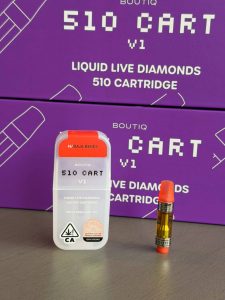
Boutiq 510 Carts V1 is a cartridge format designed around the widely used 510-thread connection. Its compact construction makes it recognizable as a portable vaporizer cartridge
, while its standardized threading allows compatibility with many corresponding 510 battery devices
.
Rather than relying on a bulky design, this format focuses on a small and practical profile. The cartridge can be carried easily and stored without taking up much space. At the same time, its familiar connection system gives it a straightforward place within the broader category of 510-compatible vaporizer hardware.
Product details can vary depending on the specific batch, formulation, and market in which a cartridge is distributed. Therefore, packaging information remains the most reliable source for confirming contents, ingredients, potency, laboratory information, and other specifications.
Design and Construction
The V1 cartridge follows the compact structure commonly associated with 510 cartridges. A threaded base connects the cartridge to a compatible battery, while the internal chamber contains the material intended for vaporization.
Its smaller form contributes to portability. Consequently, it can fit comfortably alongside other everyday items when stored appropriately. The overall structure also keeps the main components together in a single compact unit.
Materials and component specifications may differ between versions. Because of that, the exact construction should be confirmed through the manufacturer's packaging or accompanying documentation rather than assumed from the product name alone.
510 Compatibility
One of the defining characteristics of this format is its 510 connection. The 510 standard has become widely recognized across the vaporizer industry, particularly for cartridge-and-battery combinations.
A compatible battery provides the power required to heat the cartridge's internal element. When the system is activated, the heating component warms the contents and produces an inhalable aerosol.
However, compatibility should not be assumed solely because a device uses a 510-style connection. Battery output, airflow design, cartridge specifications, and manufacturer recommendations can all affect whether two components work appropriately together.
Portable Format
Portability is an important feature of compact cartridges. The smaller dimensions allow the product to occupy less room than many larger vaporizer systems. As a result, the format can be convenient for storage and transportation where legally permitted.
The compact profile also reduces the number of separate components involved in the basic cartridge setup. A compatible battery and cartridge form the primary hardware combination, while the cartridge itself houses the material and heating components.
Nevertheless, proper storage remains important. Excessive heat, direct sunlight, moisture, and physical pressure may affect cartridge condition over time.
Appearance
The appearance of a cartridge can depend on the particular production run and packaging configuration. Branding, labeling, hardware finishes, mouthpiece design, and other visual details may vary.
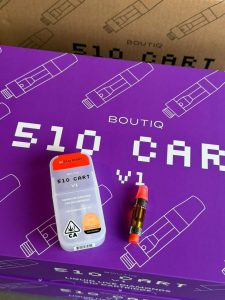
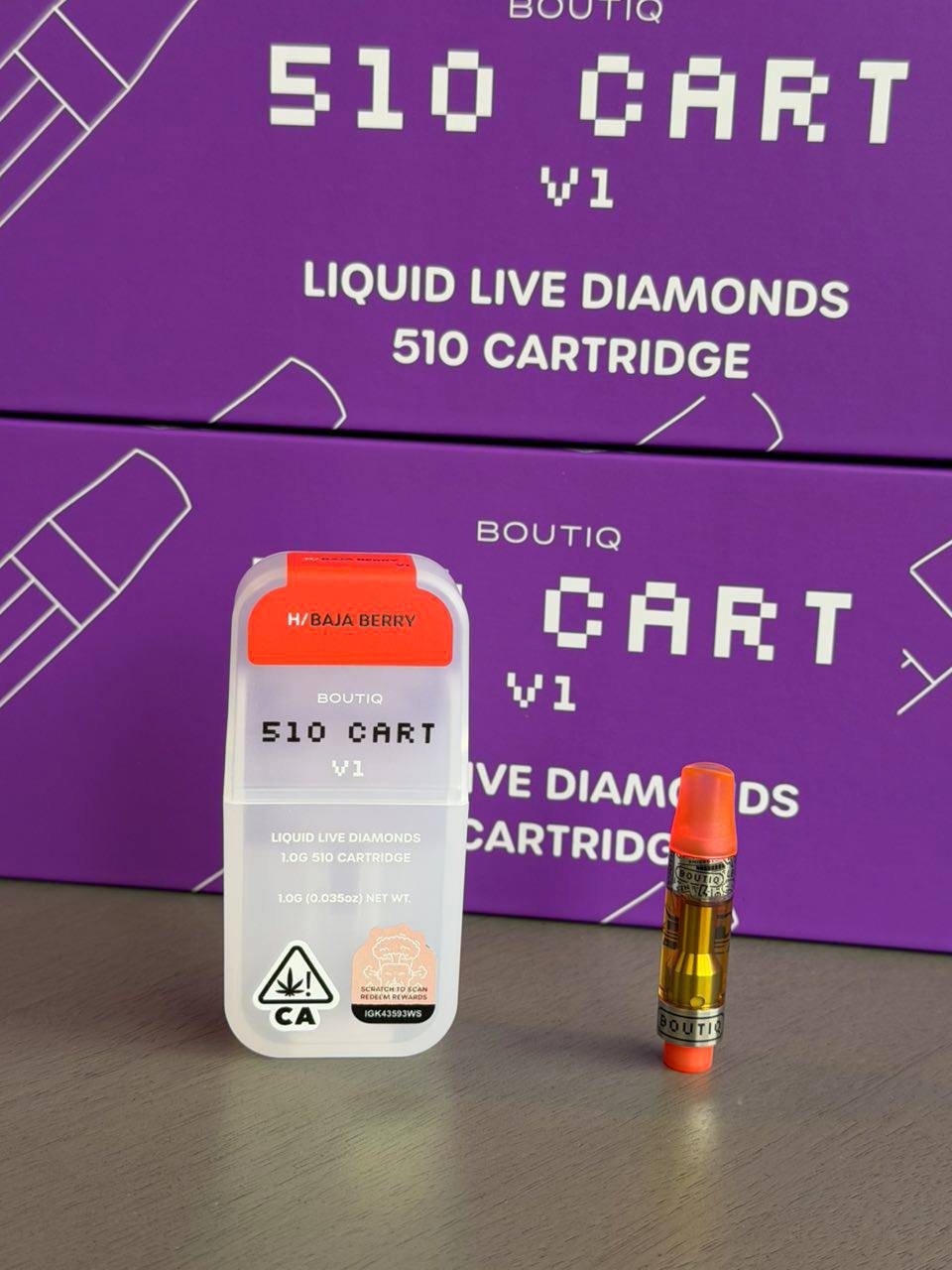
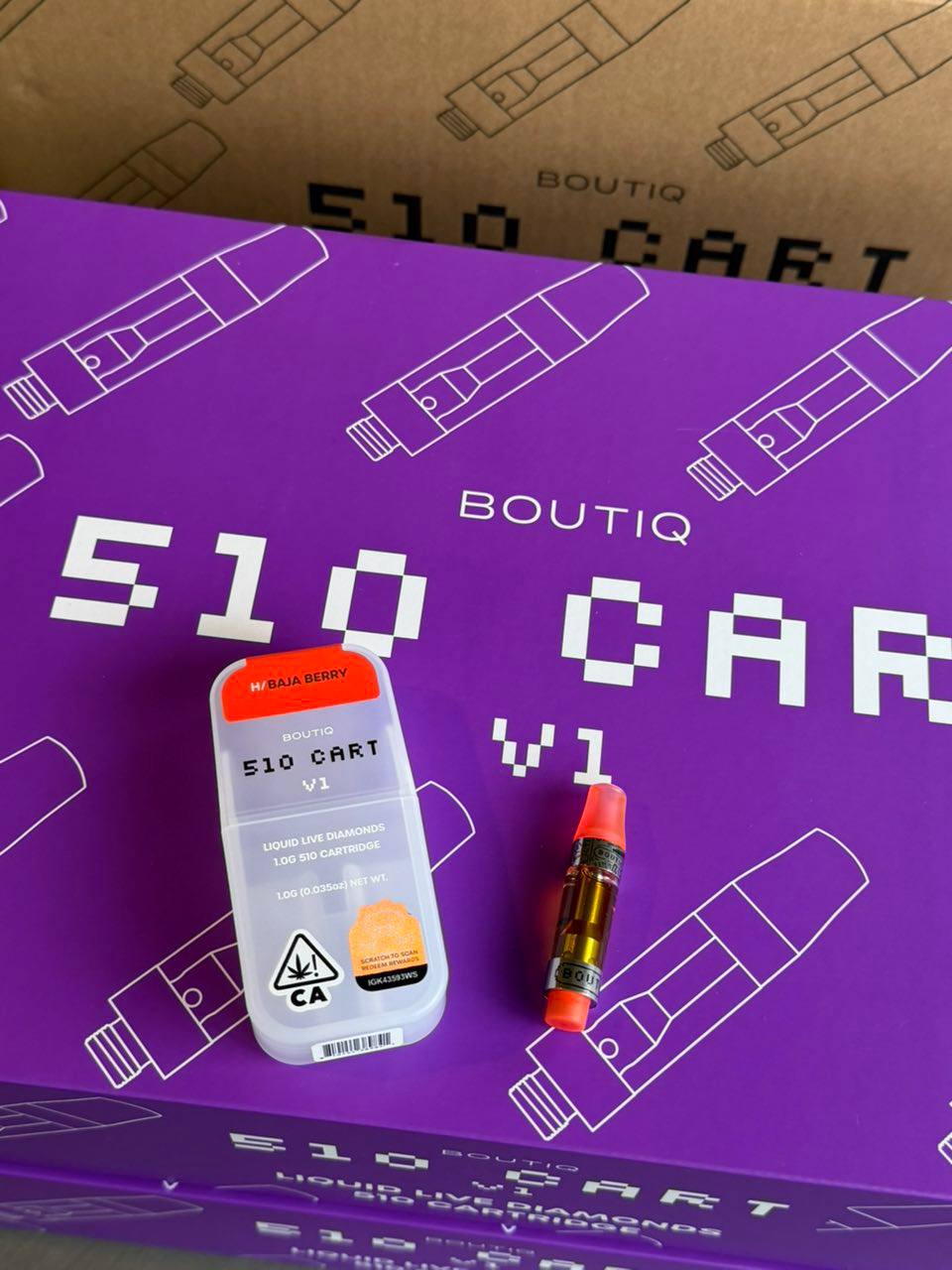
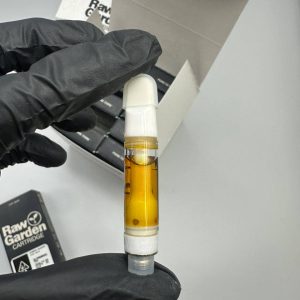
A typical cartridge contains a transparent or partially transparent chamber, allowing the contents to be visible. The mouthpiece sits at the upper end, while the threaded connection is positioned at the bottom.
Because packaging and hardware can change, visual appearance alone should not be treated as proof of authenticity. Batch information, manufacturer details, laboratory documentation, and authorized packaging provide more useful information when product identification matters.
Oil and Formulation Information
The contents of a cartridge depend on the formulation associated with that specific product. Cannabis-derived cartridges may contain cannabinoids, terpenes, or other ingredients depending on how the formulation was produced.
For that reason, the label should be checked carefully before use. Important information can include cannabinoid concentration, ingredient information, batch identification, testing details, and applicable warnings.
The visible appearance of the oil does not provide a reliable measurement of potency or purity. Likewise, color and consistency can change because of formulation differences, storage conditions, and other factors.
Third-party laboratory testing can provide more meaningful information about cannabinoid concentrations and contaminants. Where testing documentation is available, it should correspond with the batch information printed on the product packaging.
Flavor and Aroma Characteristics
Flavor and aroma characteristics are generally influenced by the formulation and terpene profile. Different batches or varieties can therefore produce noticeably different sensory characteristics.
Terpenes are naturally occurring aromatic compounds found in many plants, including cannabis. They contribute to aroma and flavor, although they should not be treated as a simple indicator of potency.
A cartridge with a pronounced aroma does not necessarily contain more cannabinoids. Similarly, a milder aroma does not automatically indicate lower quality.
Storage conditions can also influence aromatic characteristics. Exposure to heat, light, or air may gradually affect the composition of the contents. Proper storage therefore helps preserve the intended characteristics for longer.
Vapor Production
Vapor production depends on several factors, including battery output, cartridge construction, formulation, airflow, and operating conditions.
A compatible battery can provide the electrical power needed by the heating element. However, excessive power may produce unwanted heat and potentially affect the cartridge. For that reason, device compatibility and manufacturer specifications are important considerations.
Airflow also contributes to the overall experience. A well-functioning cartridge generally allows air to move through the system without unusual obstruction or leakage.
Performance can change as the cartridge is used. Changes in viscosity, remaining material, battery output, or hardware condition may influence vapor production over time.
Cartridge Performance
Performance is not determined by a single feature. Instead, it results from the interaction between the cartridge, its formulation, and the compatible battery.
The heating element plays a central role because it converts electrical energy into heat. That heat allows the contents to produce an aerosol. Meanwhile, airflow controls how efficiently the aerosol moves through the cartridge and mouthpiece.
A properly matched battery can help maintain consistent operation. Conversely, incompatible hardware may produce inconsistent heating or other performance issues.
Because cartridge designs differ, manufacturer specifications should take priority over general assumptions about 510 devices.
Storage Considerations
Storage conditions can influence cartridge quality. High temperatures may change the consistency of cartridge contents, while direct sunlight can accelerate degradation of certain components.
A cool, dry, and appropriately protected storage environment is generally preferable. The cartridge should also remain in its original packaging when practical, particularly when packaging contains important identification or safety information.
Physical pressure should be avoided as well. Although cartridges are designed for portability, their glass, mouthpiece, seals, and threaded components can still be damaged by impact or excessive force.
Packaging and Identification
Packaging provides important information that may not be visible on the cartridge itself. Depending on the market and applicable regulations, labeling can include product information, batch numbers, ingredients, cannabinoid concentrations, manufacturer details, and warnings.
Authenticity should therefore be evaluated through multiple pieces of information rather than appearance alone.
If a product is missing expected labeling or contains inconsistent information, additional verification may be appropriate before use. Laboratory documentation, where available, should correspond with the relevant batch number.
Quality and Testing
Quality assessment involves more than visual inspection. Laboratory testing can provide information about cannabinoid content and the presence of certain contaminants.
Testing standards differ between jurisdictions, so the available documentation may vary. Nevertheless, a legitimate certificate of analysis can offer more useful information than appearance, packaging style, or marketing claims.
Consumers should pay attention to whether laboratory results identify the same batch or lot number found on the packaging. This connection helps determine whether the documentation actually corresponds to the specific product.
Responsible Product Information
Cannabis products can have significant effects, and individual responses can differ. Factors such as tolerance, body chemistry, previous experience, and product potency may influence those effects.
Because of these differences, product descriptions should not be interpreted as guarantees about how a person will feel. Claims about specific medical, psychological, or therapeutic outcomes also require appropriate evidence and should not be inferred from branding or anecdotal reports.
Legal requirements surrounding cannabis products vary considerably by location. Age restrictions, possession rules, testing requirements, and permitted forms can all differ.
Important Safety Considerations
Only compatible hardware should be used with a cartridge. Damaged cartridges, cracked glass, leaking components, or visibly compromised packaging warrant caution.
Battery safety is equally important. A compatible battery should be maintained according to its manufacturer's specifications. Unusual heat, physical damage, leakage, or malfunction can indicate that a device should no longer be used.
Cannabis products should also be kept away from children and pets. Secure storage reduces the possibility of accidental exposure.
Driving or operating machinery after consuming intoxicating cannabis products can create serious safety risks. Local laws should always be considered as well.
What Makes the Format Distinct
The main distinction of the V1 format is its combination of a compact cartridge structure and a familiar 510 connection. This gives it a recognizable place within the broader category of cartridge-based vaporizer products.
Its small footprint emphasizes portability, while the standardized connection provides broad hardware familiarity. At the same time, formulation details remain dependent on the specific product and batch.
Therefore, the cartridge's most useful characteristics are best understood through verified specifications rather than assumptions based solely on its appearance or branding.
The Boutiq 510 Carts V1 represents a compact cartridge format built around the established 510-thread connection. Its design combines a small physical profile with a cartridge-based heating system, making it part of a widely recognized vaporizer category.
Hardware construction, formulation, potency, flavor characteristics, and testing information can vary between products and batches. Consequently, official packaging and batch-specific laboratory documentation provide the strongest basis for evaluating the exact contents and specifications.
Overall, the product can be understood through three central elements: its cartridge construction, its 510-compatible connection, and the formulation contained within the chamber. Together, these features define its basic place within the cartridge category while leaving room for differences between individual versions and production batches.
Additional Product Information
Understanding the Cartridge Structure
A cartridge consists of several components that work together as one compact system. The chamber holds the formulation, while the heating element is responsible for converting it into an aerosol. A mouthpiece provides the pathway through which the aerosol exits, and the threaded base establishes the connection with a compatible battery.
Each component has a specific role. Consequently, a change in one part can influence the overall performance of the cartridge. For example, the heating element can affect vapor consistency, while the airflow system can influence how smoothly air moves through the device.
The chamber itself may use materials selected for compatibility with the formulation. Depending on the specific production version, glass, metal, ceramic, and other materials may appear in different parts of the construction.
Chamber Design
The chamber is one of the most noticeable parts of a cartridge. Its primary purpose is to contain the formulation securely while allowing the heating system to access it.
A transparent chamber can make the remaining contents easier to observe. This can also help users recognize changes in the amount of material remaining. However, visual inspection cannot determine potency, purity, or laboratory quality.
Consistency can naturally differ between formulations. Some oils may appear relatively fluid, while others can have a thicker appearance. Temperature can influence this characteristic as well.
Because of these variables, appearance should be considered only a basic physical characteristic rather than a reliable quality measurement.
Heating Technology
The heating element represents the functional center of a cartridge. Electrical energy supplied by a compatible battery is converted into heat, allowing the formulation to produce an aerosol.
Different cartridge designs can use different heating materials and structures. Ceramic-based systems, for example, are found across the broader cartridge market, while other designs may use alternative heating components.
Temperature management matters because excessive heat can influence the formulation and hardware. Meanwhile, insufficient heating can affect aerosol production. The intended operating range therefore depends on the specifications of the cartridge and its compatible battery.
Airflow Characteristics
Airflow has an important role in cartridge operation. Air enters through the designated pathway, interacts with the aerosol produced by the heating element, and then travels toward the mouthpiece.
A balanced airflow system can contribute to a smoother and more consistent experience. In contrast, restricted airflow may result from residue, hardware damage, manufacturing differences, or other physical factors.
The exact airflow design depends on the cartridge model. Therefore, performance differences between versions should not automatically be interpreted as differences in formulation quality.
Mouthpiece Design
The mouthpiece provides the final pathway between the cartridge and the user. Its shape, material, and opening can vary depending on the hardware configuration.
A compact mouthpiece complements the overall portable structure of the cartridge. At the same time, the material used in its construction can influence durability and appearance.
Clean, intact hardware is important for normal operation. Physical damage, unusual residue, or visible contamination can indicate that a cartridge has not remained in suitable condition.
Threaded Connection
The 510 connection is one of the most recognizable features of this cartridge category. Its threaded base is designed to attach to compatible batteries that use the corresponding connection standard.
Although the 510 format is widely used, compatibility should still be confirmed. Different batteries can have different power characteristics, and some devices may not be appropriate for every cartridge.
The connection should also remain free from excessive debris or damage. A compromised connection can interfere with electrical contact and may result in inconsistent operation.
Battery Compatibility
Battery compatibility depends on more than the physical thread. Electrical specifications also matter because the battery supplies power to the cartridge's heating element.
A battery that operates outside the manufacturer's intended specifications may produce undesirable results. Excessive output can create unnecessary heat, while inadequate output may produce inconsistent aerosol production.
For this reason, the battery manufacturer's specifications and cartridge documentation should be considered together. General assumptions about compatibility are less reliable than verified product information.
Product Consistency
Consistency can refer to several different characteristics, including hardware construction, formulation appearance, labeling, and performance.
Manufacturing processes are designed to produce consistent products, although minor differences may still occur between batches. Changes in formulation, packaging, or hardware can also appear when a product moves between production periods.
Batch information becomes especially useful in this situation. A batch number can connect the physical product with its corresponding documentation, making it easier to distinguish one production run from another.
Batch Information
Batch identification is an important part of product transparency. It can connect the cartridge to a particular production run and, where applicable, corresponding laboratory results.
A batch number may appear on the cartridge packaging rather than directly on the hardware. Depending on the manufacturer and jurisdiction, additional information can include production dates, testing references, or expiration-related details.
When laboratory documentation is available, matching the batch number can provide greater confidence that the results apply to the product being examined.
Laboratory Testing
Laboratory testing can evaluate different aspects of a cannabis formulation. Depending on local requirements, testing may cover cannabinoid concentrations, microbial contamination, pesticides, heavy metals, residual solvents, and other substances.
Not every market follows identical testing standards. Therefore, the scope of a certificate of analysis can differ according to jurisdiction and manufacturer.
A laboratory report is most useful when it is current, traceable, and connected to the same batch number shown on the packaging. Marketing claims alone do not provide the same level of verification.
Potency Information
Potency refers to the concentration of active cannabinoids identified by the product documentation. It should be confirmed through the label or applicable laboratory report rather than estimated from the product's appearance.
Cannabinoid concentrations can vary between formulations and production batches. Consequently, a description of the cartridge should not assume a particular concentration unless that information has been verified.
Individual responses can vary as well. Potency information describes the composition of the product; it does not guarantee a particular experience or effect.
Terpene Profile
Terpenes contribute to the aroma and flavor characteristics associated with many cannabis formulations. Different combinations can create distinct sensory profiles.
The presence of particular terpenes does not automatically establish product quality or potency. Instead, terpene information provides additional context about the formulation.
Storage can influence terpene characteristics over time. Heat, light, and air exposure may affect volatile compounds, which is why appropriate storage conditions can help preserve the original characteristics.
Flavor Expectations
Flavor characteristics depend primarily on the formulation rather than the cartridge hardware itself. Consequently, two cartridges using similar hardware can have very different sensory profiles.
The formulation may feature naturally occurring cannabis compounds or added flavor components, depending on the product's composition and applicable regulations.
Flavor descriptions should therefore be treated as general product characteristics rather than guarantees. Individual perception varies, and environmental conditions can influence how aromas and flavors are noticed.
Storage and Shelf Stability
Appropriate storage can help preserve the condition of both the cartridge and its contents. A stable environment away from excessive heat and direct sunlight is generally preferable.
Temperature fluctuations may influence the viscosity of the formulation. In addition, prolonged exposure to unfavorable conditions can affect certain components over time.
The cartridge should remain protected from unnecessary physical pressure. Glass components can break when dropped, while seals and threaded connections can also be affected by impact.
Packaging is useful for protection as well as identification. Keeping the cartridge with its original packaging can make batch information and other product details easier to reference.
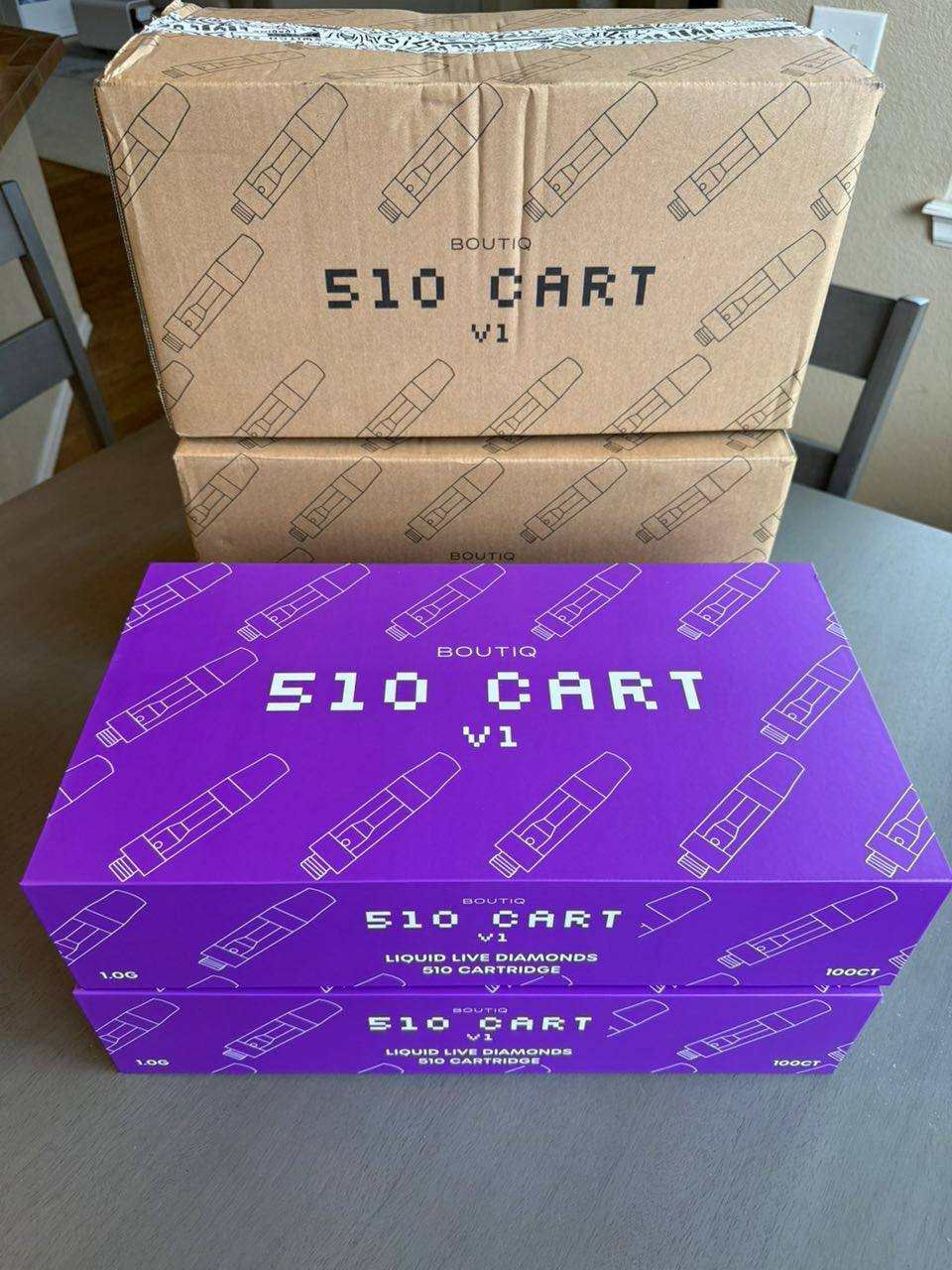
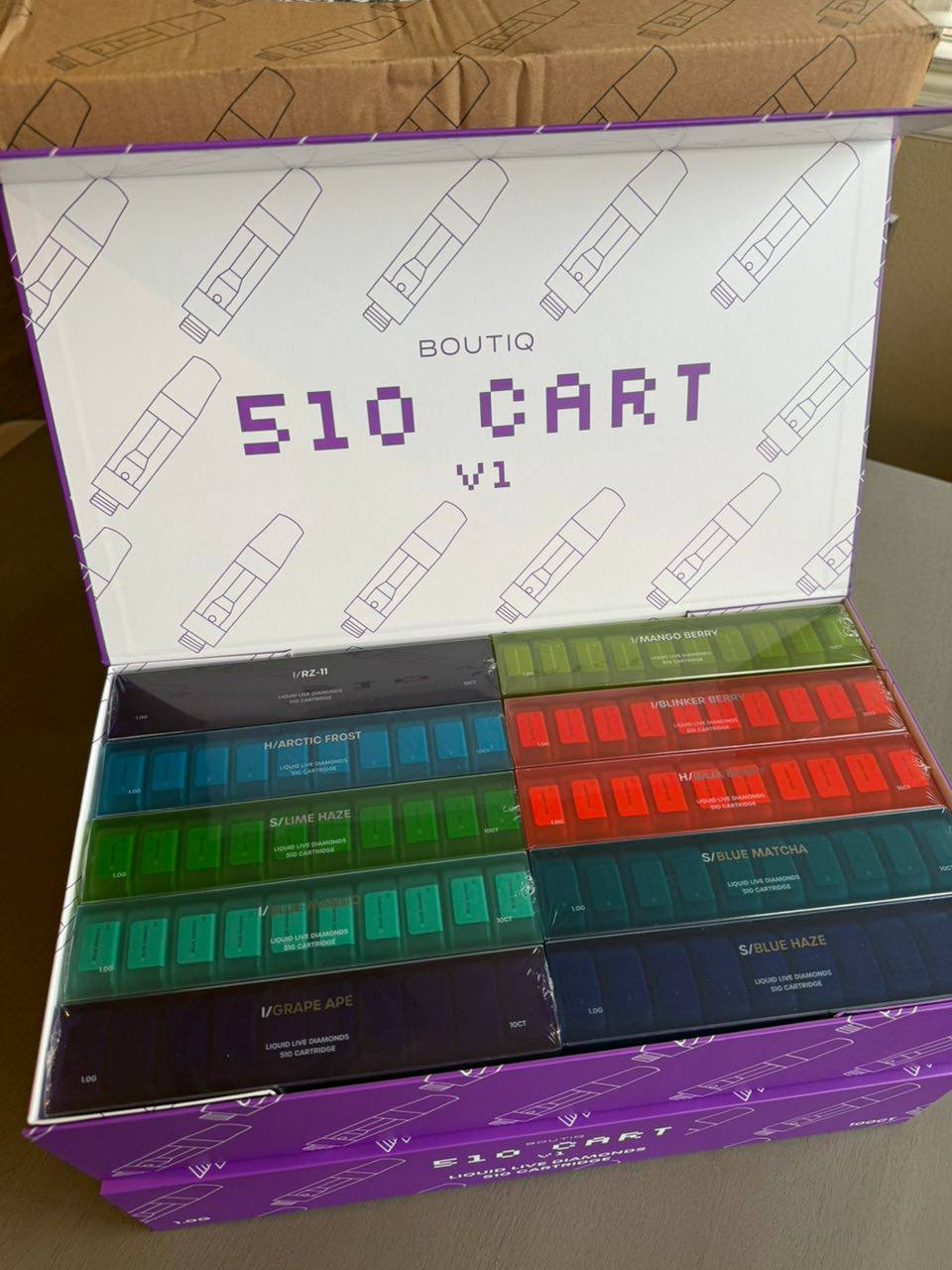
Packaging Details
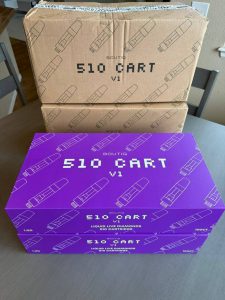
Packaging commonly serves several purposes. It protects the hardware, provides identification information, and communicates legally required warnings or product details.
Depending on the market, packaging may contain cannabinoid information, ingredient details, batch identification, manufacturer information, testing references, and age-related warnings.
Packaging design can change over time. Therefore, an older image found online may not perfectly match a current production version.
This is particularly relevant when evaluating authenticity. A difference in packaging appearance does not automatically establish that a product is genuine or counterfeit. Verification should instead involve multiple identifying details.
Authenticity Considerations
Product authenticity can be difficult to determine through appearance alone. Packaging, labeling, printing quality, batch information, and laboratory documentation can provide additional evidence.
Consumers should be cautious with products that contain inconsistent labels, missing information, unusual packaging, or unverifiable testing claims.
A product description cannot independently establish authenticity. Instead, verification is best based on information provided by the manufacturer, licensed retailer, applicable regulator, or corresponding laboratory documentation.
Portability and Everyday Storage
The compact dimensions associated with cartridge hardware make the format relatively easy to store. Its small profile also reduces the physical space required compared with larger vaporizer systems.
Nevertheless, portability should not be confused with durability under every condition. A cartridge can still be affected by impact, pressure, temperature, or moisture.
A protective storage location can reduce unnecessary physical stress. Original packaging can provide an additional layer of protection while preserving important product information.
Differences Between Product Versions
The name V1 suggests a particular version or generation, but product specifications can change over time. Manufacturers may update hardware, packaging, formulations, or labeling while retaining related product naming.
For this reason, specific technical claims should be connected to verified information from the relevant production period.
A current product may not have exactly the same specifications as an older version. Likewise, photographs from previous releases may not represent every current package.
Overall Hardware Experience
The hardware is designed around simplicity and portability. Its cartridge format keeps the formulation, heating components, mouthpiece, and threaded connection within a compact structure.
This approach differs from larger vaporizer systems that may use replaceable chambers, external controls, screens, or adjustable settings.
The simplified design can make the physical system easier to understand. However, it also means that battery compatibility becomes particularly important because the cartridge generally relies on the connected device for its power source.
Environmental Factors
Environmental conditions can affect cartridge hardware and formulation characteristics. Heat is especially relevant because many oils can change viscosity as temperature rises or falls.
Cold conditions may cause thicker movement, while elevated temperatures can make the formulation more fluid. Neither observation alone provides a reliable indication of quality.
Light exposure can also influence certain compounds over extended periods. Consequently, a protected storage environment is preferable to prolonged exposure to direct sunlight.
Product Information Transparency
Clear product information helps consumers understand what they are purchasing and using. Labels, batch numbers, laboratory reports, ingredient information, and manufacturer details all contribute to transparency.
A strong product information page should distinguish between verified specifications and general descriptions. This distinction prevents assumptions from being presented as confirmed facts.
For that reason, exact potency, ingredients, hardware materials, and testing results should always be taken from the specific product's documentation when available.
Frequently Asked Questions
What type of cartridge is this?
It is a compact cartridge built around the commonly used 510-thread connection. The exact formulation and hardware specifications depend on the particular production version.
Does the cartridge use a 510 connection?
The product name identifies it as a 510 cartridge format. Nevertheless, battery compatibility should be confirmed through the applicable product documentation.
What does the V1 designation mean?
V1 generally indicates a first version or generation associated with a particular product line. Exact differences between versions should be confirmed through manufacturer information.
Can appearance confirm authenticity?
No. Appearance alone cannot reliably establish authenticity. Packaging information, batch identification, laboratory documentation, and verified sources provide stronger evidence.
Does cartridge color indicate potency?
No. The appearance of the contents cannot reliably determine cannabinoid concentration or purity. Potency should be confirmed through verified labeling or laboratory results.
Does the 510 connection guarantee compatibility?
Not necessarily. Physical threading is only one part of compatibility. Battery output and manufacturer specifications should also be considered.
What affects flavor?
Flavor can be influenced by cannabinoids, terpenes, added ingredients, formulation methods, storage conditions, and individual perception.
Why can oil consistency change?
Temperature is one common factor. Formulation characteristics and storage conditions can also influence viscosity and appearance.
How should product information be verified?
The packaging, manufacturer documentation, applicable laboratory report, and batch information provide useful sources for verification.
Can different batches look different?
Yes. Minor differences can occur because of changes in formulation, hardware, packaging, or production conditions. Verified batch information provides better context than appearance alone.
Final Product Perspective
The V1 cartridge format combines a compact structure with a familiar threaded connection. Its chamber, heating element, mouthpiece, airflow pathway, and base work together as a small integrated system.
Meanwhile, formulation characteristics remain separate from the basic hardware design. Cannabinoid concentration, terpene composition, flavor, testing results, and ingredients can vary according to the specific batch.
Consequently, the most useful product evaluation combines physical characteristics with verified documentation. Hardware compatibility, laboratory information, packaging details, and storage conditions all contribute to a more complete understanding of the product.
The result is a cartridge format that can be described through its compact construction, standardized connection, formulation-dependent characteristics, and batch-specific documentation. These details provide a clearer and more responsible overview without relying on unsupported performance or health claims.

Reviews
There are no reviews yet.