Los Angeles, CA USA.
Raw Garden 1G Carts
Home/Raw Garden 1G Carts
Sale!

Raw Garden 1G Carts

Price range: $100.00 through $750.00

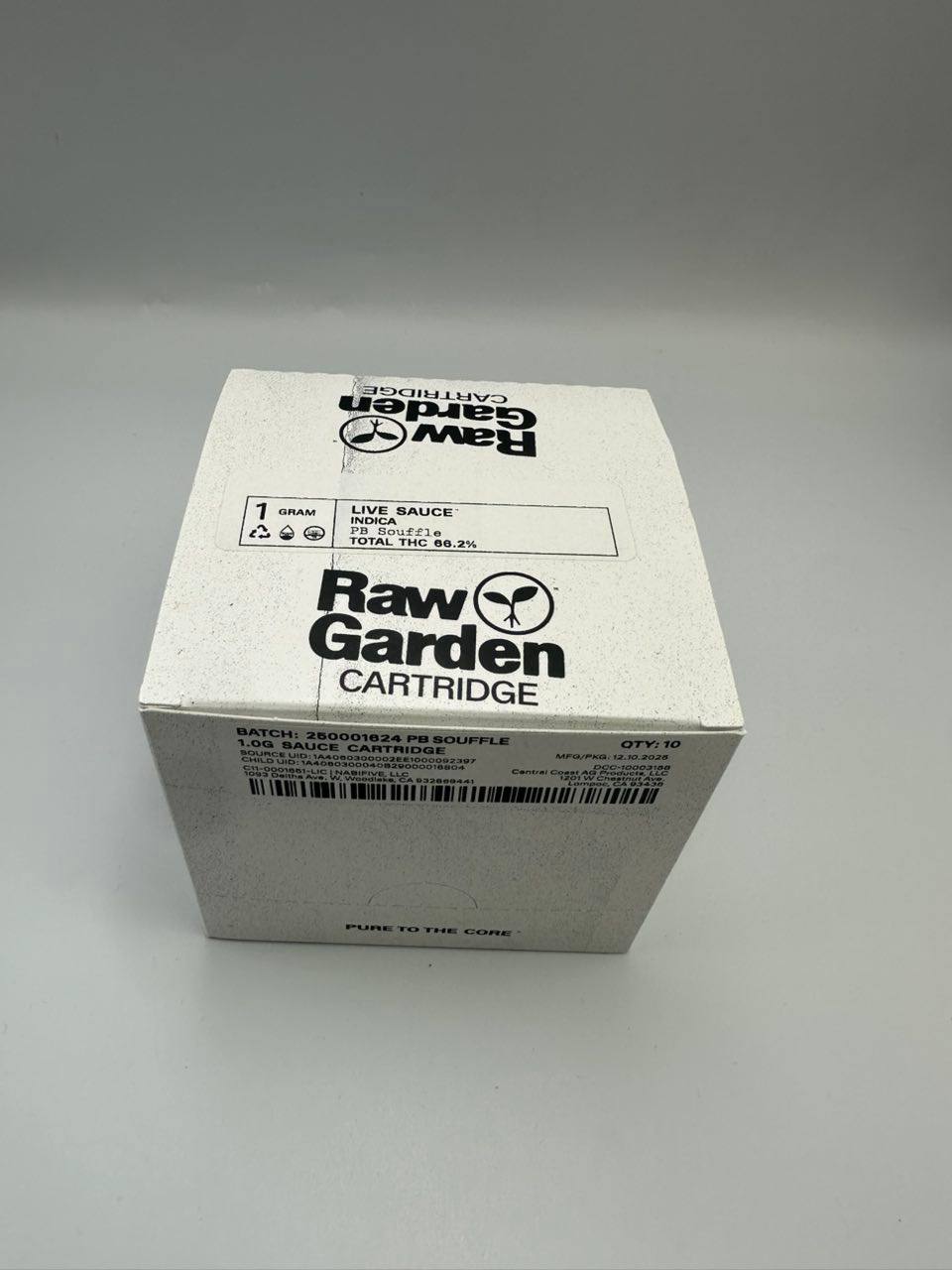
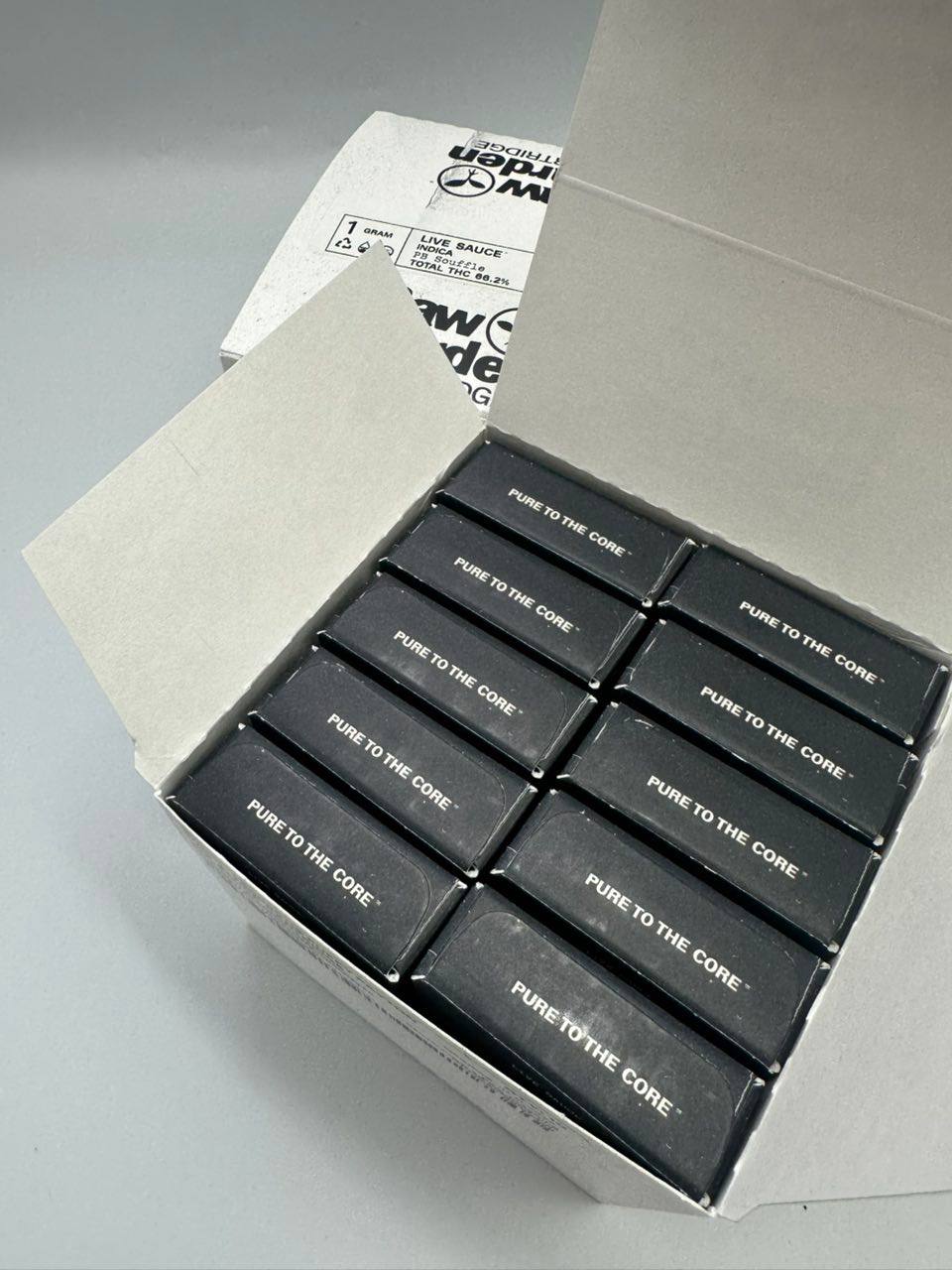
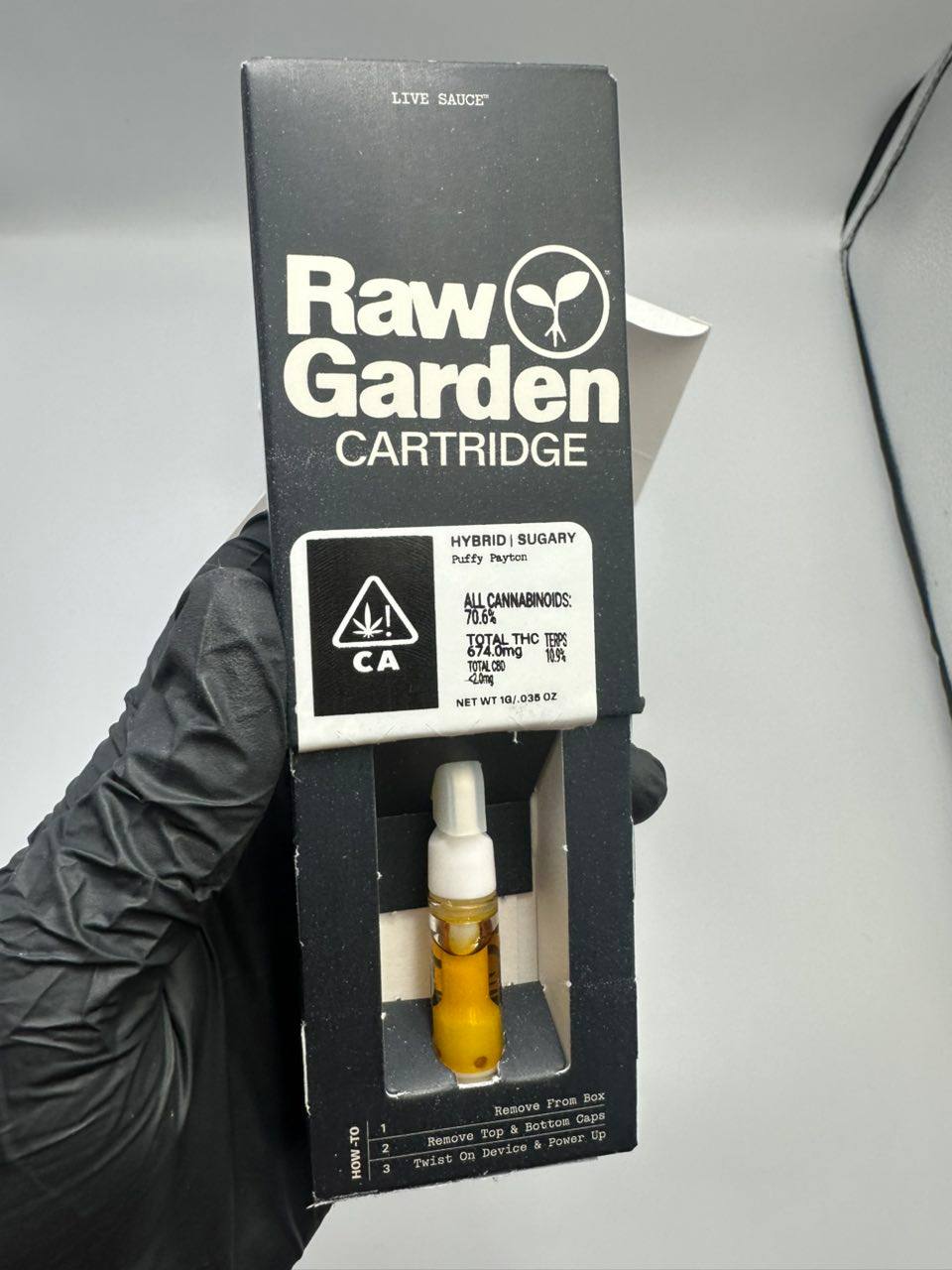
Raw Garden 1g carts are cannabis vape cartridges associated with a concentrate-focused approach to extraction and flavor preservation. The format combines cannabis oil with a compact cartridge designed for use with a compatible battery. Because formulations and availability can vary by market, the exact cannabinoid profile, strain information, and ingredient details should always be checked against the packaging for the specific product.

Description

Raw Garden 1g Carts: Product Information and Overview

Product Overview

Raw Garden 1g carts are cannabis vape cartridges associated with a concentrate-focused approach to extraction and flavor preservation. The format combines cannabis oil with a compact cartridge designed for use with a compatible battery. Because formulations and availability can vary by market, the exact cannabinoid profile, strain information, and ingredient details should always be checked against the packaging for the specific product. The 1g format refers to the quantity of cannabis oil contained within the cartridge. This size provides a clearly defined amount of concentrate in a relatively compact format. In addition, the cartridge format makes the product different from flower, traditional concentrates, and other cannabis preparations. Raw Garden products are commonly associated with cannabis extracts made from fresh plant material. However, product specifications can differ between releases and jurisdictions. Therefore, the package label remains the most reliable source for information about potency, ingredients, batch details, and compliance information.

What the 1g Format Means

The term “1g” refers to one gram of oil contained in the cartridge. It does not automatically indicate a specific THC percentage, CBD percentage, terpene concentration, or expected experience. Those characteristics depend on the individual formulation. For that reason, two cartridges with the same oil quantity can have substantially different laboratory results. The cannabinoid profile should therefore be considered separately from the physical quantity of oil. The cartridge itself generally consists of a reservoir, heating element, mouthpiece, and connection point for a compatible battery. When the device is activated, the heating element warms the oil so that it can be inhaled as an aerosol. This hardware-based format provides a different experience from smoking dried cannabis. Nevertheless, the effects of cannabis can vary significantly between individuals. Factors such as cannabinoid concentration, tolerance, personal sensitivity, and previous cannabis exposure can influence the experience.

Extraction and Oil Characteristics

Raw Garden has become associated with extraction methods intended to retain characteristics of the original cannabis plant. Fresh-frozen or freshly harvested material may be used in certain extraction processes, depending on the product line and applicable production standards. The purpose of preserving aromatic compounds is generally connected to maintaining a profile that reflects the source plant. Terpenes can contribute to aroma and flavor, while cannabinoids contribute to the chemical profile of the extract. However, the presence of terpenes does not guarantee a particular effect. Cannabis chemistry is complex, and individual responses can differ considerably. The appearance of cannabis oil can also vary. Depending on the formulation and storage conditions, oil may appear clear, golden, amber, or slightly darker. Changes in appearance do not necessarily provide enough information to determine potency or quality.

Cannabinoids and Potency

Cannabis cartridges may contain cannabinoids such as THC, CBD, CBG, or other naturally occurring compounds. The exact profile depends on the cultivar and extraction process used for a particular batch. THC is the cannabinoid most commonly associated with the intoxicating effects of cannabis. Its concentration is usually provided on regulated packaging and laboratory documentation. Potency should be interpreted carefully. A higher percentage does not necessarily mean that a product will produce the same experience for every person. Individual tolerance and sensitivity remain important factors. Laboratory testing can provide additional information about cannabinoid concentrations and contaminants. Where available, a certificate of analysis can offer more detailed information than a product name alone.

Terpene Profiles

Terpenes are naturally occurring aromatic compounds found throughout the plant kingdom. Cannabis contains numerous terpenes, and different cultivars can contain different combinations and concentrations. Common cannabis-associated terpenes include myrcene, limonene, pinene, caryophyllene, and linalool. Each has its own aroma characteristics. For example, limonene is commonly associated with citrus-like aromas, while pinene can contribute pine-like notes. Caryophyllene may provide spicy or peppery characteristics. The terpene profile of a particular cartridge should be confirmed through its label or laboratory documentation rather than inferred solely from its strain or flavor name.

Flavor and Aroma

One of the defining characteristics of a cannabis cartridge can be its aromatic profile. Extracts containing naturally occurring terpenes may provide flavors that resemble the plant material from which the oil originated. Depending on the cultivar, those notes may range from citrus and fruit to herbs, earth, pine, spice, or floral aromas. Flavor perception is subjective, however. The same aromatic profile can be interpreted differently by different people. Storage conditions can also influence the way cannabis oil smells or tastes. Exposure to excessive heat, light, or air can affect cannabis products over time. As a result, appropriate storage conditions can help preserve the characteristics described on the original packaging.

Cartridge Design

A 1g cartridge is designed to function with a compatible vape battery. The cartridge generally contains a chamber for the oil and a heating component that converts the oil into an inhalable aerosol. Hardware construction can influence airflow, consistency, and overall usability. Nevertheless, the exact design can vary according to the specific cartridge version and production batch. Compatibility is also important. A cartridge should only be used with hardware that is appropriate for its connection type and operating requirements. Improper hardware can cause performance problems or damage. Because hardware specifications may change, the manufacturer's packaging and instructions should be treated as the primary reference for compatibility.

Packaging and Product Identification

Legal cannabis products are generally packaged with information intended to help consumers identify the product and understand its contents. Depending on the jurisdiction, packaging may include a product name, batch or lot number, cannabinoid information, manufacturing information, testing details, warnings, and regulatory symbols. These details are particularly useful because cannabis products can have similar names while containing different formulations. The batch number can also be important when checking laboratory information or regulatory records. If a product includes a QR code or other verification method, that information may provide additional documentation about the specific batch.

Laboratory Testing

Laboratory testing plays an important role in regulated cannabis markets. Testing can measure cannabinoid concentrations and may screen for certain contaminants. Depending on local regulations, testing may include checks for pesticides, heavy metals, microbial contamination, residual solvents, and other substances. The exact testing requirements vary by jurisdiction. Therefore, consumers should rely on testing information associated with the specific product rather than generalized claims about an entire product line. A laboratory report can also help distinguish between marketing descriptions and measurable product characteristics. When available, the report provides a more detailed view of the tested batch.

Storage Considerations

Cannabis oil can be affected by environmental conditions. Heat, direct light, oxygen, and prolonged exposure to unfavorable temperatures may influence the product over time. A cool, dry, and appropriately protected storage environment is generally preferable. Excessive heat can change the physical characteristics of cannabis oil, while strong light can contribute to degradation. The cartridge should also be kept according to the manufacturer's storage recommendations. Packaging instructions take priority because different formulations and hardware components can have different requirements. Keeping cannabis products away from children and unauthorized users is particularly important. Secure storage also reduces the risk of accidental exposure.

Product Consistency

Consistency can refer to several different characteristics, including oil appearance, viscosity, flavor, airflow, and cannabinoid concentration. Some variation between batches can occur because cannabis is an agricultural product. Cultivation conditions, genetics, harvest timing, extraction methods, and processing can all influence the final composition. For that reason, the laboratory information associated with an individual batch is more meaningful than assuming that every cartridge will have identical characteristics. Hardware can also contribute to differences in performance. A cartridge used with one compatible battery may behave somewhat differently from the same cartridge used with another approved battery.

Responsible Product Awareness

Cannabis products can produce intoxicating effects, particularly when they contain significant levels of THC. Those effects may include changes in perception, attention, coordination, memory, and reaction time. Individual responses vary. Someone with limited previous exposure may experience cannabis differently from someone with greater tolerance. Because of these differences, product information should be considered alongside applicable health and safety guidance. Cannabis should not be treated as harmless simply because it is presented in a small cartridge. Driving or operating machinery while impaired can create serious safety risks. Cannabis products should also be kept away from minors and from anyone who should not have access to them.

Adults and Legal Requirements

Cannabis laws differ significantly between countries, states, provinces, and other jurisdictions. Age requirements, possession limits, product categories, and purchasing rules can all vary. A product that is legally available in one location may not be legal in another. Therefore, local regulations should always be checked before possessing, transporting, or using cannabis products. Travel can involve additional restrictions. Crossing borders with cannabis products may be prohibited even when cannabis is legal in both locations. Local and national regulations should therefore be considered separately.

Understanding Product Names

Cannabis product names can combine brand names, cultivar names, flavor descriptions, editions, and product formats. These terms do not always provide enough information to determine the chemical composition. For example, a strain or cultivar name may describe genetic lineage, while a flavor name may describe an aromatic profile. Neither term necessarily provides an accurate indication of THC concentration. The most useful information is usually found on the regulated product label and associated laboratory documentation. This distinction helps prevent assumptions based solely on branding. It also makes comparisons between different cannabis products more meaningful.

Why Batch Information Matters

Cannabis is produced from biological material, so variation can occur from one harvest or production batch to another. Batch-specific information can show when and where a product was tested and what the laboratory measured. Consequently, batch information is often more useful than broad statements about a brand. Consumers examining a particular cartridge can compare its label with the associated laboratory report when such documentation is legally available. That approach provides a clearer picture of the actual product in hand.

Cartridge Maintenance and Hardware Awareness

Cartridge hardware can affect the overall function of a vape system. Connection points, airflow pathways, heating elements, and battery compatibility all play roles in operation. Oil may become more viscous under cooler conditions and less viscous under warmer conditions. Storage conditions can therefore influence how the cartridge behaves. Hardware should be inspected for visible damage before use. A damaged cartridge or battery may present safety concerns and should not be treated as normal equipment. Manufacturer guidance should always take priority over general information because individual hardware systems can have different specifications.

Comparing Cannabis Formats

A 1g cartridge differs from several other cannabis formats. Flower consists of dried cannabis plant material, whereas a cartridge contains concentrated cannabis oil. Concentrates may also be sold in forms such as live resin, rosin, wax, or other preparations. Edibles represent another category entirely because cannabinoids are consumed rather than inhaled. Their effects can also develop differently from inhaled cannabis. Therefore, the amount of cannabis material in one product should not be directly compared with the amount in another format without considering cannabinoid concentration and product type.

Overall Product Profile

Raw Garden 1g carts represent a cartridge-based cannabis format centered around concentrated oil and plant-derived aromatic characteristics. The 1g capacity identifies the approximate quantity of oil rather than a specific potency or effect. The most reliable product information comes from the individual package, batch information, and laboratory documentation. Those sources can identify cannabinoid concentrations, ingredients, testing results, and other details that may vary between products. The cartridge format also introduces hardware considerations. Battery compatibility, cartridge condition, and storage environment can all influence the physical performance of the product. Ultimately, understanding the product requires more than looking at its name or oil quantity. Cannabinoid information, terpene composition, batch testing, packaging details, and local regulations provide a more complete picture. A 1g cannabis cartridge is a compact concentrate format containing approximately one gram of cannabis oil. Its chemical composition can vary depending on the cultivar, extraction process, formulation, and production batch. Raw Garden products are associated with extract-focused formulations and plant-derived aromatic profiles. Nevertheless, exact specifications should be verified on the individual package because product characteristics can change across releases and jurisdictions. The product's cannabinoid profile, terpene information, testing documentation, and regulatory labeling are therefore the most useful references for evaluating a specific cartridge. Proper storage and secure handling are also important. Cannabis products should remain inaccessible to children and unauthorized users, while local laws should be followed regarding possession, transportation, and use. For the most accurate information, the packaging and batch-specific laboratory documentation should take precedence over generalized online descriptions. This is especially important when cannabinoid percentages, ingredients, testing results, or hardware specifications are being compared. In short, the 1g cartridge format offers a concentrated cannabis-oil presentation in a compact device. Its defining characteristics depend on the particular formulation and batch, making verified product information more valuable than assumptions based on branding alone.

Raw Garden 1g Carts: Additional Product Information

Understanding the Oil Inside the Cartridge

The oil contained in a 1g cartridge is a concentrated cannabis preparation. Unlike dried flower, it has undergone processing that separates desirable compounds from the original plant material. The resulting extract can contain cannabinoids and naturally occurring aromatic compounds. Its exact composition depends on the source material and production process. Because extraction can concentrate cannabinoids, the percentage shown on a laboratory report may be substantially different from the cannabinoid percentage found in flower. The numerical value should therefore be interpreted within the context of the product format. A 1g quantity also should not be confused with 1g of pure THC. The cartridge contains oil, and only a portion of that oil consists of a particular cannabinoid.

The Role of Cannabis Genetics

Cannabis genetics influence the characteristics of the starting plant material. Different cultivars can produce different combinations of cannabinoids and terpenes. These genetic differences can contribute to variations in aroma, flavor, color, and chemical composition. However, the final extract is also influenced by cultivation, harvesting, storage, and extraction practices. Consequently, a cultivar name alone cannot establish the precise composition of an individual cartridge. Batch testing provides a more dependable reference. When laboratory information is available, it can show the measured cannabinoid profile associated with that particular production batch.

Live Plant Material and Extraction

Some cannabis extracts are produced from plant material that receives special handling soon after harvest. The objective can be to preserve volatile compounds that might otherwise change during drying and curing. Fresh plant material contains substantial moisture, so specialized extraction and processing methods are required. These processes can produce extracts with aromatic characteristics that differ from products made from traditionally dried material. The terminology used for extraction can vary between manufacturers and jurisdictions. Therefore, product descriptions should be interpreted alongside official packaging and laboratory information.

Cannabinoid Concentration

THC concentration is one of the most prominent pieces of information found on regulated cannabis packaging. However, THC is only one component of cannabis chemistry. Other cannabinoids may also be present, including CBD, CBG, CBC, and others. Their concentrations can vary considerably depending on the source material and formulation. The total cannabinoid profile can therefore provide more useful information than focusing on a single number. Laboratory results may report cannabinoids as percentages, milligrams per gram, or other measurements depending on local requirements. The measurement format should be considered when comparing products.

Terpenes and Aromatic Character

Terpenes contribute strongly to the smell and taste associated with cannabis. They occur naturally in many plants and are not unique to cannabis. A cartridge containing a terpene-rich extract may have a noticeable aroma that reflects the source cultivar. Citrus, pine, floral, herbal, earthy, and spicy notes are among the possibilities. However, aroma does not provide a reliable way to determine potency. A strong-smelling cartridge is not necessarily more potent than one with a milder aroma. Similarly, flavor should not be interpreted as a guarantee of a particular physiological effect.

Oil Color and Appearance

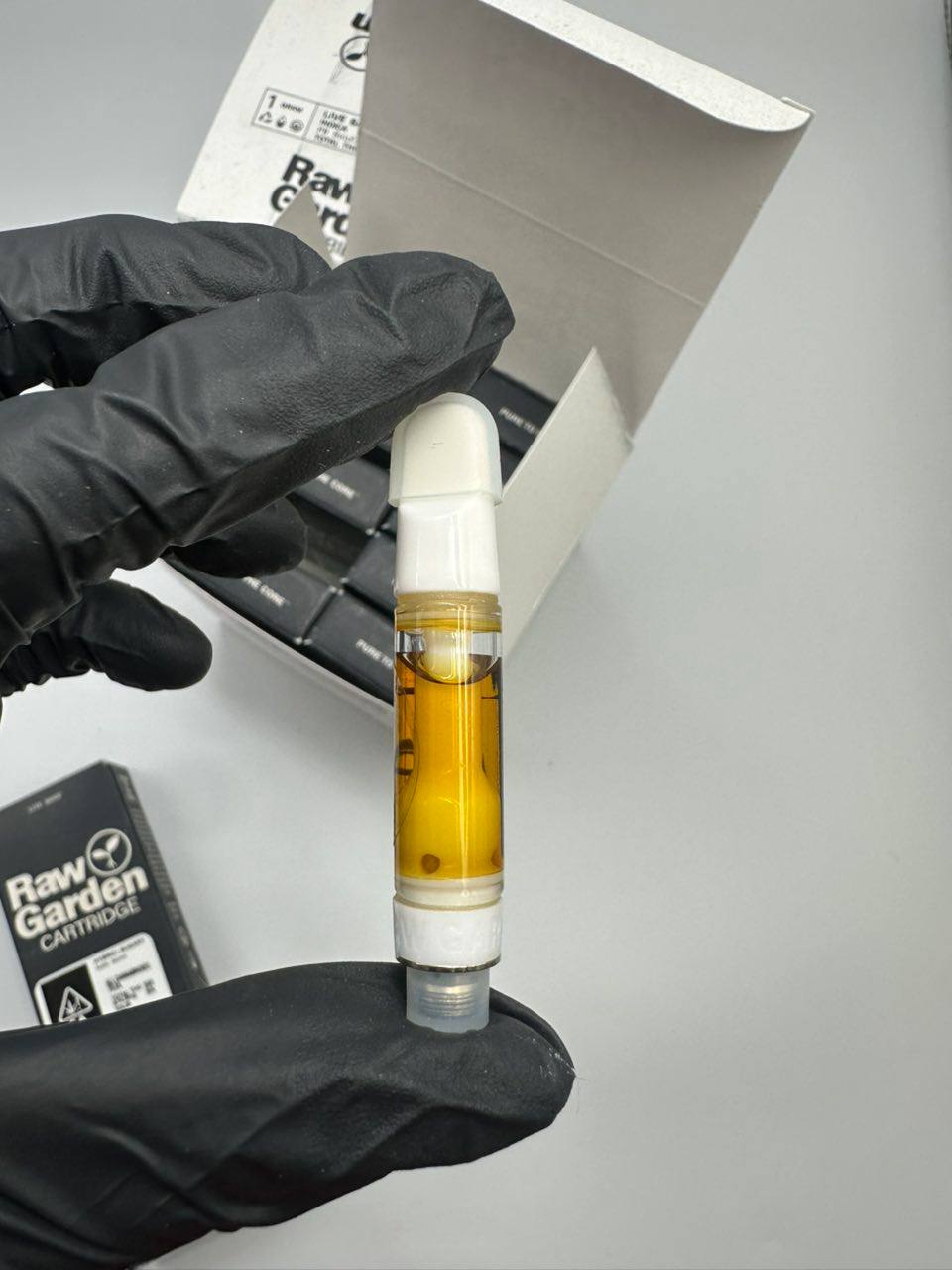
Cannabis oil can display different shades depending on its composition and processing history. Clear, pale, golden, amber, and darker tones can occur. Appearance alone is not sufficient for determining whether a product is authentic, potent, or suitable for use. Lighting conditions and the transparency of the cartridge can also change how the oil appears. Changes that occur during storage may also influence color or viscosity. For this reason, laboratory testing and official product information remain more useful than visual inspection alone.

Viscosity and Temperature

Cannabis oil can respond to temperature changes. Cooler conditions may cause the oil to become thicker, while warmer conditions may make it flow more easily. This physical behavior is normal for many concentrated oils. Nevertheless, extreme temperatures can affect both the oil and the cartridge hardware. Storage information supplied with the product should therefore be followed. The cartridge should also be protected from excessive heat and direct sunlight.

Hardware Components

A typical cartridge contains several functional components. The reservoir holds the cannabis oil. A heating element converts the oil into an inhalable aerosol, while the mouthpiece provides the pathway through which the aerosol exits. A connection mechanism allows the cartridge to interact with compatible battery hardware. The design of these components can vary between manufacturers and product generations. Consequently, specifications should be checked for the individual cartridge rather than assumed from the 1g designation.

Battery Compatibility

A cartridge is not a complete electronic device by itself. It generally requires compatible battery hardware unless it is sold as an integrated disposable system. Connection standards and operating requirements can differ. Using incompatible hardware may result in poor performance or damage. Manufacturer information should therefore be treated as the primary source for compatibility details. The battery itself is another important component of the overall system. Proper handling and storage are relevant to battery safety as well as cartridge performance.

Packaging Information

Legal cannabis packaging typically contains several identifying details. These may include the product name, net contents, cannabinoid concentration, batch number, testing information, manufacturer information, and required warnings. The exact requirements depend on the jurisdiction. Packaging can also distinguish regulated products from items sold through unauthorized channels. However, packaging appearance alone should not be treated as definitive proof of authenticity. Where verification systems are available, batch information and official documentation provide stronger evidence.

Authenticity and Verification

Popular cannabis brands can sometimes be associated with unauthorized products or counterfeit packaging. For that reason, consumers should be cautious about products that lack verifiable information. A legitimate product sold through a regulated market should generally have labeling that meets the requirements of that jurisdiction. Laboratory information can provide another layer of verification. When a batch number corresponds with documented testing, the available information becomes more useful. Unclear labeling, missing testing information, or inconsistent packaging can make a product more difficult to evaluate.

Legal Market Differences

Cannabis regulations are not uniform worldwide. Some regions permit regulated cannabis sales, while others prohibit possession or commercial distribution. Even within countries where cannabis is legal, rules can differ between states, provinces, or territories. Age restrictions, possession limits, packaging requirements, testing standards, and approved product categories can all vary. Therefore, information about a cartridge should always be considered within the laws applicable to the location where the product is possessed or used.

Responsible Storage

Cannabis cartridges should be stored securely and kept away from children and pets. A secure location can reduce the possibility of accidental exposure. Temperature and light exposure are also relevant to product preservation. Excessive heat and direct sunlight can affect cannabis oil and may also create unfavorable conditions for electronic hardware. The original packaging can provide additional storage information. When such guidance is available, it should take precedence over general storage recommendations.

Product Longevity

Cannabis products do not necessarily remain unchanged indefinitely. Cannabinoids and terpenes can gradually change under unfavorable environmental conditions. Light, oxygen, heat, and time can contribute to chemical changes. The rate of those changes depends on the formulation and storage environment. For this reason, the package date and expiration or best-before information, where provided, can be useful when evaluating an older cartridge. A cartridge that has been stored for an extended period may not have identical characteristics to a newly produced batch.

Comparing Different 1g Cartridges

The 1g label provides only one point of comparison. Two cartridges can both contain one gram while differing considerably in cannabinoid percentages, terpene profiles, extraction methods, and hardware. A meaningful comparison should therefore consider several factors.

Cannabinoid Profile

The laboratory-tested cannabinoid percentages provide information about the chemical composition.

Terpene Profile

Terpene information can help explain differences in aroma and flavor.

Batch Testing

Testing documentation can provide information about potency and potential contaminants.

Hardware

The cartridge design can influence airflow, heating characteristics, and compatibility.

Packaging

Clear regulatory labeling makes it easier to identify the product and understand its specifications. Together, these details provide a more complete basis for comparing products than oil quantity alone.

Cannabis Oil Versus Flower

Cannabis flower contains the plant's natural structures, including cannabinoids, terpenes, and other compounds. A cartridge contains a processed concentrate. Because the oil is concentrated, the cannabinoid percentage can be considerably higher than the percentage found in many flower products. This difference also means that the two formats should not be compared simply by weight. One gram of flower and one gram of concentrated oil represent very different quantities of cannabinoids. The method of consumption is different as well. Flower is commonly combusted or vaporized, whereas cartridge oil is designed for compatible vaporization hardware.

Cannabis Oil Versus Edibles

Edibles represent another distinct product category. Cannabinoids in edible products are consumed through the digestive system rather than inhaled. The body processes orally consumed cannabinoids differently from inhaled cannabinoids. As a result, the timing and duration of effects can differ. This distinction is important when comparing product formats. A numerical cannabinoid quantity does not necessarily translate into an equivalent experience across different consumption methods.

Importance of Individual Testing Information

General descriptions can explain the characteristics of a product category, but they cannot replace batch-specific documentation. A particular cartridge may have a cannabinoid profile that differs from another cartridge carrying a similar product name. Laboratory testing provides measurable information about the tested sample. Therefore, the most accurate product description should always be based on the current package and applicable laboratory results. This is especially relevant when products are released in multiple versions or editions.

General Safety Considerations

Cannabis can affect coordination, attention, memory, and judgment. Products containing THC can also cause intoxication. Responses differ among individuals. Previous exposure, personal sensitivity, product potency, and other factors can influence how cannabis affects someone. Cannabis should not be combined with activities that require full attention or coordination when impairment could create a safety risk. Products should also remain inaccessible to children and individuals who are not legally permitted to possess or consume cannabis.

Reading a Certificate of Analysis

A certificate of analysis, commonly abbreviated as COA, is a laboratory document associated with a tested cannabis sample. Depending on the jurisdiction and laboratory, it may provide cannabinoid concentrations and information about various contaminant tests. The batch or lot number is particularly important because the document should correspond to the product being evaluated. A COA can therefore provide greater detail than the product label alone. However, the document should come from a credible testing source and correspond to the correct production batch.

What the 1g Label Does Not Tell You

The 1g designation does not reveal the exact THC percentage. It also does not identify the terpene profile, extraction method, cultivar genetics, or laboratory test results. Similarly, the weight alone cannot predict how an individual will respond to the product. Those characteristics require additional information. The product label, laboratory documentation, and manufacturer information can provide the missing details.

A More Complete View of the Product

A cartridge can be understood through several layers of information. The first layer is physical: the cartridge contains a defined quantity of cannabis oil. The second is chemical: the oil contains a particular combination of cannabinoids and aromatic compounds. The third is manufacturing-related: extraction, processing, filling, and hardware production influence the final product. The fourth is regulatory: labeling and laboratory requirements depend on the market where the product is sold. Finally, individual response is personal and cannot be predicted solely from product specifications. Considering all of these factors creates a more accurate understanding than relying on the product name or advertised weight alone.

Closing Perspective

Raw Garden 1g carts fall within the concentrated cannabis cartridge category, combining cannabis oil with purpose-built vaporization hardware. The 1g quantity identifies the amount of oil, while the actual cannabinoid and terpene composition depends on the specific product and batch. Extraction methods, cannabis genetics, laboratory testing, storage conditions, and cartridge hardware can all influence the characteristics of the finished product. For that reason, verified packaging and batch-specific testing remain the strongest sources of product information. They provide details that a general description cannot establish, particularly when potency, ingredients, or testing results are important. The cartridge format also deserves consideration as a complete system rather than simply a container of oil. Hardware compatibility, storage, product condition, and local regulations all contribute to responsible product awareness. Ultimately, a clear understanding of the product comes from looking beyond its name and weight. Cannabinoid results, terpene information, testing documentation, manufacturing details, and applicable regulations provide a broader and more reliable picture of an individual cartridge.

Reviews

There are no reviews yet.

Be the first to review “Raw Garden 1G Carts”

Your email address will not be published. Required fields are marked *